Bali Wildlife
Every Spices Matter


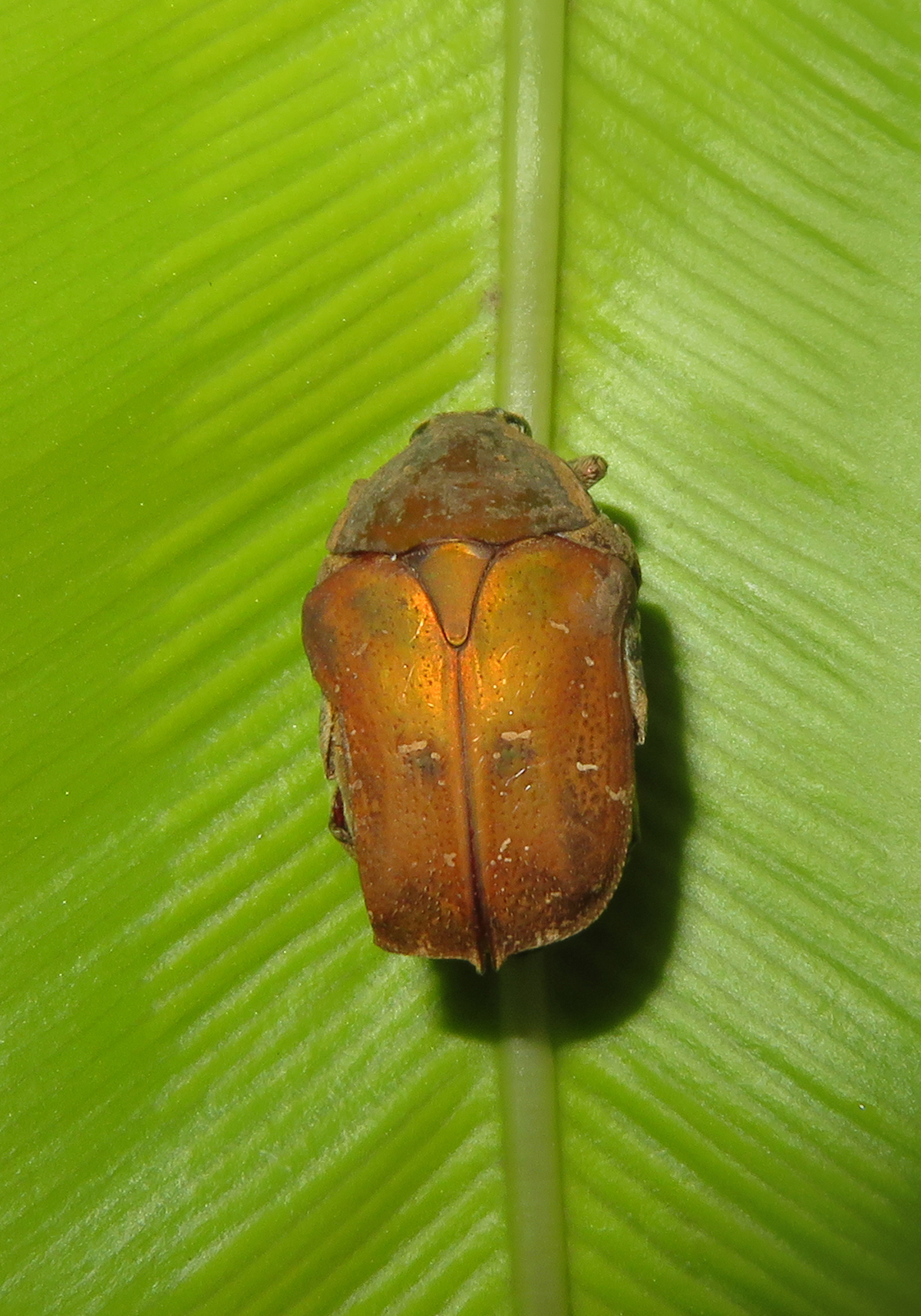
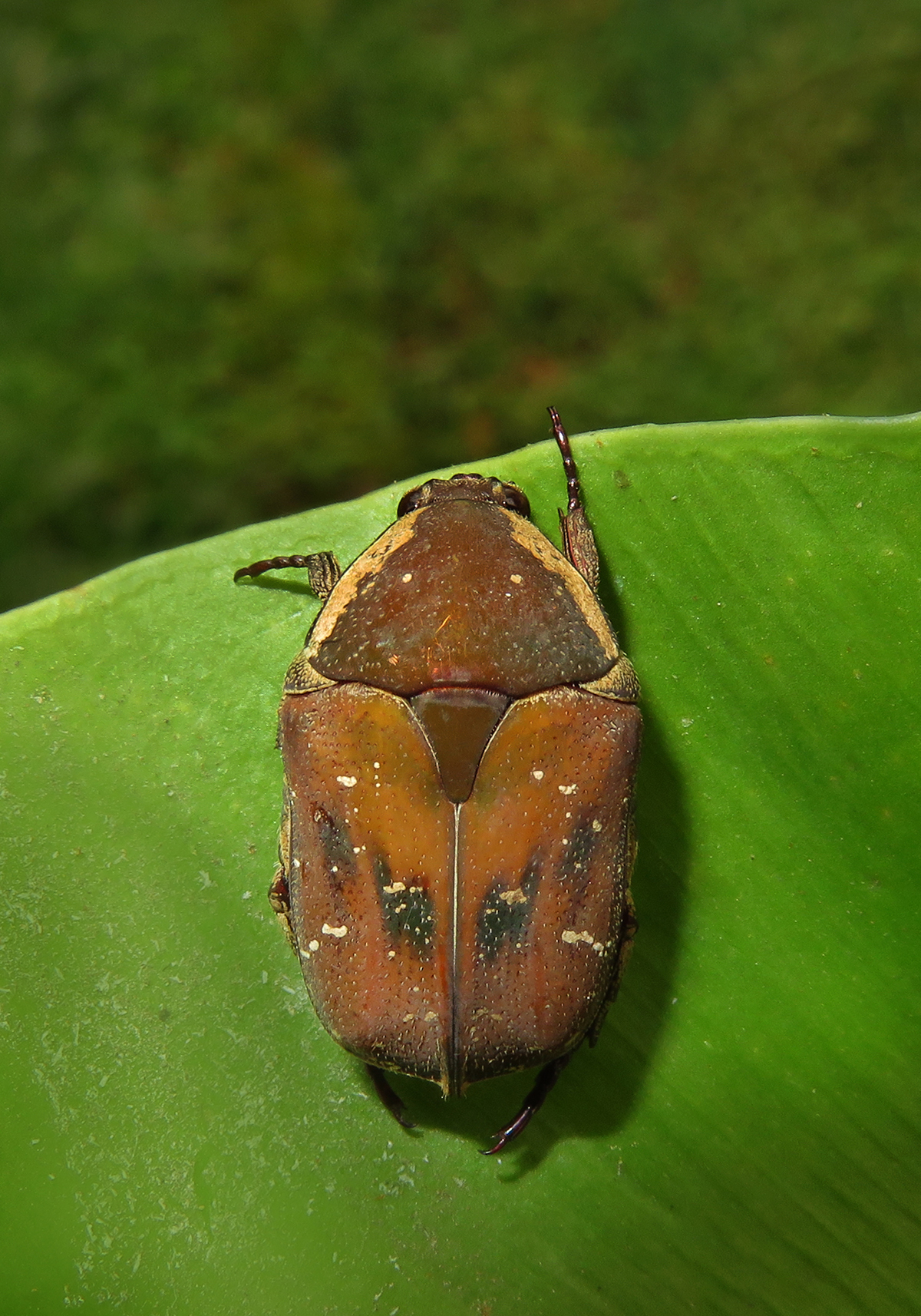
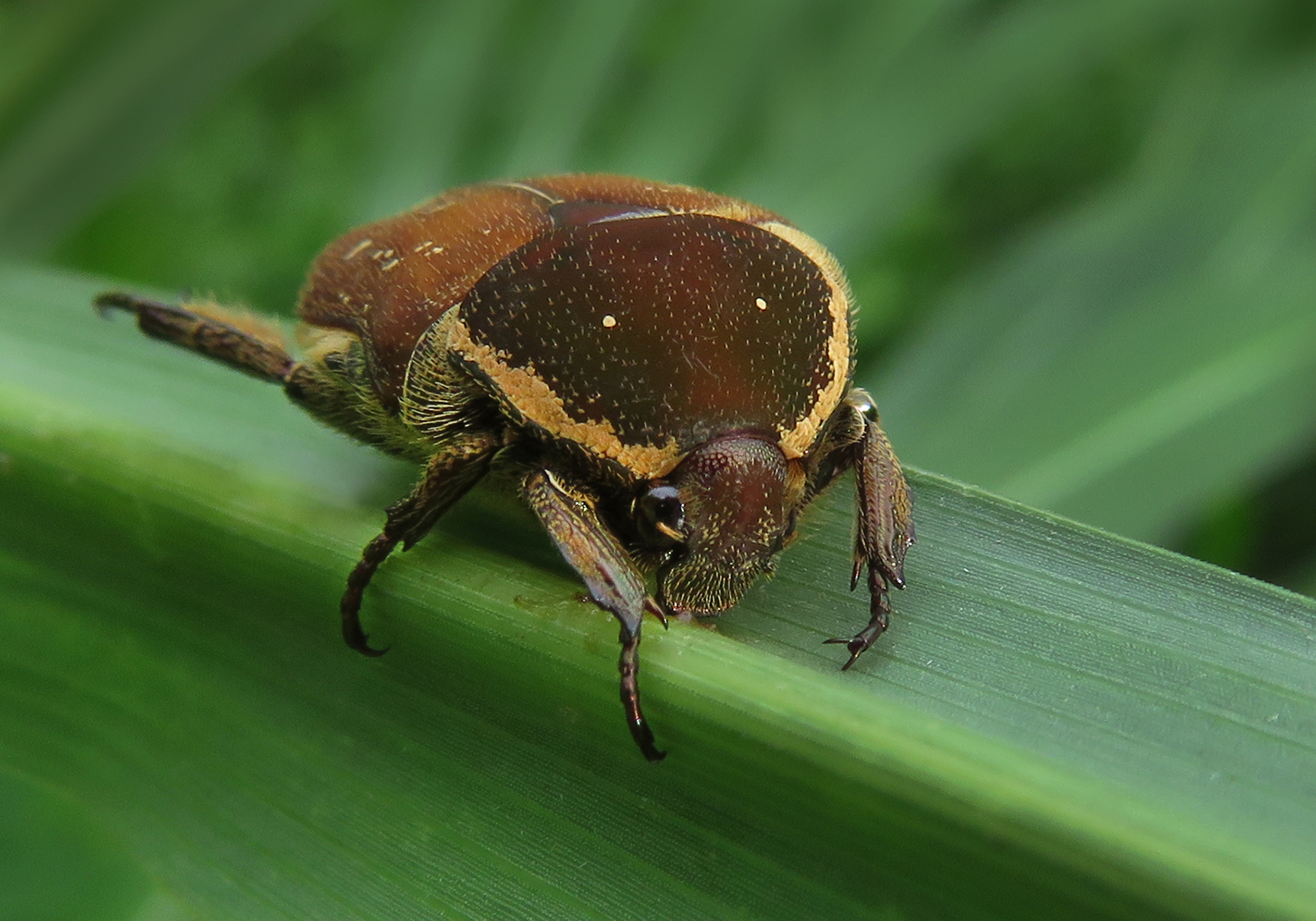
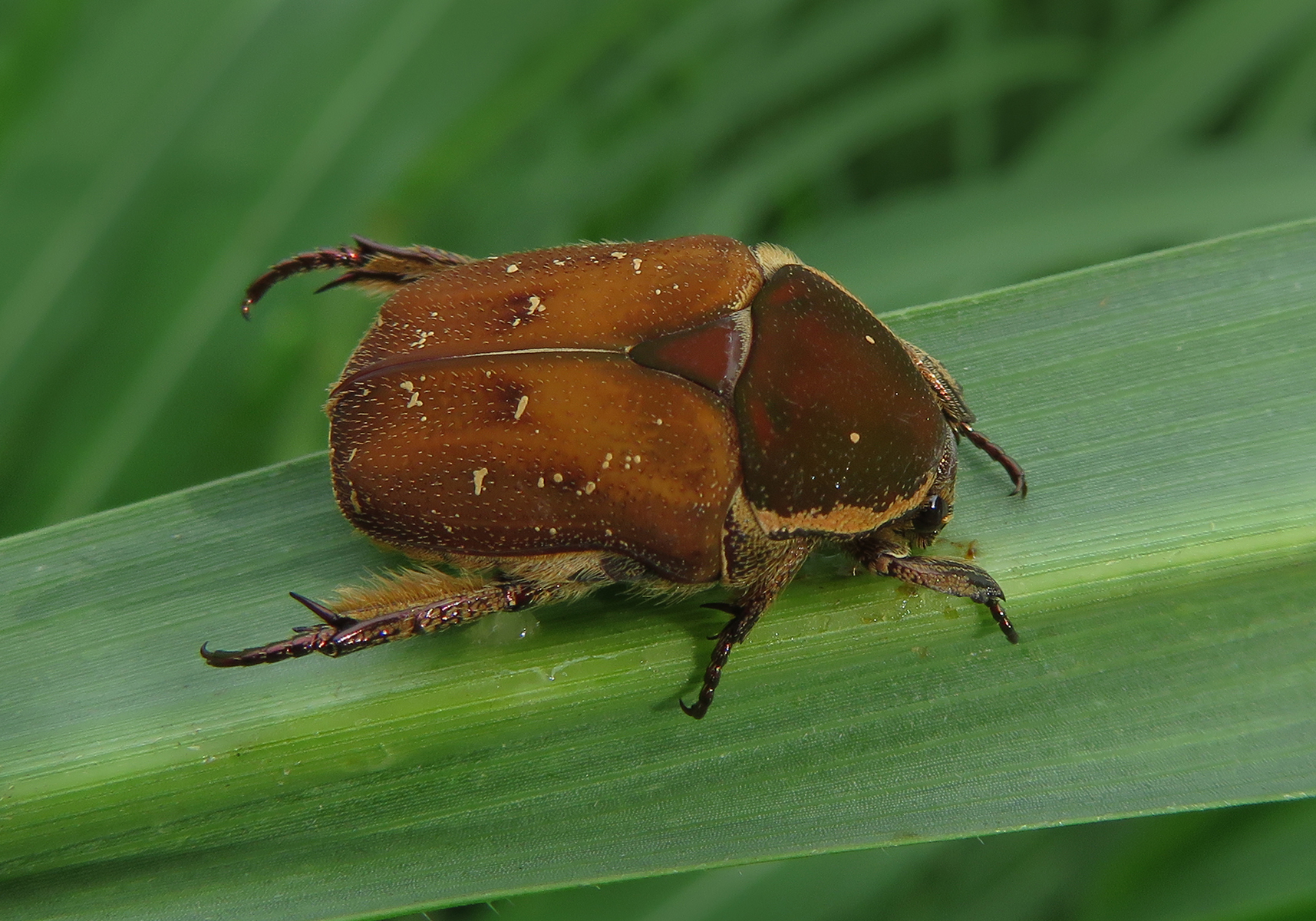
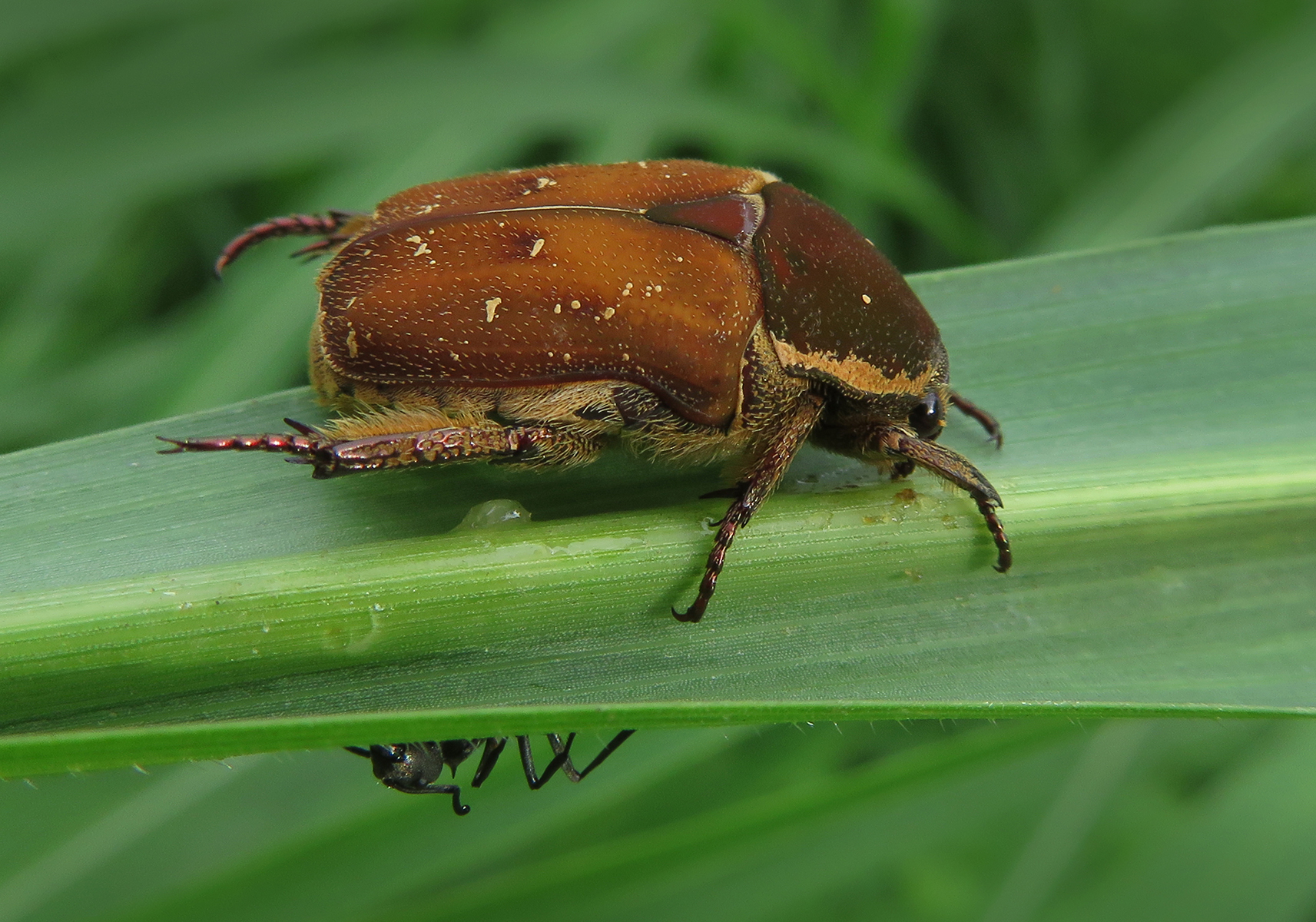
Cetoniini is a tribe of scarab beetles within the subfamily Cetoniinae (Family Scarabaeidae, Order Coleoptera). Members of this tribe are commonly known as flower chafers, a group of often brightly colored beetles widely distributed across Africa, Europe, Asia, and parts of the Indo-Australian region.
Beetles of Cetoniini are typically medium to large in size, with a robust, oval body form. Many species display metallic or iridescent coloration, including green, gold, bronze, or multicolored patterns. The elytra (hardened forewings) are usually smooth and glossy, though some species may show spots, stripes, or textured sculpturing.
A distinctive feature of flower chafers, including Cetoniini, is their ability to fly without fully lifting the elytra. The hind wings extend laterally beneath the elytra through specialized openings, allowing agile and efficient flight.
Adults are commonly found visiting flowers, where they feed on nectar, pollen, sap, and soft fruits. They are active during the day (diurnal) and are often strong fliers. Larvae are typically saprophagous, developing in decaying wood, compost, leaf litter, or rich soil, where they feed on decomposing organic matter.
The life cycle includes complete metamorphosis (egg, larva, pupa, adult). Larvae are C-shaped grubs with well-developed mouthparts adapted for feeding on organic debris.
Tribe Cetoniini represents a diverse and visually striking lineage of scarab beetles, characterized by metallic coloration, flower-visiting behavior, and ecological roles in pollination and decomposition.