Bali Wildlife
Every Spices Matter


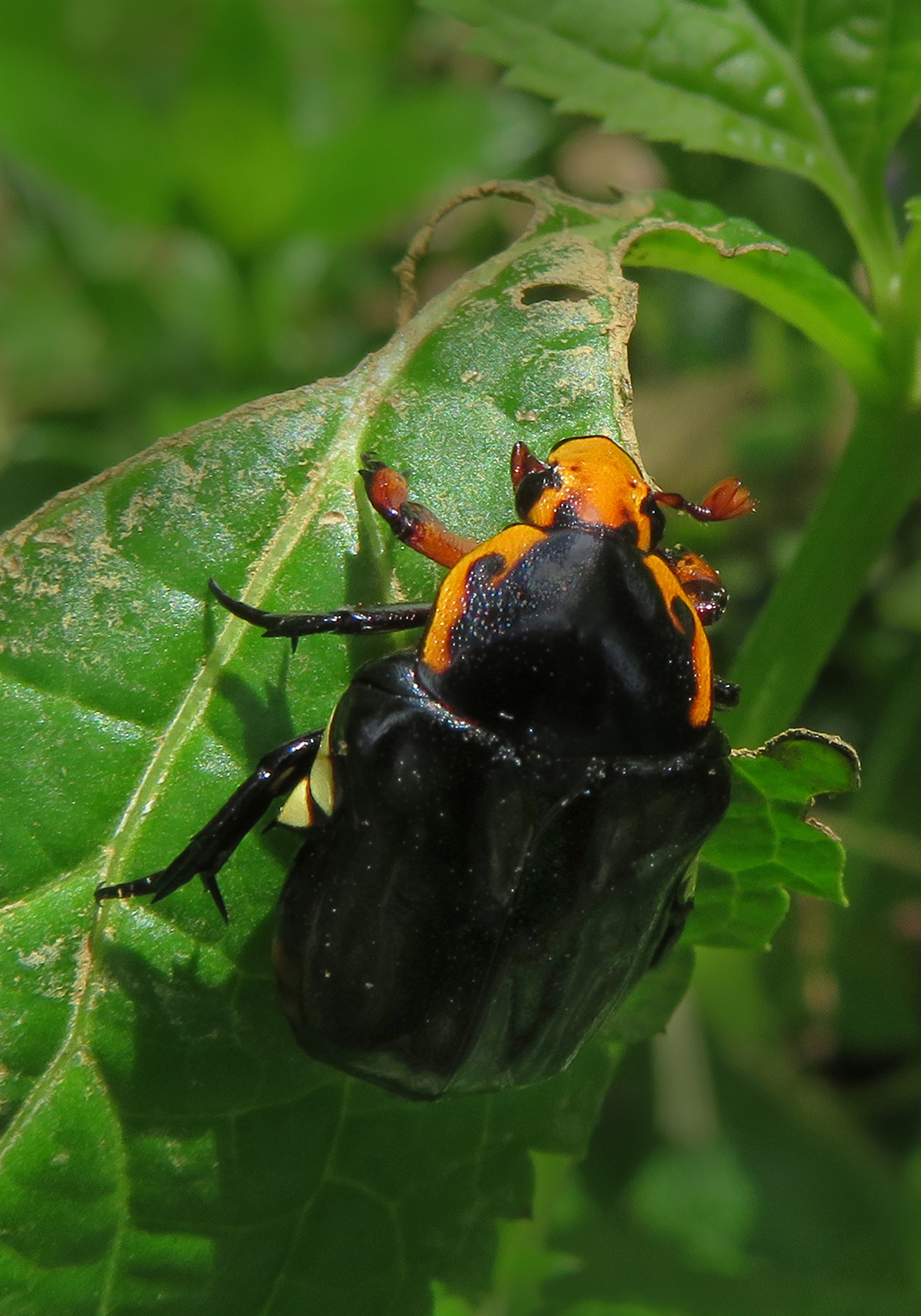
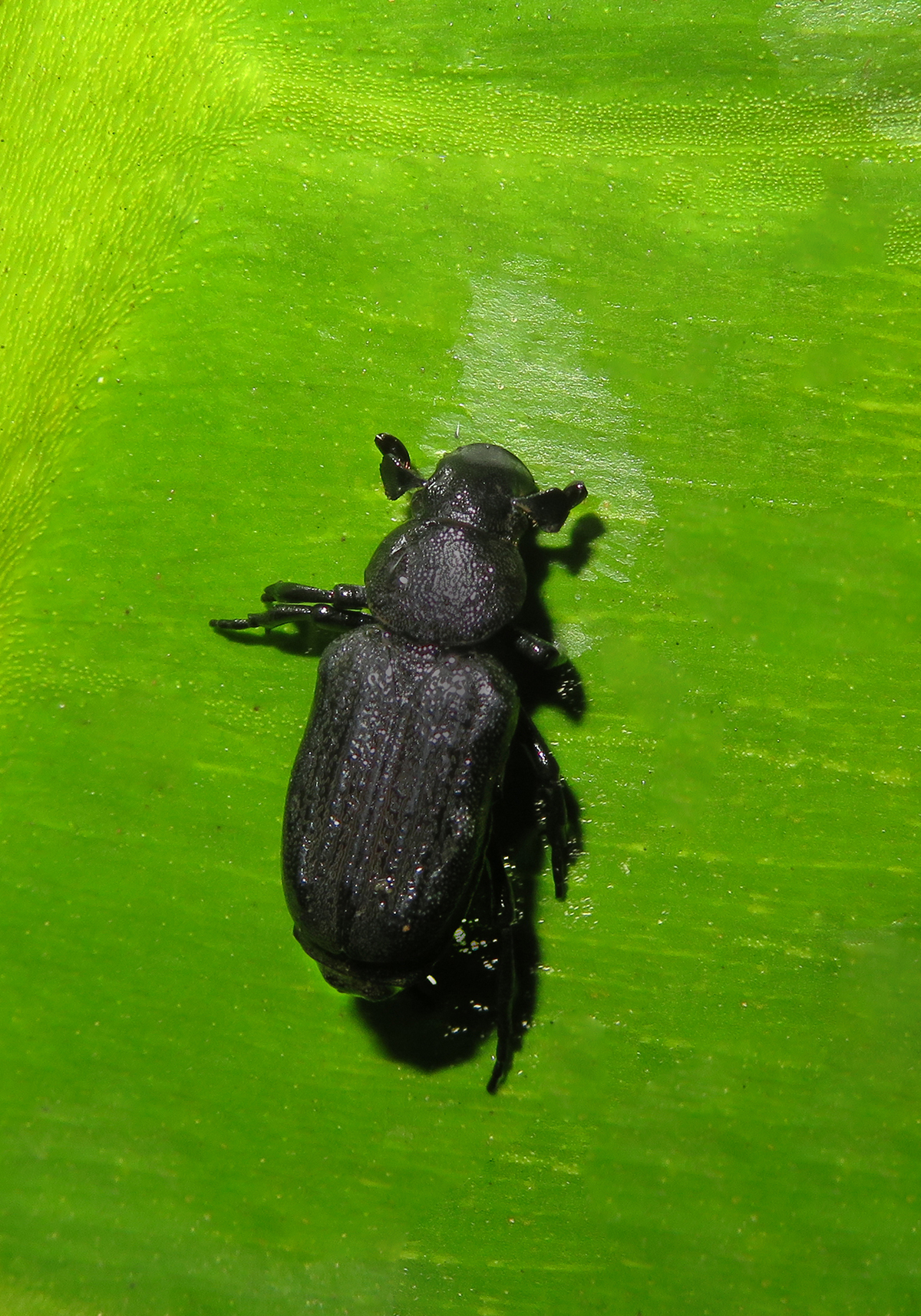
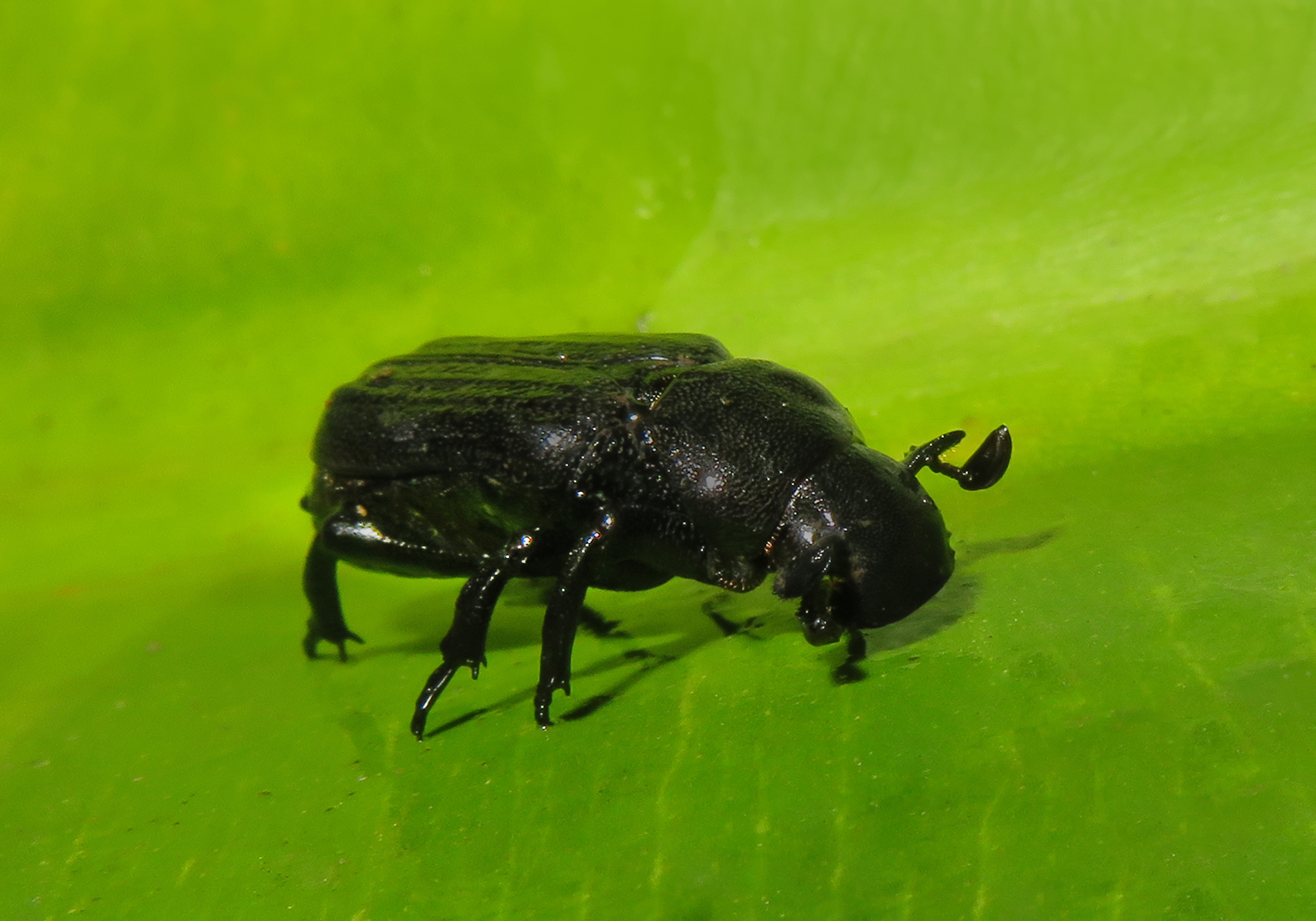
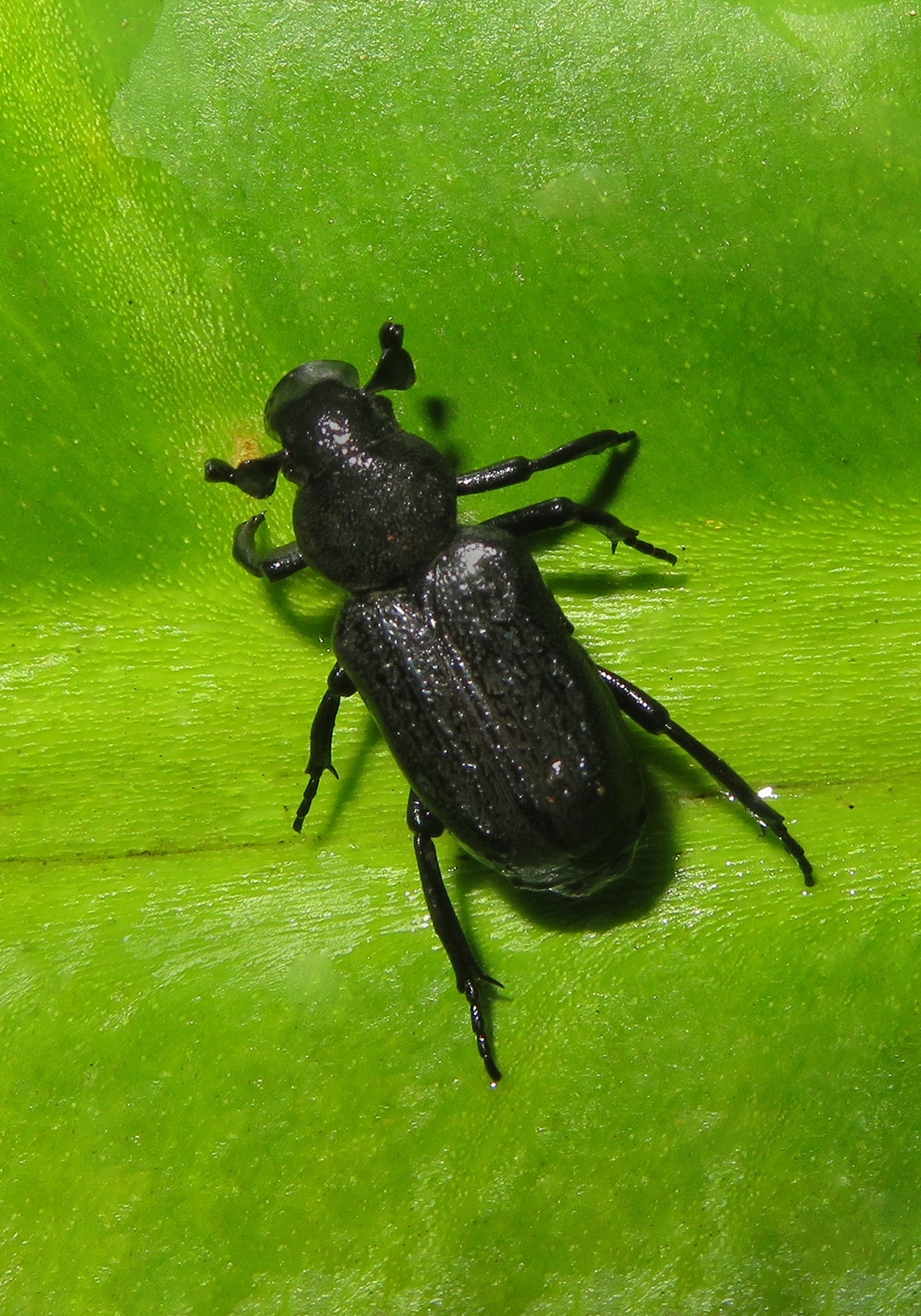
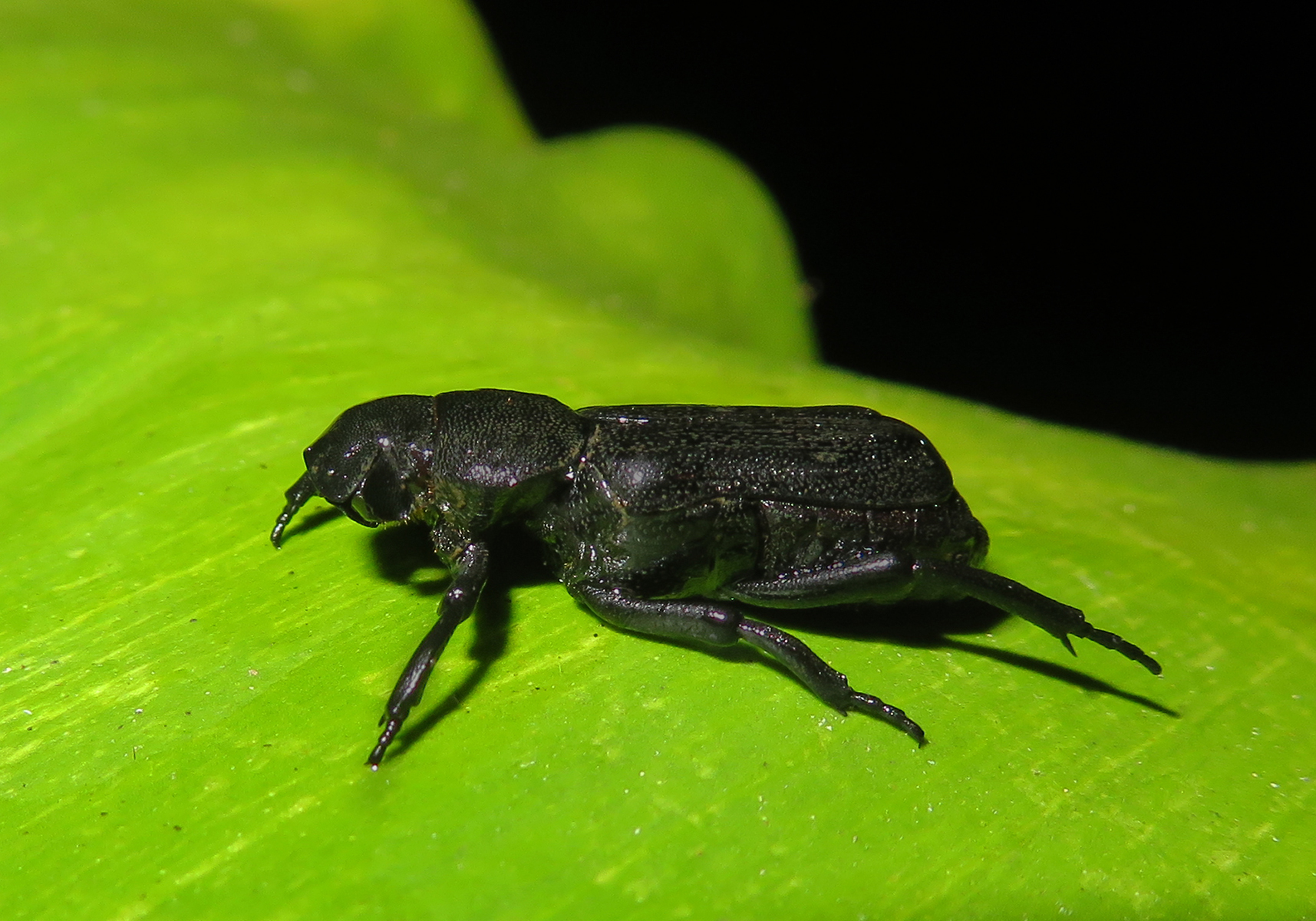
Cetoniinae, commonly known as flower chafers or flower scarabs, is a distinctive subfamily within the family Scarabaeidae (Order Coleoptera). Members of this subfamily are widely distributed across the world, with greatest diversity in tropical and subtropical regions. They are most frequently encountered on flowers, fruits, and sap flows, where they feed and interact closely with plant communities.
Adult Cetoniinae are generally medium to large beetles with robust, often flattened or streamlined bodies. Many species are notable for their striking coloration, which may include metallic greens, golds, bronzes, or contrasting patterns of white, yellow, or black. A characteristic feature of many cetoniines is their ability to fly with the elytra closed, using lateral openings that allow the hind wings to extend beneath rigid elytra.
Larvae of Cetoniinae are typical scarab grubs, C-shaped and soft-bodied, but unlike many other scarabaeids, they usually develop in decaying organic matter such as rotting wood, leaf litter, compost, or soil rich in humus rather than feeding on live plant roots. This feeding habit generally reduces their impact as agricultural pests compared to other scarab larvae.
The subfamily includes numerous genera, such as Cetonia, Protaetia, Goliathus, and Eudicella, ranging from modestly sized species to some of the largest and heaviest beetles in the world. Adults often feed on nectar, pollen, fruit juices, and sap, and in doing so may act as incidental pollinators.
Ecologically, Cetoniinae contributes to nutrient cycling through larval decomposition of organic matter and to pollination dynamics through adult flower visitation. While some species may cause damage to ripe fruits or ornamental flowers, many are ecologically beneficial or neutral. Their vivid appearance, diurnal activity, and close association with flowers make Cetoniinae one of the most recognizable and charismatic groups within the scarab beetles.