Bali Wildlife
Every Spices Matter


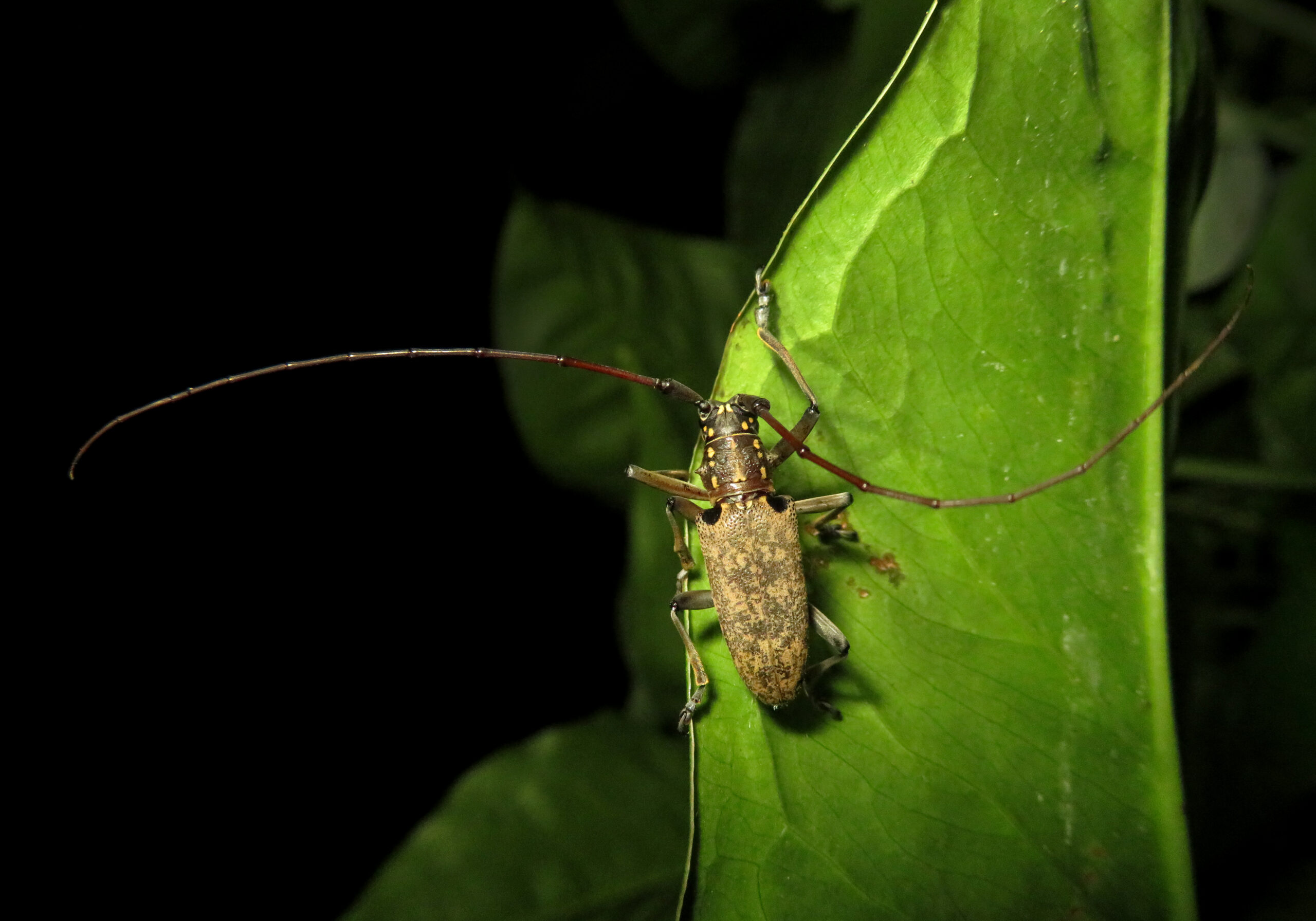
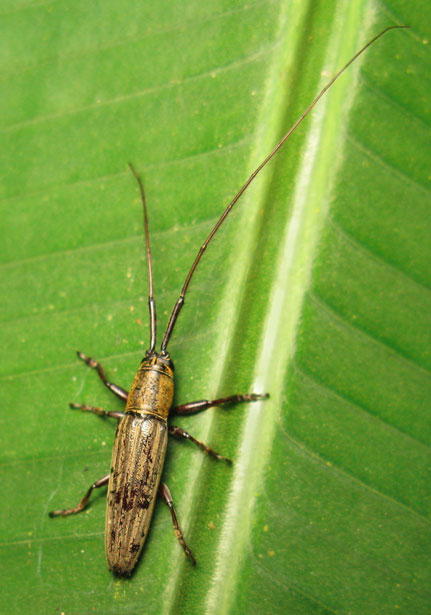
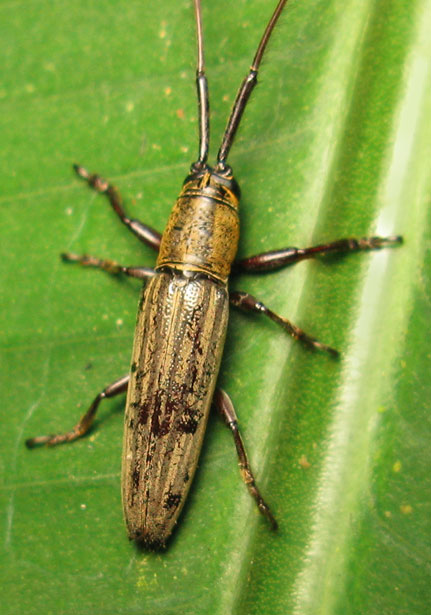
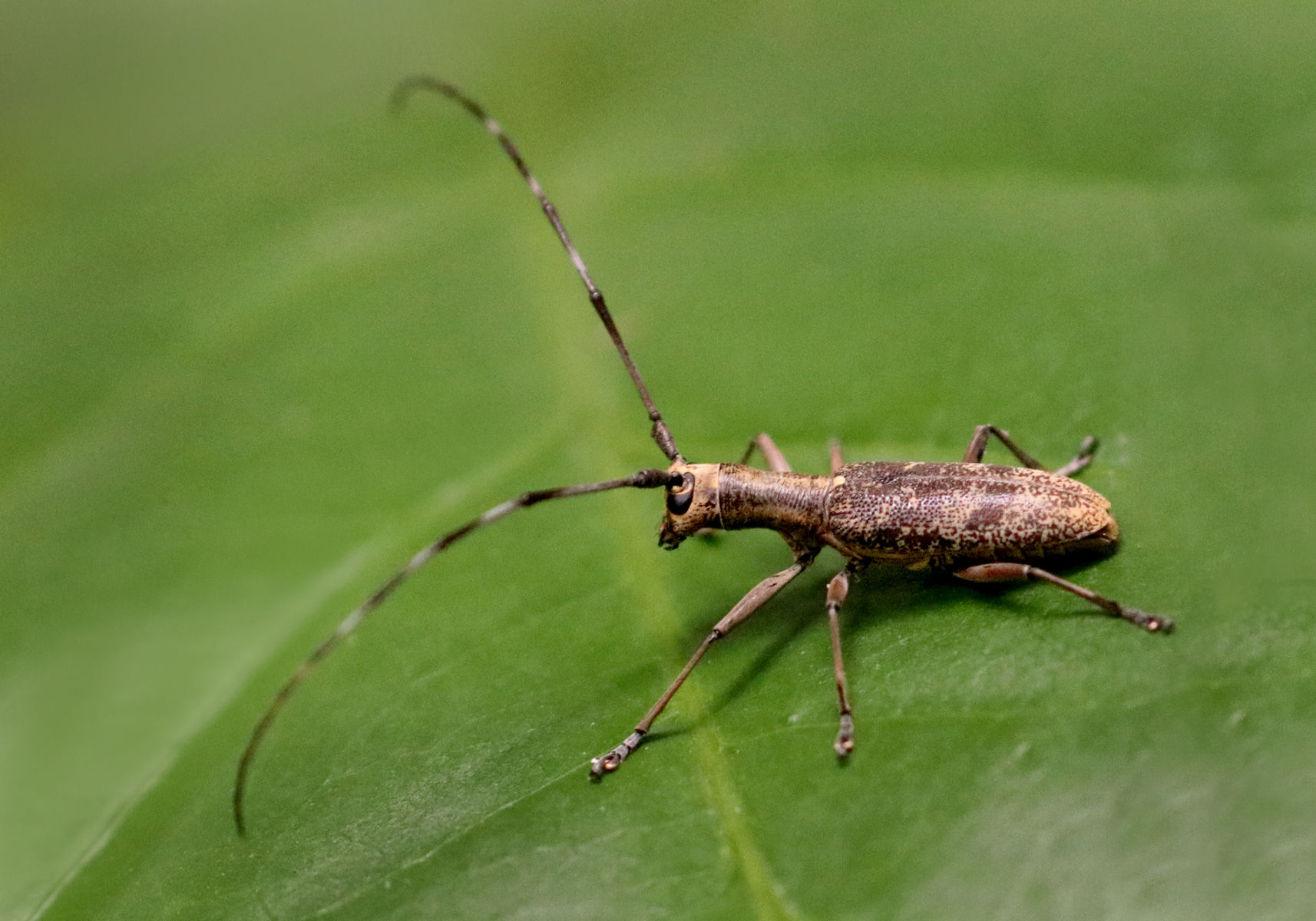
Cerambycoidea is a prominent superfamily of beetles within the infraorder Cucujiformia (Order Coleoptera), best known for the longhorn beetles. Members of this superfamily are distributed worldwide and are especially diverse in tropical and subtropical forests, though they also occur in temperate regions and a variety of open habitats.
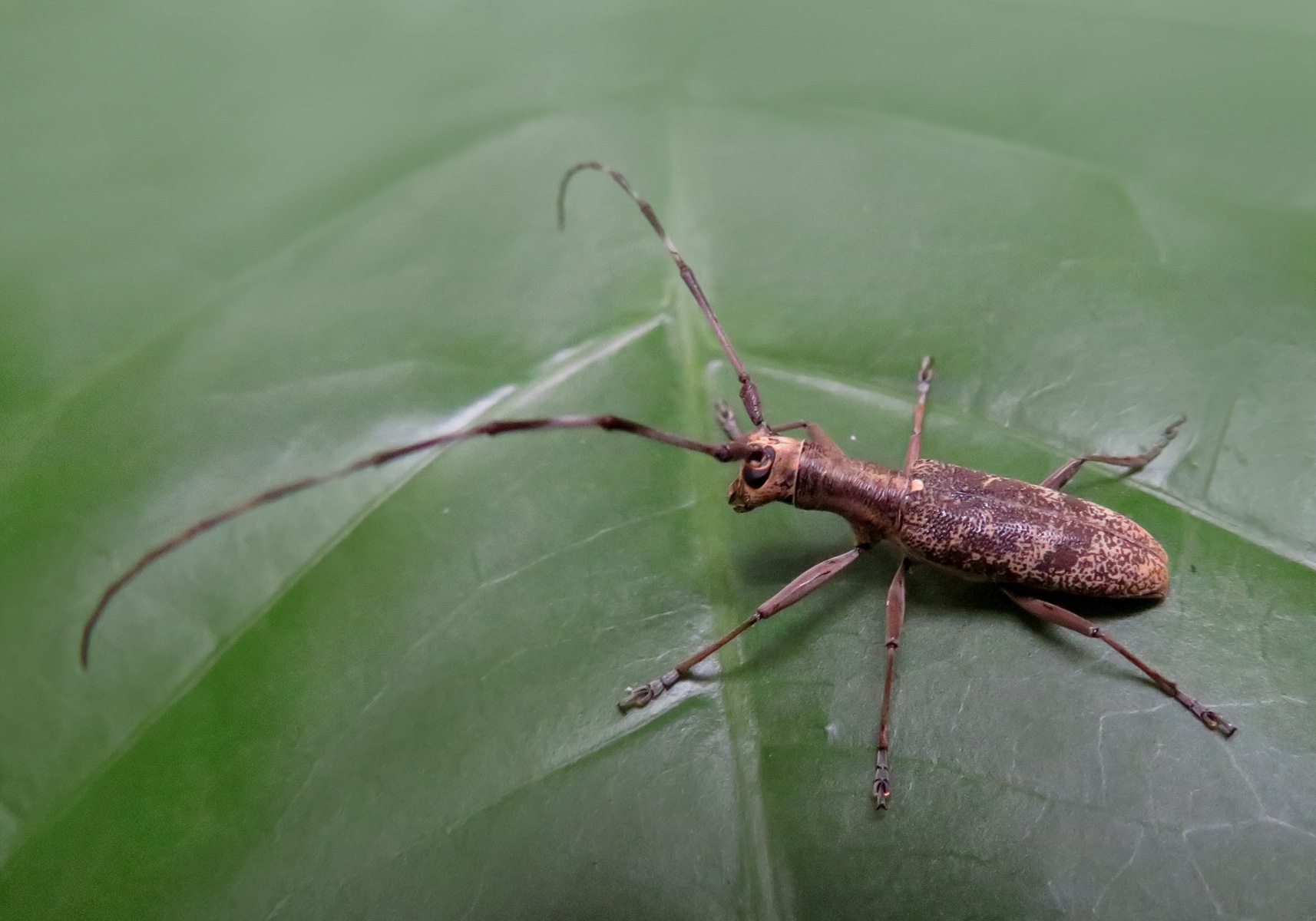
Beetles of Cerambycoidea are generally characterized by an elongate body form and antennae that are often very long, frequently exceeding the body length in males. The head is typically prognathous with well-developed chewing mouthparts, and the eyes are often notched or kidney-shaped to accommodate the bases of the long antennae. The pronotum is usually narrower than the elytra and may bear spines, tubercles, or other projections.
Larvae of Cerambycoidea are commonly known as roundheaded borers. They are elongate, soft-bodied, and adapted for boring into wood, stems, or roots of plants. Most larvae develop within living or dead woody tissues, where they feed for months or years, playing a major role in wood decomposition and nutrient cycling. Some species, however, develop in herbaceous plants or bamboo.
The superfamily includes several important families, most notably Cerambycidae (longhorn beetles), along with smaller families such as Disteniidae and Vesperidae, depending on classification. Cerambycidae accounts for the vast majority of species and exhibits enormous diversity in size, coloration, and ecological specialization.
Ecologically, Cerambycoidea is vital in forest ecosystems as decomposers and recyclers of woody material. While many species contribute positively to ecosystem functioning, others are economically significant pests of forestry, timber, fruit trees, and ornamental plants due to their wood-boring larvae. The striking morphology, long antennae, and ecological importance of Cerambycoidea make it one of the most recognizable and significant superfamilies of beetles.