Bali Wildlife
Every Spices Matter


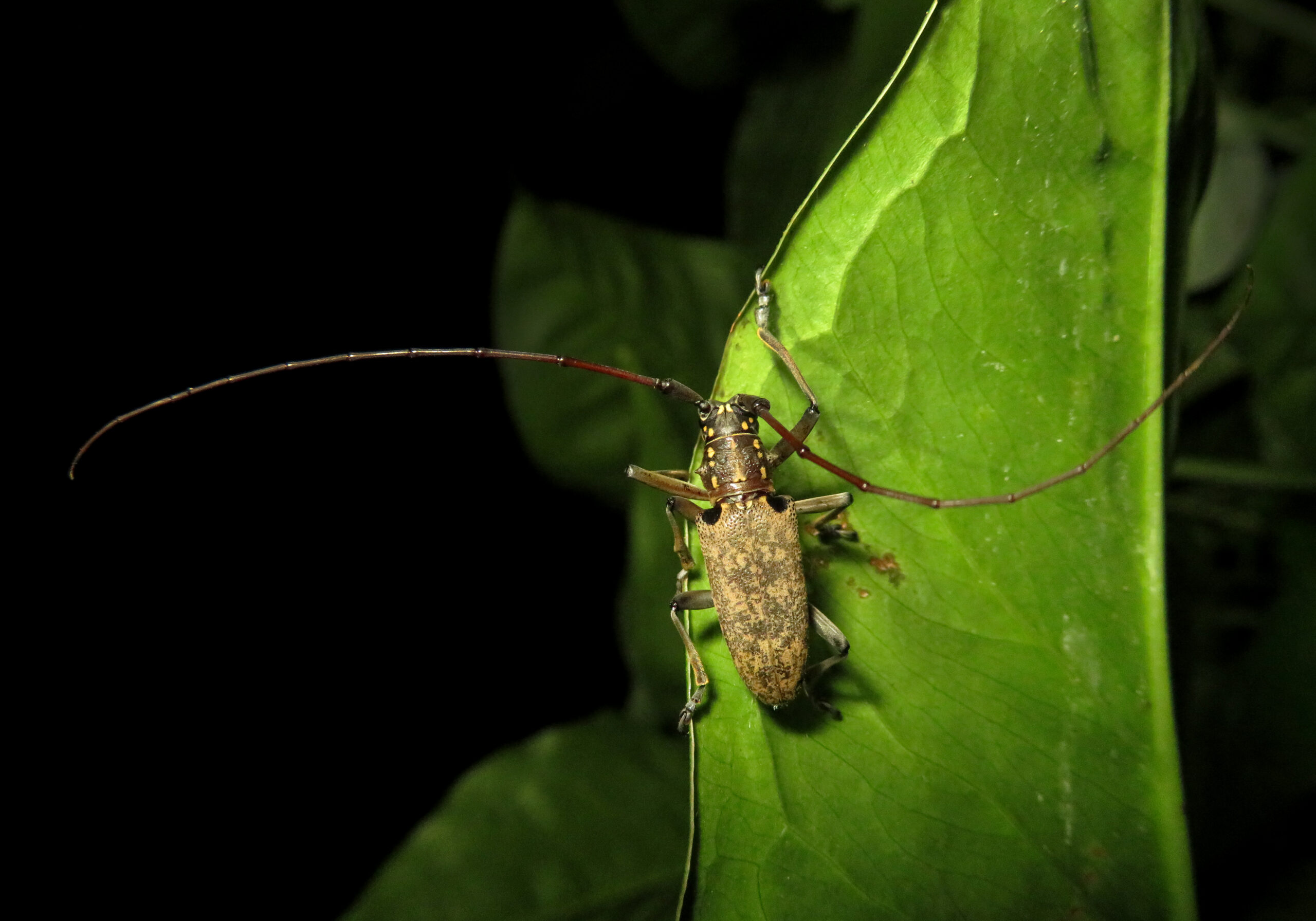
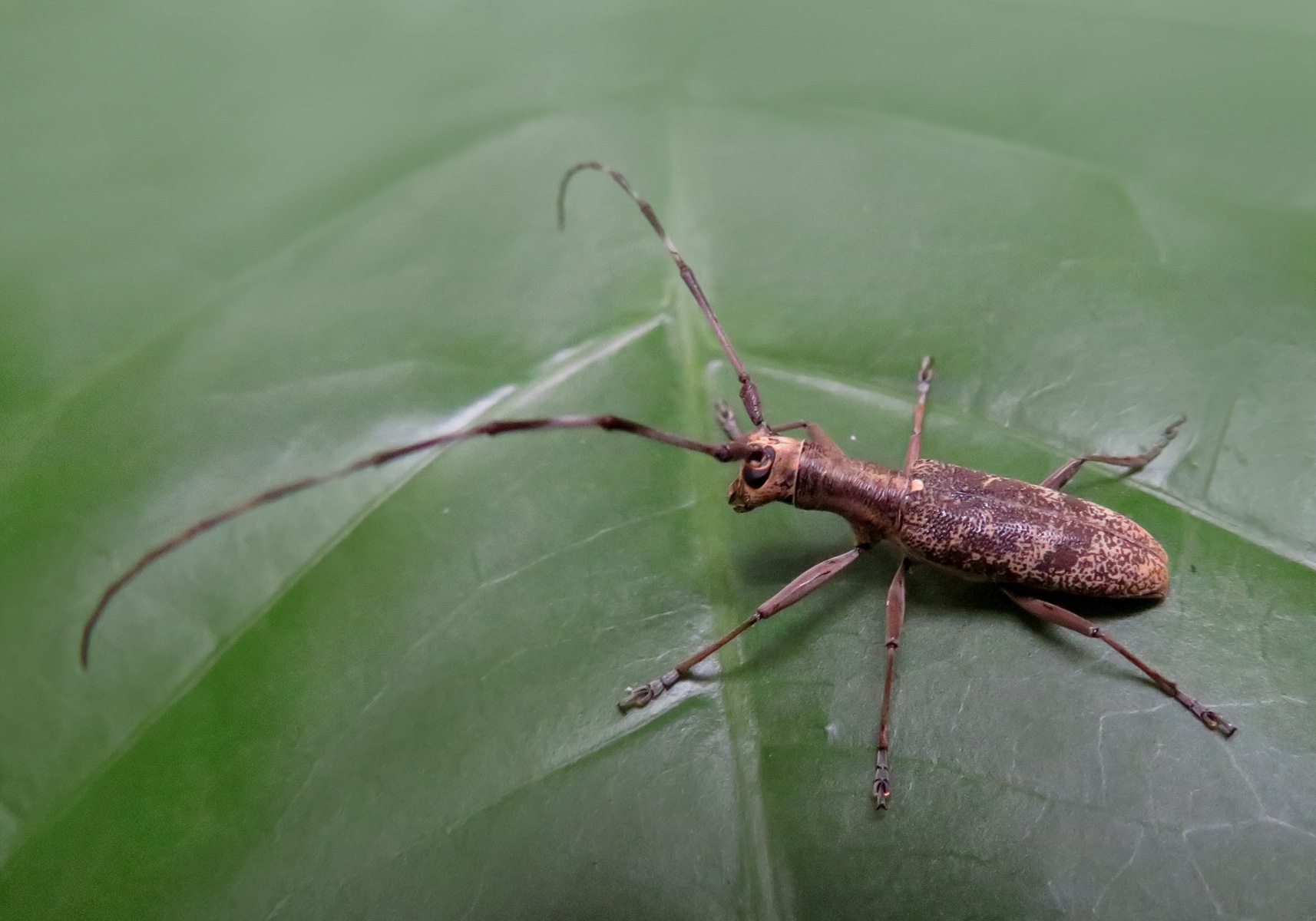
Cerambycidae, commonly known as longhorn beetles, is a large and diverse family within the superfamily Cerambycoidea (Order Coleoptera). The family includes tens of thousands of described species and is distributed worldwide, with highest diversity in tropical and subtropical regions. Longhorn beetles occupy a wide range of habitats, particularly forests and woodlands, but also occur in grasslands, agricultural areas, and urban environments.
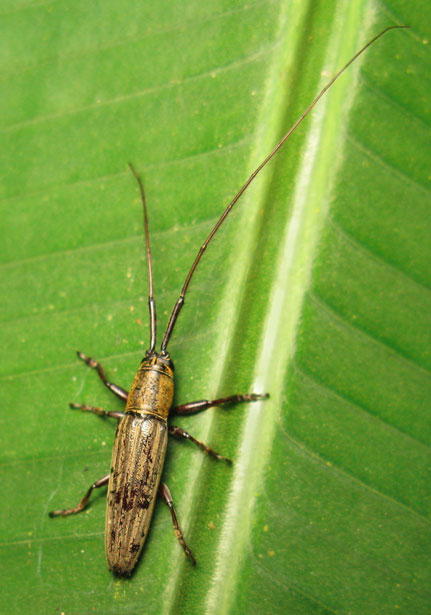
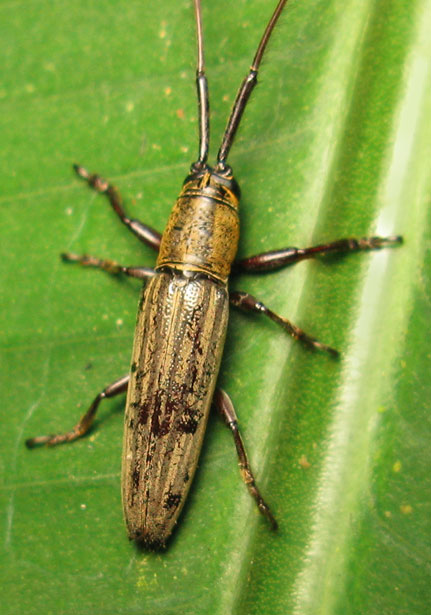
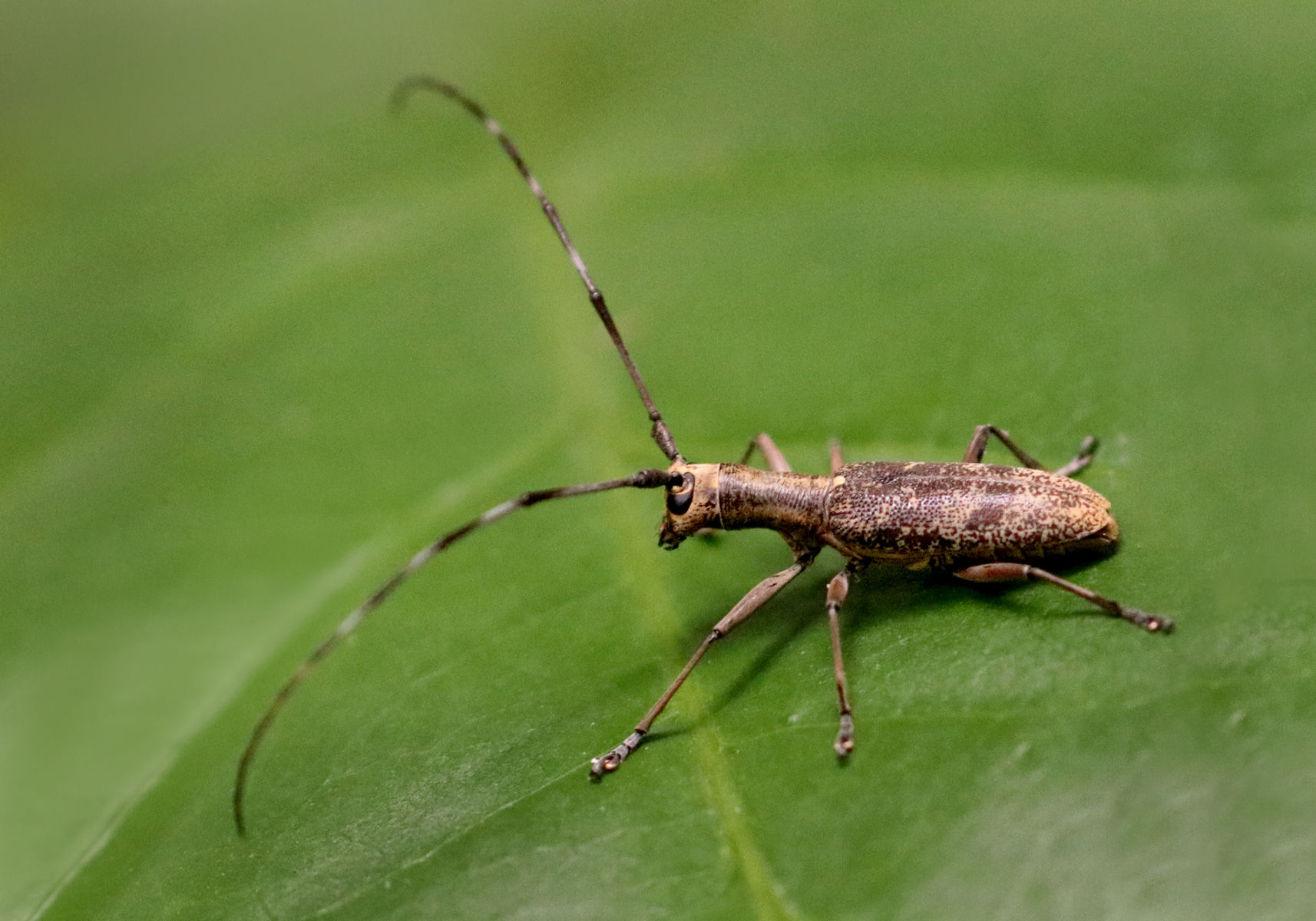
Adult Cerambycidae are typically medium to large beetles characterized by their elongate bodies and extremely long antennae, which often equal or exceed the body length, especially in males. The eyes are usually kidney-shaped or deeply notched to accommodate the antennal bases. The pronotum is commonly narrower than the elytra and may bear spines, tubercles, or other sculpturing. Coloration varies greatly, ranging from cryptic browns and grays to bright, metallic, or boldly patterned forms, often associated with mimicry of wasps or other insects.
Larvae of Cerambycidae are known as roundheaded borers. They are soft-bodied, elongate, and adapted for boring into plant tissues, primarily wood. Most species develop in dead or living trees, branches, or logs, while others inhabit roots, stems, or herbaceous plants. Larval development can take months to several years, depending on species and environmental conditions.
The family Cerambycidae is divided into numerous subfamilies, such as Cerambycinae, Lamiinae, Prioninae, and Lepturinae, each exhibiting distinct ecological and morphological traits. Adults are typically active during the day or night and may feed on flowers, pollen, sap, bark, or foliage, while some adults do not feed at all.
Ecologically, Cerambycidae plays a crucial role in forest ecosystems by aiding in the decomposition of woody material and nutrient recycling. Economically, several species are significant pests of forestry, timber products, and ornamental trees, sometimes causing serious damage when introduced outside their native range. The combination of impressive antennae, morphological diversity, and ecological significance makes Cerambycidae one of the most recognizable and important families of beetles.