

Apes and Old World Monkeys (Parvorder Catarrhini)
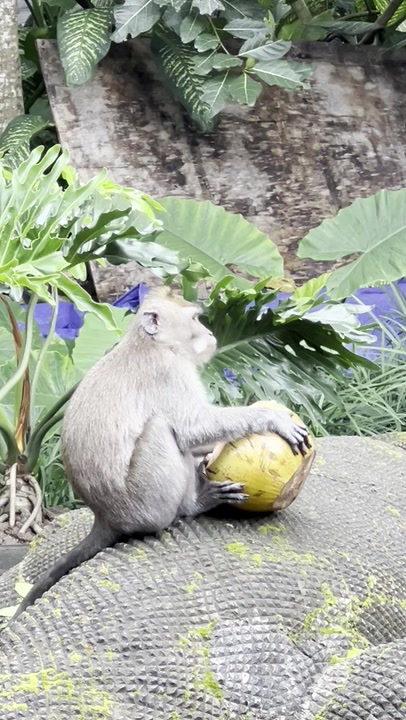
The parvorder Catarrhini comprises the Old World monkeys, gibbons, great apes, and humans. It is one of the two major evolutionary branches of simian primates, the other being Platyrrhini, the New World monkeys. Catarrhines are characterized by several features of the nose and skull, as well as distinctive dental and anatomical traits, and they occupy a wide range of habitats across Africa and Asia.
Catarrhini are divided into two major lineages: Parvorder Catarrhini contains superfamily Hominoidea, the apes and humans, and family Cercopithecoidea, the Old World monkeys. Hominoids include gibbons, siamangs, orangutans, gorillas, chimpanzees, bonobos, and humans, while cercopithecoids include familiar monkeys such as macaques, baboons, colobus monkeys, guenons, and langurs.
One of the most recognizable catarrhine characteristics is the nose. Their nostrils generally face downward or forward and are relatively close together, unlike the more widely separated, laterally directed nostrils characteristic of many New World monkeys. The nasal structure is reflected in the name Catarrhini, derived from Greek roots meaning roughly “downward-flowing,” referring to the arrangement of the nose.
Catarrhines generally have 32 teeth, with the dental formula of two incisors, one canine, two premolars, and three molars on each side of each jaw. Their molars typically have four major cusps arranged in patterns useful for identifying evolutionary relationships. Old World monkeys and apes also differ in their wrist and skeletal anatomy from many platyrrhines.
Body size and appearance vary enormously. Small gibbons may weigh only several kilograms, whereas gorillas can exceed 150 kg, and humans have an intermediate body size. Catarrhines possess grasping hands, relatively mobile shoulder joints, nails rather than claws on most digits, and forward-facing eyes that provide good binocular vision. Their brains are relatively large for their body size, particularly among the apes.
Old World monkeys occupy forests, woodlands, savannas, mountains, wetlands, and even highly modified landscapes. Macaques are especially adaptable and occur from South and Southeast Asia into parts of East Asia, while baboons and several guenons inhabit diverse African environments. Colobus monkeys are strongly associated with African forests, and many langurs and related leaf-eating monkeys occupy forests and open woodland in South and Southeast Asia.
The hominoids include some of the most behaviorally complex mammals. Gibbons are specialized for rapid movement through forest canopies, using their long arms for brachiation. Great apes generally have more flexible locomotor repertoires, including climbing, quadrupedal movement, knuckle-walking in African apes, and various forms of terrestrial locomotion. Humans are exceptionally specialized for habitual upright bipedal walking.
Catarrhine diets range from predominantly folivorous and frugivorous to omnivorous. Colobus monkeys have adaptations for consuming leaves, whereas many macaques, baboons, and guenons eat fruits, seeds, leaves, flowers, invertebrates, and occasionally vertebrate prey. Apes likewise consume combinations of fruit, leaves, seeds, insects, and other foods. Humans have an exceptionally broad diet and employ extensive technological and cultural methods to obtain and process food.
Social behavior is highly developed throughout the group. Many Old World monkeys live in stable troops containing multiple adults, with dominance relationships, grooming networks, vocal communication, and complex infant care. Gibbons commonly form territorial family groups, while great apes exhibit diverse social systems ranging from relatively solitary lifestyles in orangutans to large, fluid communities in chimpanzees and bonobos.
Reproduction is generally characterized by relatively long gestation, small numbers of offspring, and prolonged parental investment compared with many other mammals. Young catarrhines develop slowly and remain dependent on their mothers or social groups for extended periods. This prolonged development is particularly pronounced in the great apes and humans, where juveniles acquire extensive behavioral and social knowledge over many years.
Catarrhines play important ecological roles. Fruit-eating monkeys and apes can disperse seeds across forests, while leaf-eating species influence vegetation and nutrient cycling. Predation on insects and other small animals can also affect food-web dynamics. As highly visible components of tropical ecosystems, they can serve as indicators of forest condition and broader environmental change.
The evolutionary history of Catarrhini is ancient, with the lineage originating in Africa and subsequently producing a major radiation of Old World monkeys and apes. Fossil catarrhines document substantial diversification during the Miocene, when numerous ape lineages occupied forests across Africa and Eurasia. The living diversity therefore represents only a small portion of the evolutionary history of the group.
Today, many catarrhine species face serious conservation pressures. Deforestation, hunting, illegal wildlife trade, agricultural expansion, infrastructure development, and human-wildlife conflict have reduced populations of numerous monkeys and apes. Several great apes and other catarrhines are threatened with extinction, making habitat protection, anti-poaching measures, and conservation of connected forest landscapes particularly important.