

Monkeys, Apes, and Tarsiers (Suborder Haplorhini)
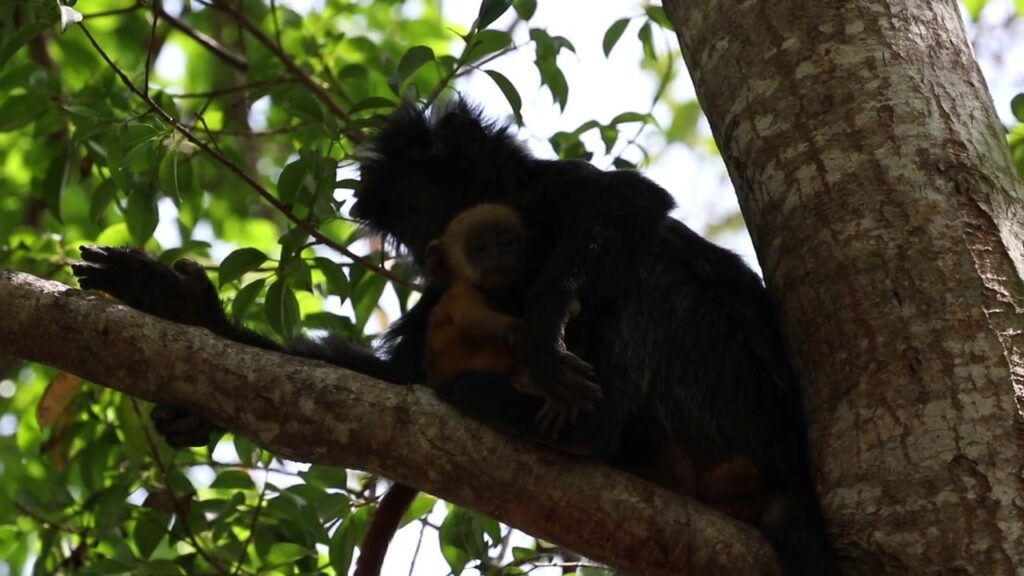
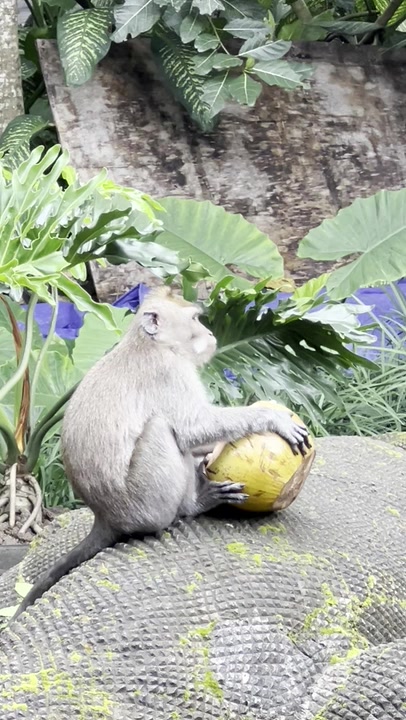
Haplorhini (also spelled Haplorrhini) is one of the two major suborders of Primates, comprising the tarsiers, monkeys, apes, and humans. The name is derived from Greek roots meaning approximately “simple-nosed,” referring to the relatively simple structure of the nose compared with the more moist, highly developed rhinarium characteristic of strepsirrhine primates. Haplorhines are predominantly visual, highly social mammals with relatively large brains and extensive behavioral diversity.
Haplorhines occur naturally across Africa, Asia, and the Americas, with humans now distributed globally. Most species inhabit tropical or subtropical environments, particularly forests, but the group also includes primates adapted to savannas, dry woodlands, mountains, wetlands, and other habitats. Tarsiers are restricted to island regions of Southeast Asia, while monkeys and apes have much broader distributions.
A major characteristic of haplorhines is their reliance on vision. The eyes are generally directed forward, producing overlapping visual fields and excellent binocular vision. Many species have well-developed color vision, which is particularly useful for identifying ripe fruits, young leaves, social signals, and other visual cues. The visual system is accompanied by a relatively reduced dependence on olfaction compared with many strepsirrhines.
The nose and upper lip are comparatively simple and generally lack the prominent rhinarium found in lemurs, lorises, and galagos. Haplorhines also lack the specialized grooming claw found on certain digits of many strepsirrhine primates. Instead, their fingers and toes typically terminate in flattened nails, supporting precise grasping and manipulation.
The group displays remarkable diversity in body size and locomotion. Tarsiers are small nocturnal leapers specialized for moving through vegetation, while New World and Old World monkeys employ climbing, quadrupedal walking, leaping, and suspensory behaviors. Gibbons are highly specialized for brachiation, orangutans are powerful climbers, and gorillas combine climbing with substantial terrestrial locomotion. Humans are specialized for habitual upright bipedalism.
Haplorhine hands and feet are generally highly dexterous. Many species possess opposable digits that allow them to grasp branches and manipulate food. The degree of manual specialization varies among lineages, with some monkeys possessing adaptations for running on branches, others for gripping narrow supports, and apes having exceptionally mobile hands and shoulders.
Feeding strategies are diverse. Haplorhines may be frugivorous, folivorous, insectivorous, omnivorous, or highly opportunistic, depending on the species. Tarsiers specialize heavily on animal prey, particularly insects and other small vertebrates, while many monkeys consume fruits, leaves, flowers, seeds, and insects. Apes display similarly varied diets, from the predominantly plant-based diets of gorillas to the more omnivorous diets of chimpanzees and humans.
Many haplorhines are important seed dispersers and ecosystem engineers. Fruit-eating monkeys and apes transport seeds through their digestive systems and may disperse them considerable distances from parent plants. Their feeding, movement, and construction of sleeping or nesting sites can also influence vegetation structure and the distribution of other organisms.
Social organization is highly varied but often complex. Species may be solitary, pair-living, or group-living, with groups ranging from small family units to large multi-male and multi-female societies. Social relationships may involve grooming, play, cooperation, competition, dominance hierarchies, alliances, and long-term bonds.
Communication includes a wide range of vocal, visual, and tactile signals. Facial expressions, body postures, gestures, calls, and physical contact all contribute to social communication. Some species have elaborate alarm calls and territorial vocalizations. Apes and humans possess especially sophisticated forms of communication, with humans developing fully symbolic spoken and written languages and highly cumulative cultural traditions.
Reproduction is generally characterized by slow development and substantial parental investment. Most species produce a single infant at a time, although twins occur in some monkeys and other haplorhines. Infants often cling to their mothers during early development and remain dependent for extended periods. Juveniles learn many feeding, locomotor, and social behaviors through prolonged interaction with adults and other members of their social group.
Haplorhini contains two major evolutionary lineages: Tarsiiformes, represented by the tarsiers, and Simiiformes, which includes monkeys, apes, and humans. Simiiformes is further divided into Platyrrhini, the New World monkeys, and Catarrhini, the Old World monkeys and apes.
Tarsiers are small, predominantly nocturnal primates found on islands of the Philippines, Sulawesi, and nearby parts of the Southeast Asian archipelago. Their enormous eyes, elongated ankle bones, and powerful hind limbs allow them to make spectacular leaps between branches. They are unusual among primates because they are strongly specialized for eating animal prey.
New World monkeys occur throughout tropical and subtropical Central and South America. They include marmosets, tamarins, capuchins, squirrel monkeys, howler monkeys, spider monkeys, woolly monkeys, and others. Many possess prehensile tails, although this adaptation is absent in several lineages.
Old World monkeys and apes occur primarily in Africa and Asia. Old World monkeys include macaques, baboons, colobines, guenons, and several other groups. Apes include gibbons and siamangs, orangutans, gorillas, chimpanzees, bonobos, and humans.
Haplorhines have played a major role in evolutionary and biomedical research, particularly because humans belong to this suborder. Comparative studies of anatomy, genetics, development, cognition, behavior, and disease across tarsiers, monkeys, and apes have provided important information about primate evolution and the biological history of humans.
Many haplorhine species face serious conservation pressures. Deforestation, habitat fragmentation, hunting, wildlife trafficking, agricultural expansion, infrastructure development, and climate change threaten populations across their ranges. Island-restricted species can be especially vulnerable because their entire global populations may occupy relatively small areas.
Overall, Haplorhini is a highly diverse suborder of primates characterized by forward-facing eyes, strong visual specialization, relatively simple noses, grasping hands and feet, large brains, prolonged development, and often complex social systems. Its members range from tiny insect-eating tarsiers to the great apes and humans, encompassing an extraordinary diversity of locomotion, diet, cognition, and social behavior.