Bali Wildlife
Every Spices Matter


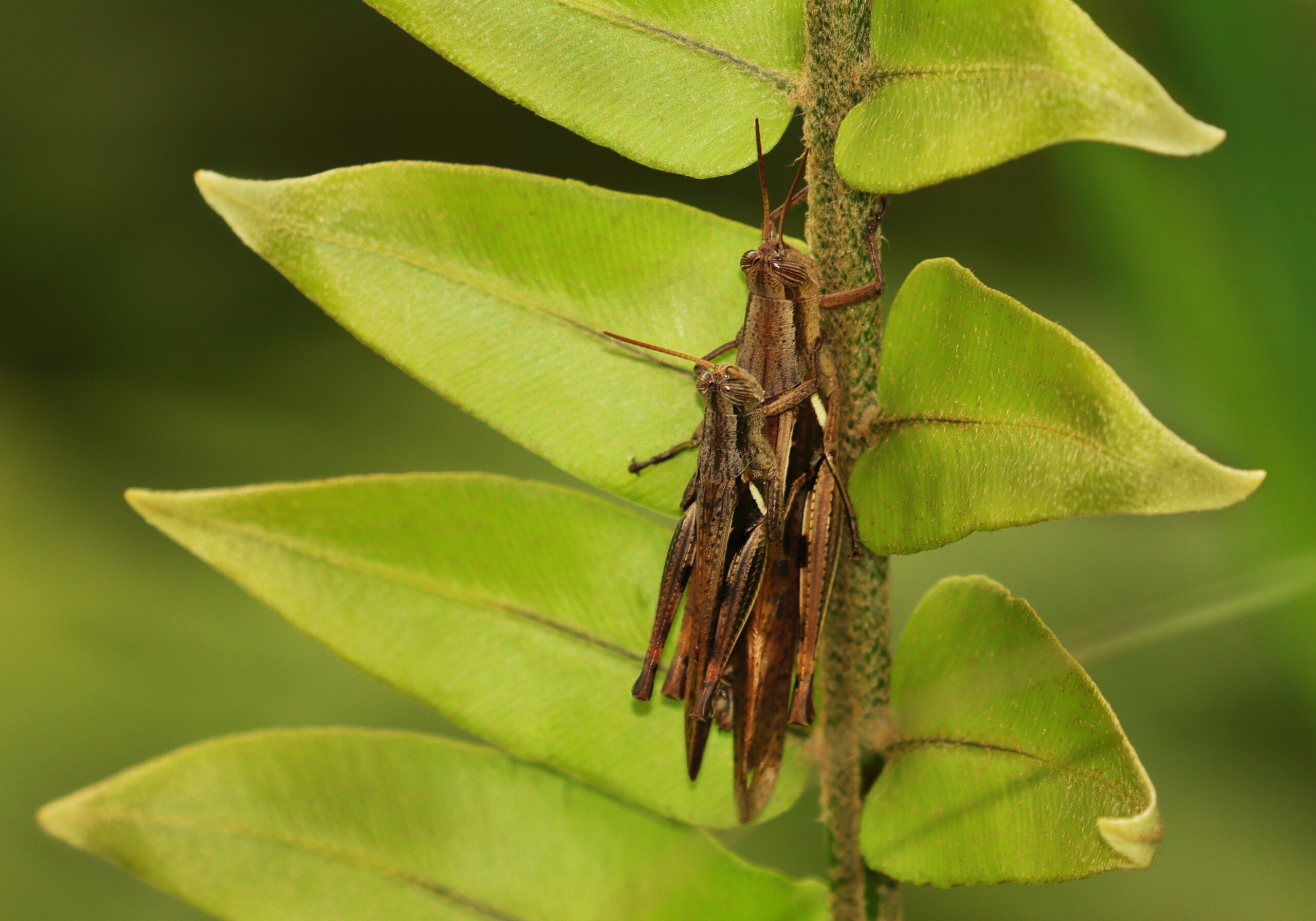
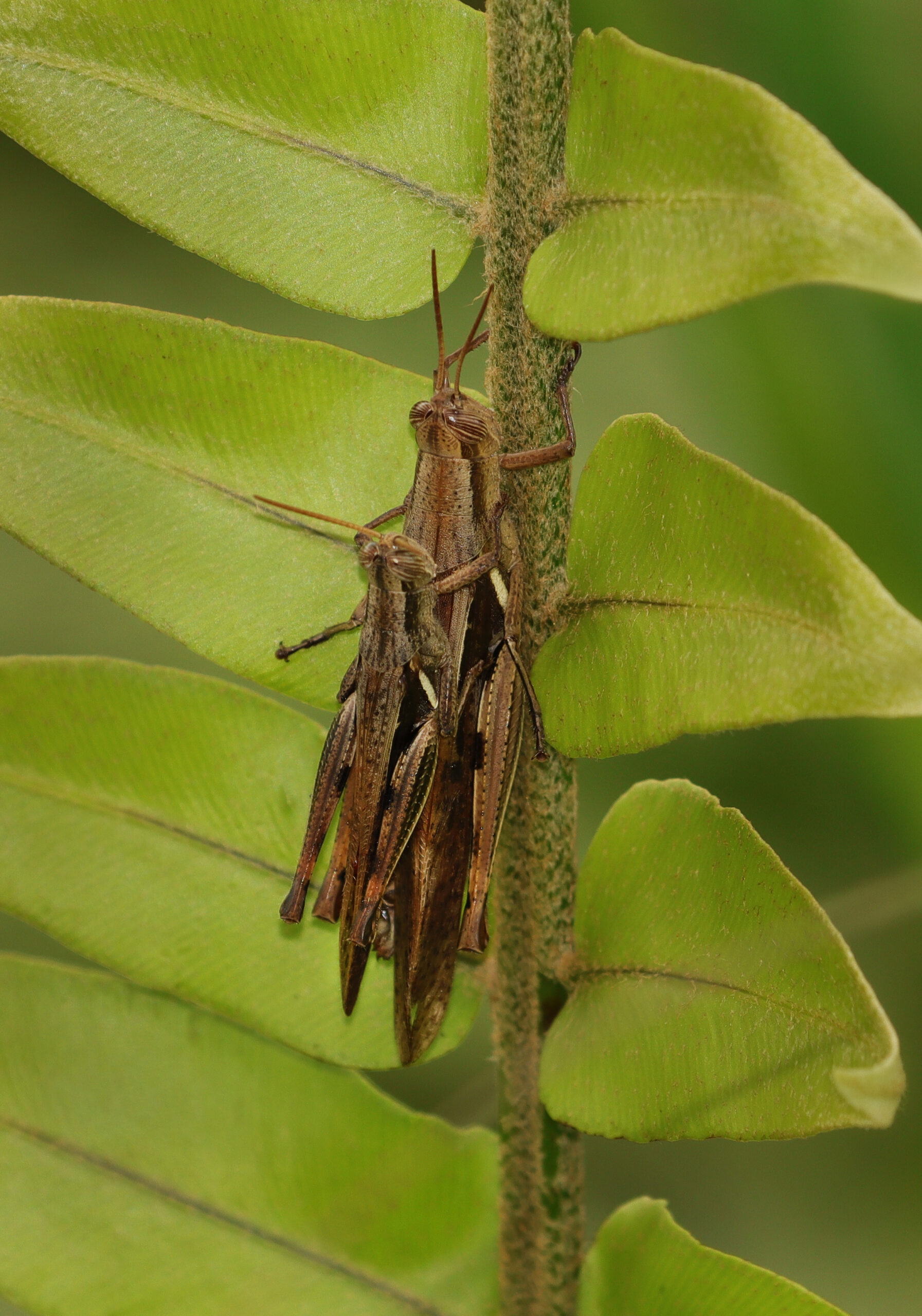
Catantopini is a tribe within the subfamily Catantopinae (Family Acrididae, Order Orthoptera), comprising a diverse assemblage of medium to large-sized short-horned grasshoppers. The tribe is mainly distributed in tropical and subtropical regions of the Old World, particularly in Africa, South and Southeast Asia, and parts of Australasia. Species of Catantopini typically inhabit grasslands, savannas, forest edges, shrublands, and agricultural landscapes.
Members of Catantopini generally have a robust body form with a relatively vertical head and well-developed compound eyes. Antennae are short, as in most acridids, and the pronotum is prominent, often bearing distinct lateral carinae or surface sculpturing. Hind femora are large and muscular, enabling strong jumping ability, while wings are usually fully developed and functional, though reduced-winged species do occur.
Coloration in Catantopini is often cryptic, dominated by shades of brown, green, or gray, providing effective camouflage among vegetation or on the ground. Some species display contrasting patterns or brightly colored hind wings that are revealed during flight or when disturbed, possibly functioning in predator deterrence.
Catantopini undergo hemimetabolous development. Females lay eggs in pods in the soil, and nymphs resemble adults but lack wings and reproductive maturity. Life cycles are often synchronized with seasonal rainfall and vegetation growth, which influence population size and activity.
Ecologically, members of Catantopini are herbivorous, feeding on grasses, herbs, and sometimes shrubs. They generally do not form large migratory swarms and are not considered major agricultural pests, although some species may cause localized damage to crops or pasture. Overall, Catantopini grasshoppers play an important role in terrestrial ecosystems as primary consumers and as a food source for a wide range of predators.