Bali Wildlife
Every Spices Matter


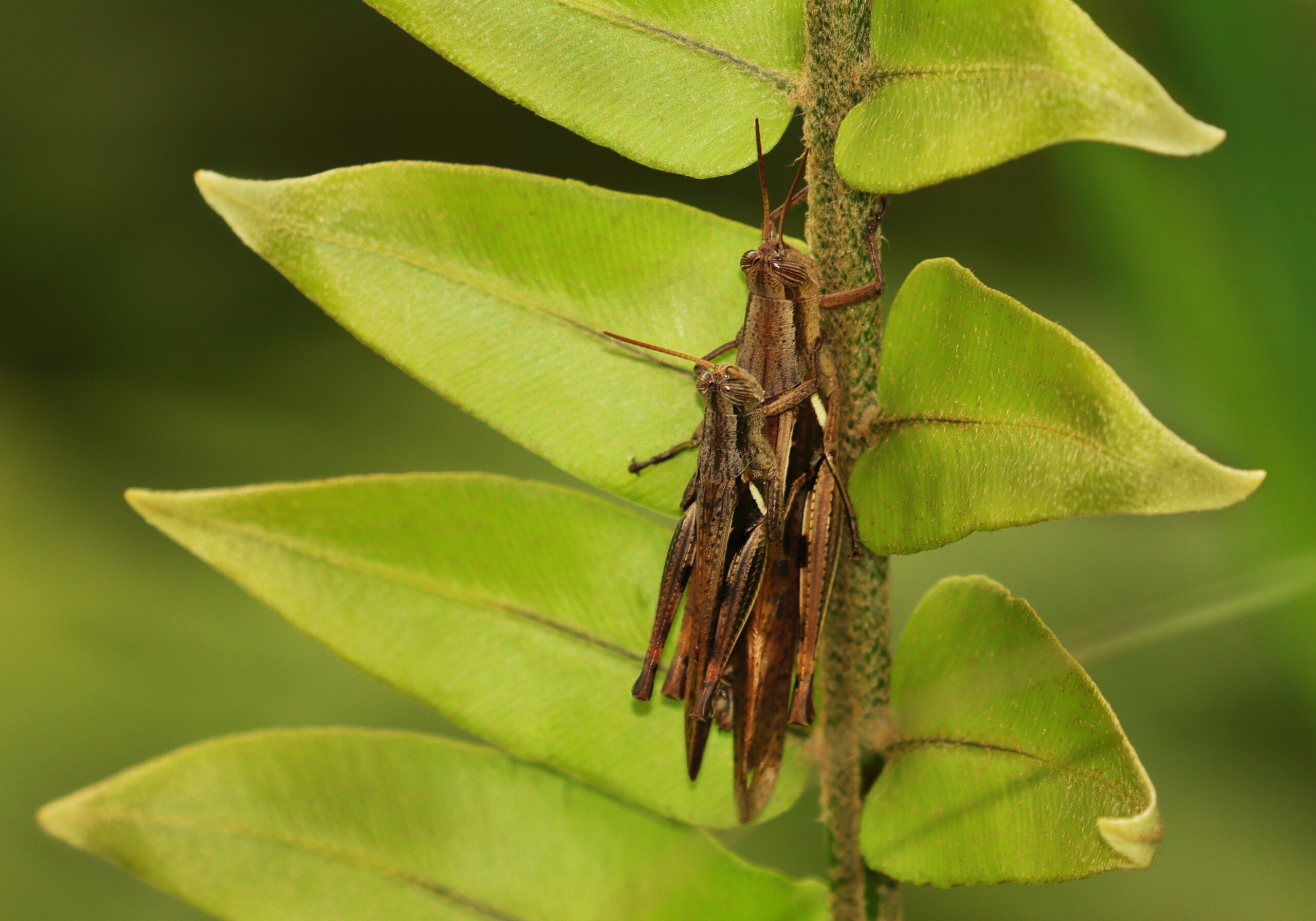
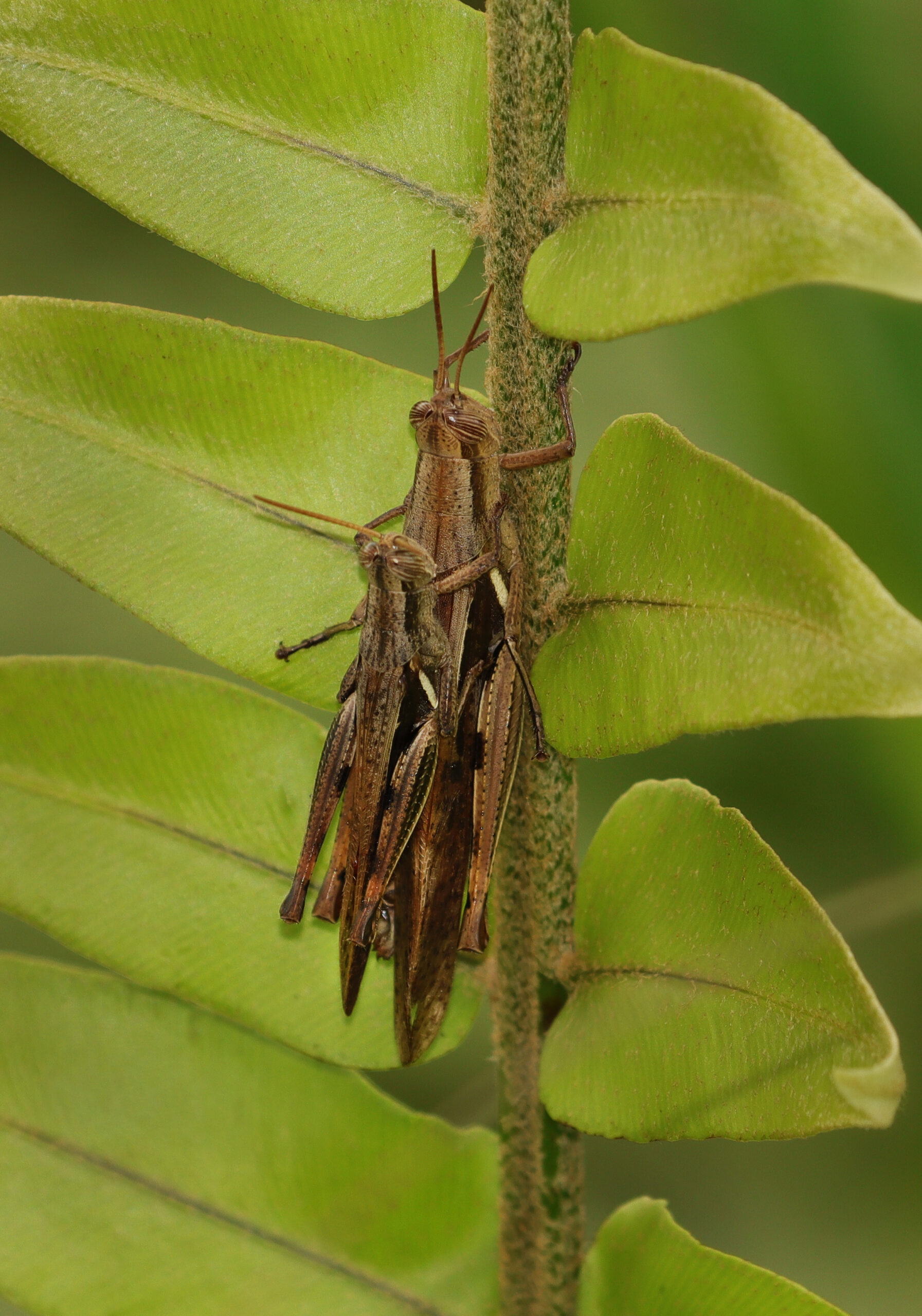
Catantopinae is a large and diverse subfamily within the family Acrididae (Order Orthoptera), comprising a wide variety of short-horned grasshoppers. The subfamily is primarily distributed in tropical and subtropical regions of the Old World, especially in Africa, South and Southeast Asia, and Australasia, with some species extending into temperate areas.
Members of Catantopinae are generally medium to large-sized grasshoppers with a robust and often compact body form. The head is usually vertical or only slightly inclined, with well-developed compound eyes and relatively short antennae. The pronotum is well developed and may be smooth or bear distinct keels or ridges. Hind femora are strong and muscular, adapted for powerful jumping, and wings are usually well developed, although reduced-winged species also occur.
Coloration in Catantopinae is variable but often cryptic, including shades of brown, green, gray, or mottled patterns that blend with soil, leaf litter, or vegetation. Some species exhibit brighter colors on the hind wings or body, which may be revealed during flight or defensive displays.
Like other acridids, Catantopinae undergo hemimetabolous development. Eggs are laid in pods in the soil, and nymphs resemble adults but lack wings and reproductive organs. Development rates are influenced by environmental factors such as temperature, rainfall, and food availability.
Ecologically, Catantopinae are predominantly herbivorous, feeding on a wide range of grasses, herbs, and sometimes shrubs. Most species occur at low to moderate densities and do not form migratory swarms. While a few species may locally affect crops or vegetation, Catantopinae as a whole are mainly important as components of natural ecosystems, where they act as primary consumers and serve as prey for numerous vertebrate and invertebrate predators.