Bali Wildlife
Every Spices Matter


Catantopina is a subtribe within the tribe Catantopini (Subfamily Catantopinae, Family Acrididae, Order Orthoptera), representing a core lineage of robust, short-horned grasshoppers. The subtribe is primarily distributed in tropical and subtropical regions of the Old World, with notable diversity in South and Southeast Asia, as well as parts of Africa and Australasia. Its members are commonly found in grasslands, savannas, forest margins, and cultivated or disturbed habitats.
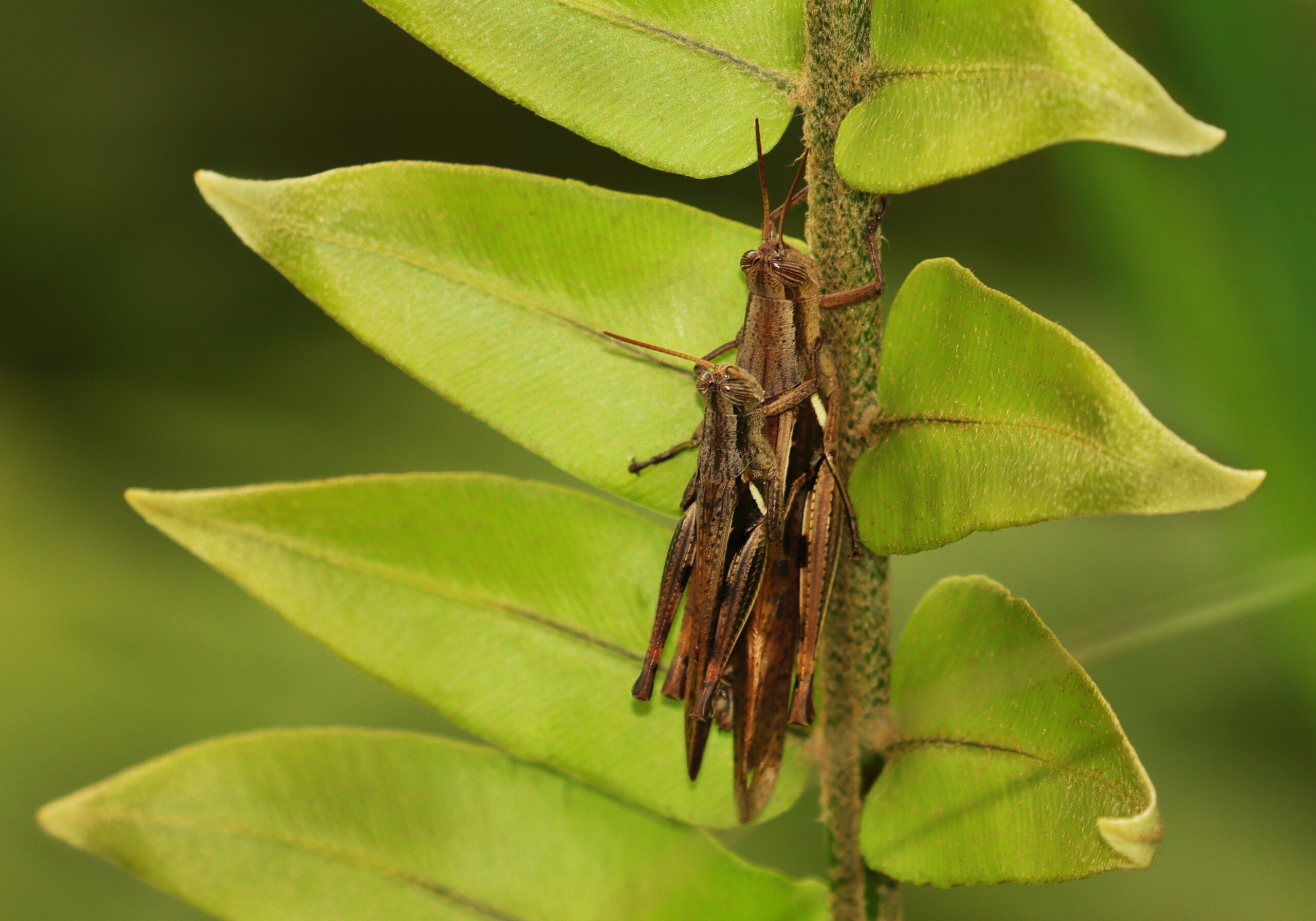
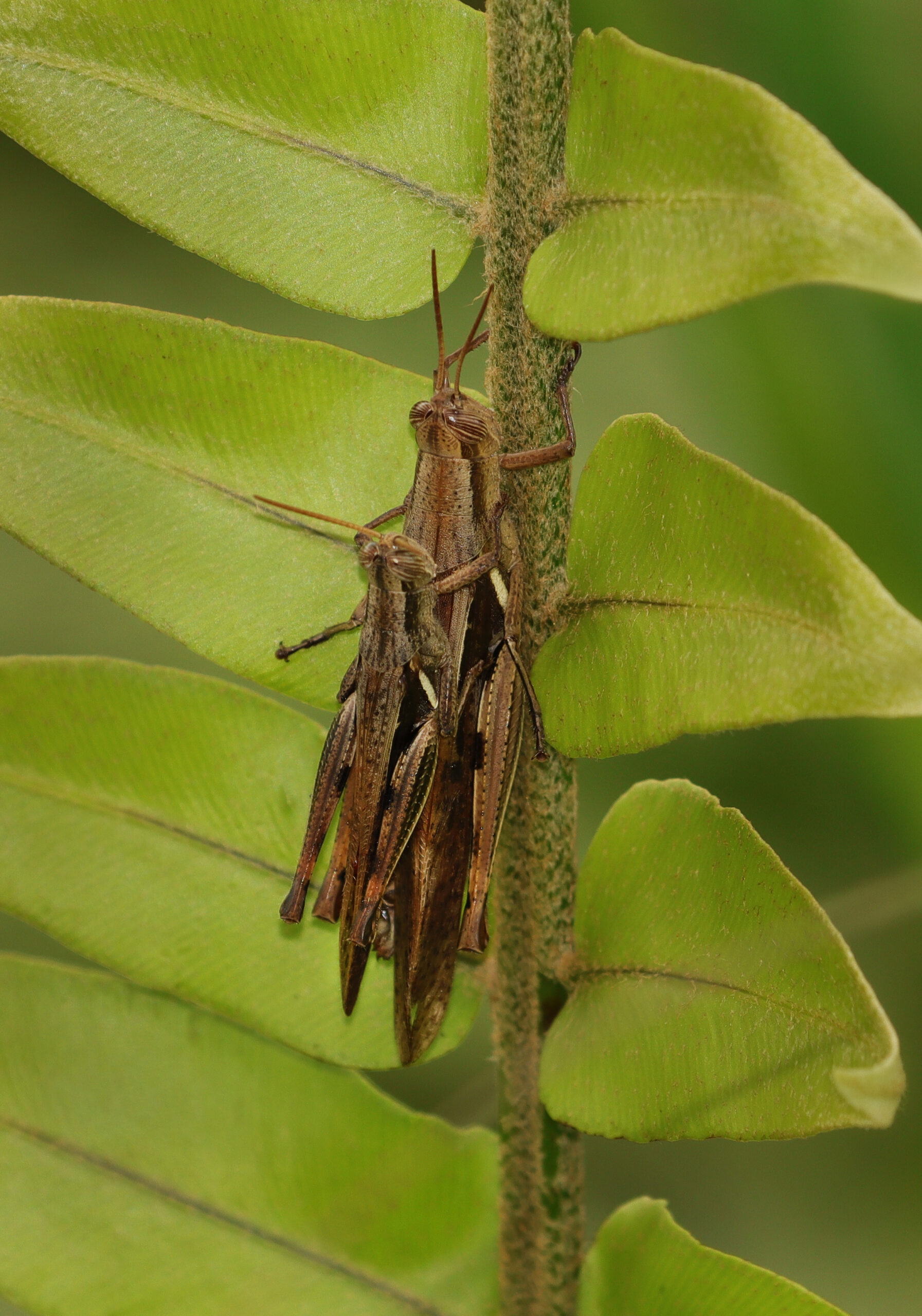
Grasshoppers of the subtribe Catantopina are generally medium to large in size and exhibit a sturdy, compact body form. The head is typically vertical or only slightly inclined, with well-developed compound eyes and relatively short antennae. The pronotum is strong and often distinctly sculptured, bearing clear lateral carinae. Hind femora are powerful and adapted for strong jumping, while wings are usually well developed, allowing for effective flight and dispersal.
Coloration is predominantly cryptic, consisting of browns, greens, or grayish tones that blend with soil and vegetation. Some species may show contrasting markings or colored hind wings that become visible during flight or defensive displays. Sexual dimorphism is usually slight but may be expressed in body size or coloration.
Like other acridids, Catantopina exhibit hemimetabolous development. Eggs are laid in pods in the soil, and nymphs resemble adults in general appearance but lack wings and reproductive organs. Development and population dynamics are influenced by seasonal factors such as rainfall and plant growth.
Ecologically, members of Catantopina are herbivorous, feeding mainly on grasses and other herbaceous plants. They typically occur at low to moderate densities and do not form migratory swarms. Although some species may locally affect crops or pasture, the subtribe as a whole is primarily important as a component of natural ecosystems, where it functions as a primary consumer and as prey for numerous predators.