Bali Wildlife
Every Spices Matter


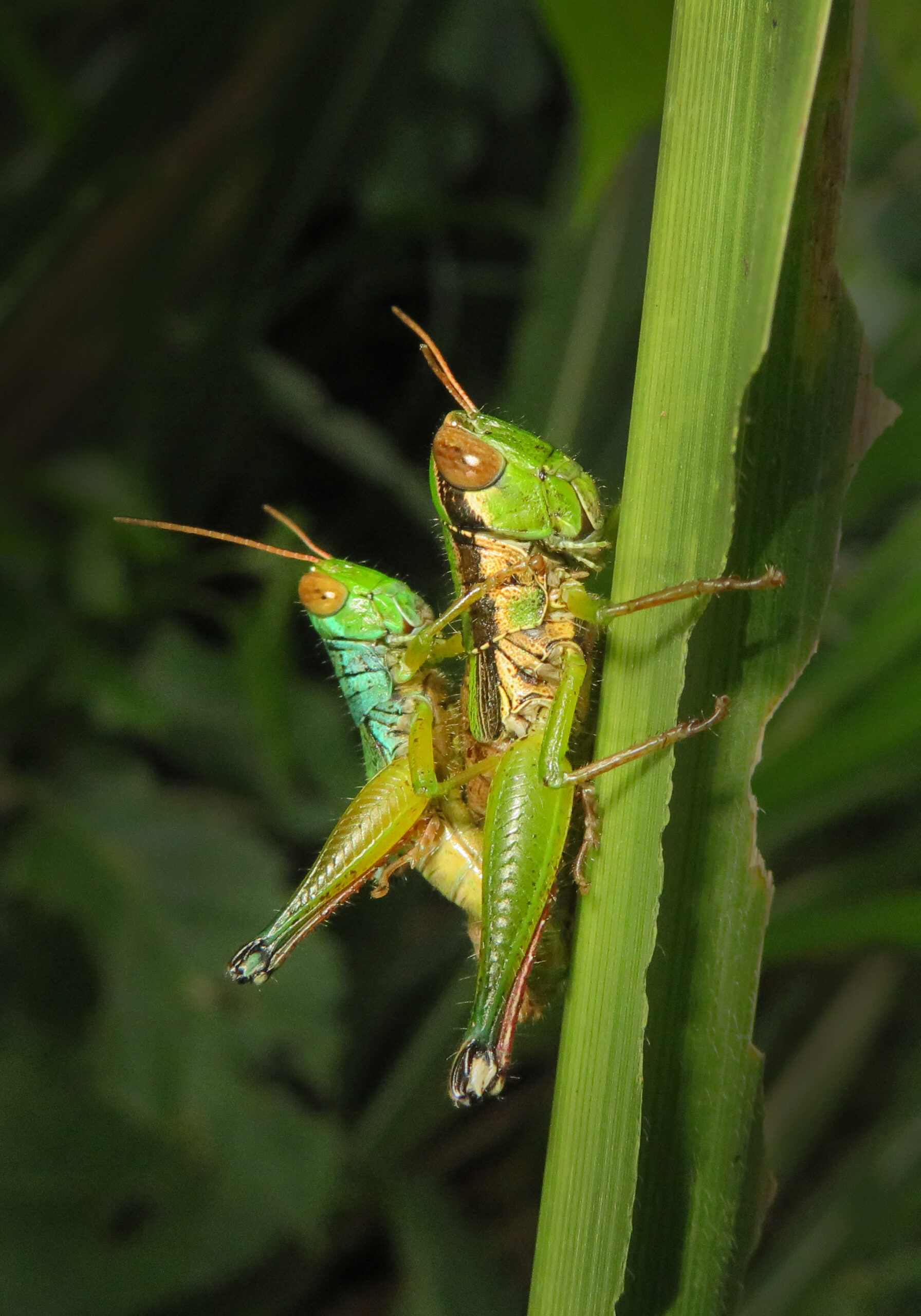
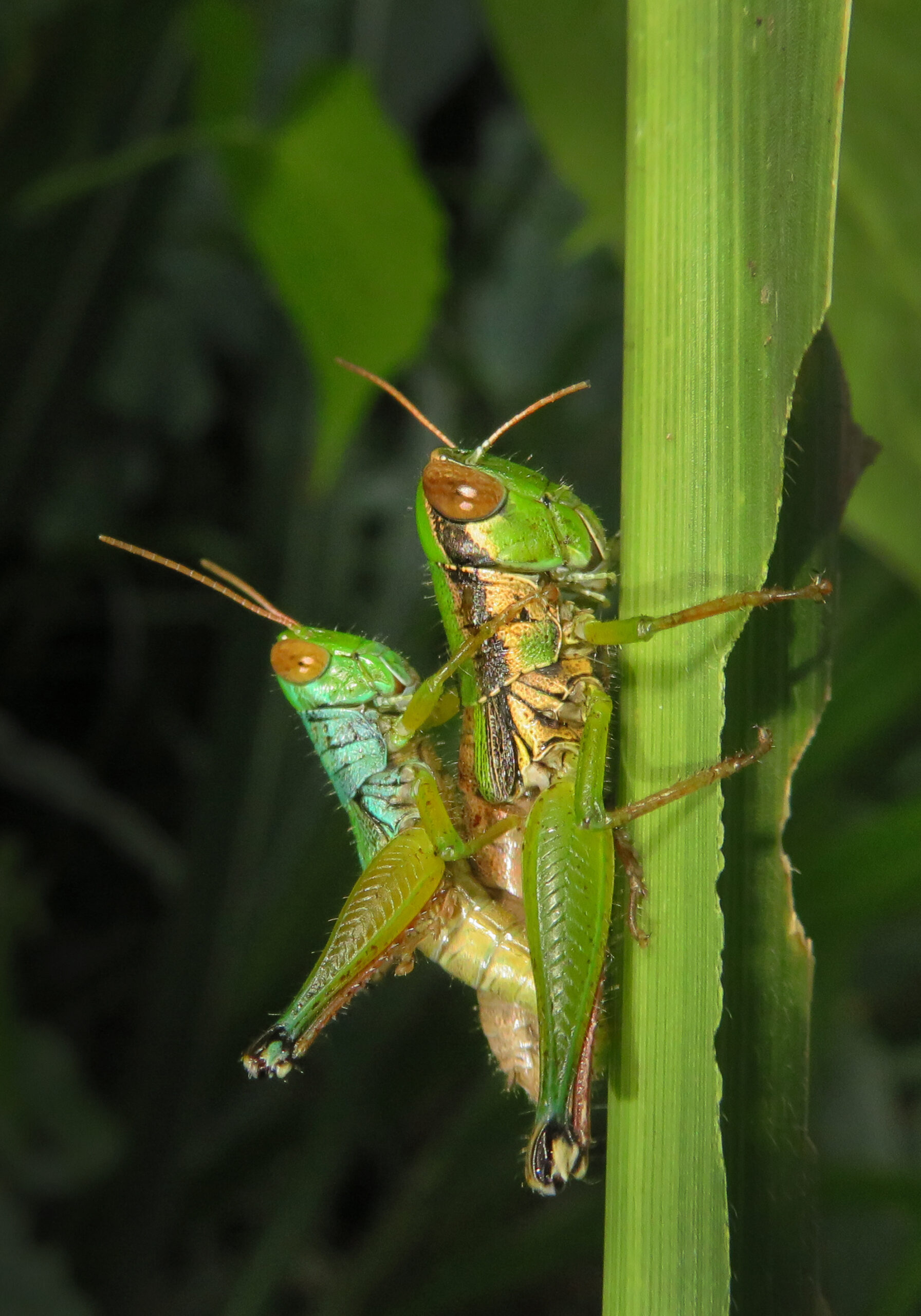
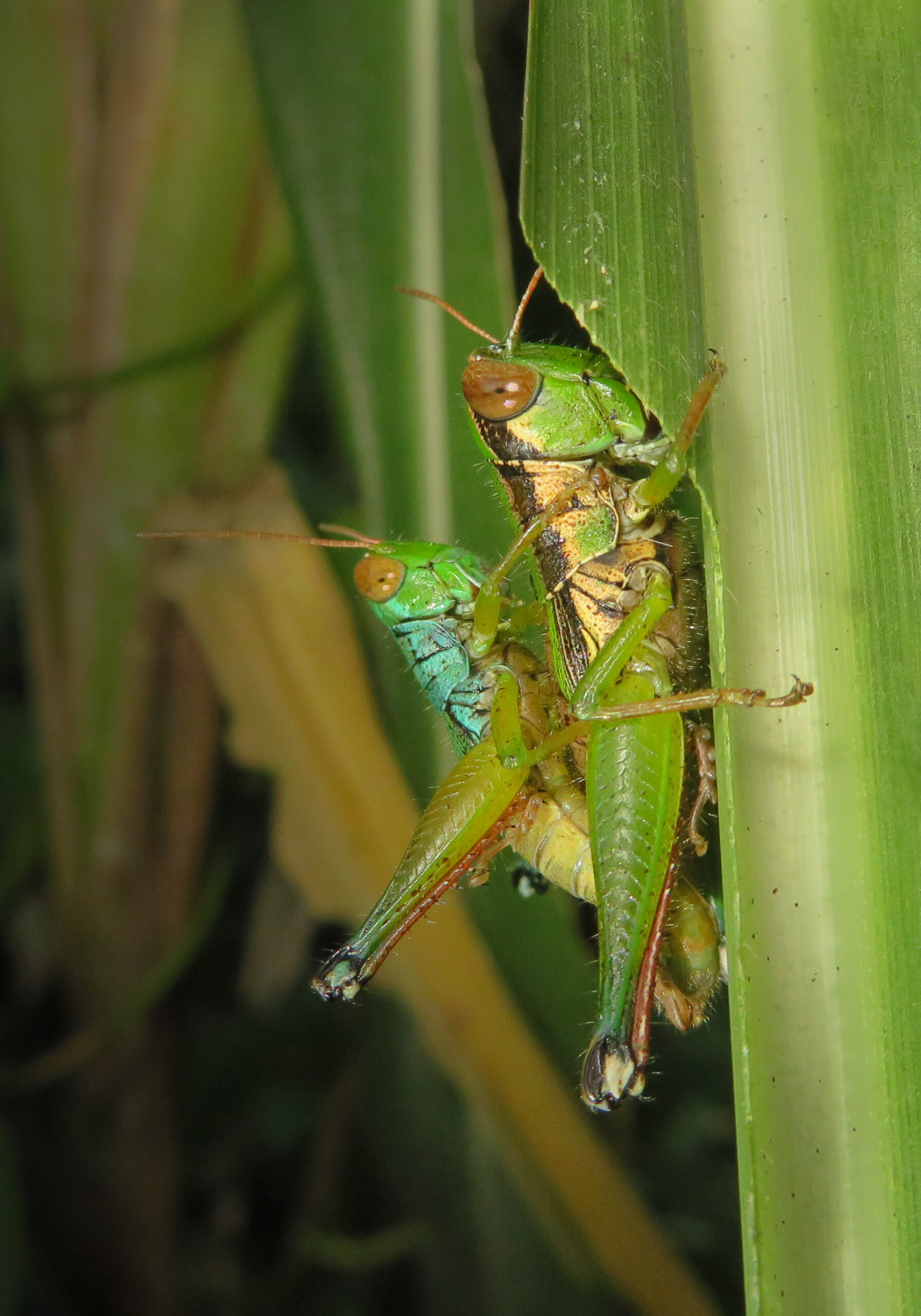
Caryanda is a genus of short-horned grasshoppers within the subfamily Caryandinae (Family Acrididae, Order Orthoptera). The genus is distributed mainly in South and Southeast Asia, with species recorded from regions such as India, southern China, Indochina, and parts of the Indonesian archipelago. Species of Caryanda typically inhabit grasslands, forest edges, shrublands, and open areas with dense herbaceous vegetation.
Members of the genus Caryanda are generally medium-sized grasshoppers with a compact and sturdy body form. They possess relatively short antennae, a well-developed head with prominent compound eyes, and strong hind legs adapted for jumping. The pronotum is moderately developed and may bear subtle ridges or keels. Wings vary among species, ranging from fully developed and functional to reduced, reflecting adaptation to different habitats and degrees of mobility.
Coloration in Caryanda species is usually cryptic, dominated by shades of green, brown, or gray that provide effective camouflage among grasses and low vegetation. Some species may display faint markings on the body or wings, which can assist in species recognition but do not compromise concealment.
Caryanda species undergo hemimetabolous development. Females lay eggs in pods in the soil, and nymphs resemble adults in general appearance, gradually acquiring wings and reproductive maturity through successive molts. Life cycles are often synchronized with seasonal patterns of rainfall and plant growth.
Ecologically, the genus Caryanda consists of herbivorous grasshoppers that feed primarily on grasses and other herbaceous plants. They do not exhibit swarming behavior and are not known as serious agricultural pests. Instead, Caryanda species are typical components of local grasshopper communities, contributing to ecosystem functioning as primary consumers and serving as prey for a variety of predators in terrestrial food webs.