Bali Wildlife
Every Spices Matter


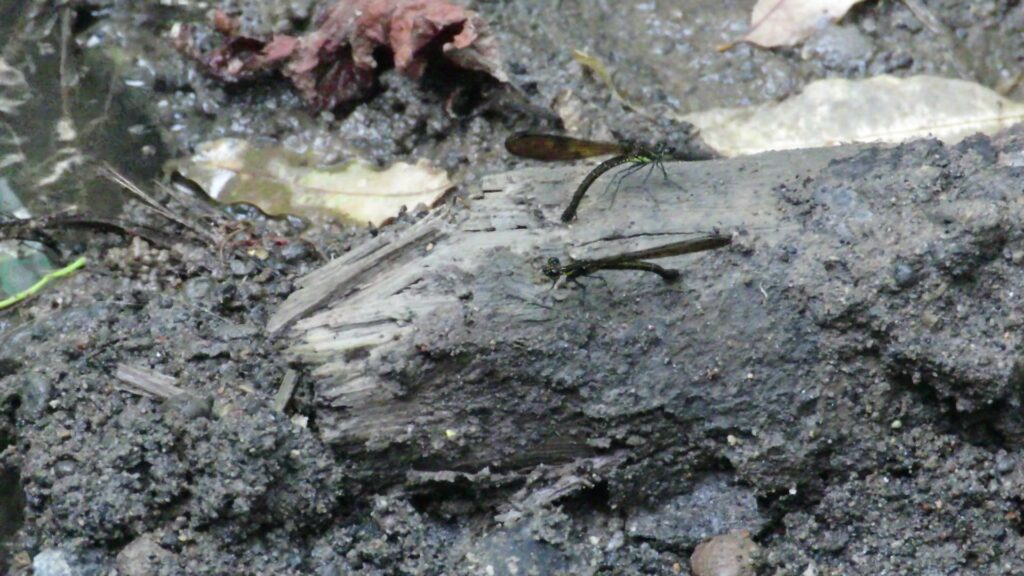
Calopterygoidea is a superfamily of damselflies within the suborder Zygoptera (Order Odonata), comprising several families of generally medium to large-sized damselflies. Members of this superfamily are distributed worldwide, with the greatest diversity occurring in tropical and subtropical regions. They are primarily associated with clean freshwater habitats such as forest streams, rivers, springs, and shaded creeks, where both adults and larvae depend on well-preserved aquatic ecosystems.
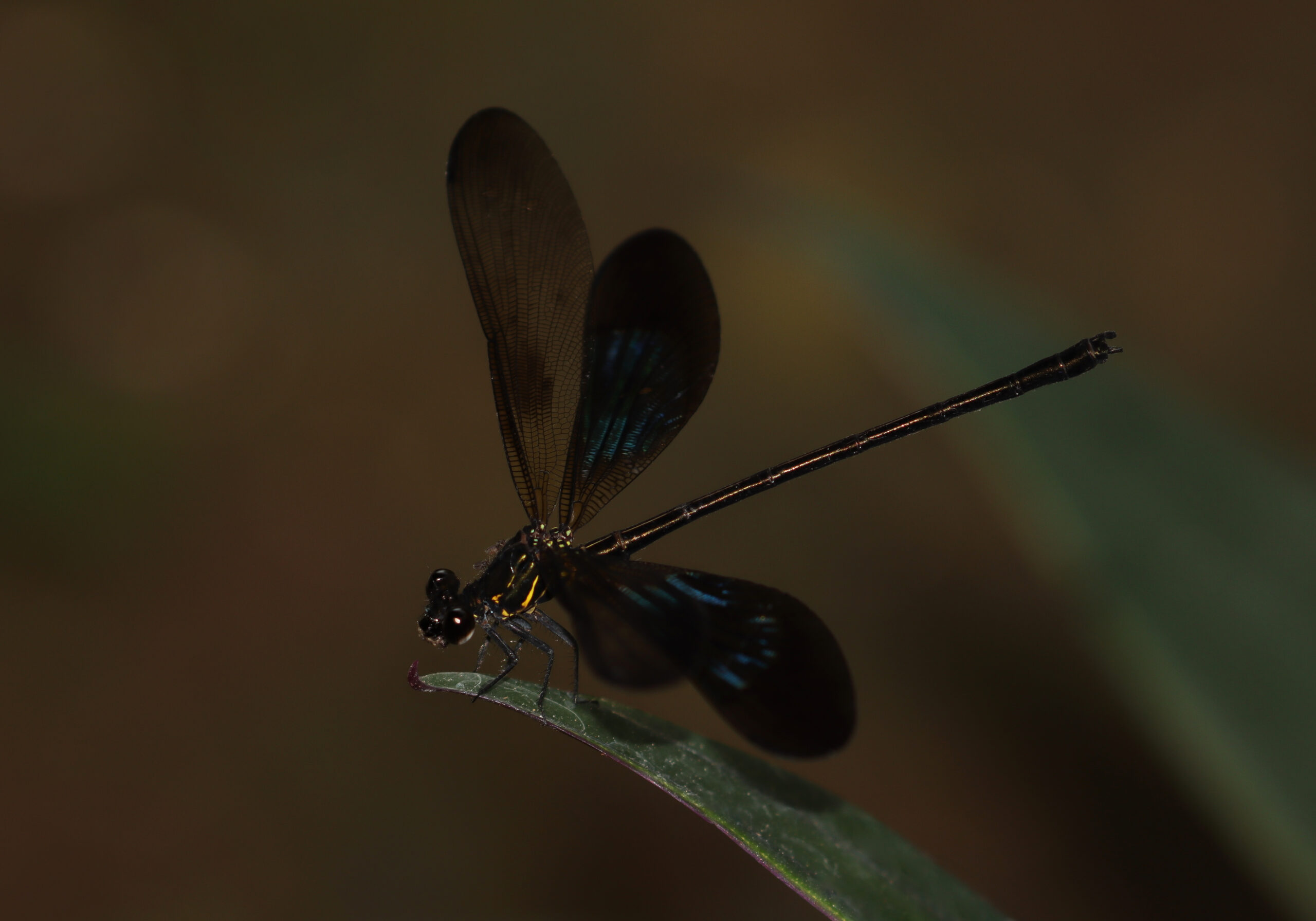
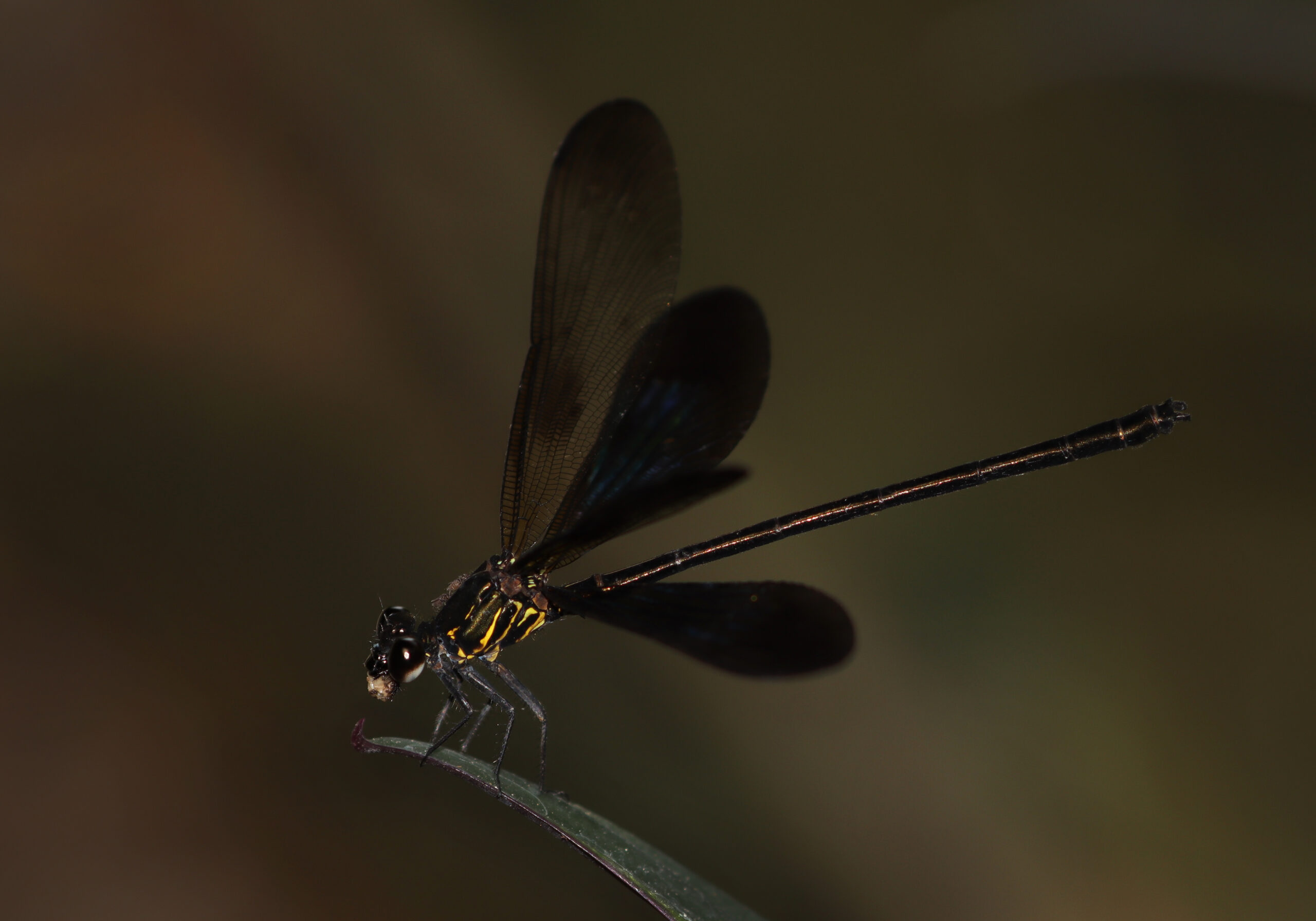
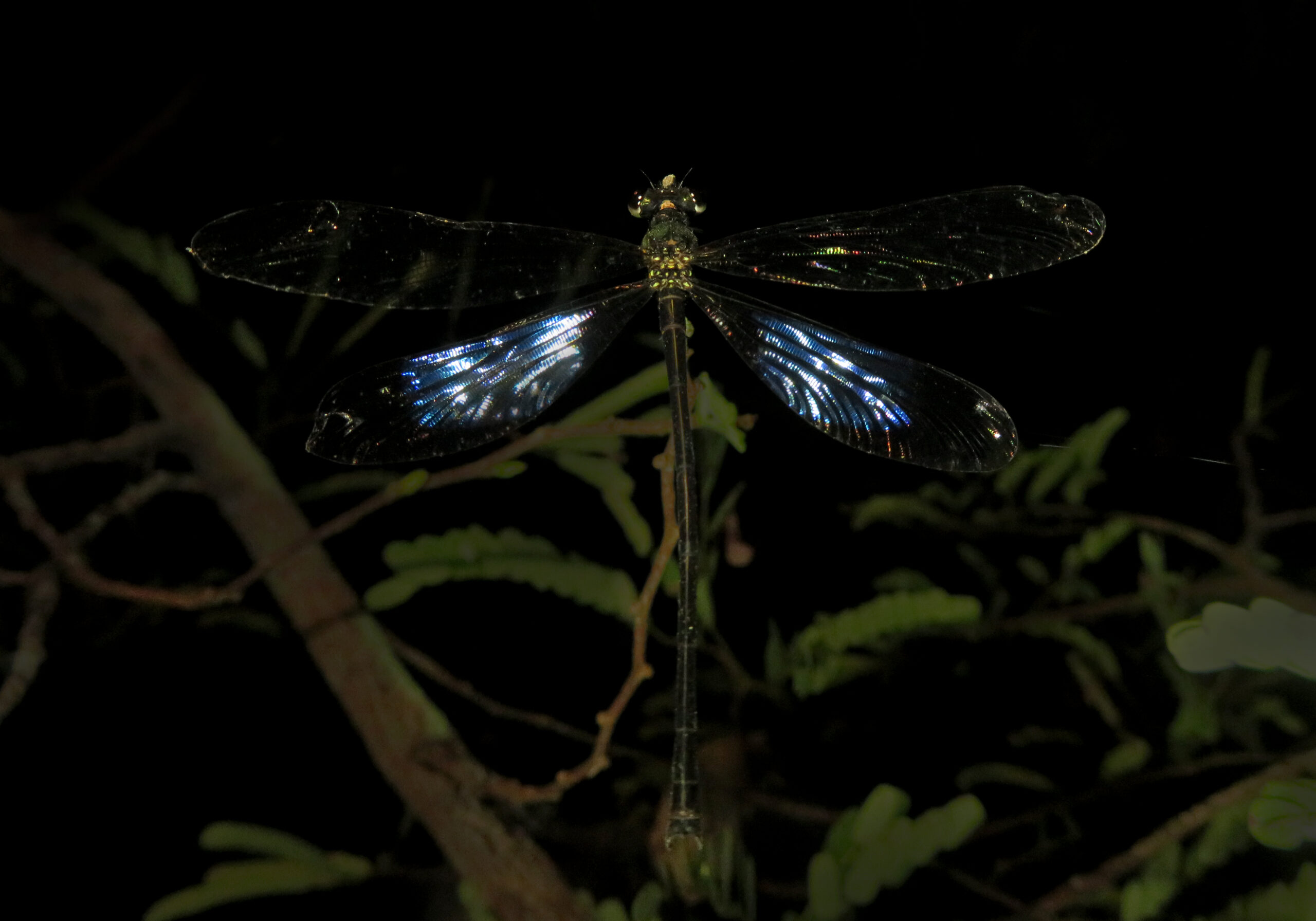
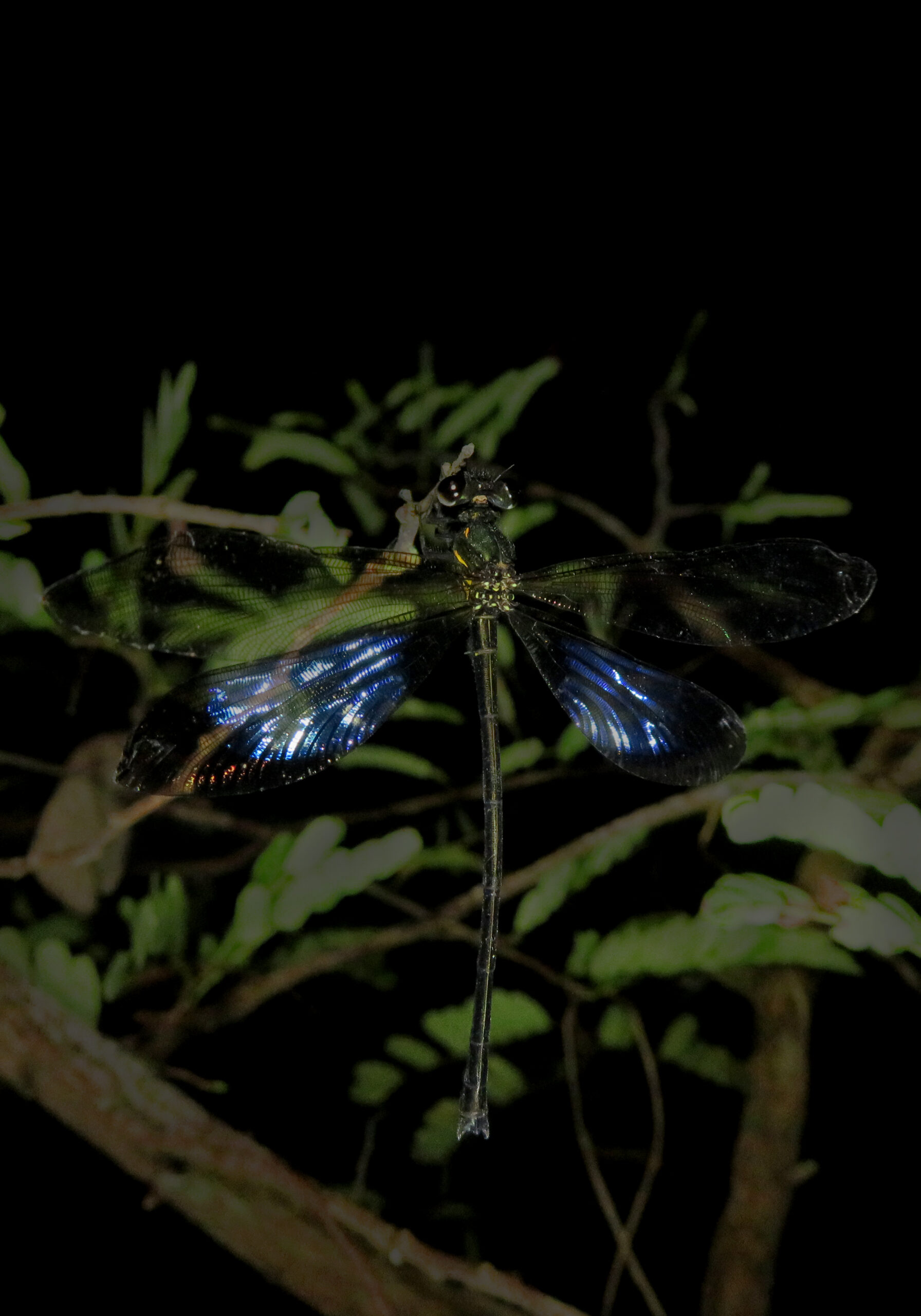
Damselflies of the superfamily Calopterygoidea are generally characterized by their slender body, broad membranous wings, and graceful flight. Many species possess brightly colored or metallic bodies in shades of blue, green, bronze, or copper. In numerous species, particularly males, the wings are partially or completely pigmented with blue, green, black, amber, or reddish coloration, making them among the most visually striking damselflies.
The head bears large compound eyes that are widely separated, providing excellent vision for detecting prey, predators, and potential mates. Adults are diurnal predators that capture small flying insects such as mosquitoes, flies, and midges while in flight or from perches along streams.
The life cycle involves incomplete metamorphosis, consisting of egg, aquatic nymph (naiad), and adult stages. Females usually deposit eggs into submerged or emergent aquatic vegetation. The nymphs are aquatic predators equipped with an extendable labium used to seize prey and three leaf-like external caudal gills that facilitate respiration. Development may last from several months to more than a year, depending on the species and environmental conditions.
The superfamily includes several families, such as Calopterygidae (jewel damselflies), Chlorocyphidae (jewel damselflies of Asia and Africa), Euphaeidae (gossamerwings), and related groups. Many species exhibit elaborate courtship displays and territorial behavior, especially along streams where males defend breeding sites.
Ecologically, Calopterygoidea damselflies are important predators in both aquatic and terrestrial ecosystems. Their larvae help regulate populations of aquatic invertebrates, while adults reduce numbers of flying insects. They also serve as prey for fish, amphibians, birds, spiders, and larger insects. Because most species require clean, well-oxygenated freshwater habitats, they are widely recognized as valuable indicators of stream health, habitat quality, and freshwater biodiversity.