

True Crabs (Infraorder Brachyura)
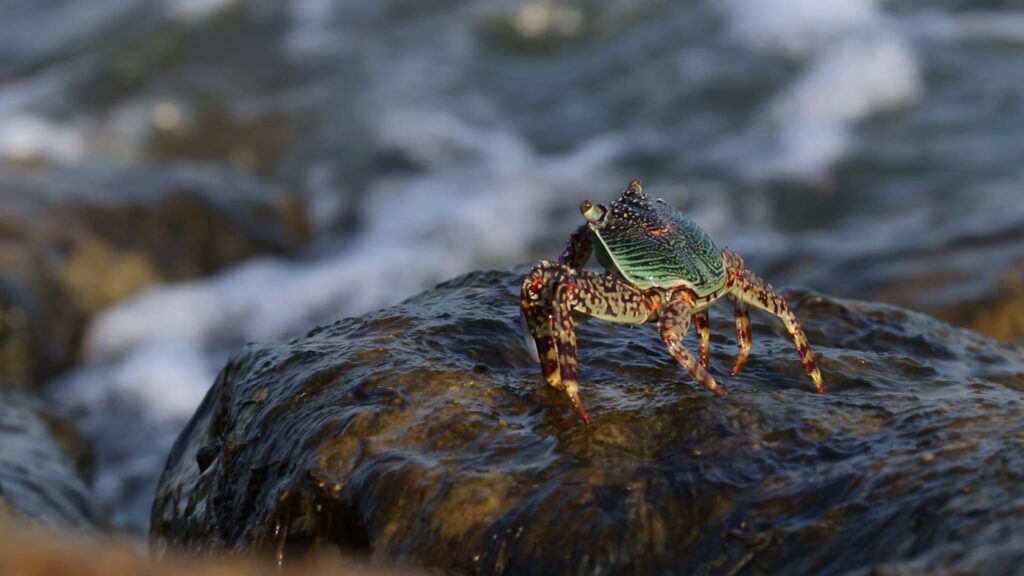
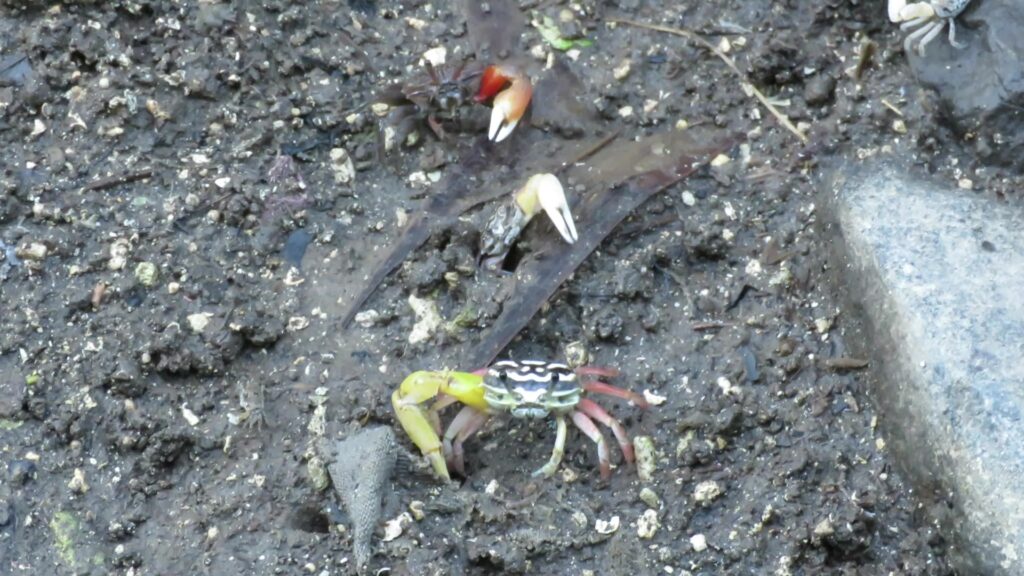
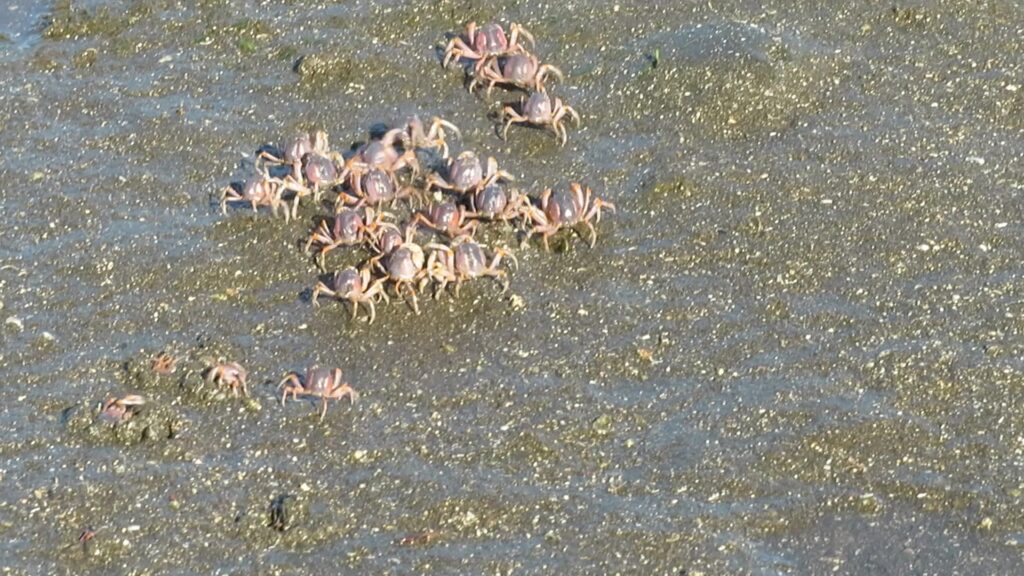
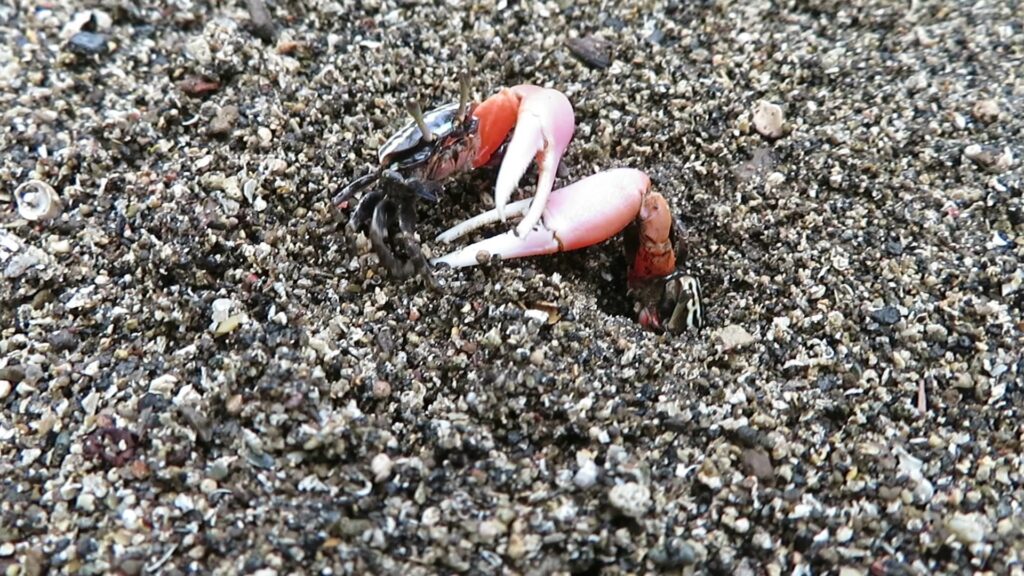
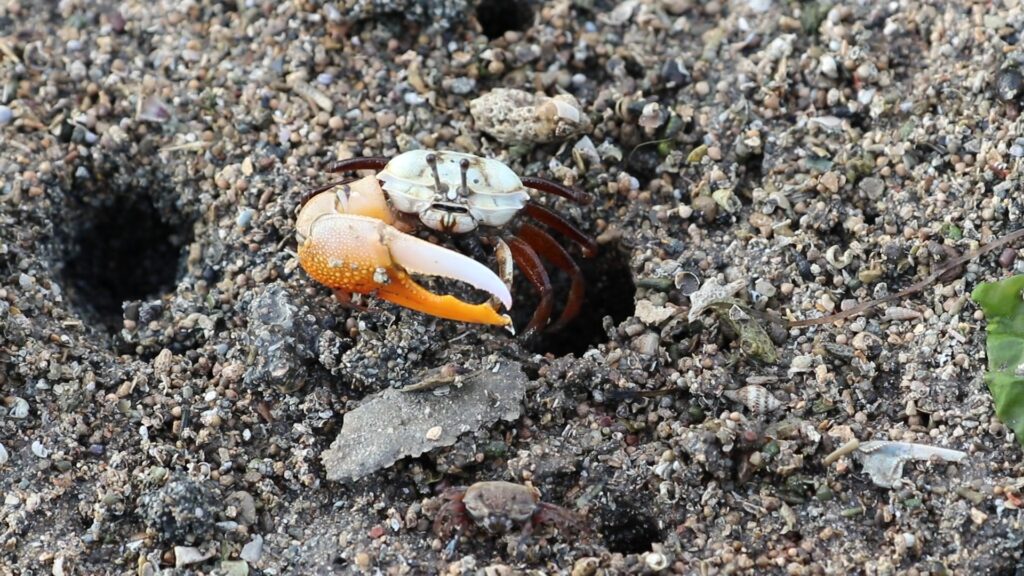
The infraorder Brachyura is a diverse group of decapod crustaceans commonly known as true crabs. It belongs to the suborder Pleocyemata, order Decapoda, class Malacostraca, and subphylum Crustacea. True crabs are characterized by their compact bodies, broad cephalothorax, reduced abdomen, and typically short, symmetrical tail region folded beneath the body. They inhabit marine, freshwater, and terrestrial environments and represent one of the most successful and ecologically diverse groups of crustaceans.
The most distinctive feature of brachyurans is their broad, usually flattened carapace, which covers the cephalothorax and protects the internal organs and gills. The carapace varies greatly in shape, ranging from nearly circular and oval to square, triangular, or irregularly sculptured forms. Its surface may be smooth, granular, ridged, or covered with spines and tubercles. These variations often reflect adaptations to particular habitats and lifestyles and can help distinguish different families, genera, and species.
The abdomen of a true crab is relatively small compared with that of shrimp and lobsters. It is folded beneath the cephalothorax, a characteristic arrangement that gives brachyurans their compact body shape. In adult males, the abdomen is commonly narrow and triangular, while in females it is generally broader and rounded to accommodate and protect eggs. This difference is an important feature for distinguishing the sexes in many species. The body is supported by a chitinous exoskeleton that is often strengthened with calcium carbonate.
Brachyurans typically possess five pairs of thoracic appendages, with the first pair modified into claws, or chelae, and the remaining four pairs used mainly for walking. The claws vary considerably in size and shape and may be adapted for crushing hard-shelled prey, cutting food, defense, courtship, or competition. Some species have one claw that is much larger than the other, while others possess relatively similar claws. Certain swimming crabs have flattened, paddle-like hind legs that help them move efficiently through the water. Most species walk sideways because of the arrangement and movement of their legs, although some can move in other directions.
True crabs are distributed throughout the world’s oceans and occur in an exceptional variety of habitats. Marine species inhabit coral reefs, rocky shores, sandy beaches, muddy seabeds, seagrass meadows, and deep-sea environments. Estuarine and mangrove crabs tolerate fluctuating salinity and are particularly important in coastal ecosystems. Freshwater crabs occur in rivers, streams, lakes, and wetlands, especially in tropical regions. Some species have become highly adapted to terrestrial life and live in forests, coastal vegetation, or burrows, although many terrestrial crabs still depend on water or moist conditions for reproduction and respiration.
Feeding behavior among Brachyura is highly diverse. Many species are omnivorous, consuming algae, plant material, detritus, mollusks, worms, and other small animals. Others are active predators, scavengers, or specialized consumers of particular food sources. Their claws and mouthparts allow them to manipulate, tear, scrape, or crush food. By feeding on dead organisms and organic debris, many crabs contribute to decomposition and nutrient cycling. Some species also regulate populations of invertebrates and influence the structure of coastal and marine communities.
Respiration generally occurs through gills located within chambers beneath the carapace. Water circulates through these chambers, supplying oxygen to the gill surfaces. In species that spend considerable time on land, adaptations help maintain gas exchange while limiting water loss. However, the extent of terrestrial adaptation varies greatly, and many crabs must periodically return to water or remain in humid microhabitats. Their compound eyes, often positioned on movable stalks, provide a broad field of vision, while their antennae and other sensory structures detect chemical cues, touch, and environmental changes.
Reproduction in Brachyura usually involves separate male and female individuals. Courtship may include visual displays, chemical signals, claw movements, and physical interactions. After mating, females of many species carry fertilized eggs attached to specialized abdominal appendages beneath the body. The eggs are commonly described as a brood or egg mass. Many marine crabs release larvae into the water, where they pass through zoeal stages and often a megalopa stage before developing into juvenile crabs. Freshwater and terrestrial species may have more direct development, producing relatively advanced young that are better suited to their specialized habitats.
Brachyurans perform essential ecological functions. In mangrove forests, fiddler crabs and other burrowing species mix sediments, process leaf litter, and influence nutrient availability. On rocky shores, predatory crabs can regulate populations of mussels, snails, and other invertebrates. In coral reefs and seagrass beds, crabs participate in food webs as both predators and prey. They also provide food for fish, seabirds, marine mammals, reptiles, and humans. Changes in crab abundance can therefore affect the structure and functioning of many ecosystems.
The infraorder is economically important because numerous brachyuran species support commercial fisheries, aquaculture, and small-scale coastal harvesting. Edible species include mud crabs, swimming crabs, snow crabs, king crabs, and many other commercially traded forms. Some species are also used in scientific research or serve as indicators of environmental conditions. However, crab populations can be affected by overharvesting, coastal development, pollution, habitat destruction, invasive species, and climate change. Protecting mangroves, estuaries, wetlands, and other nursery habitats is especially important for maintaining healthy populations.
In summary, Brachyura represents the true crabs, a highly diverse infraorder of crustaceans distinguished by a broad cephalothorax and a reduced abdomen folded beneath the body. Their specialized claws, varied feeding habits, and adaptations to marine, freshwater, and terrestrial environments have enabled them to occupy a wide range of ecological niches. Through their contributions to nutrient cycling, food webs, fisheries, and coastal ecosystems, brachyurans are among the most ecologically and economically significant crustaceans in the world.