Bali Wildlife
Every Spices Matter


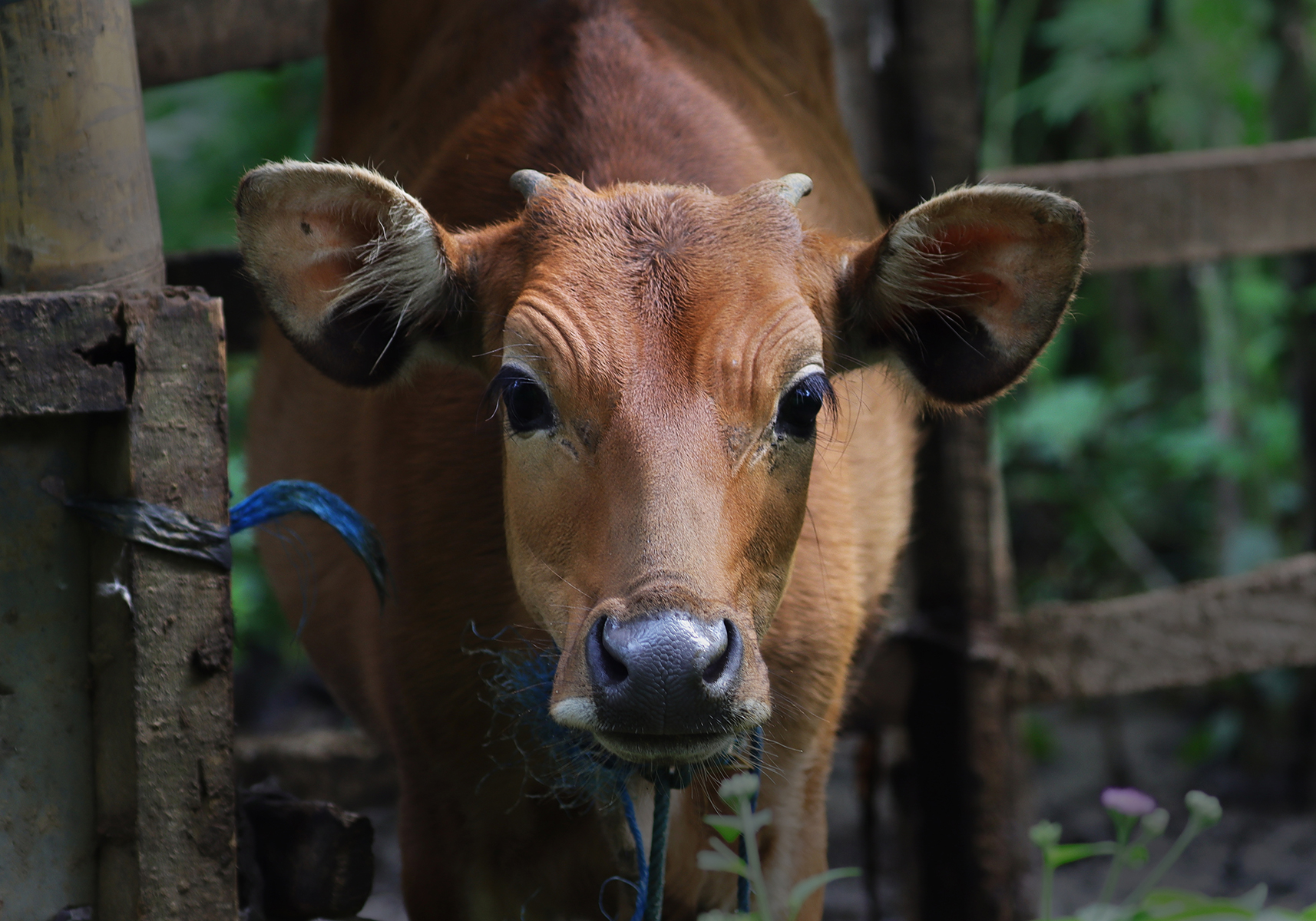
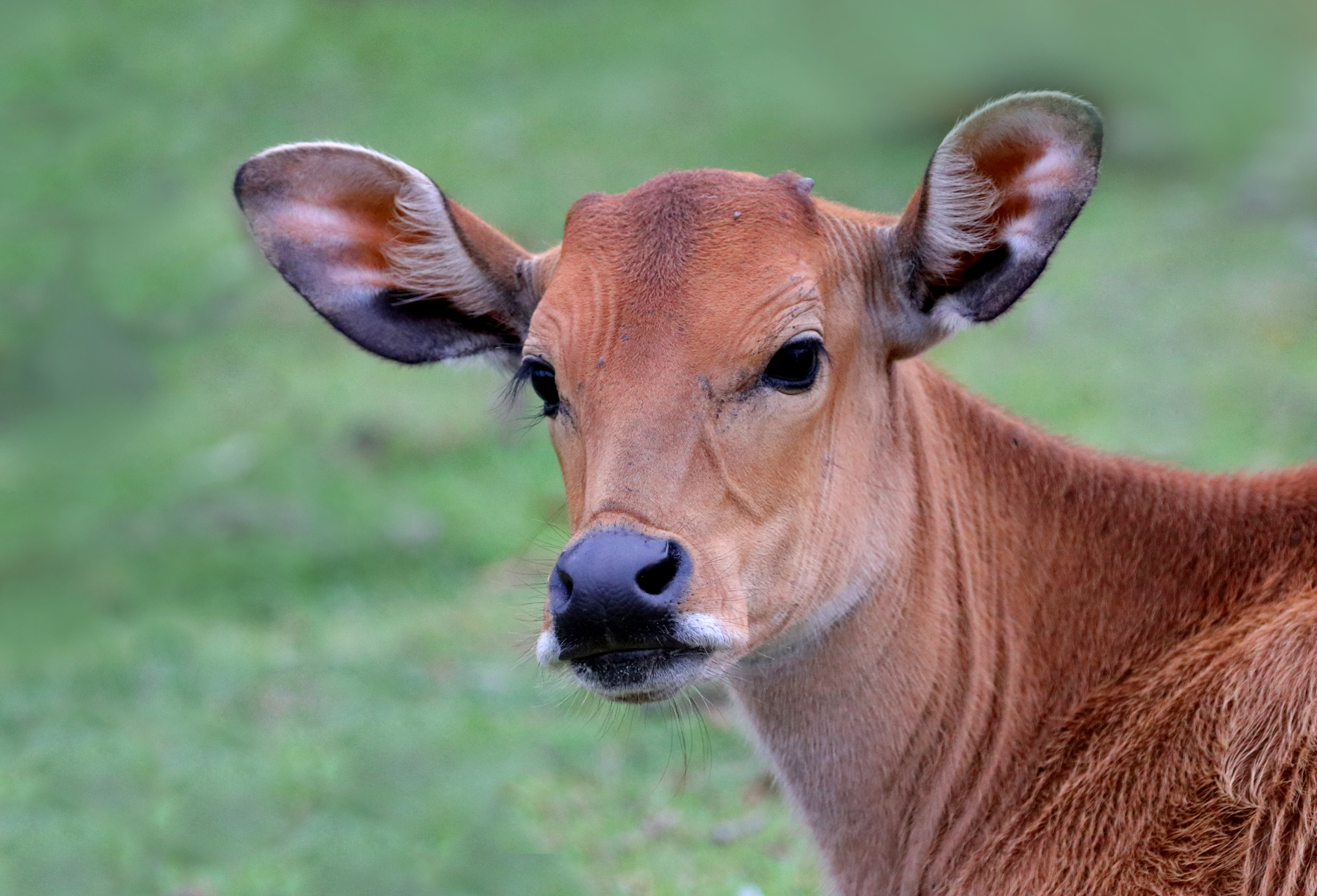
Bovini is a tribe within the subfamily Bovinae (family Bovidae, order Artiodactyla). It comprises large-bodied bovines such as cattle, bison, buffalo, and yaks. Members of Bovini are among the most massive terrestrial ruminants and have significant ecological and economic importance.
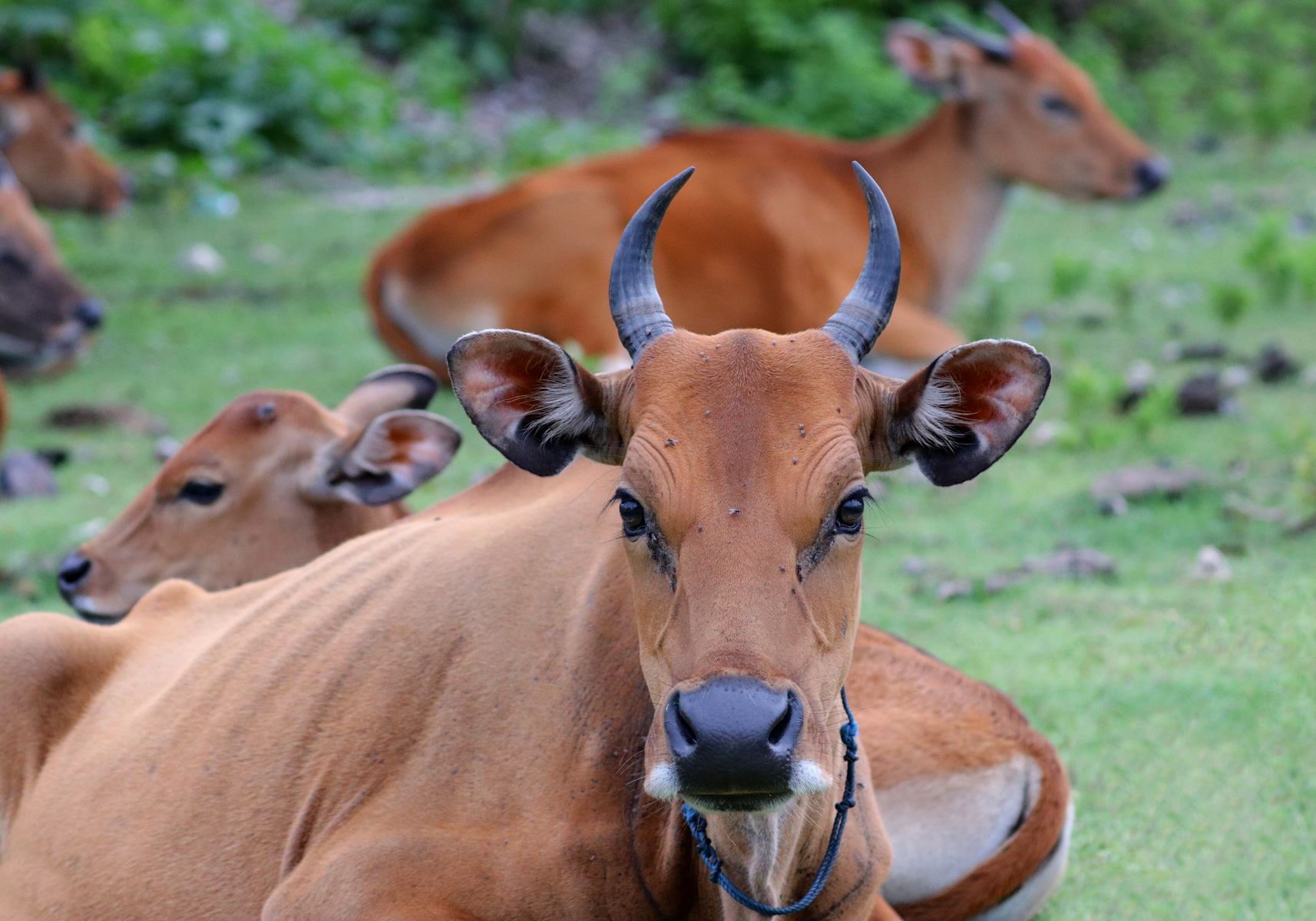
Bovini species are characterized by robust bodies, strong limbs, cloven hooves, and well-developed permanent horns supported by a bony core. The horns are typically present in both sexes, though they are often larger and thicker in males. Unlike deer antlers, these horns are not shed annually.
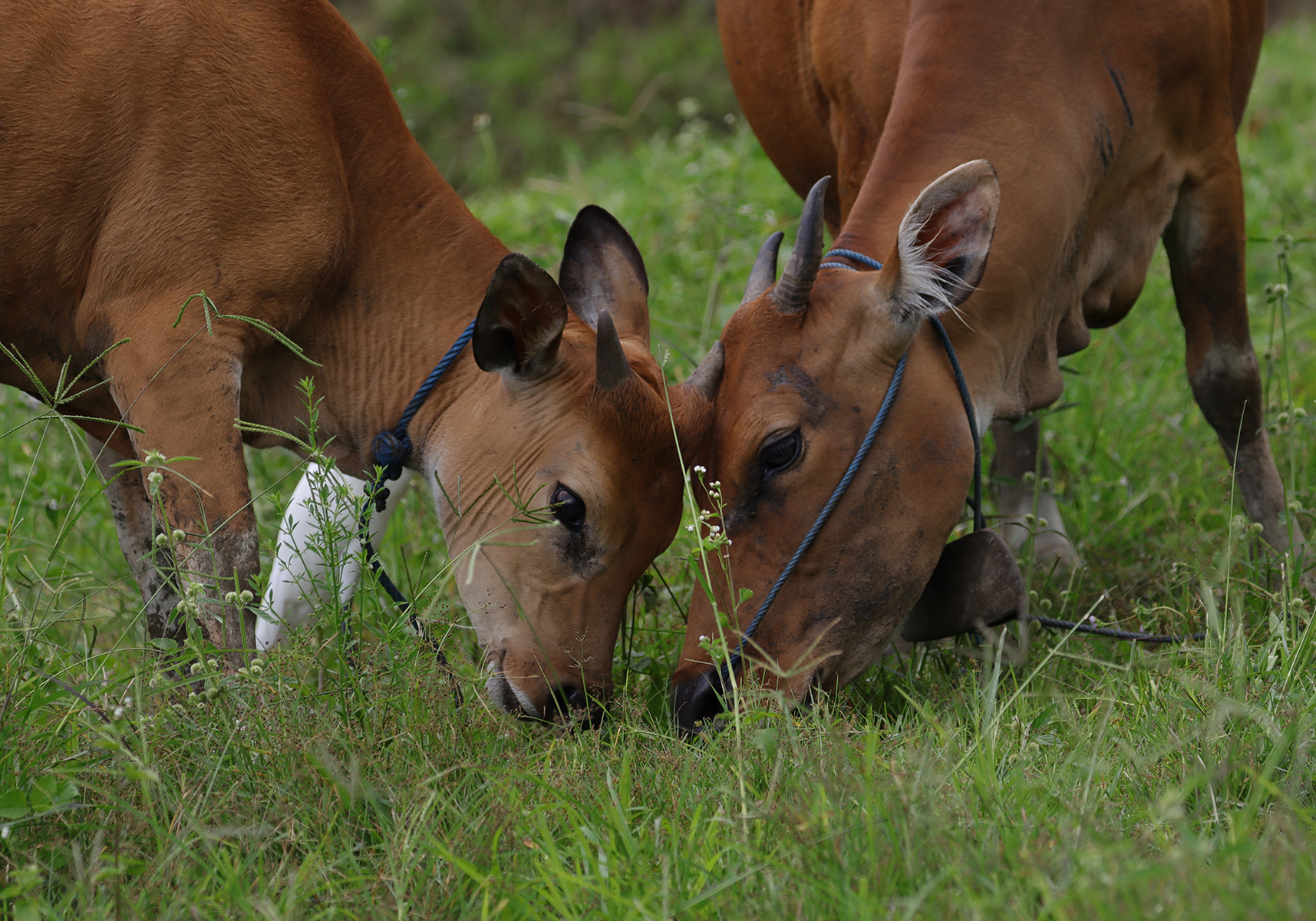
As ruminants, members of Bovini possess a four-chambered stomach that allows efficient fermentation and digestion of fibrous plant material. They are primarily grazers, feeding mainly on grasses, and are well adapted to open habitats such as grasslands, savannas, floodplains, and steppe regions.
The tribe includes several important genera, such as:
Many Bovini species have been domesticated and play a central role in agriculture worldwide, providing meat, milk, hides, traction power, and cultural value.