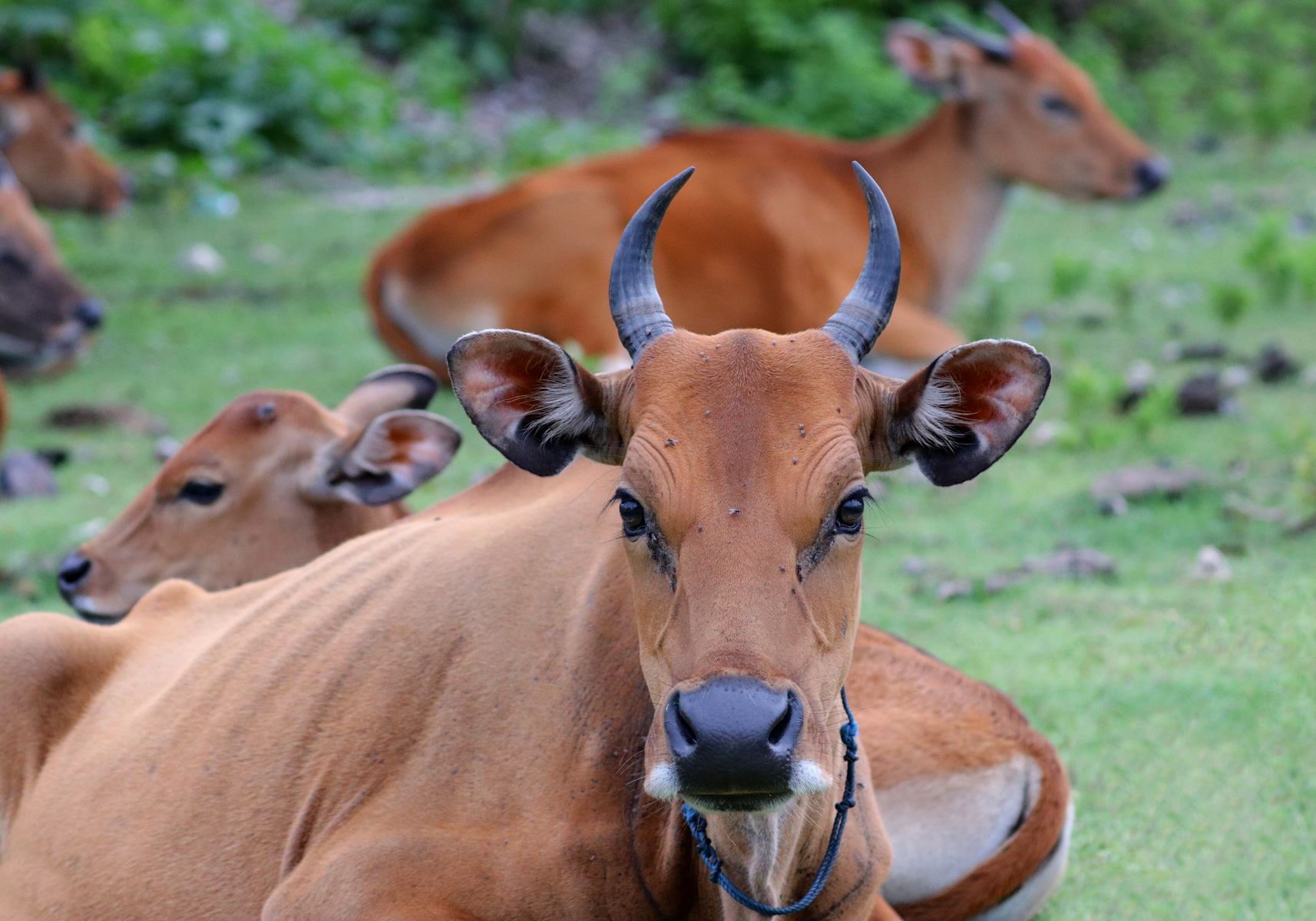
Bali Wildlife
Every Spices Matter


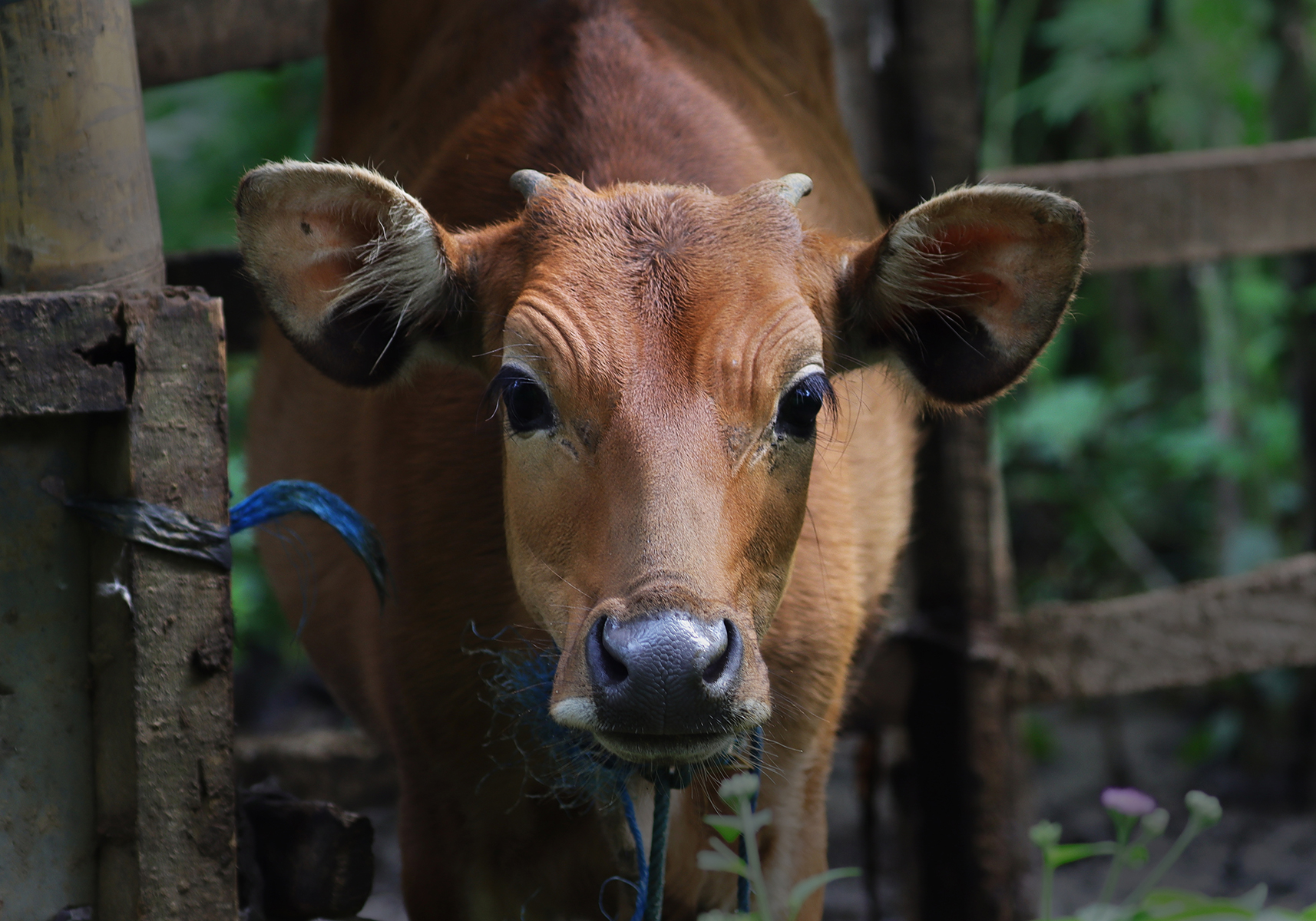
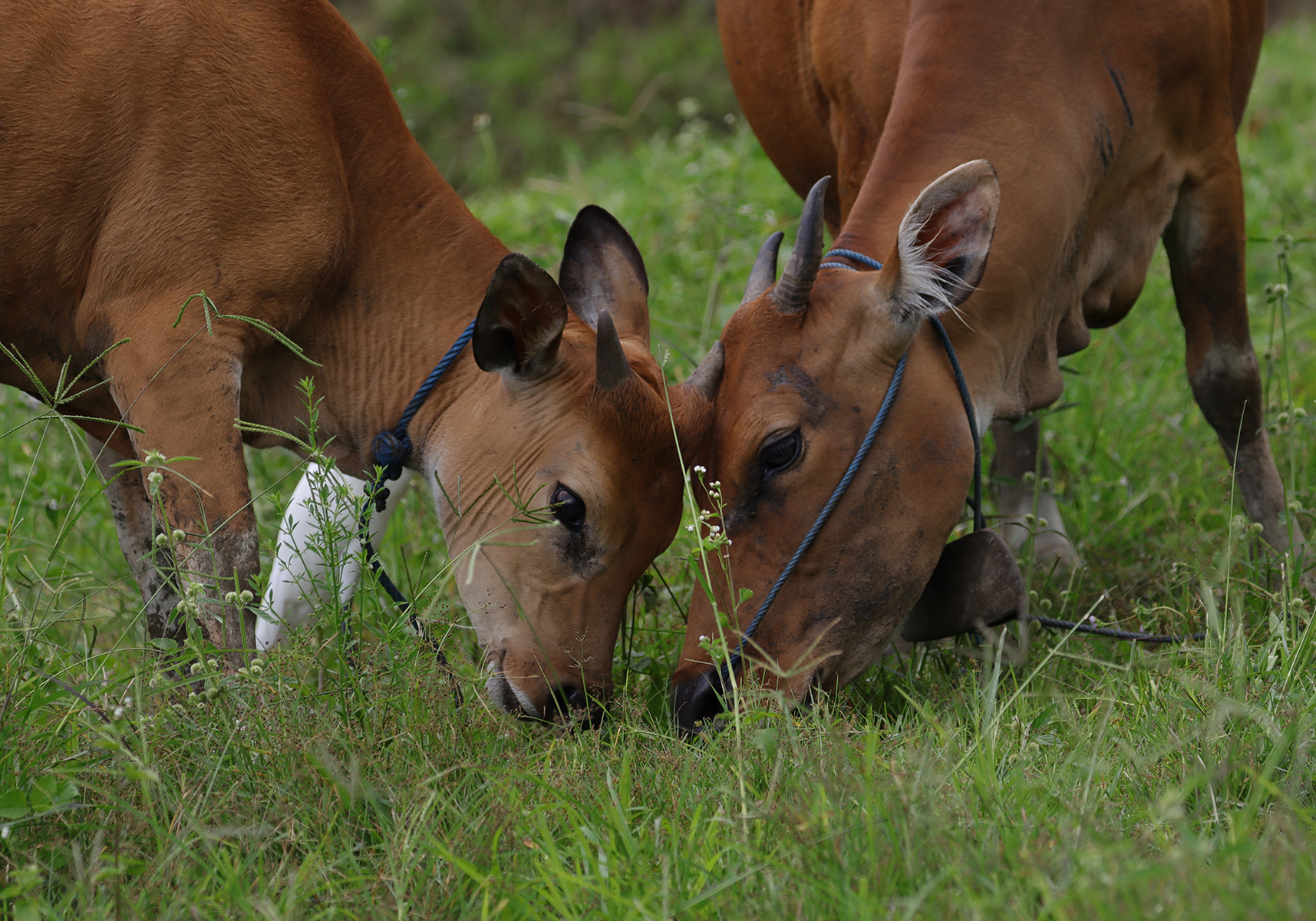
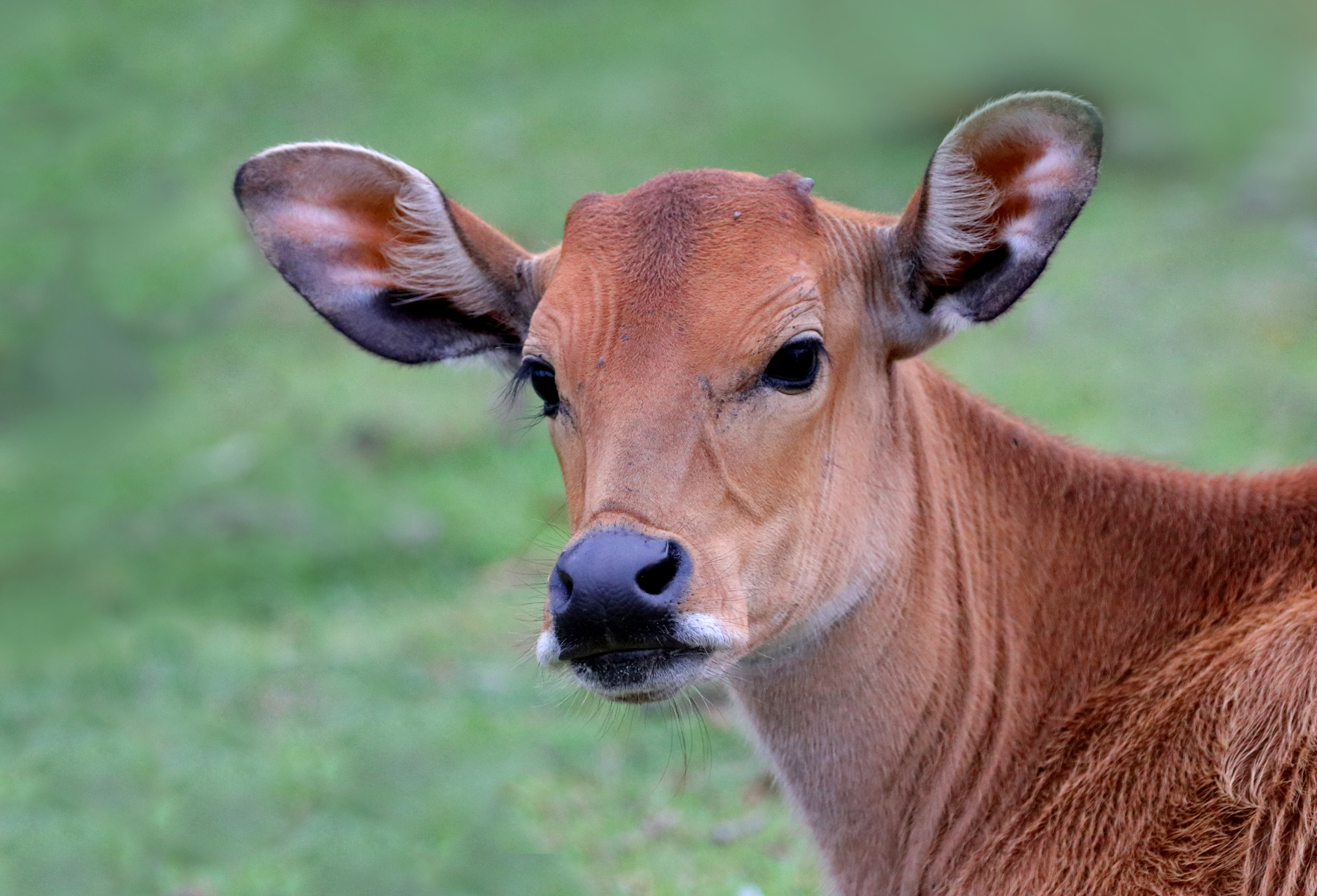
Bovinae is a subfamily within the family Bovidae (order Artiodactyla, suborder Ruminantia). It includes large and robust hoofed mammals such as cattle, buffalo, bison, and yaks. Members of Bovinae are among the largest living ruminants and are widely distributed across Africa, Asia, Europe, and North America.
Bovines are characterized by heavy bodies, strong limbs, cloven hooves, and well-developed permanent horns supported by a bony core. In most species, both males and females possess horns, although they are usually larger in males. The horns are not shed and continue to grow throughout life.
Like other ruminants, Bovinae species possess a four-chambered stomach (rumen, reticulum, omasum, and abomasum), enabling efficient digestion of fibrous plant material through microbial fermentation. They are primarily grazers, feeding mainly on grasses, although some species also browse on leaves and shrubs.
The subfamily Bovinae includes major tribes such as:
Ecologically, bovines play a crucial role as large herbivores shaping vegetation structure and serving as prey for large predators. Economically, domesticated species such as cattle (Bos taurus) and water buffalo (Bubalus bubalis) are of immense importance for meat, milk, labor, and cultural practices.