Bali Wildlife
Every Spices Matter


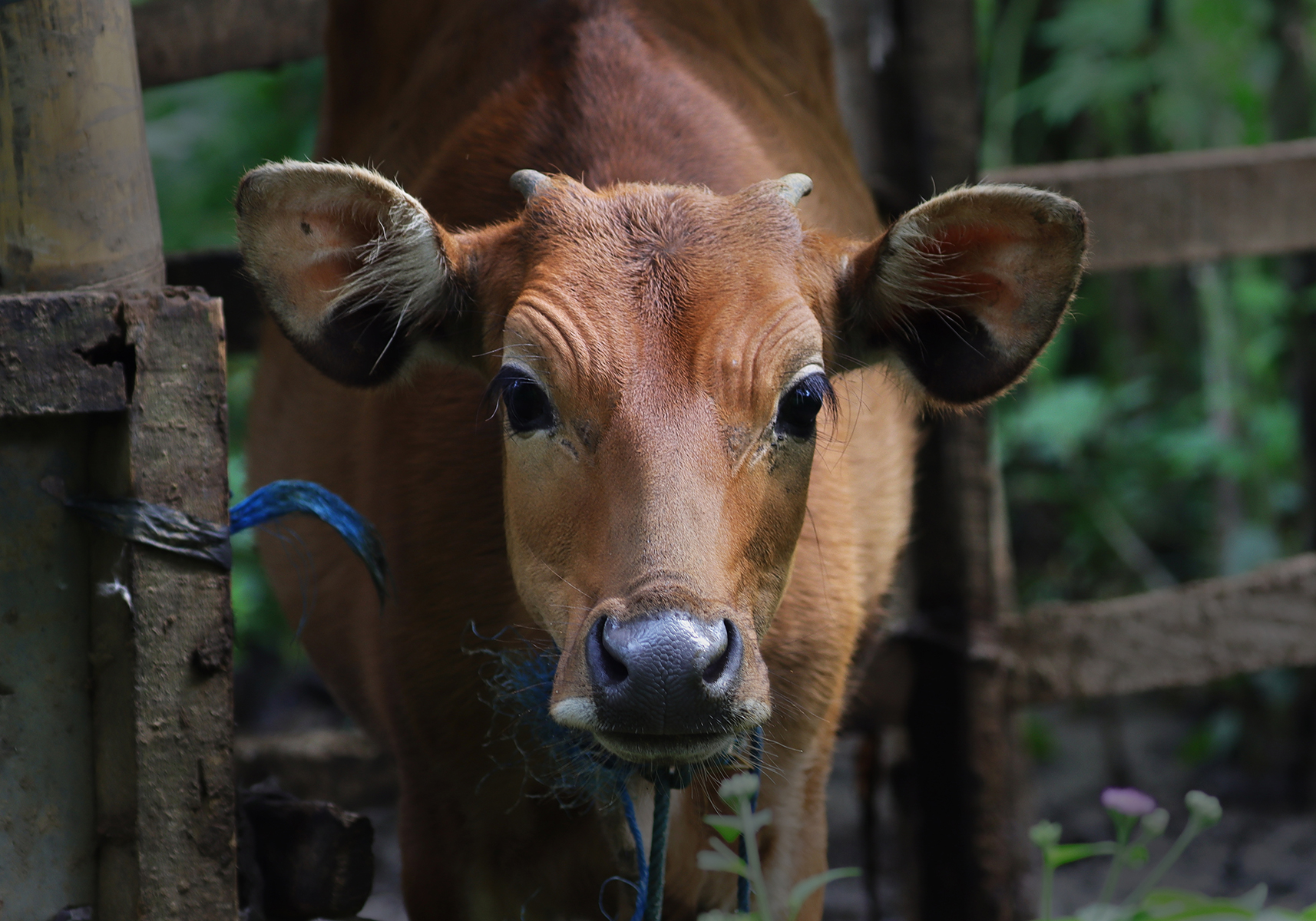
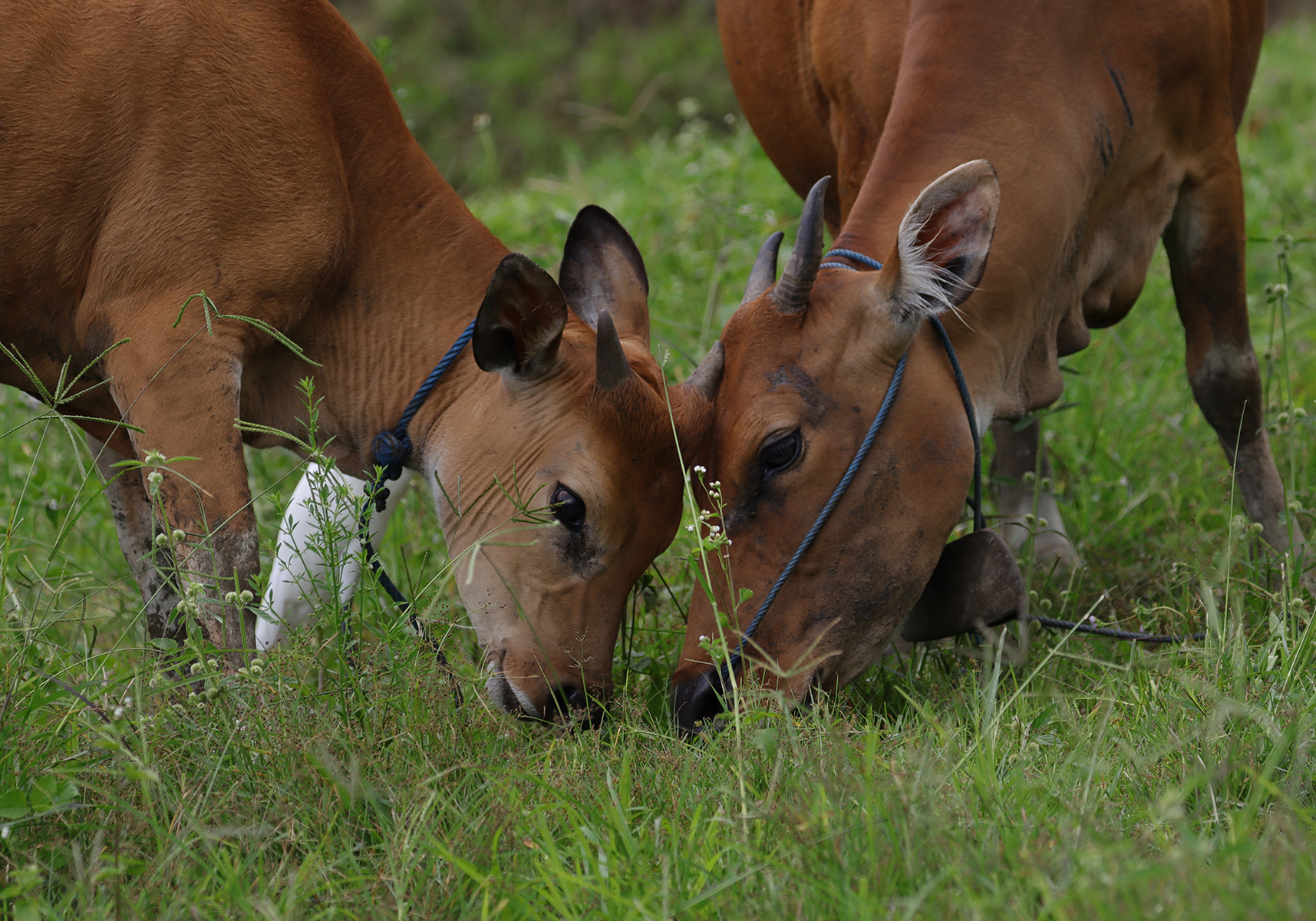
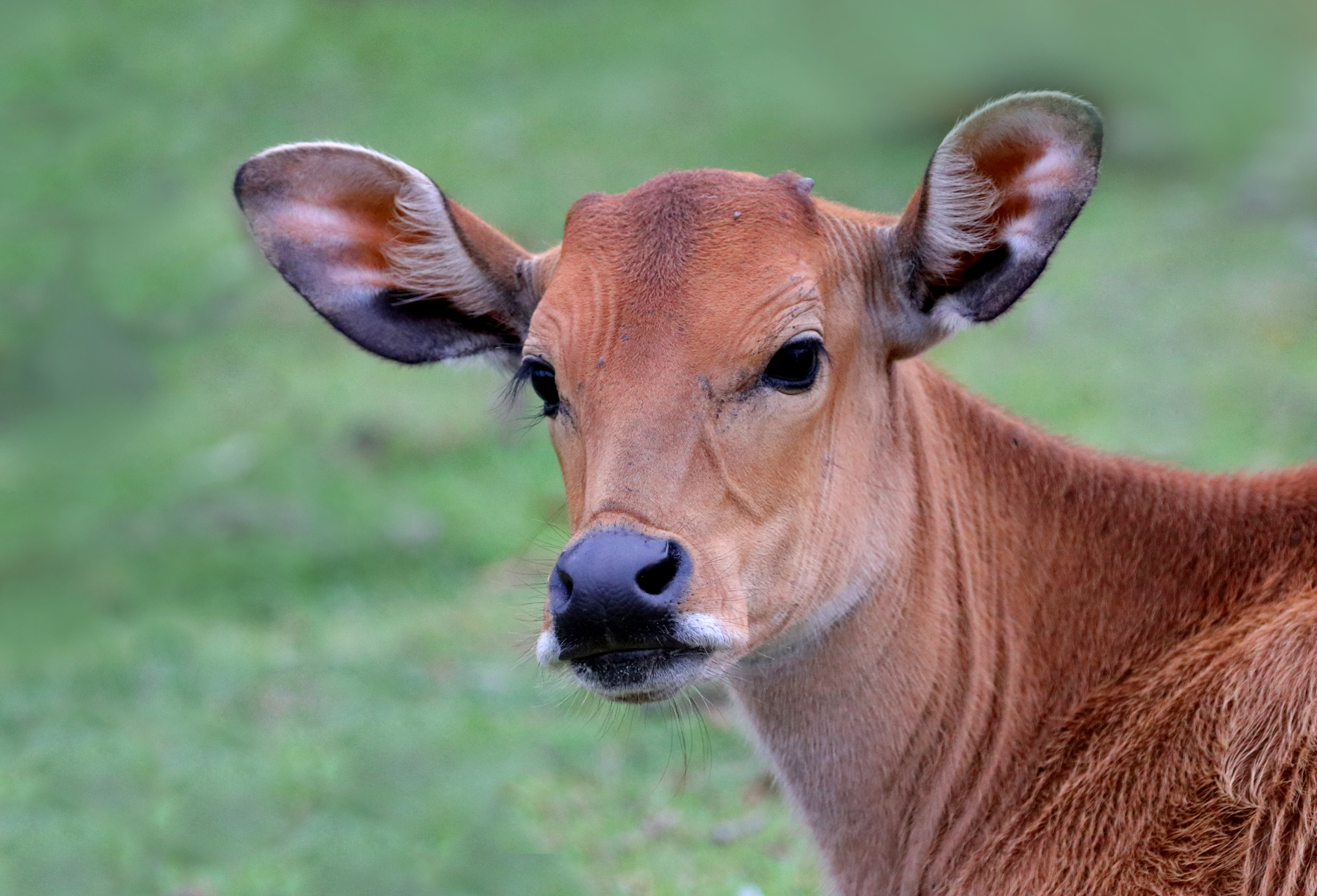
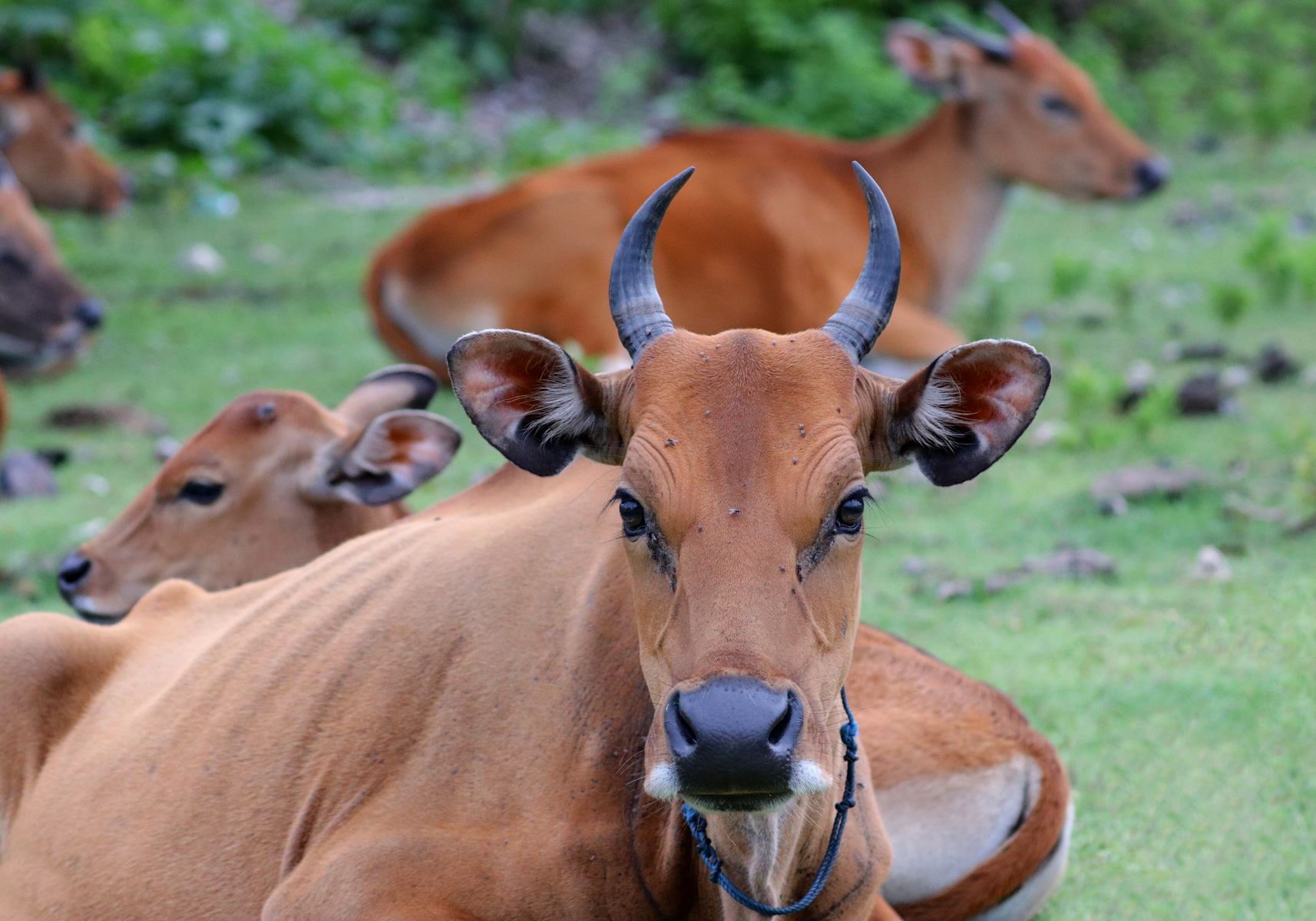
Bovidae is a large and diverse family within the suborder Ruminantia (order Artiodactyla). It includes hoofed, herbivorous mammals such as cattle, buffalo, sheep, goats, antelopes, gazelles, and bison. Bovids are among the most ecologically and economically significant groups of mammals worldwide.
A defining characteristic of bovids is the presence of permanent, unbranched horns covered by a keratin sheath and supported by a bony core. In most species, horns are present in males and often in females as well. Unlike the antlers of deer (family Cervidae), bovid horns are not shed annually.
Bovids are ruminants with a four-chambered stomach (rumen, reticulum, omasum, and abomasum) that enables efficient digestion of fibrous plant material through microbial fermentation. They typically have cloven hooves and are well adapted for grazing or browsing.
The family Bovidae is divided into several subfamilies, including:
Bovids occupy a wide range of habitats, from grasslands and savannas to mountains and semi-arid regions, primarily in Africa, Asia, Europe, and North America. Ecologically, they serve as major primary consumers and prey species for large predators. Many species have been domesticated and play a crucial role in agriculture as sources of meat, milk, hides, and wool.