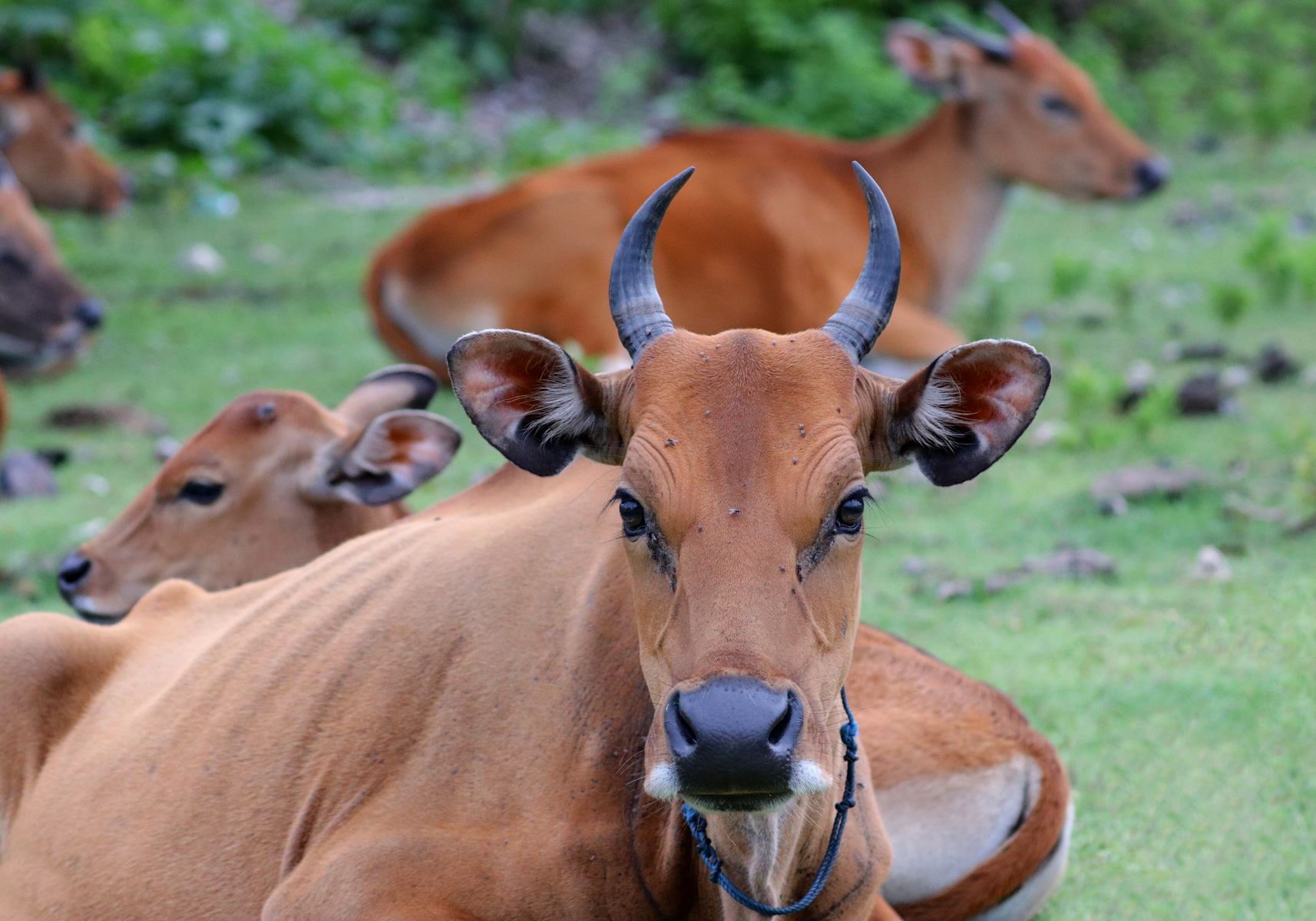
Bali Wildlife
Every Spices Matter


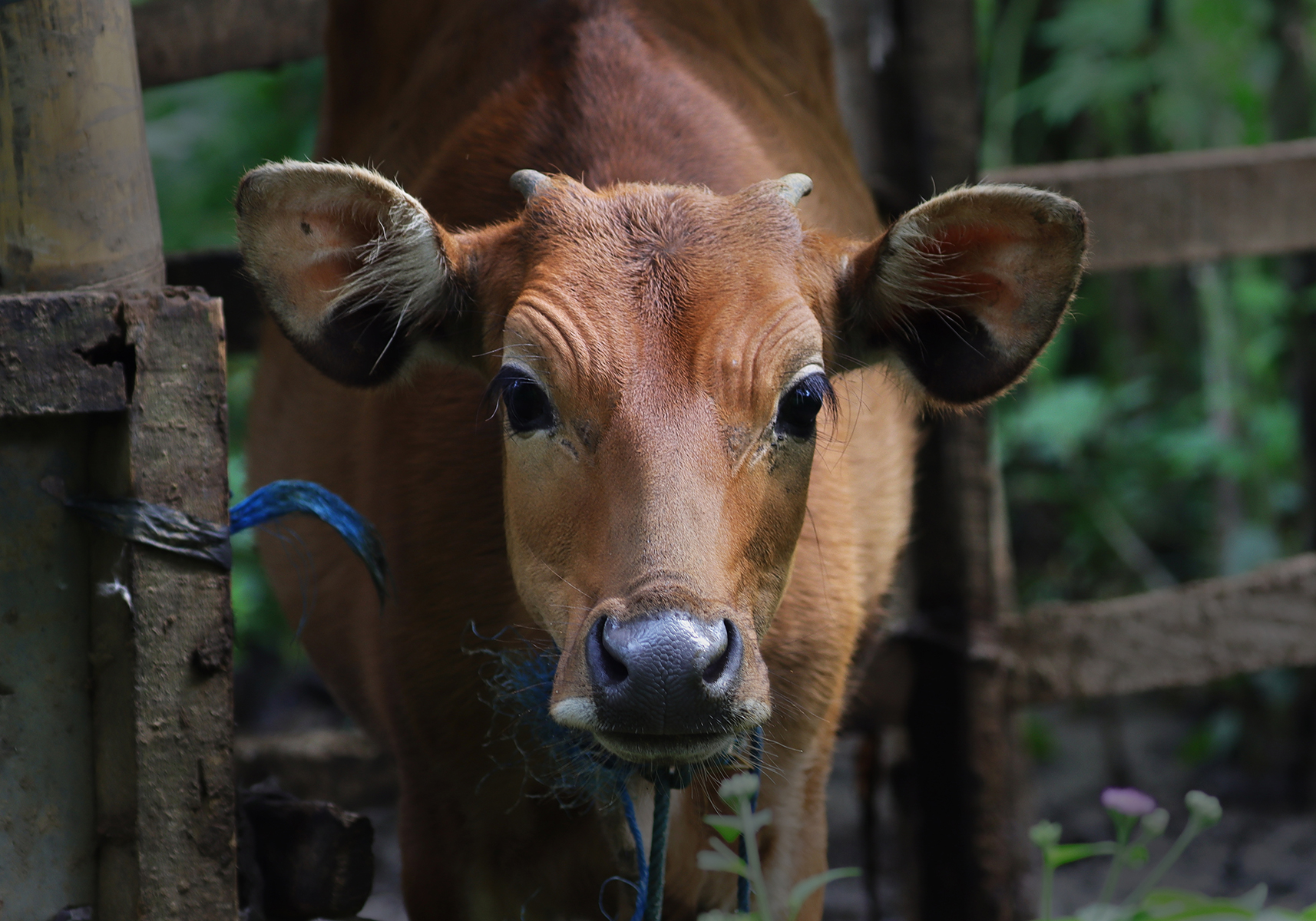
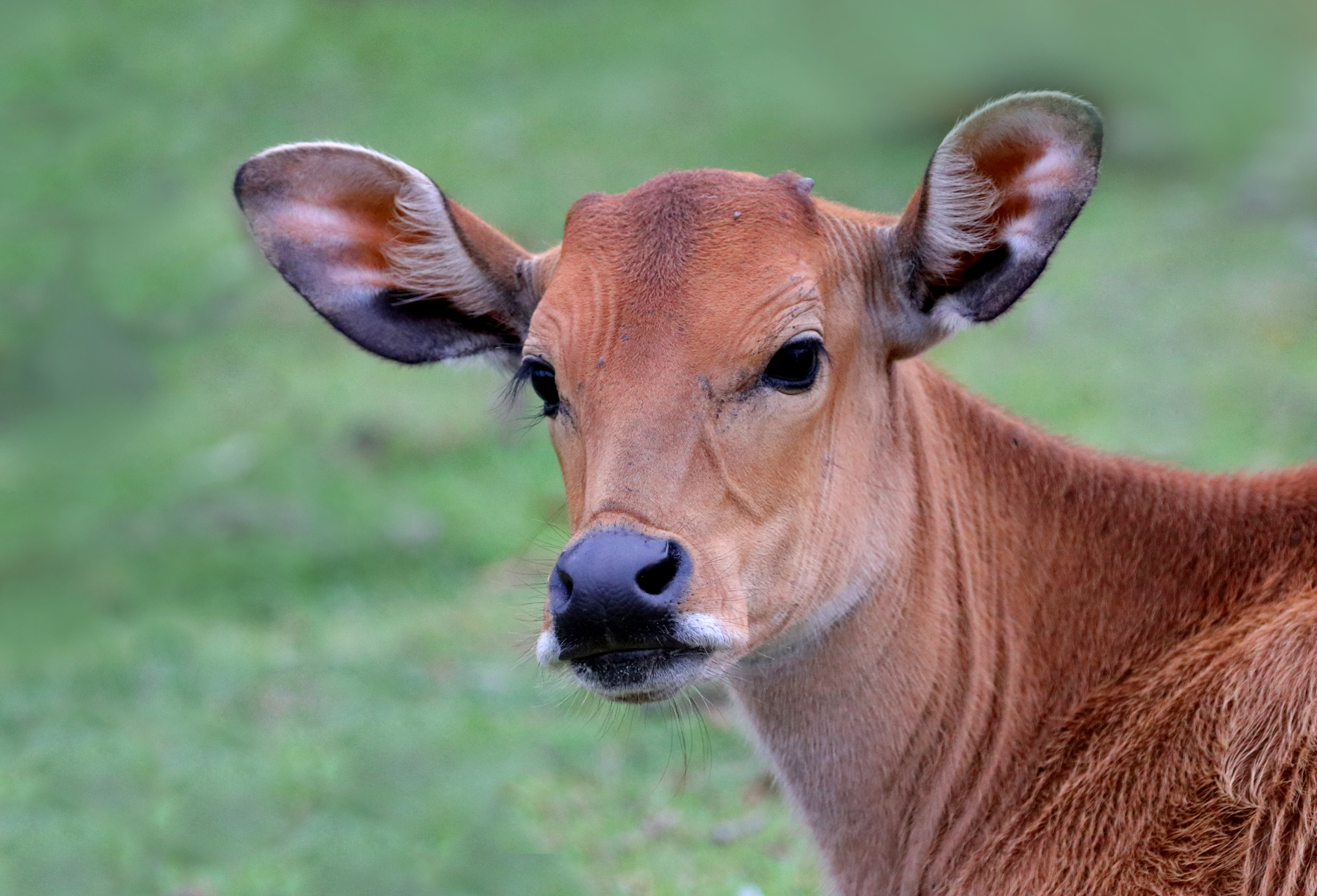
Bos is a genus within the tribe Bovini (subfamily Bovinae, family Bovidae) that includes large bovine mammals such as domestic cattle, wild cattle, yaks, gaur, and banteng. Members of this genus are robust, hoofed ruminants that have played a central role in human history through domestication and agriculture.
Species of Bos are characterized by heavy bodies, strong limbs, cloven hooves, and well-developed permanent horns supported by a bony core. Horn shape and size vary among species and between sexes, often being thicker and larger in males. The body is typically covered with short to moderately long hair, though species like the yak possess a long, dense coat adapted to cold climates.
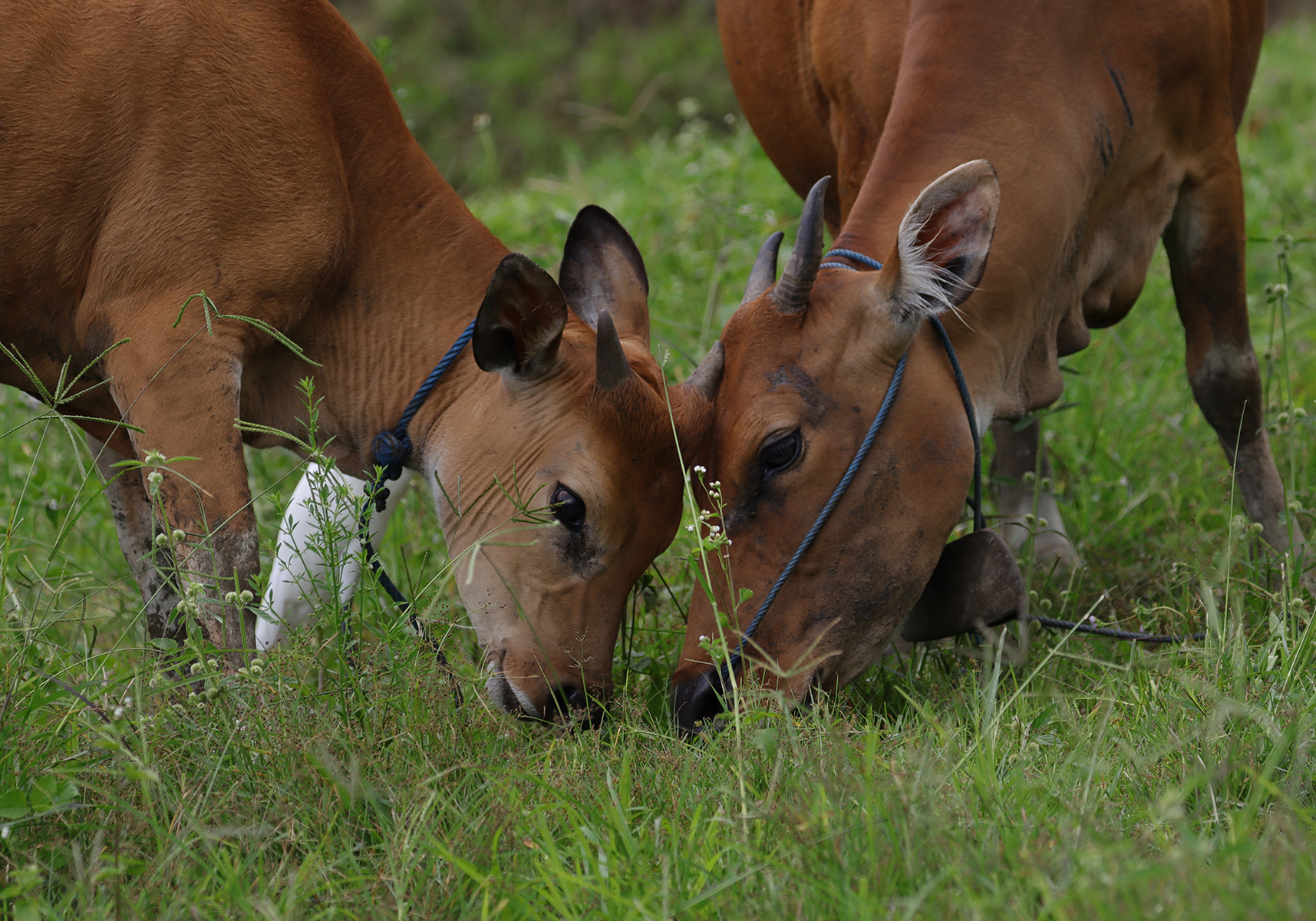
As ruminants, Bos species possess a four-chambered stomach that enables efficient digestion of fibrous plant material. They are primarily grazers, feeding mainly on grasses, but may also browse on shrubs and leaves depending on habitat conditions.
The genus includes several important species, such as:
Members of Bos inhabit a variety of environments, including grasslands, forests, mountains, and agricultural landscapes. Domesticated species are of immense economic importance worldwide, providing meat, milk, hides, and draft power, while wild species play essential ecological roles as large herbivores.