Bali Wildlife
Every Spices Matter


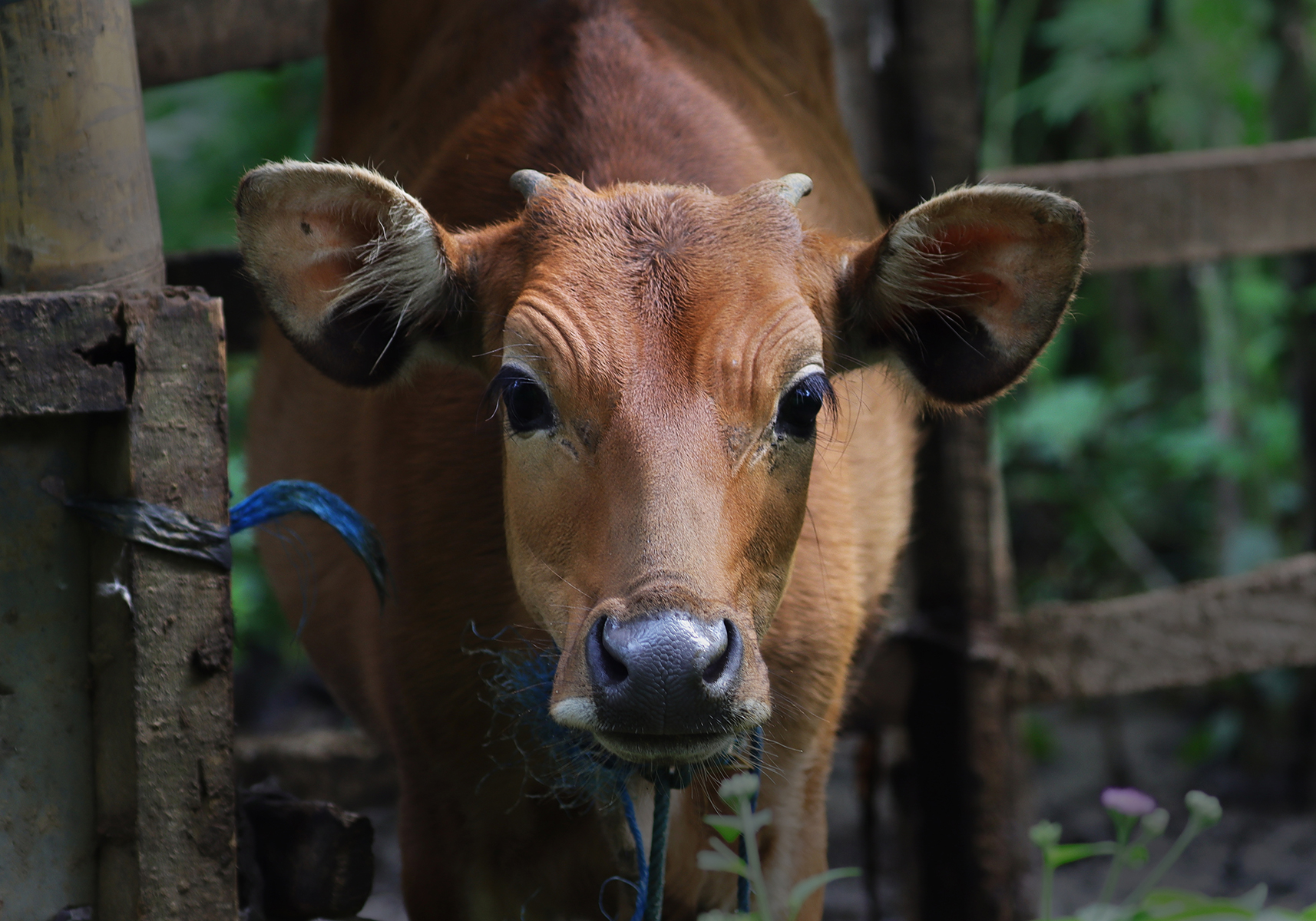
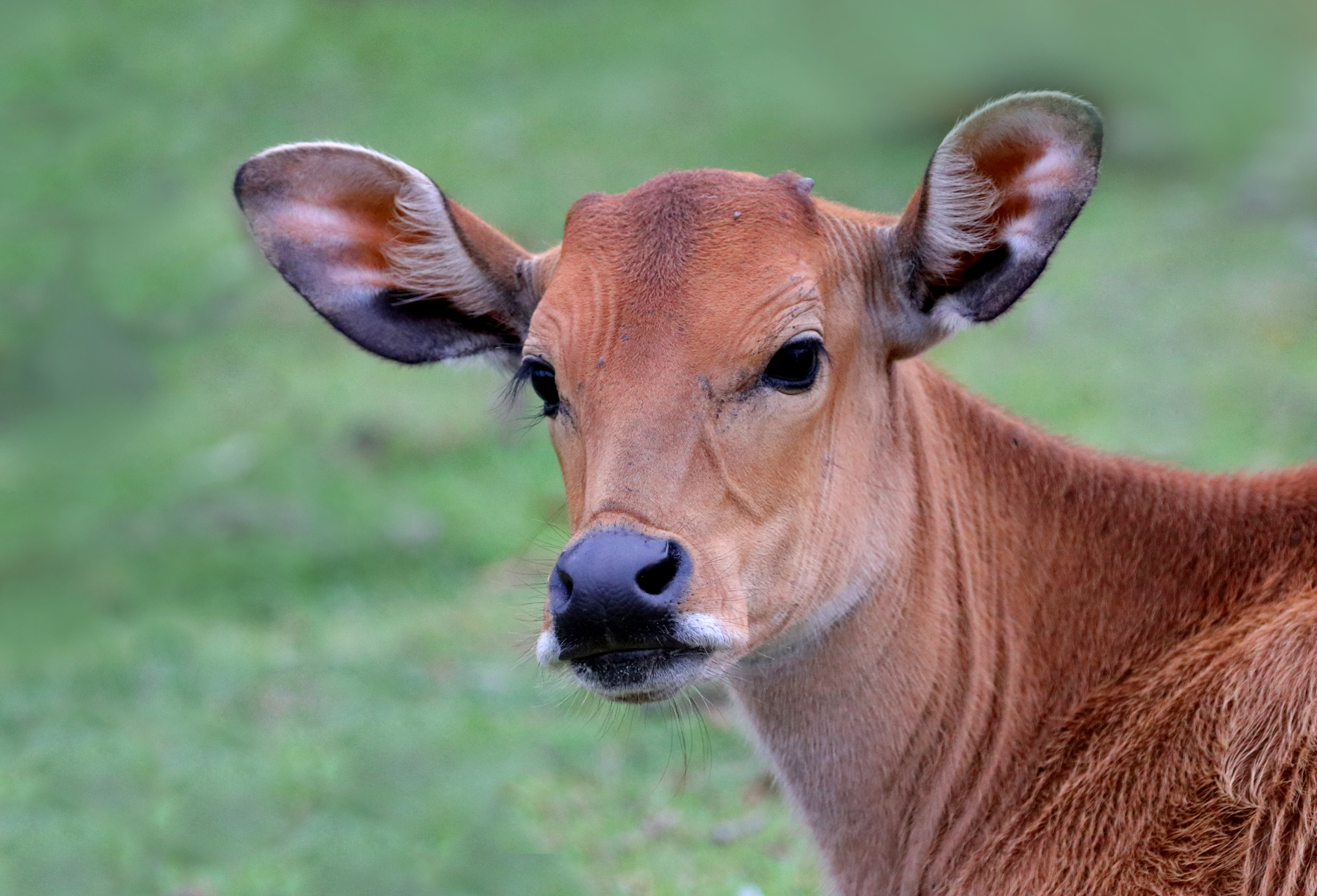
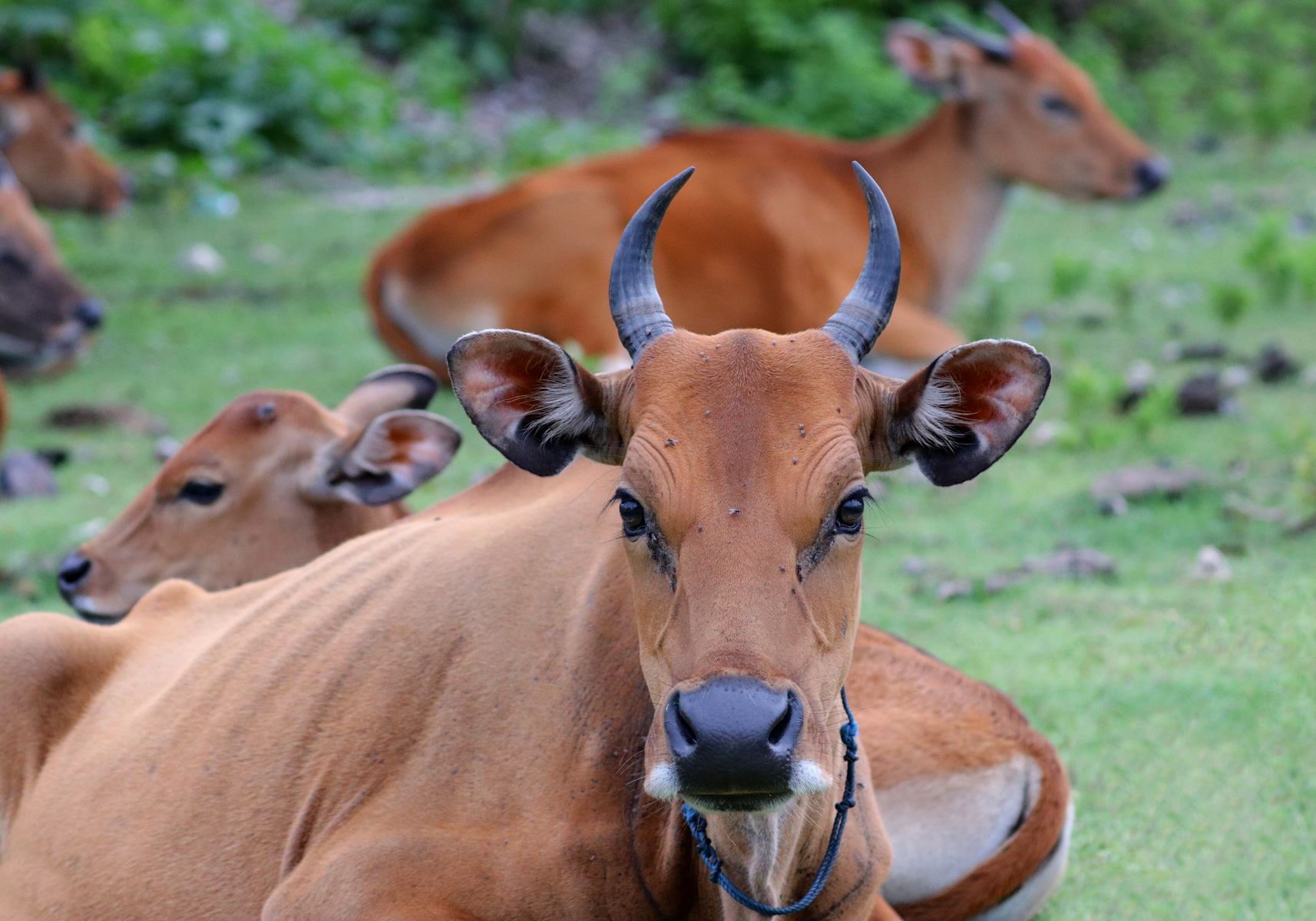
Bos javanicus domesticus, commonly known as Bali cattle, is the domesticated form of the banteng (Bos javanicus). It is one of the few domesticated cattle types derived directly from a wild bovine species other than the aurochs. Bali cattle are primarily found in Indonesia and have been widely introduced to other parts of Southeast Asia and northern Australia.
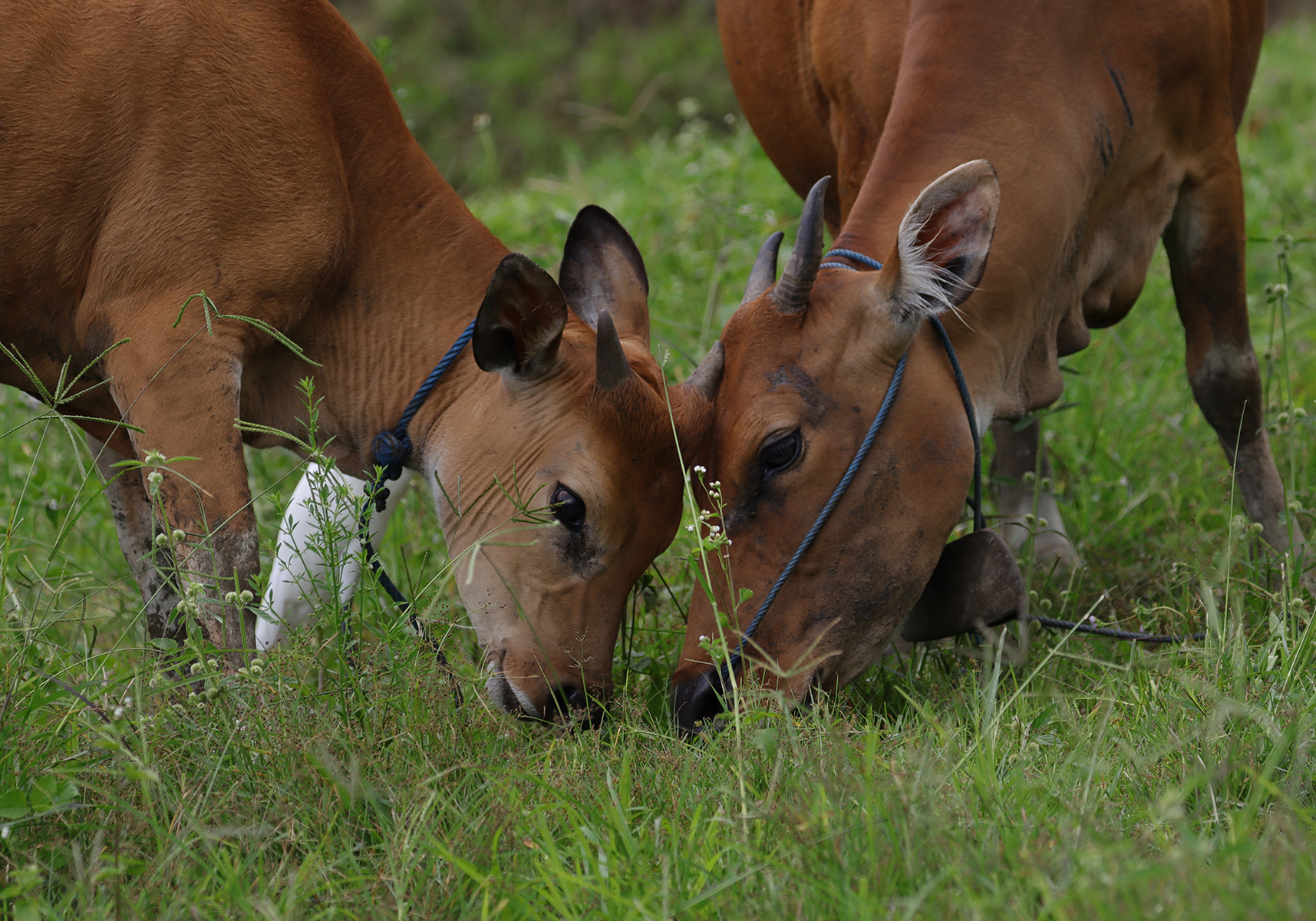
Bali cattle retain many physical characteristics of their wild ancestor. They are medium-sized with a compact and muscular body. Males are typically dark brown to black, while females are reddish-brown. Both sexes have distinctive white markings on the lower legs (“white stockings”), rump, and muzzle. The horns are relatively small to moderate in size and curve upward.
This cattle type is well known for its high adaptability to tropical climates, resistance to parasites, and ability to thrive on low-quality forage. As ruminants, they efficiently digest fibrous plant material and are commonly raised under traditional, low-input farming systems.
Economically, Bali cattle are highly valued for beef production due to their good carcass yield and meat quality. They also play an important role in rural livelihoods, cultural ceremonies, and local agricultural systems in Indonesia.
Although domesticated, Bali cattle are genetically significant because they represent a direct lineage from the banteng. Conservation and breeding management are important to maintain genetic purity and prevent excessive crossbreeding with other cattle breeds.