Bali Wildlife
Every Spices Matter


Bos javanicus, commonly known as the banteng, is a wild bovine species within the genus Bos (tribe Bovini, family Bovidae). It is native to Southeast Asia and is one of the region’s most iconic wild cattle species.
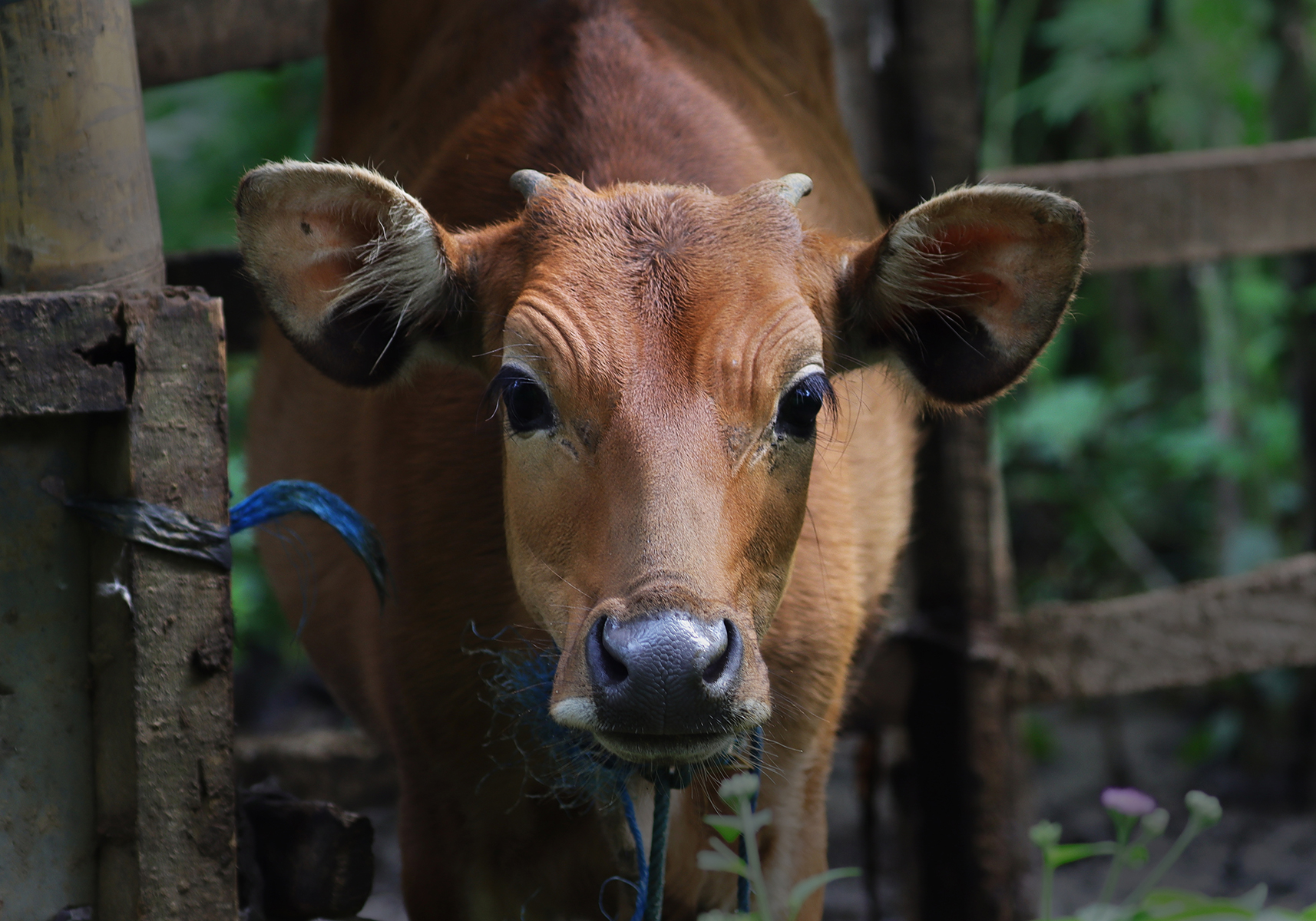
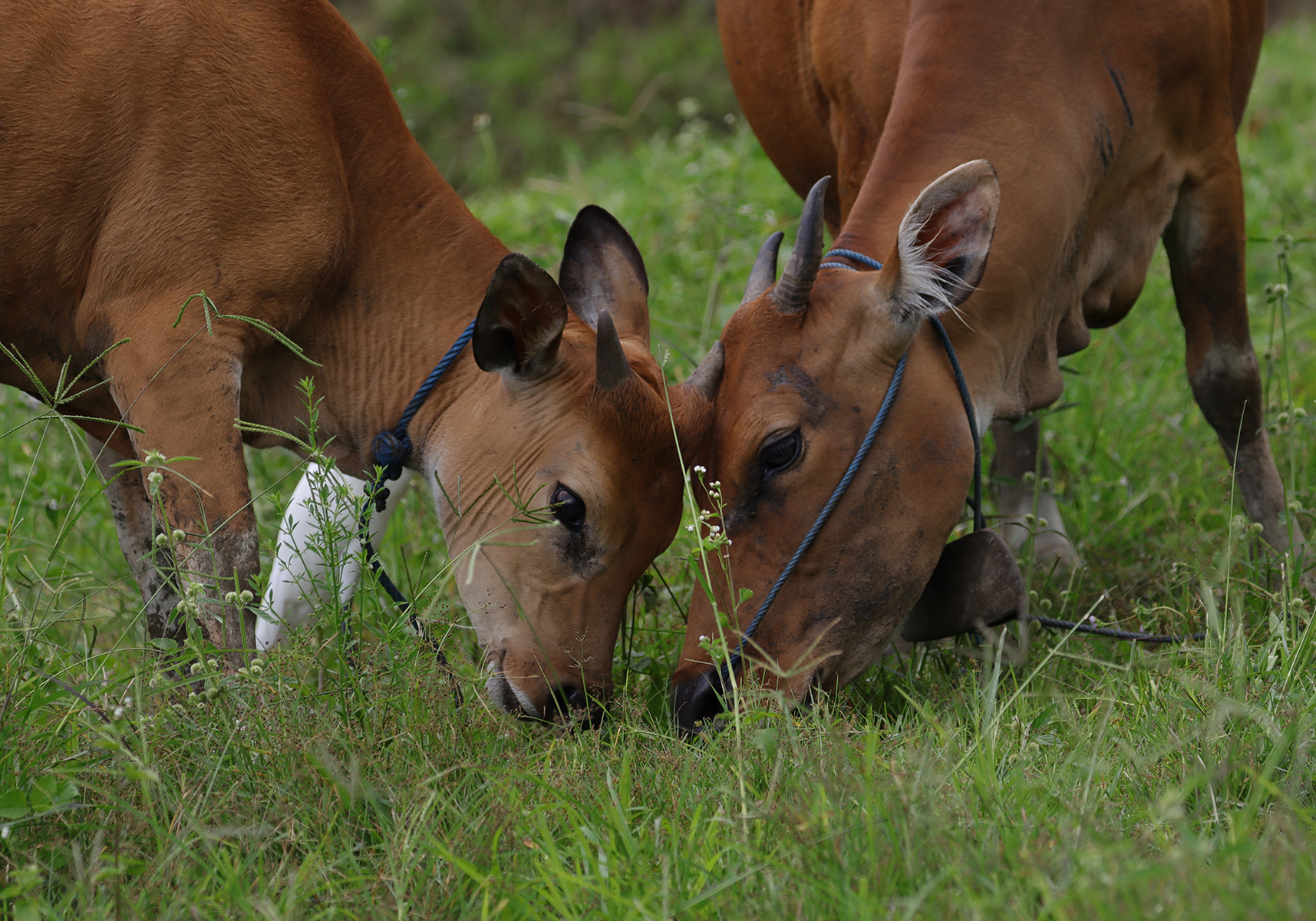
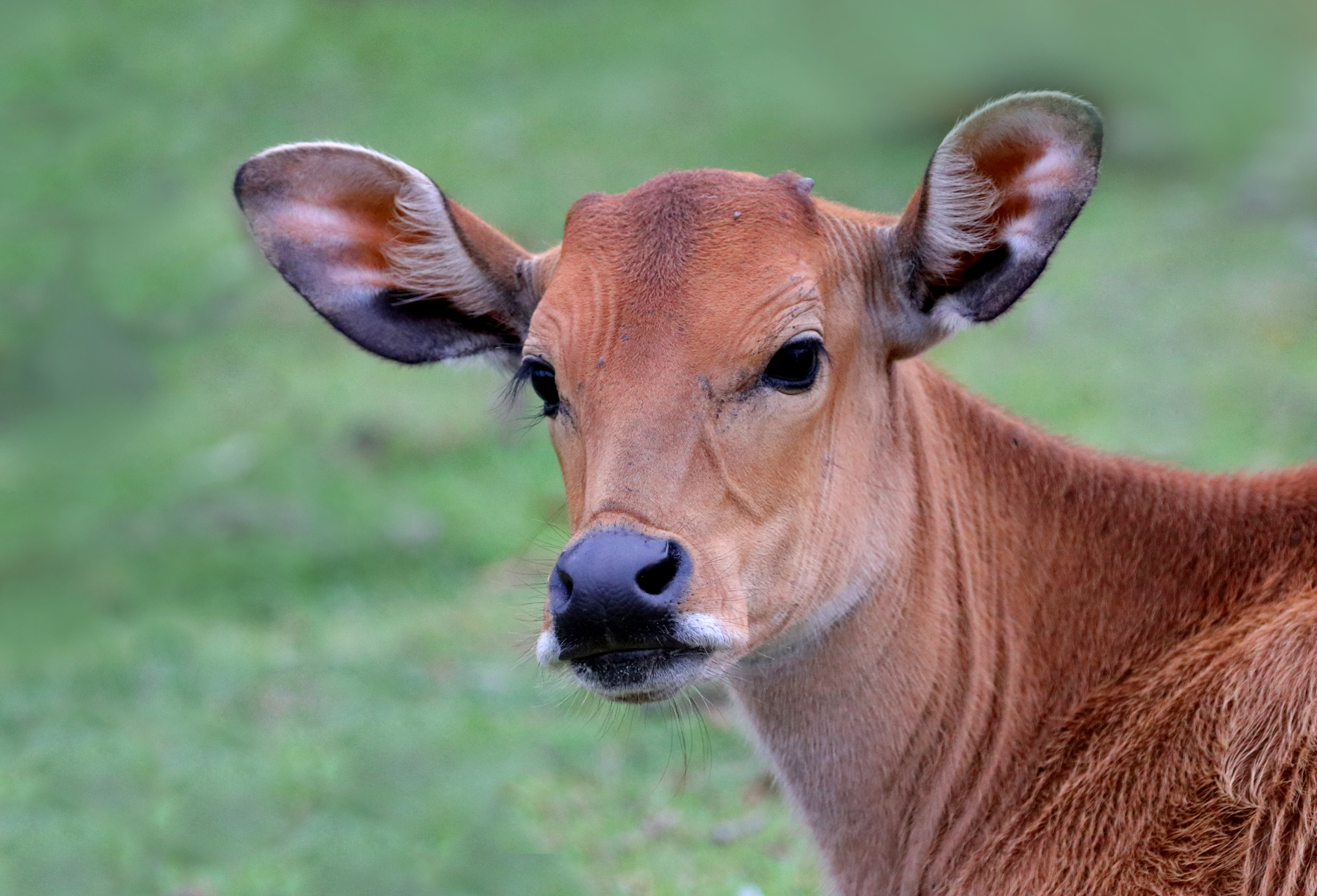
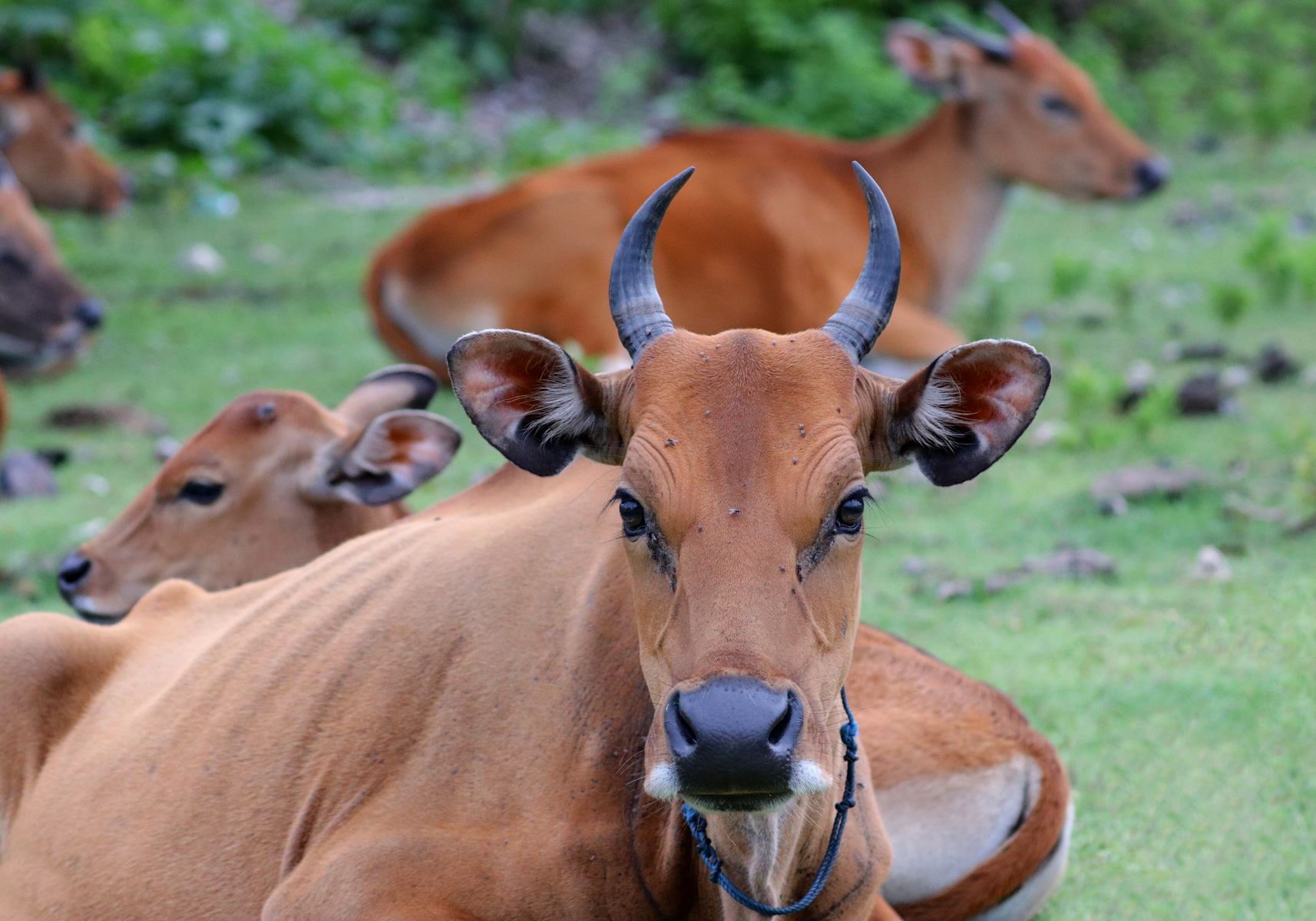
Banteng are medium- to large-sized bovines with a strong, muscular build. Adult males are typically dark brown to black with prominent white markings on the lower legs, rump, and muzzle, while females and juveniles are usually reddish-brown. Both sexes possess upward-curving horns, though male horns are thicker and more robust. A distinctive white rump patch is a key identifying feature.
The species inhabits tropical and subtropical forests, open woodlands, grasslands, and savanna habitats. It is found in countries such as Indonesia, Malaysia, Thailand, Cambodia, and Myanmar. In Indonesia, banteng populations occur on Java, Bali, and parts of Kalimantan.
Bos javanicus is primarily a grazer, feeding on grasses, but it may also browse on leaves, shoots, and shrubs. Banteng are generally social animals, forming small herds led by a dominant female, while adult males may live solitarily or form bachelor groups.
The species is classified as Endangered due to habitat loss, hunting, disease transmission from domestic cattle, and hybridization. Conservation efforts focus on habitat protection, anti-poaching measures, and managed breeding programs. Banteng also have cultural and ecological importance, serving as large herbivores that help shape vegetation dynamics.