Bali Wildlife
Every Spices Matter


Bombycoidea is a diverse superfamily of moths within the order Lepidoptera, comprising some of the largest and most spectacular moth species in the world. Members of this superfamily are distributed globally, with the greatest diversity occurring in tropical and subtropical regions. They inhabit a wide range of environments, including forests, grasslands, shrublands, agricultural areas, and urban landscapes.
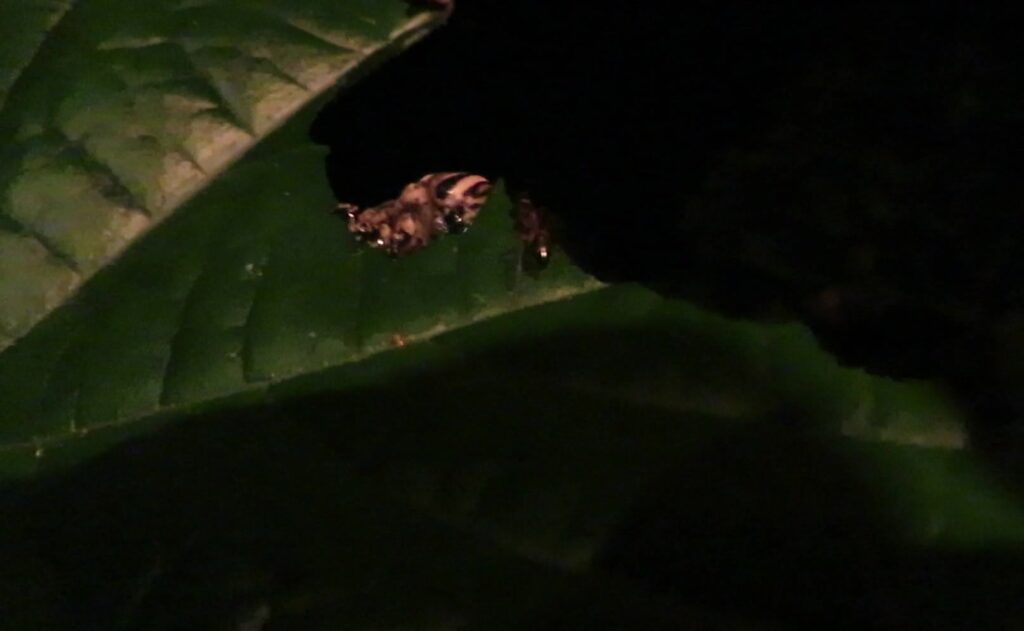
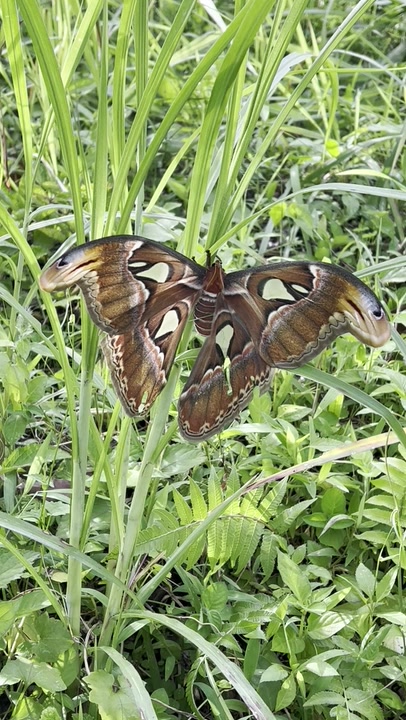
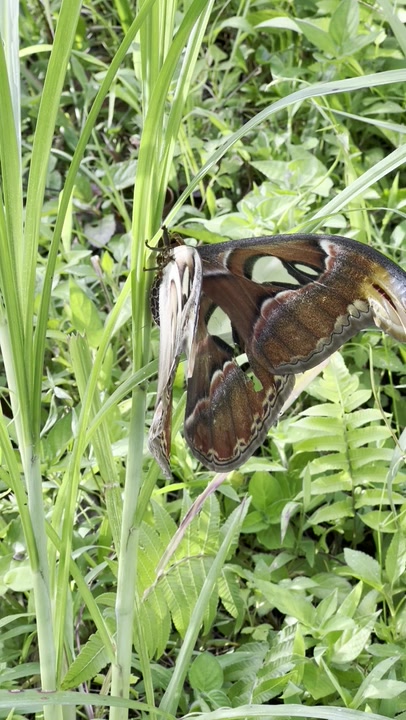
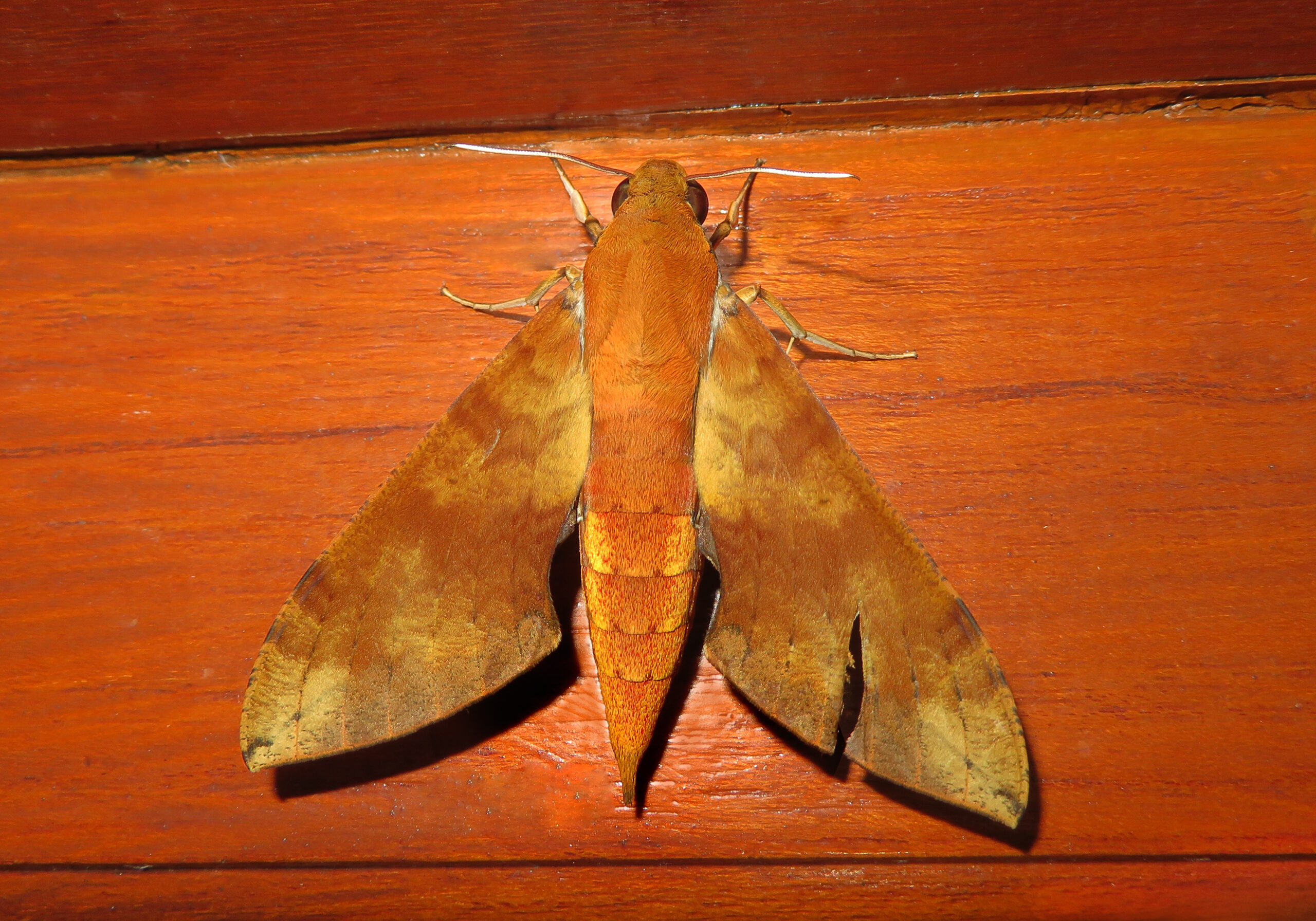
Moths of the superfamily Bombycoidea vary greatly in size, shape, and coloration but are generally characterized by a robust body, broad wings, and dense scales covering the wings and body. Many species are known for their striking wing patterns, which may include eyespots, camouflage markings, or vivid colors that serve as defense against predators.
Adults are primarily nocturnal, although some species are active during the day or at dusk. Antennae are often well developed, particularly in males, which use them to detect pheromones released by females over long distances.
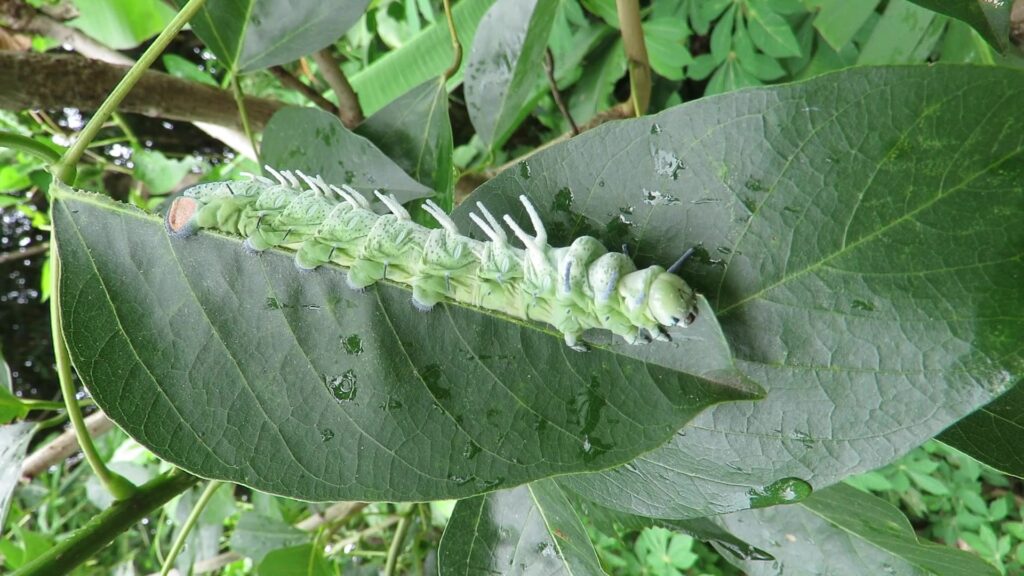
The life cycle involves complete metamorphosis, consisting of egg, larva (caterpillar), pupa, and adult stages. Caterpillars are generally large and robust, feeding on leaves of a variety of trees, shrubs, and herbaceous plants. Many species produce silk during development, which may be used to construct cocoons for pupation.
The superfamily includes several prominent families, such as Saturniidae (silk moths and giant silk moths), Sphingidae (hawk moths), and Bombycidae (true silk moths). These families exhibit a wide range of ecological adaptations and life histories.
Adult feeding behavior varies among groups. Many hawk moths possess a long proboscis and feed actively on nectar, making them important pollinators. In contrast, many giant silk moths have reduced mouthparts and do not feed as adults, relying entirely on energy reserves accumulated during the larval stage.
Ecologically, Bombycoidea plays an important role in terrestrial ecosystems. Caterpillars serve as herbivores and a food source for numerous predators, while adults contribute to pollination, particularly of night-blooming plants. Some species, such as the domesticated silkworm (Bombyx mori), have significant economic importance, while others are valued for their ecological roles, beauty, and contribution to biodiversity.