Bali Wildlife
Every Spices Matter


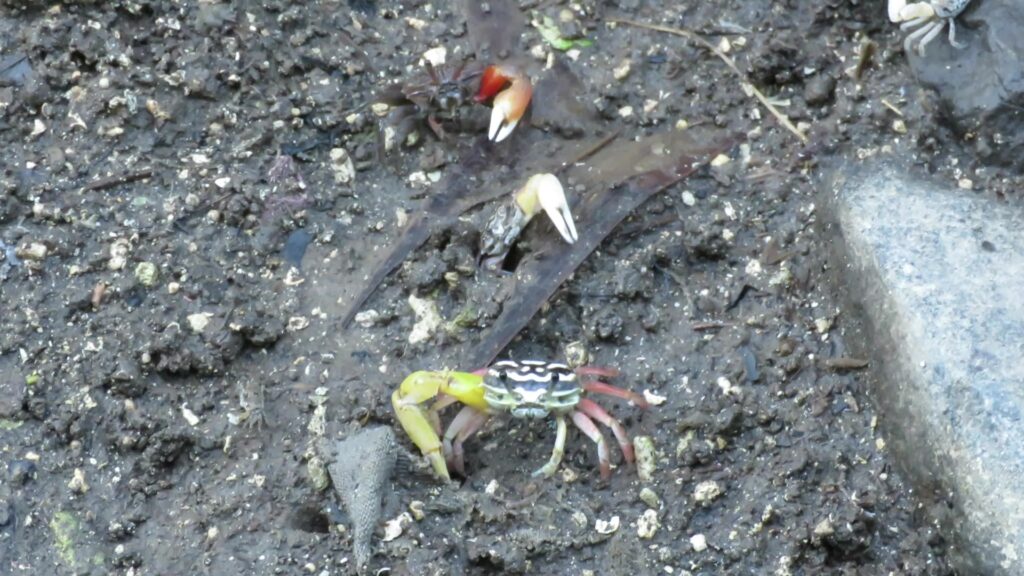
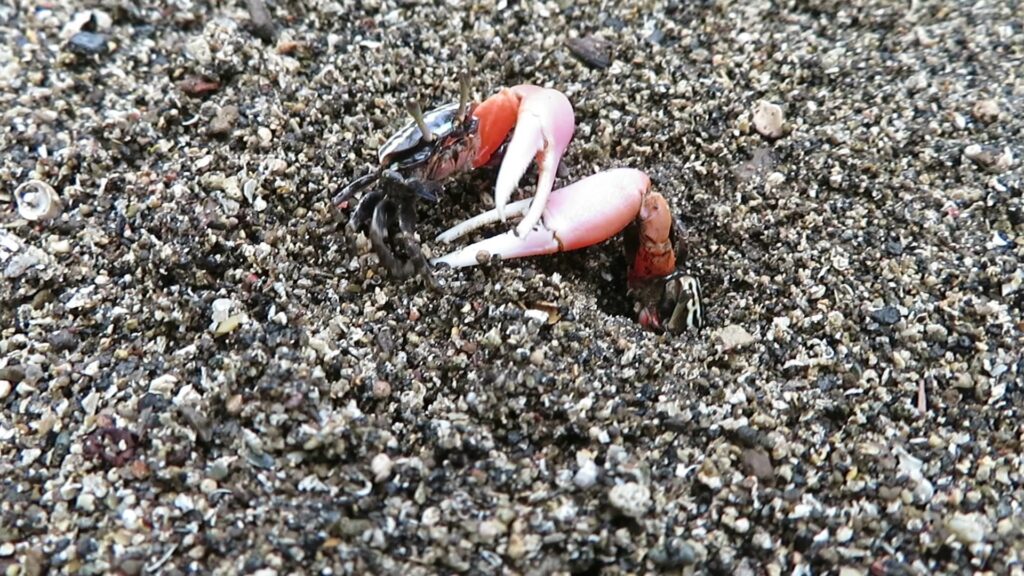
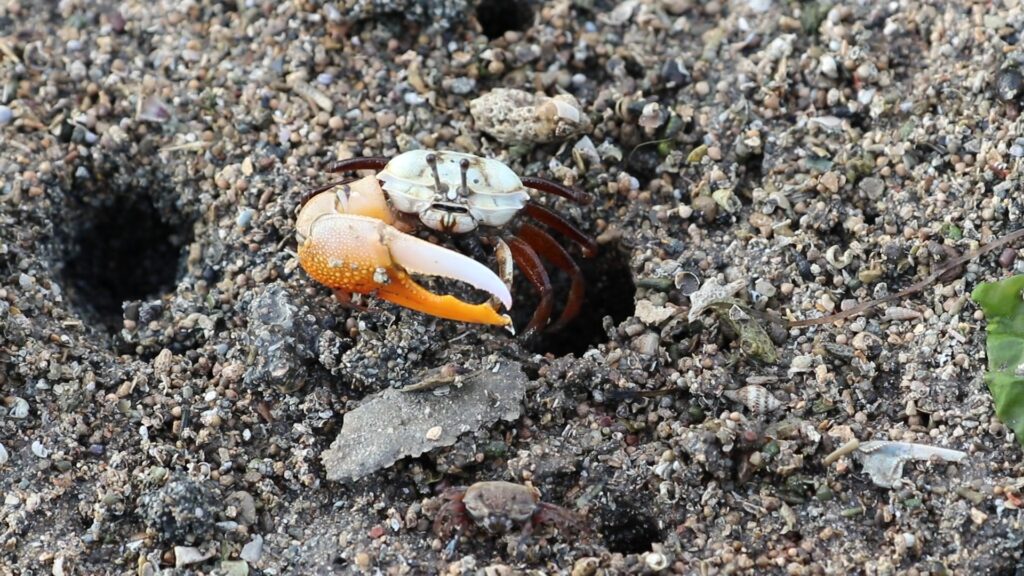
Austruca is a genus of fiddler crabs belonging to the family Ocypodidae, subfamily Gelasiminae, and tribe Gelasimini. These small intertidal crustaceans are primarily found along tropical and subtropical coastlines of the Indo-West Pacific region, where they inhabit muddy and sandy tidal flats, mangrove margins, estuaries, and sheltered coastal habitats. The genus is characterized by the distinctive sexual dimorphism typical of fiddler crabs, with adult males possessing one greatly enlarged claw used for courtship displays, communication, and competition, while females have two comparatively small claws adapted for feeding. Members of Austruca have compact carapaces, elongated eyestalks, and walking legs suited to movement across exposed coastal sediments. They commonly construct burrows that provide shelter from predators, heat, and desiccation during low tide. These crabs feed mainly on organic detritus, microalgae, bacteria, and other microorganisms extracted from sediment, contributing to nutrient cycling and sediment turnover within intertidal ecosystems. Reproduction involves females carrying fertilized eggs beneath the abdomen, followed by the release of planktonic larvae into coastal waters, where development occurs before settlement. Through their feeding activity, burrowing behavior, and role as prey for shorebirds and other coastal predators, Austruca species contribute to the ecological functioning of mangroves, estuaries, and tidal flats. Their survival depends on the availability of suitable intertidal habitats, which may be threatened by coastal development, pollution, mangrove destruction, and changes in shoreline conditions.