Bali Wildlife
Every Spices Matter


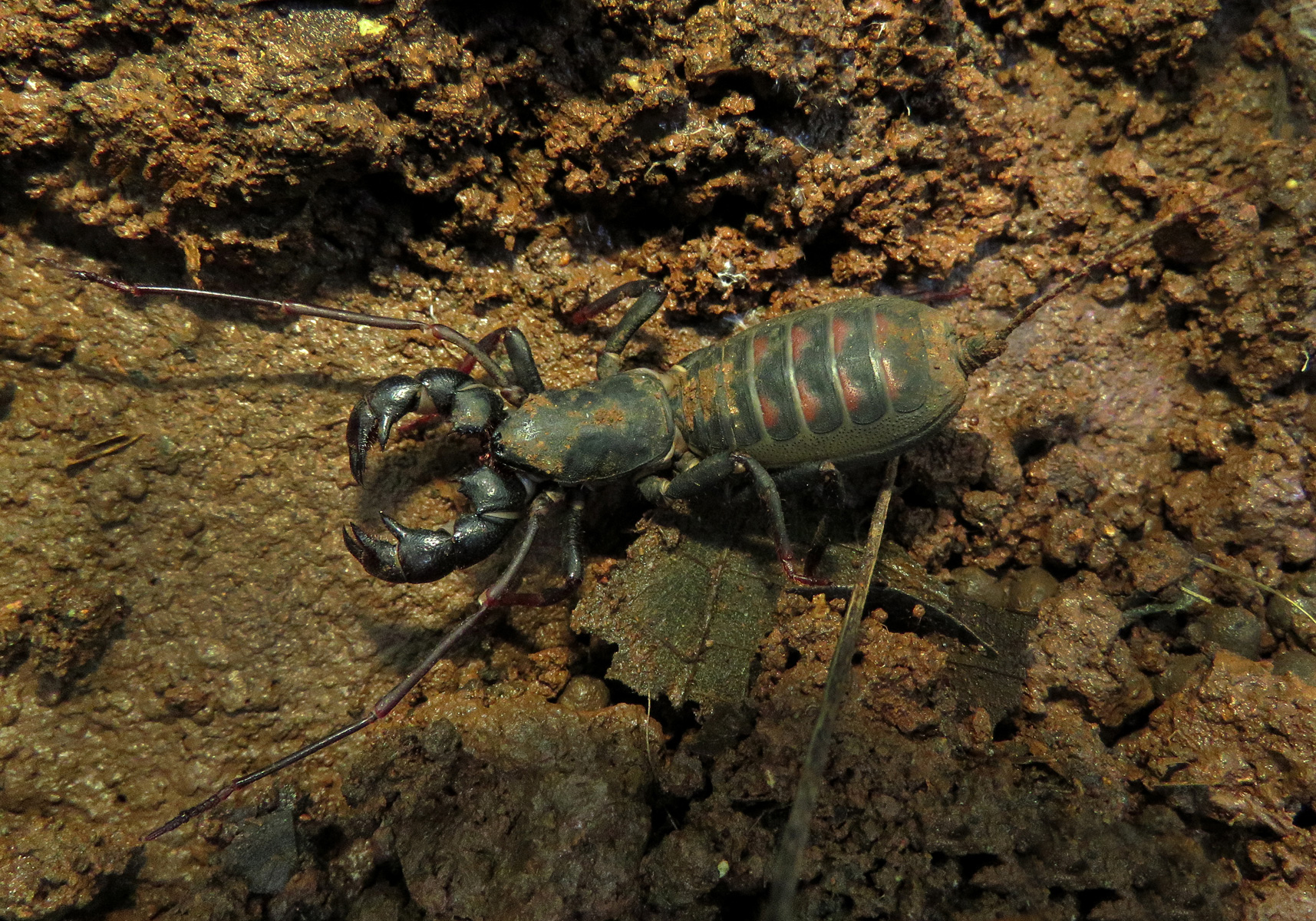
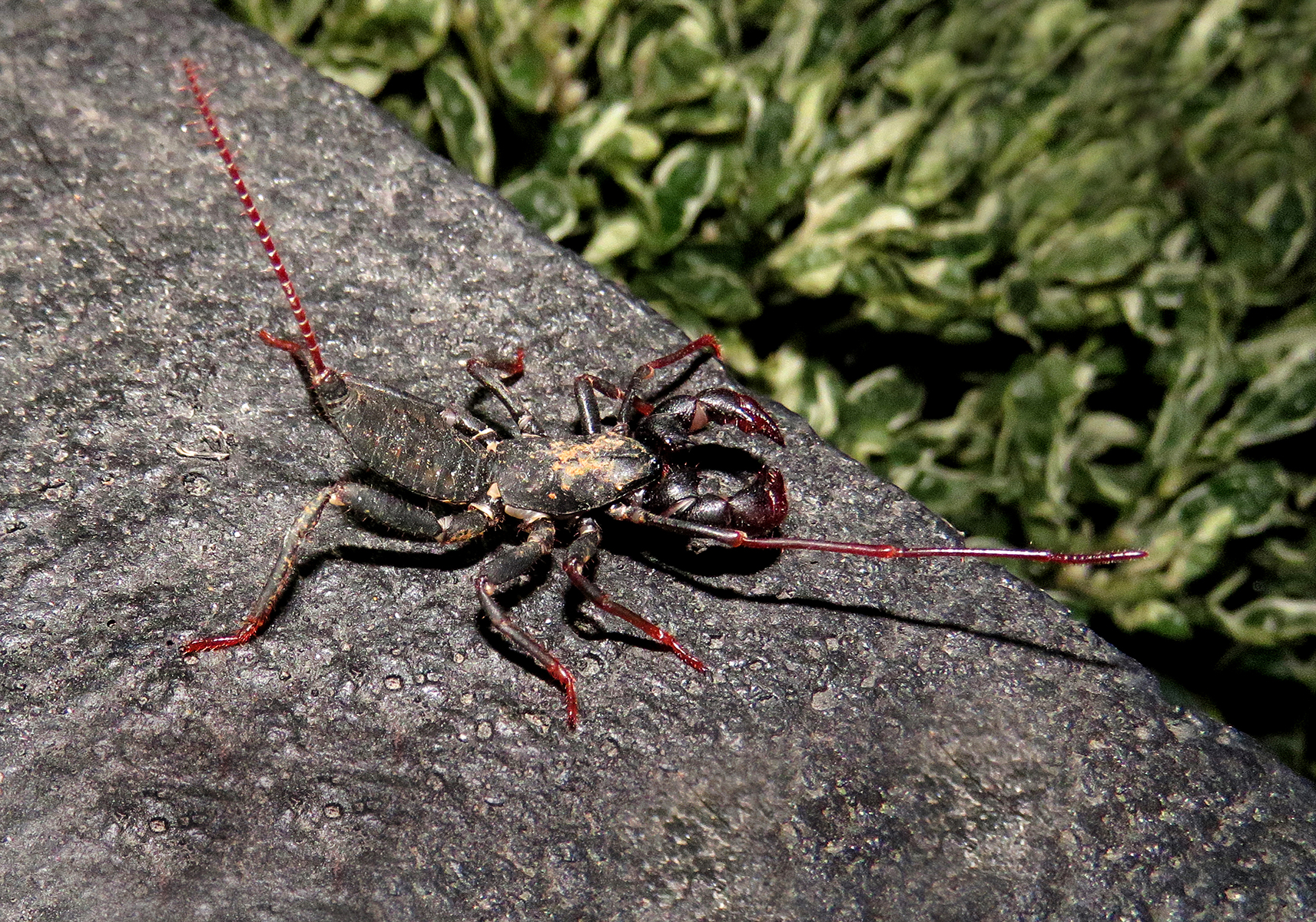
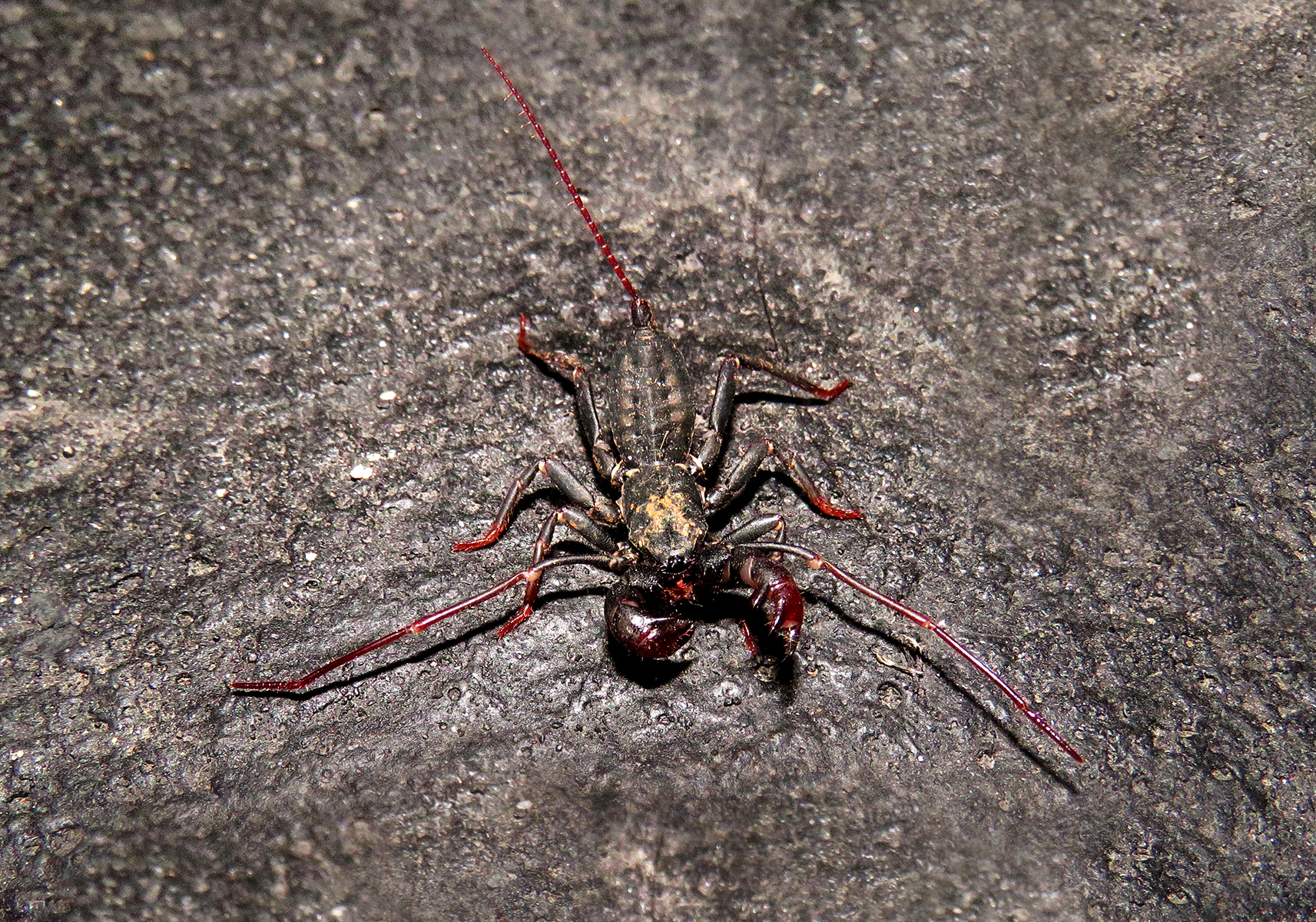
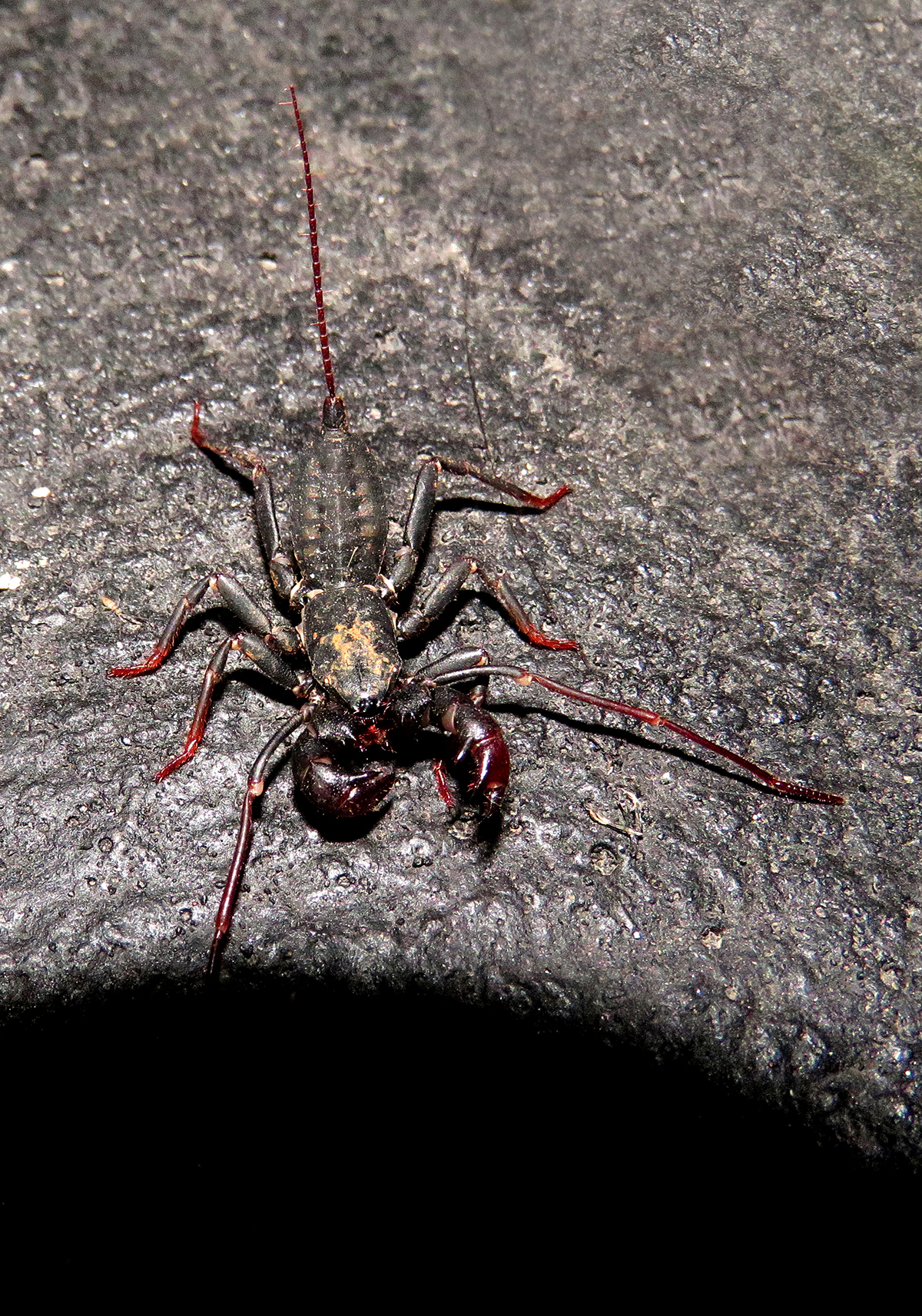
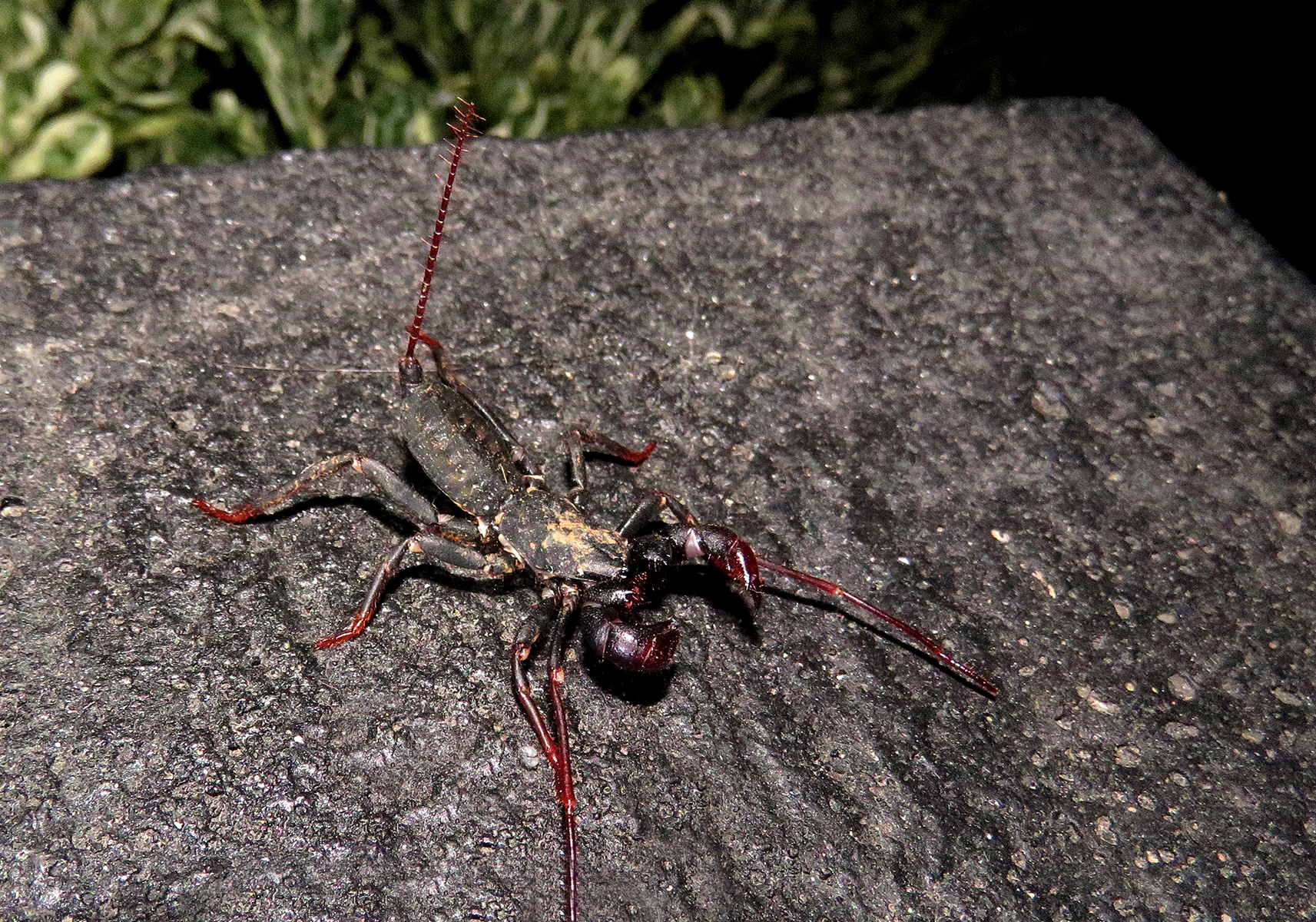
Arachnida is a diverse class within the subphylum Chelicerata (Phylum Arthropoda) that includes spiders, scorpions, mites, ticks, harvestmen, pseudoscorpions, and several other related groups. Arachnids are widely distributed across the globe and occupy a vast range of terrestrial habitats, from deserts and forests to caves and grasslands, with a few groups adapted to freshwater or marine environments.
Members of Arachnida are characterized by a body divided into two main regions: the prosoma (cephalothorax) and the opisthosoma (abdomen). They possess six pairs of appendages: one pair of chelicerae used for feeding, one pair of pedipalps that serve sensory, feeding, or reproductive functions, and four pairs of walking legs. Arachnids lack antennae and wings, distinguishing them clearly from insects.
Respiration in arachnids occurs through book lungs, tracheae, or a combination of both, depending on the group. Most species have simple eyes (ocelli) rather than compound eyes, although vision quality varies greatly among different orders. Many arachnids possess specialized adaptations such as venom glands, silk-producing organs, sensory hairs, or hardened exoskeletons for protection.
Arachnids generally exhibit direct development, with juveniles resembling smaller versions of adults, though some groups undergo distinct larval stages. Reproductive strategies are varied and may include complex courtship behaviors, internal fertilization, egg sacs, and in some cases live birth.
Ecologically, Arachnida plays a crucial role in ecosystems. Many species are predators that regulate populations of insects and other small invertebrates, contributing to natural pest control. Others are parasites, scavengers, or detritivores. While some arachnids have medical or veterinary importance—such as venomous spiders or disease-transmitting ticks—the class as a whole is essential for maintaining ecological balance and biodiversity across terrestrial ecosystems.