Bali Wildlife
Every Spices Matter


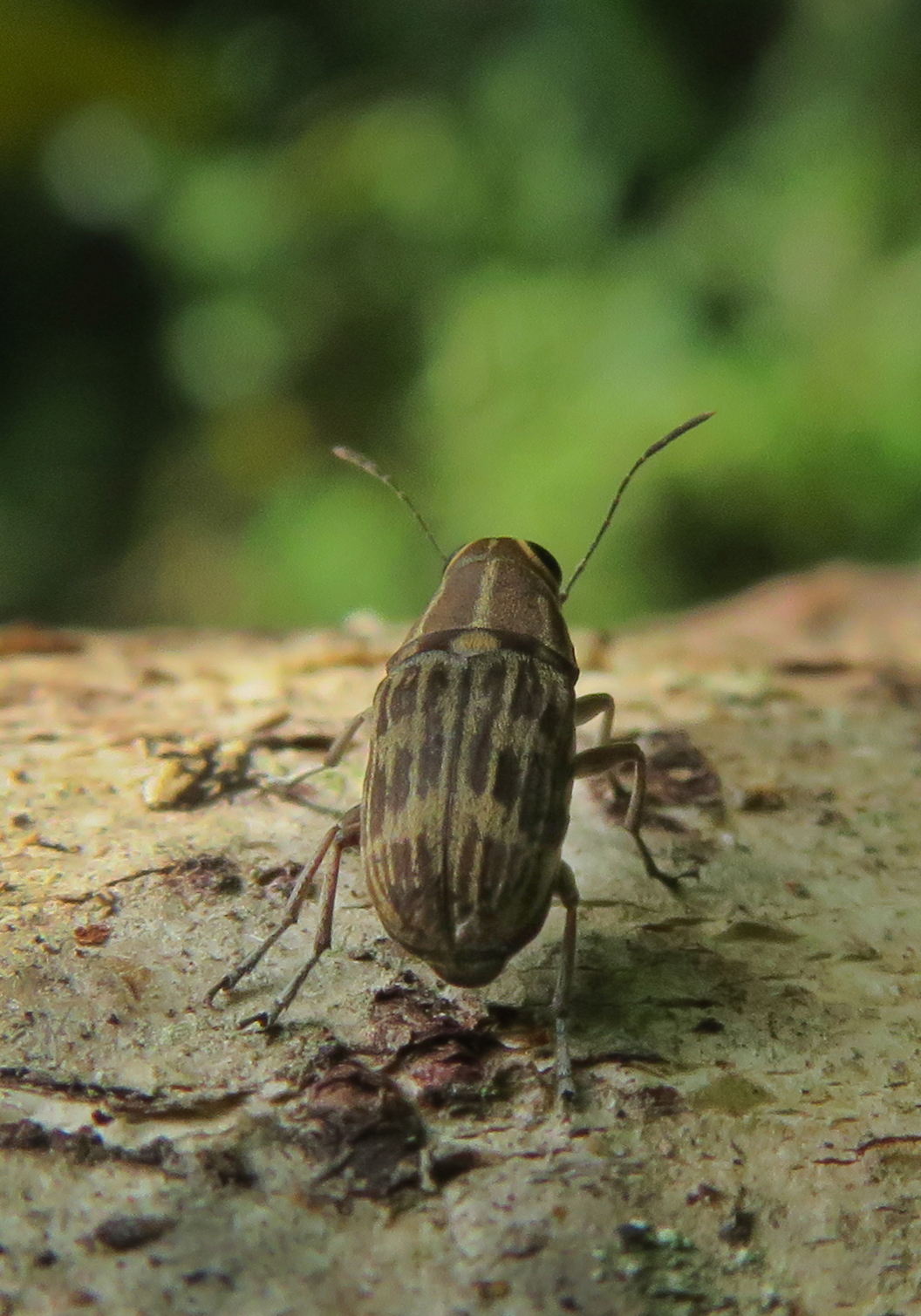
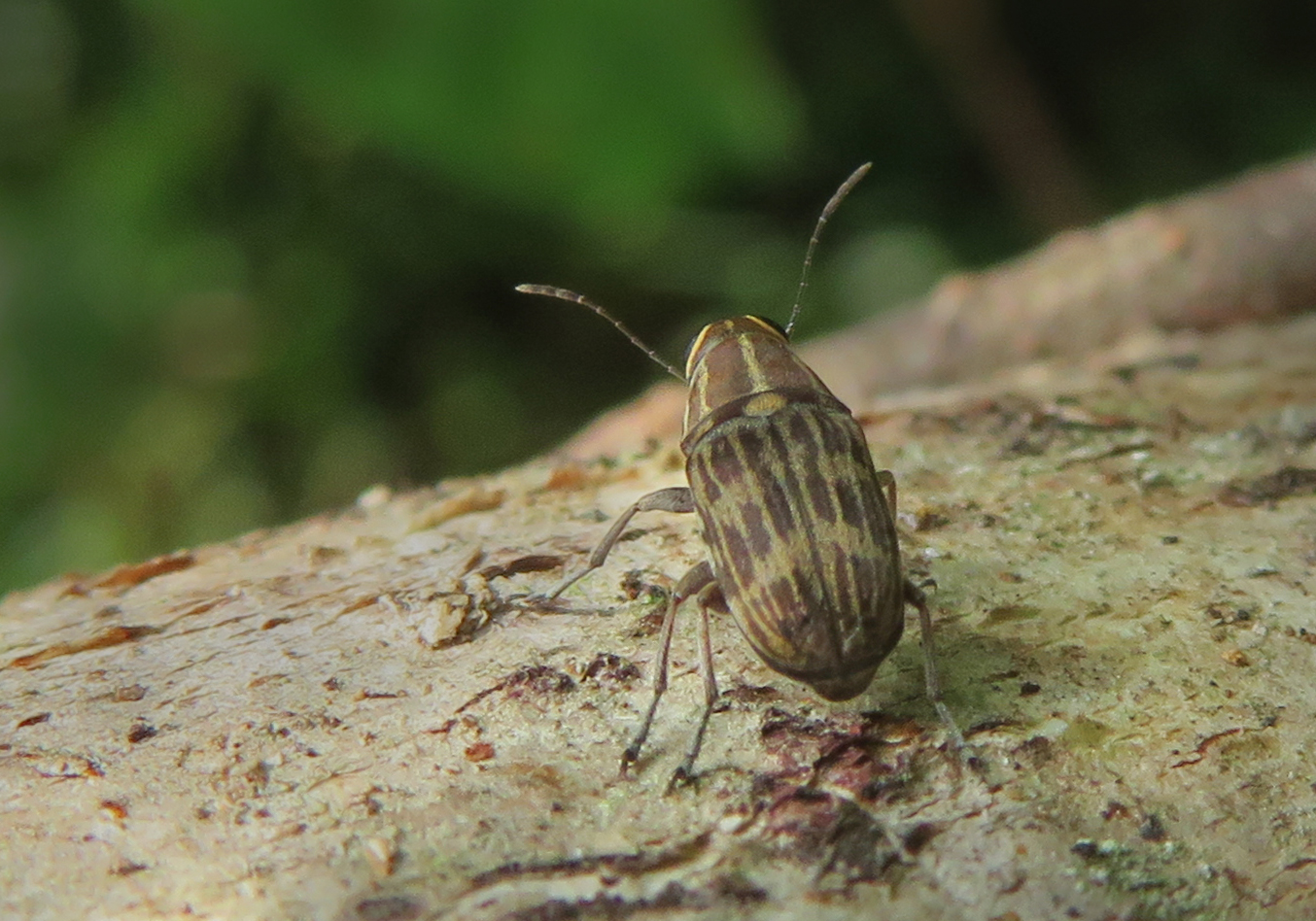
Anthribidae, commonly known as fungus weevils or fungus snout beetles, is a distinctive family within the superfamily Curculionoidea (Order Coleoptera). The family is distributed worldwide and is especially diverse in tropical and subtropical forests, though many species also occur in temperate regions. Anthribidae are closely associated with fungi, decaying wood, and dead or dying plant material.
Adult Anthribidae are generally small to medium-sized beetles with a robust to elongate body form. Unlike true weevils (Curculionidae), they usually possess a short, broad rostrum rather than a long snout. Antennae are often straight (not elbowed), frequently clubbed, and inserted near the sides of the rostrum. Many species have rough or sculptured bodies covered with scales or setae, often forming cryptic patterns that provide camouflage on bark, wood, or fungal growths.
Larvae of Anthribidae typically develop in decaying wood, under bark, or within fungal fruiting bodies. They are soft-bodied and curved, feeding mainly on fungi, mold, or decomposing plant tissues. This feeding behavior distinguishes Anthribidae from most other curculionoid beetles, which are primarily plant feeders.
The family Anthribidae includes numerous genera and is sometimes divided into several subfamilies and tribes reflecting differences in morphology and ecology. Some species are associated with stored products or dried plant materials, but most are components of natural forest ecosystems with little economic impact.
Ecologically, Anthribidae plays an important role in decomposition processes and nutrient cycling by aiding in the breakdown of fungi and decaying plant matter. They contribute to forest health by participating in the recycling of organic material and supporting complex food webs. The combination of fungal associations, distinctive morphology, and ecological role makes Anthribidae a unique and important family within the weevil lineage.