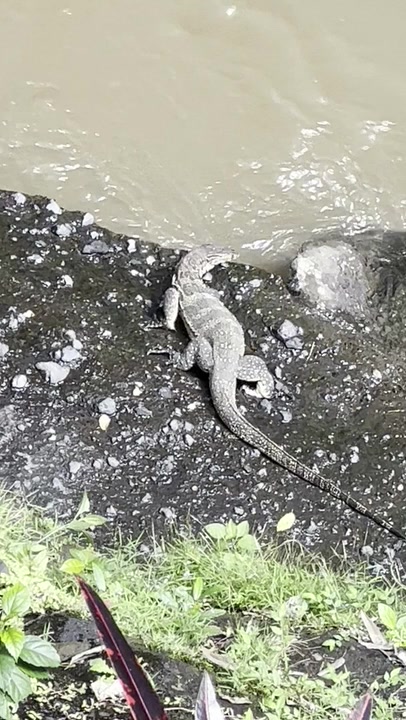
Bali Wildlife
Every Spices Matter


Anguimorpha is an infraorder of squamate reptiles within the clade Anguimorpha, encompassing a diverse assemblage of lizards characterized by distinctive cranial anatomy, specialized feeding adaptations, and, in some lineages, highly developed venom or toxin-associated systems. The group includes monitor lizards (Varanus), helodermatid lizards such as the Gila monster and beaded lizards, alligator lizards, glass lizards, and several other anguimorph lineages. Members occur across much of the world, with particularly high diversity in tropical and subtropical regions.
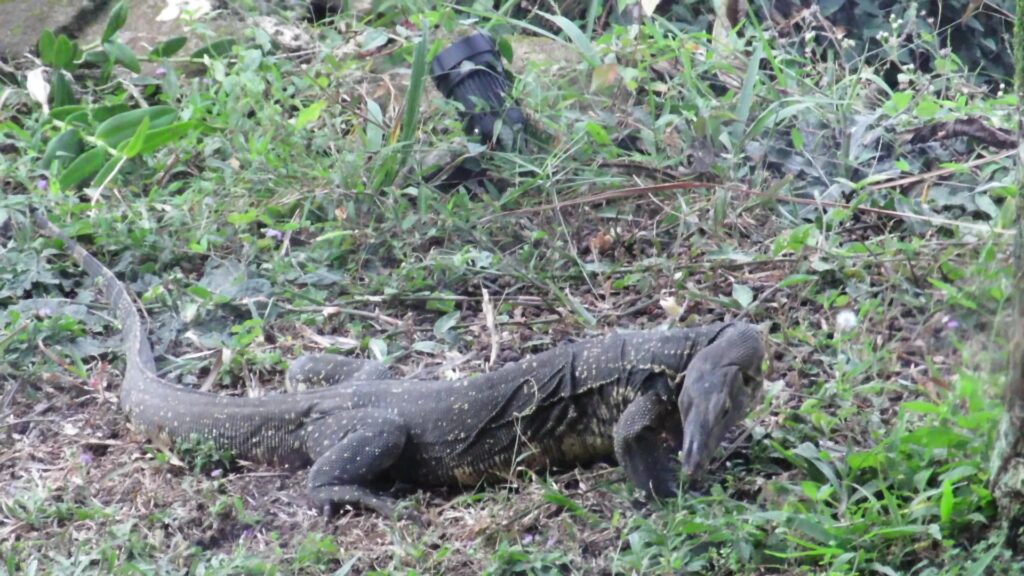
Anguimorphs display considerable variation in body form and lifestyle. Monitor lizards range from relatively small, slender species to the enormous Komodo dragon (Varanus komodoensis), while anguids include compact terrestrial lizards as well as elongated, limbless forms commonly known as glass lizards. Many species have robust bodies, strong jaws, and relatively powerful limbs, although the degree of limb reduction varies substantially among lineages. Their skin is covered with overlapping scales, and coloration ranges from subdued browns and grays to vivid patterns of green, yellow, orange, and black.
A major characteristic of Anguimorpha is their specialized skull and jaw structure. Many members possess relatively powerful jaws and modifications that allow them to process a wide variety of prey. Several anguimorph lineages have developed forms of cranial kinesis, permitting controlled movement between portions of the skull during feeding. Monitor lizards in particular possess strong neck and jaw musculature, forked tongues, and highly developed sensory systems that assist in locating prey.
Feeding strategies are diverse. Smaller species may consume insects, spiders, snails, and other invertebrates, whereas larger anguimorphs can take frogs, lizards, snakes, birds, eggs, mammals, carrion, and other substantial prey. Monitor lizards are especially versatile predators and scavengers, with some species capable of exploiting aquatic prey, while others specialize in arboreal or terrestrial hunting. The Gila monster and beaded lizards are unusual among lizards in possessing venom-delivery adaptations associated with the lower jaw, which they use primarily in subduing prey rather than actively injecting venom through specialized fangs.
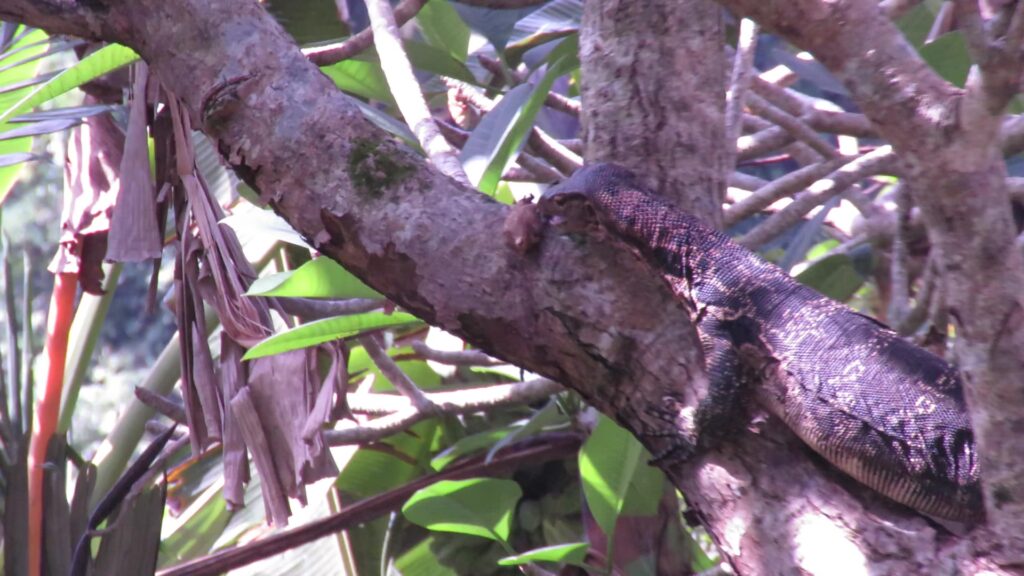
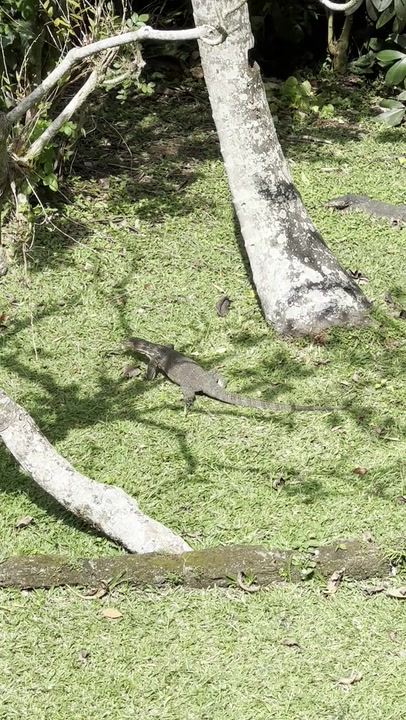
Most anguimorphs are active predators, although their hunting methods range from active pursuit to ambush and opportunistic foraging. Monitor lizards often rely heavily on their sense of smell, using their long, forked tongues to collect chemical particles and transfer them to the Jacobson’s organ. Arboreal species can move efficiently through vegetation, while terrestrial species may be powerful runners or burrowers. Some anguids have evolved elongated bodies and reduced limbs, producing a superficially snake-like appearance despite their lizard ancestry.
Reproduction varies among the different lineages. Many species are oviparous, laying eggs in soil, leaf litter, cavities, or other protected locations. Others are viviparous, retaining developing embryos within the reproductive tract until birth. Depending on the species, females may construct nests, guard eggs, or select warm and humid sites that provide suitable incubation conditions. Hatchlings and newborns are generally independent soon after emergence or birth and must locate food and shelter without prolonged parental care.
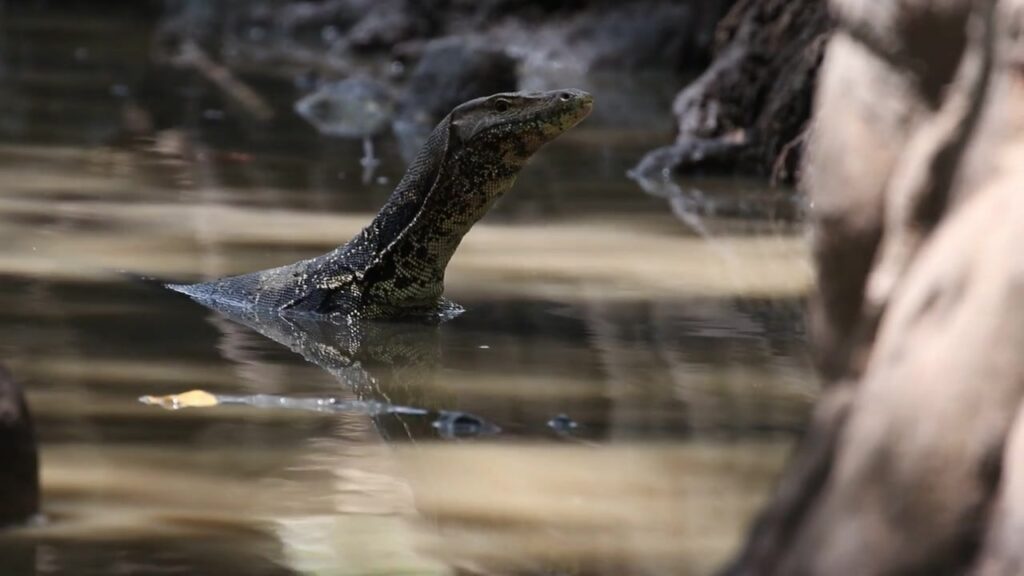
Anguimorpha occupies a wide range of habitats, including rainforests, savannas, dry forests, deserts, grasslands, wetlands, rocky environments, and temperate woodlands. Some monitor lizards are strongly associated with rivers, lakes, mangroves, and coastal habitats, whereas others are adapted to arid landscapes. Their ecological flexibility has allowed anguimorphs to diversify into terrestrial, arboreal, semi-aquatic, and fossorial niches.
Representative anguimorph groups include the Varanidae (monitor lizards), Helodermatidae (Gila monster and beaded lizards), Anguidae (alligator and glass lizards), and several other lineages historically or currently placed within Anguimorpha. The exact limits and internal relationships of the infraorder have been subject to phylogenetic revision, particularly concerning the placement of several extinct and poorly known lineages.
Ecologically, Anguimorpha includes some of the most important medium- to large-sized reptilian predators in many terrestrial ecosystems. By consuming insects, mollusks, other reptiles, birds, mammals, carrion, and other resources, these lizards can influence prey populations and nutrient cycling. Their diversity in body size, morphology, habitat use, and feeding strategy makes Anguimorpha an important lineage for understanding the evolution and ecological diversification of squamate reptiles.