Bali Wildlife
Every Spices Matter


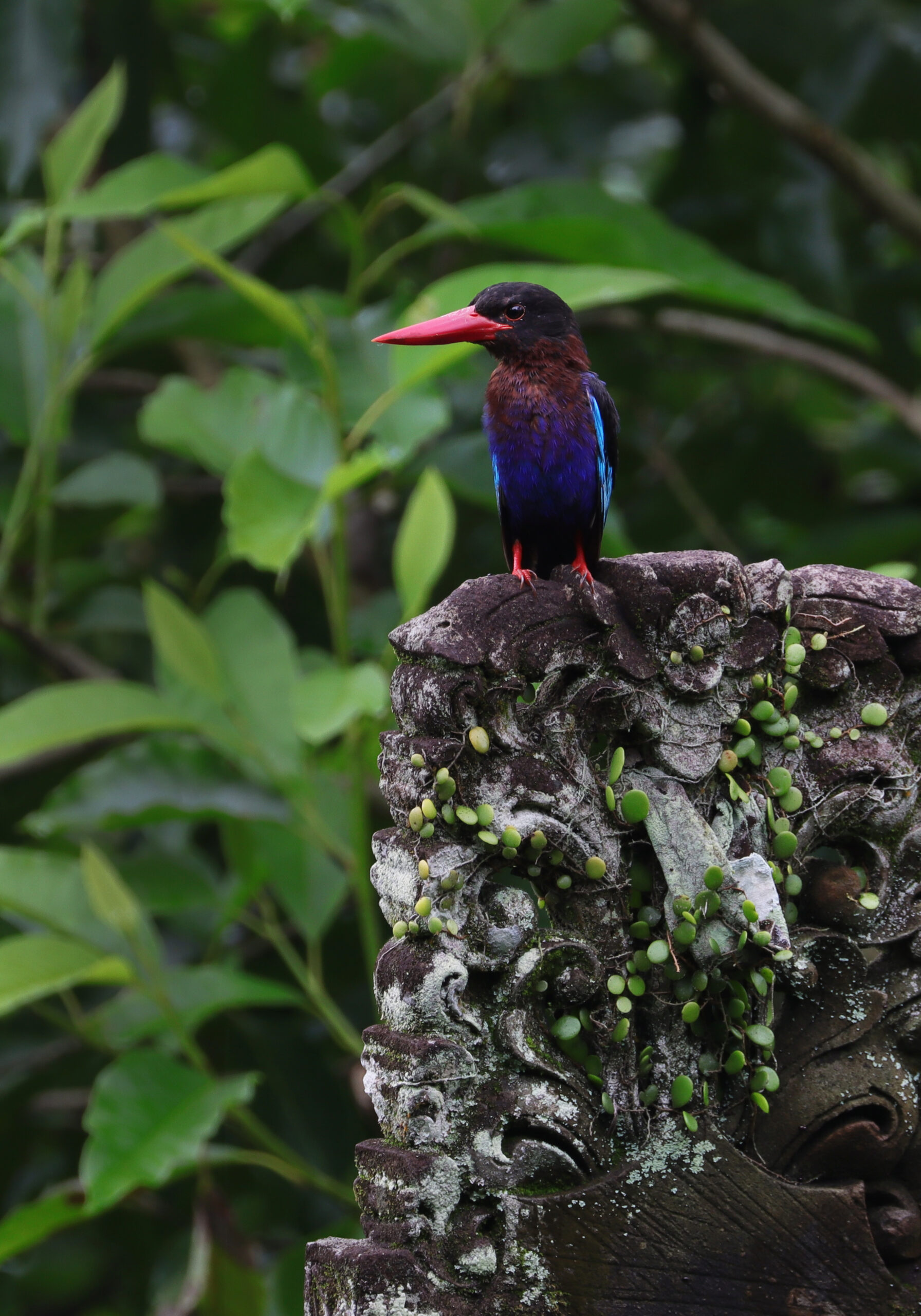
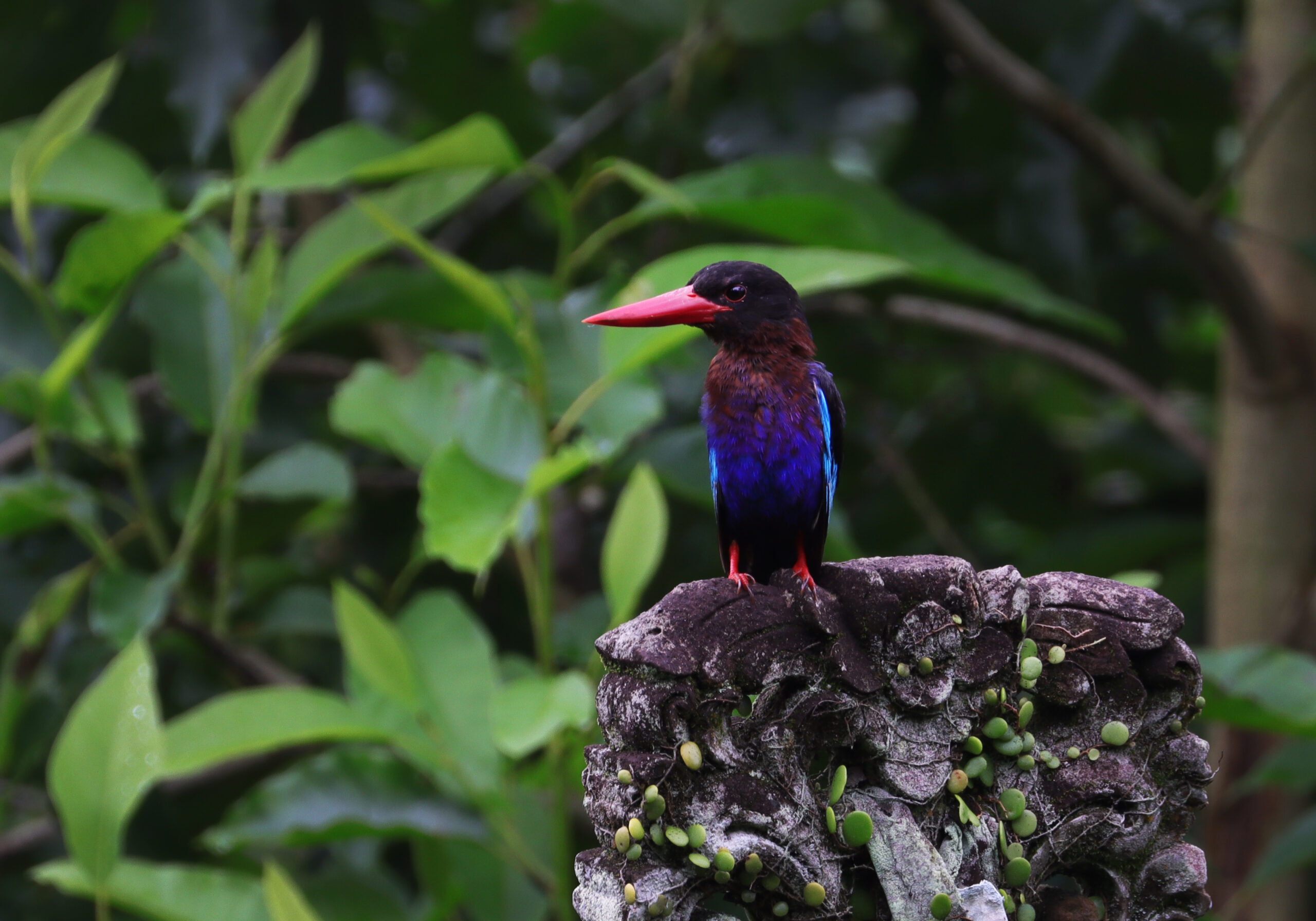
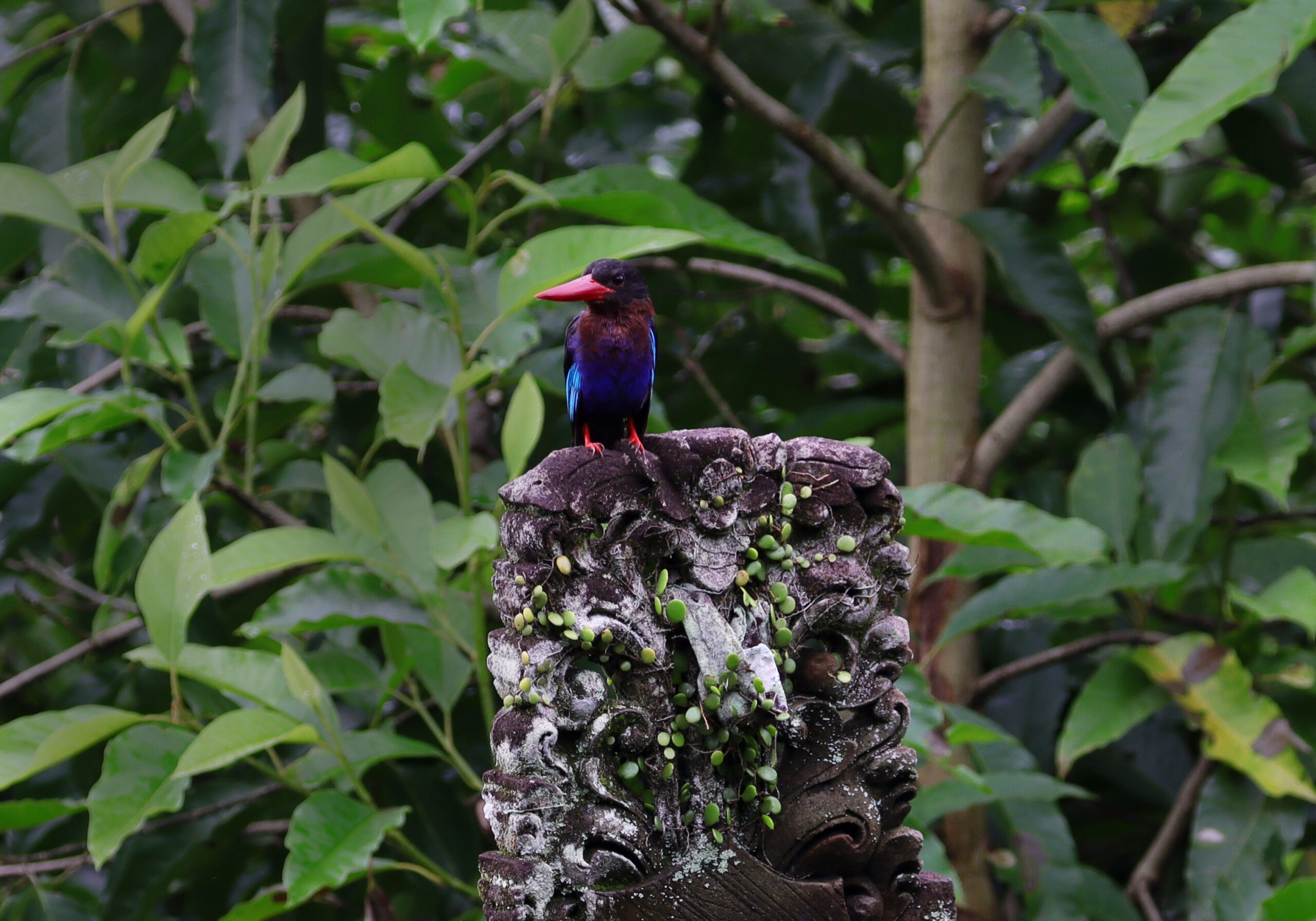
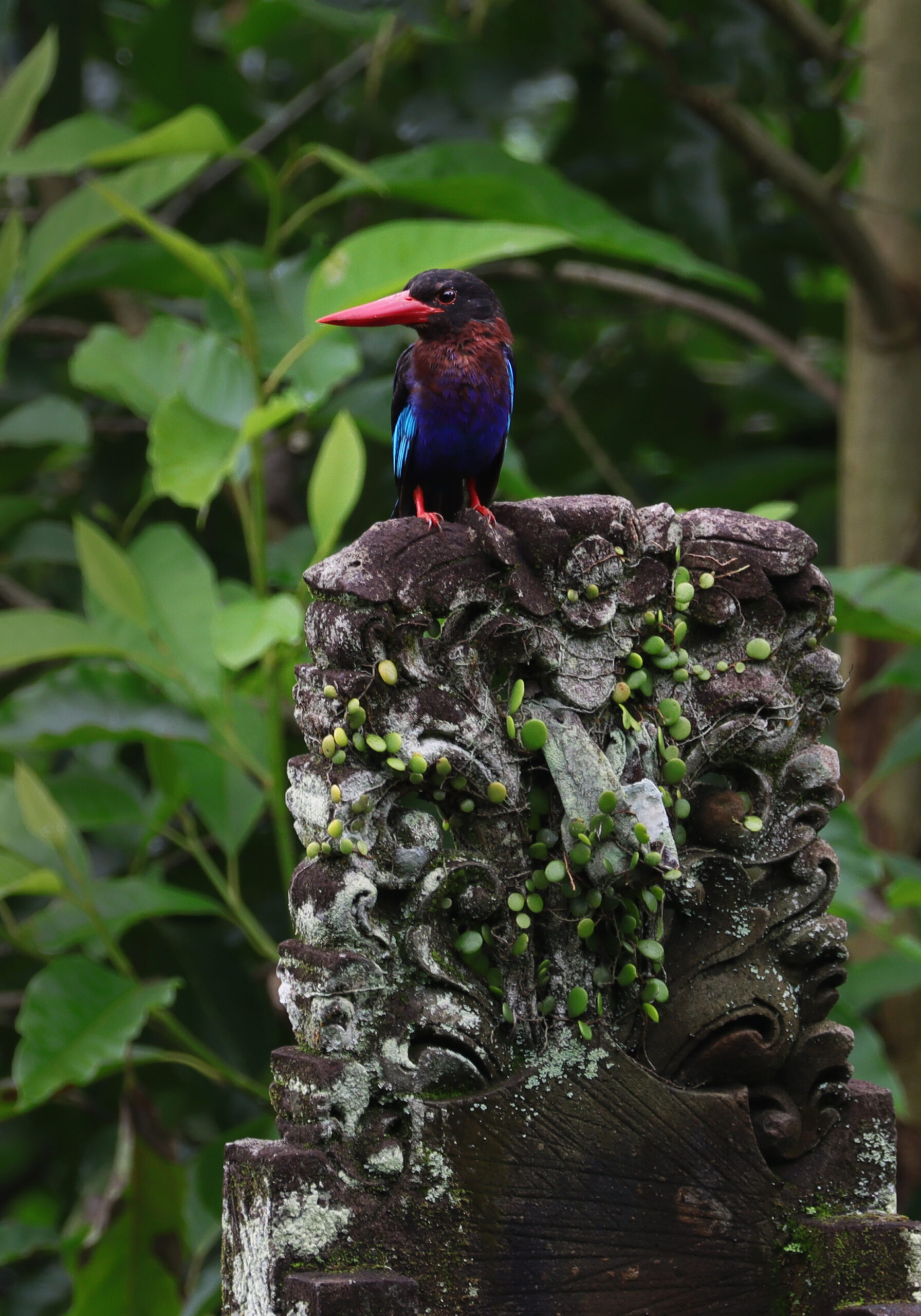
Alcedinidae is a family within the order Coraciiformes that comprises the river kingfishers. Members of this family are widely distributed across Africa, Asia, Europe, and Australasia, particularly in tropical and subtropical regions.
Alcedinidae species are generally small to medium-sized birds characterized by compact bodies, short necks, large heads, and long, pointed bills. Their plumage is often bright and iridescent, commonly featuring shades of blue, turquoise, green, orange, or white. These vivid colors are produced not only by pigments but also by structural coloration in the feathers.
Most members of Alcedinidae are closely associated with freshwater habitats such as rivers, streams, lakes, and wetlands. However, some species inhabit forests or coastal areas. They are primarily carnivorous, feeding on fish, aquatic invertebrates, crustaceans, and occasionally insects or small vertebrates. River kingfishers typically hunt by perching above water and diving swiftly to capture prey with their bills.
Alcedinidae species usually nest in burrows excavated in earthen banks near water. Both parents commonly participate in incubating the eggs and feeding the chicks.
Ecologically, these birds play an important role in controlling aquatic prey populations and serve as indicators of healthy freshwater ecosystems due to their sensitivity to water quality and habitat disturbance.