Bali Wildlife
Every Spices Matter


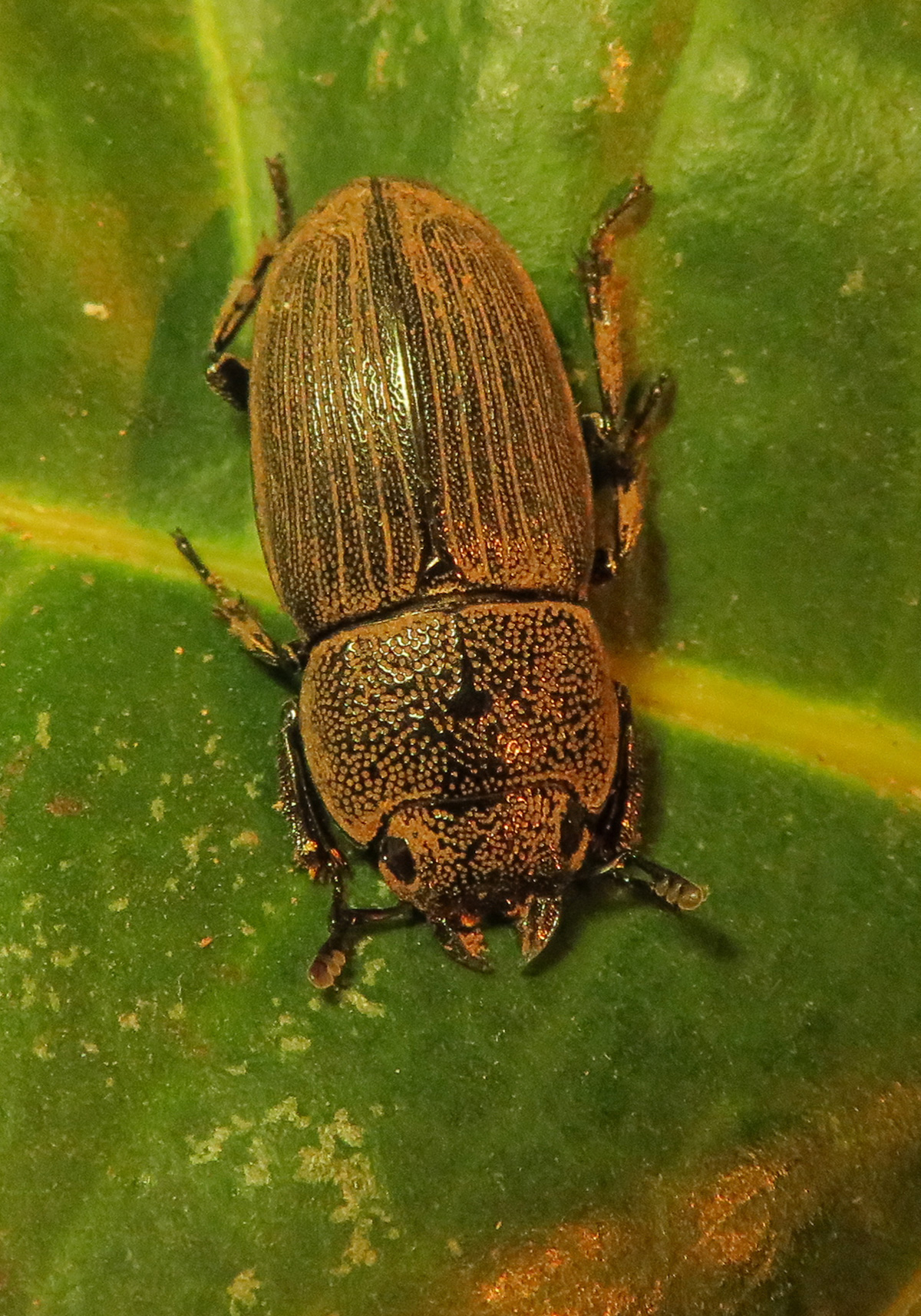
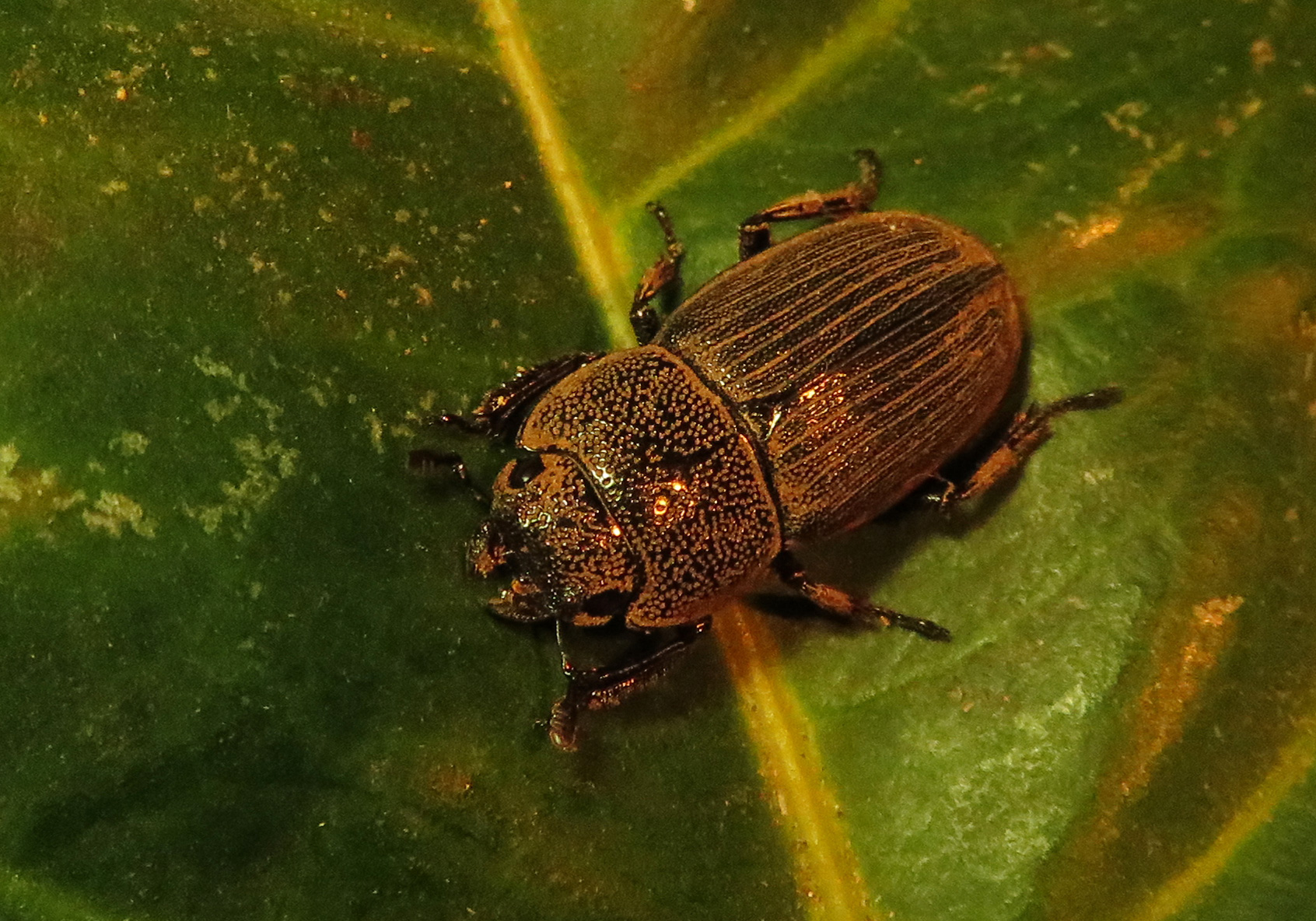
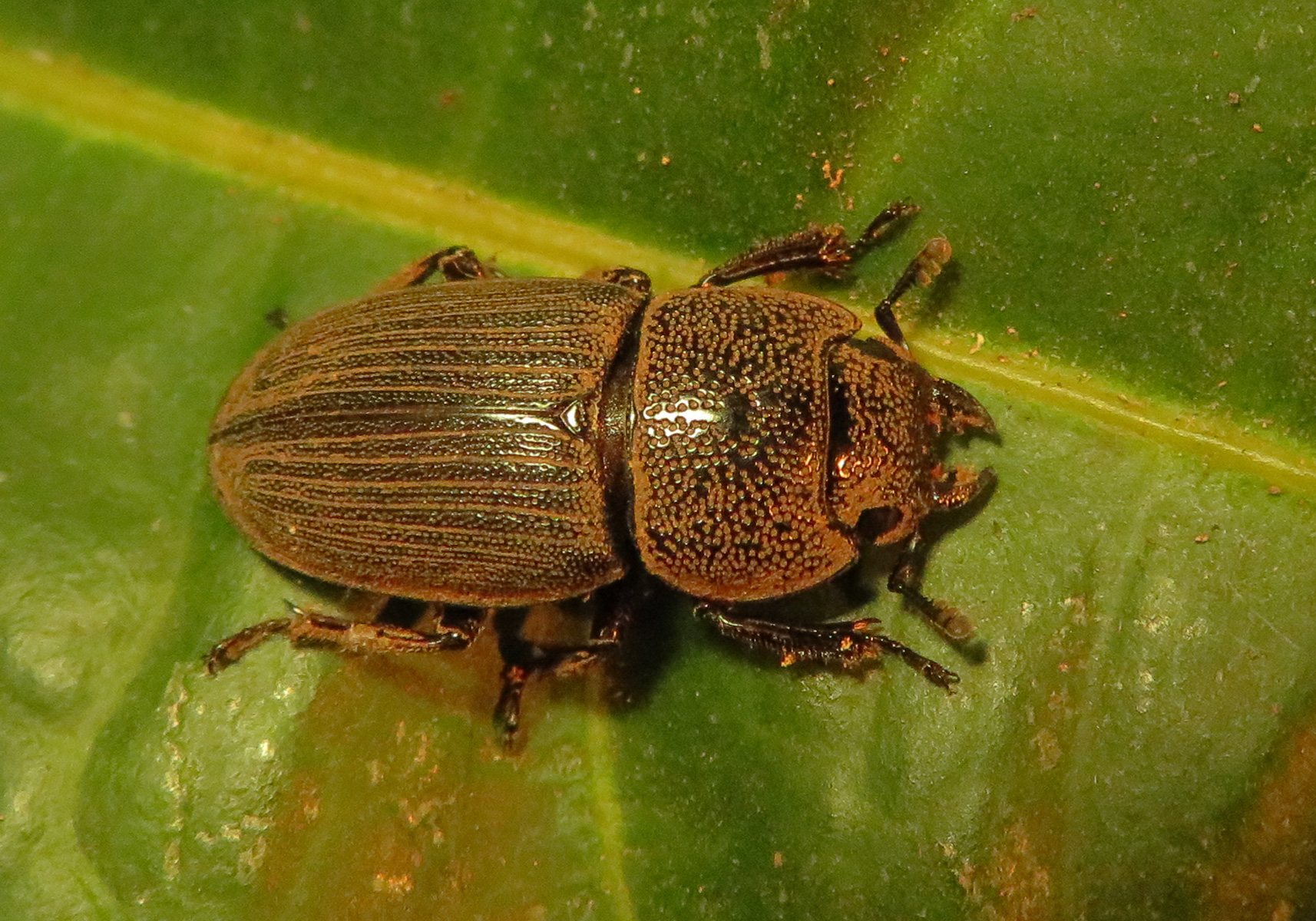
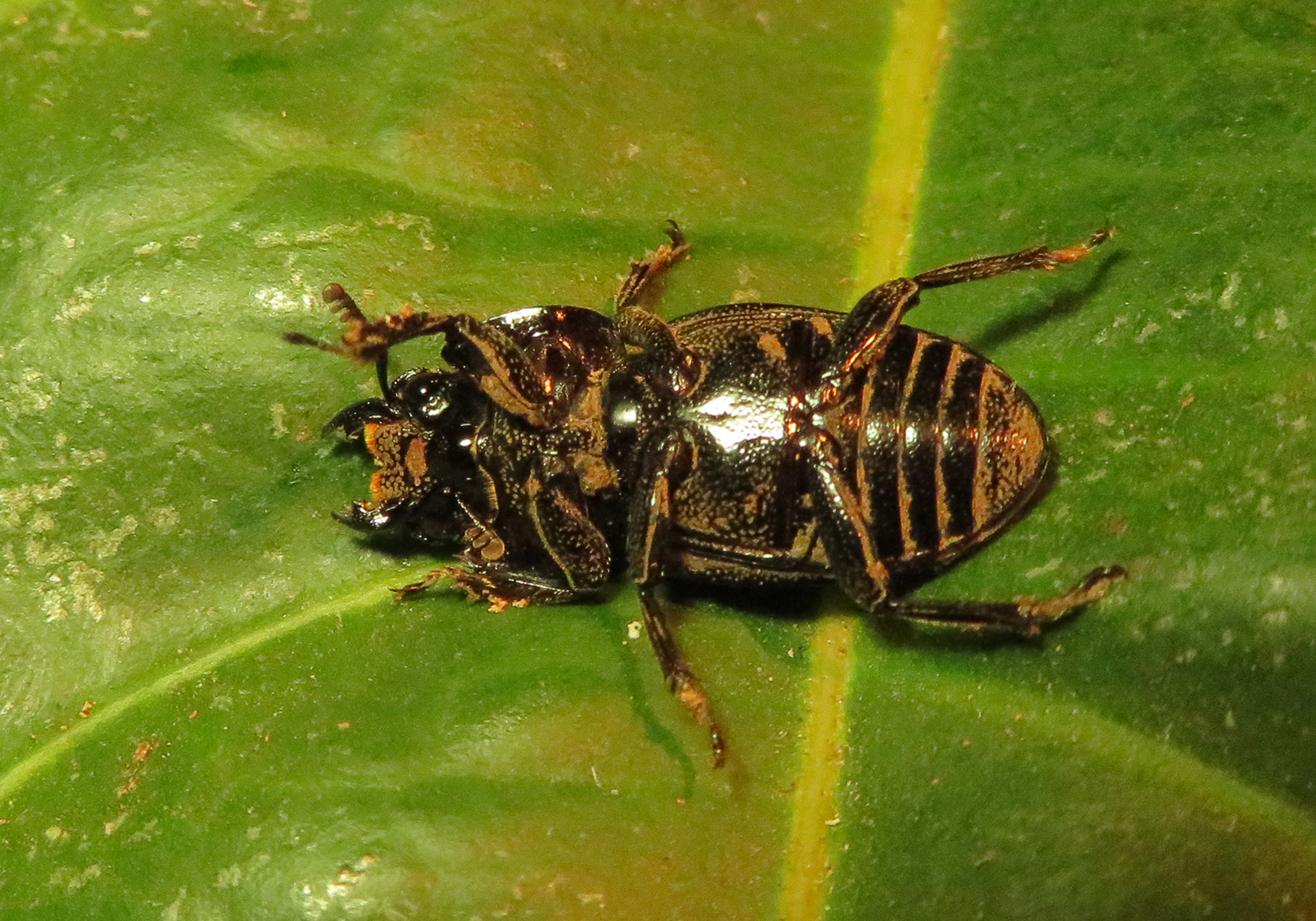
Aegus is a genus of stag beetles within the tribe Aegini, subfamily Lucaninae (Family Lucanidae, Order Coleoptera). The genus is distributed mainly in the Old World tropics, with its greatest diversity in Southeast Asia, including Indonesia, Malaysia, Thailand, and surrounding regions. Species of Aegus are primarily associated with forested habitats, ranging from lowland rainforests to montane forests.
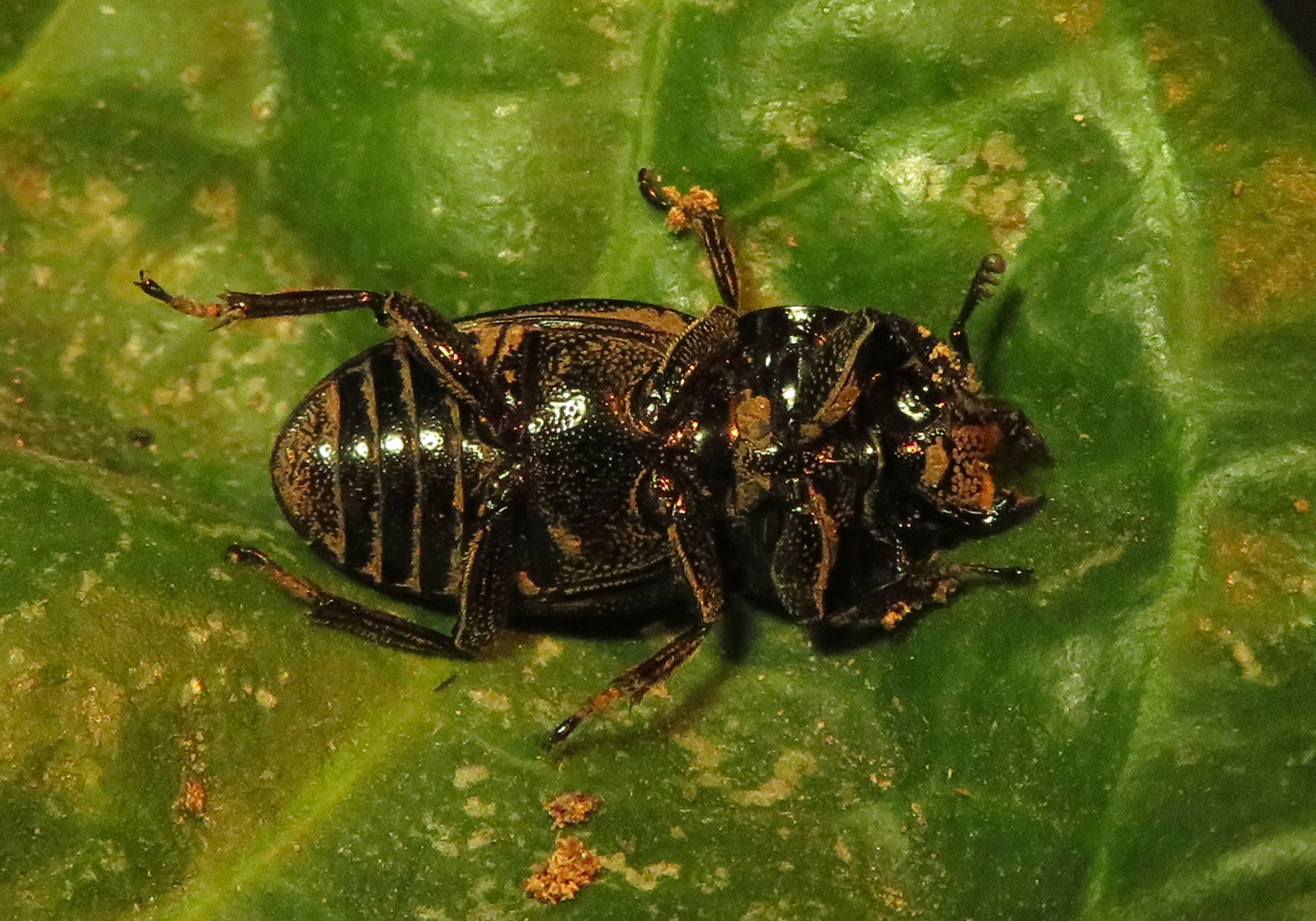
Adult Aegus beetles are medium to large in size and have a robust, elongate body form typical of lucanids. Males possess moderately developed mandibles that are curved and sometimes toothed, used in combat with rival males rather than for feeding. Compared to some other stag beetle genera, the mandibles of Aegus are usually less exaggerated but still clearly sexually dimorphic. Coloration is generally dark brown to black, often with a matte or slightly glossy surface.
Larvae of Aegus are large, C-shaped grubs that develop within decaying wood such as rotting logs, stumps, or fallen branches. They feed on decomposed wood enriched with fungi and microorganisms, and their development may take several years before pupation. This life history ties the genus closely to mature forest ecosystems with sufficient deadwood.
Adults are typically nocturnal or crepuscular and are often attracted to tree sap flows, fermenting fruits, or artificial lights at night. Feeding in adults mainly involves consuming sap or other sugary exudates rather than solid plant material.
Ecologically, Aegus species contribute to forest nutrient cycling through their wood-feeding larval stage and serve as part of forest food webs. Due to their dependence on intact forest habitats, they can be sensitive to deforestation and habitat disturbance. The genus Aegus is a characteristic and recognizable component of Southeast Asian stag beetle fauna, valued for its sturdy appearance and ecological role in forest ecosystems.