Bali Wildlife
Every Spices Matter


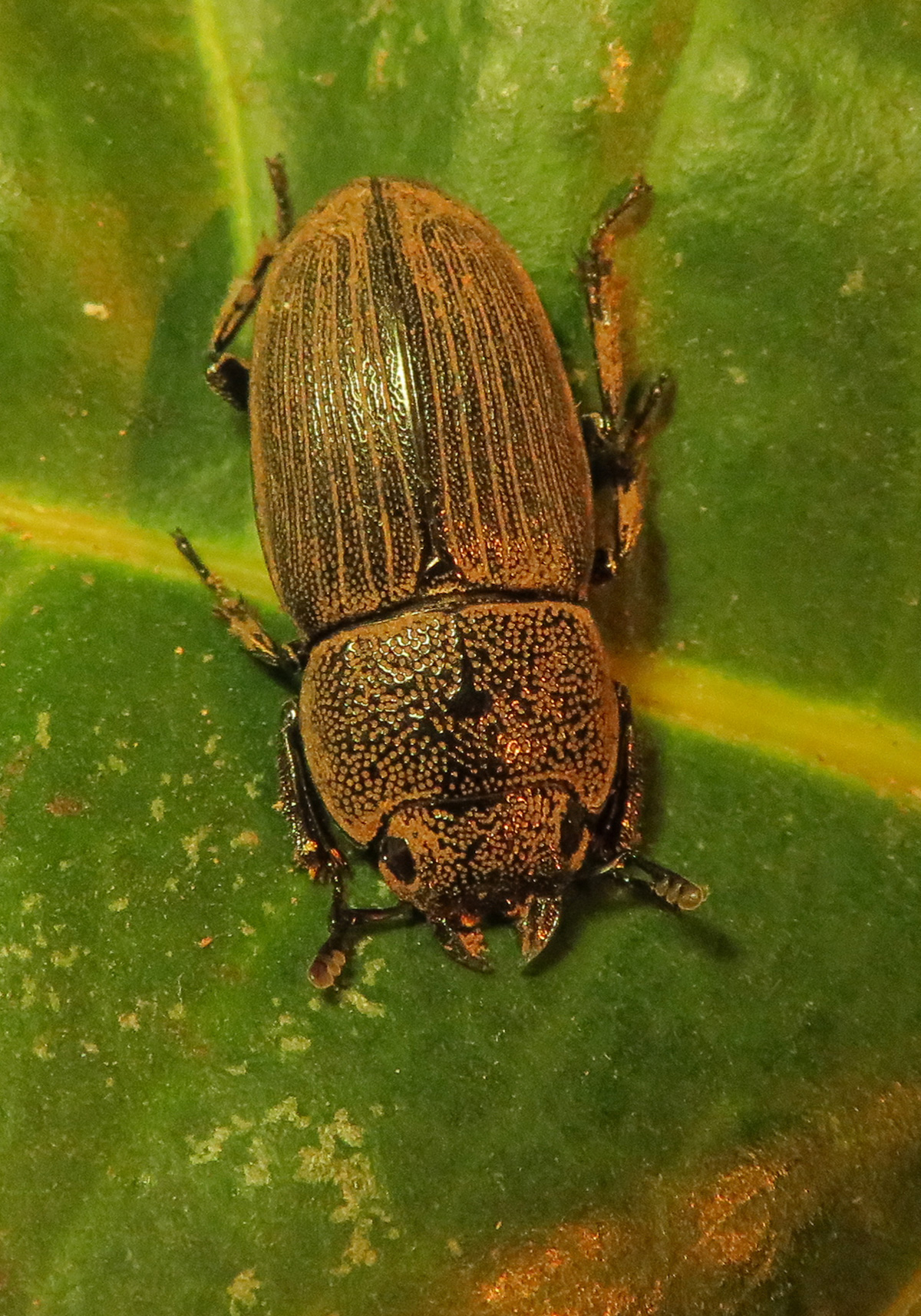
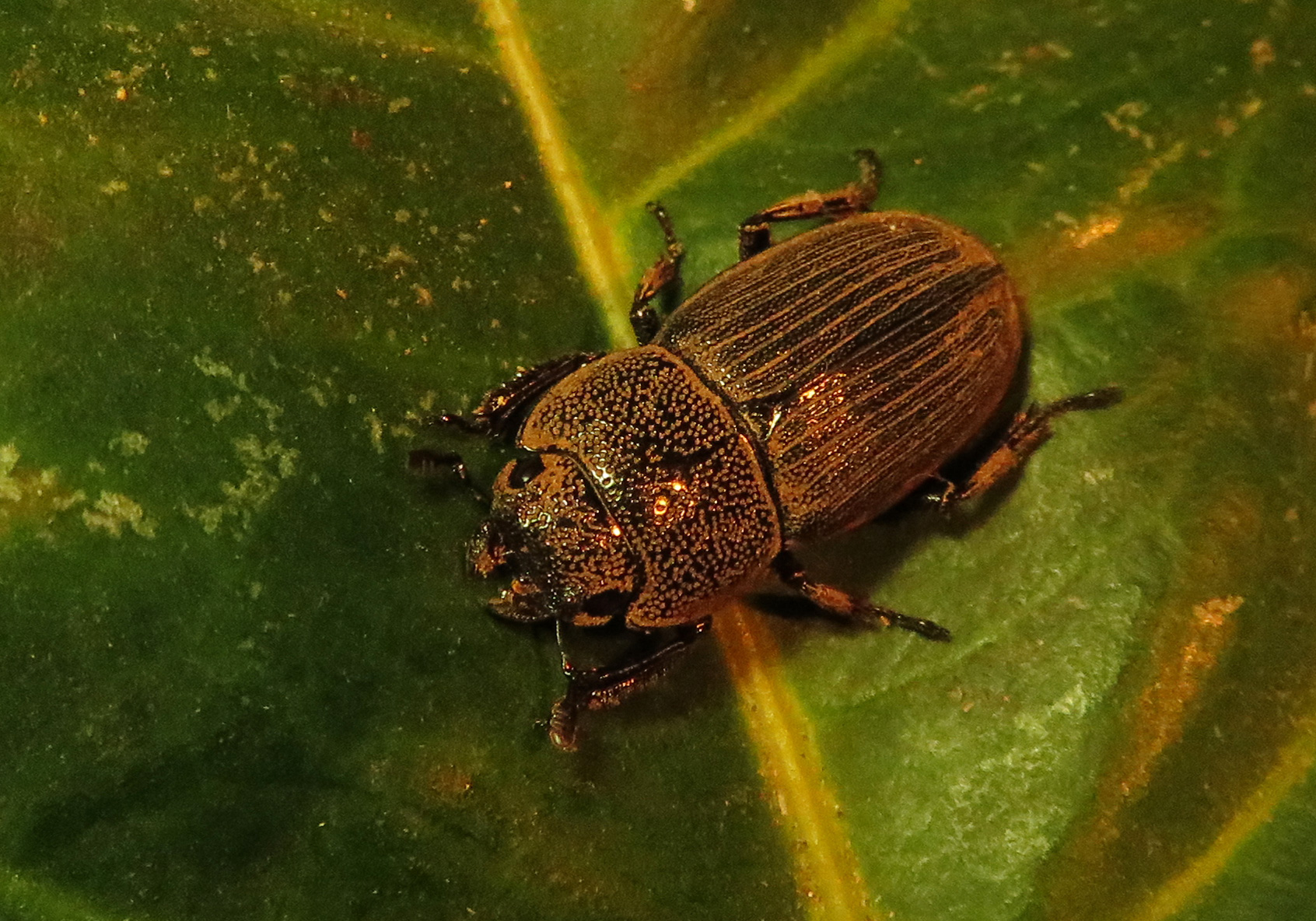
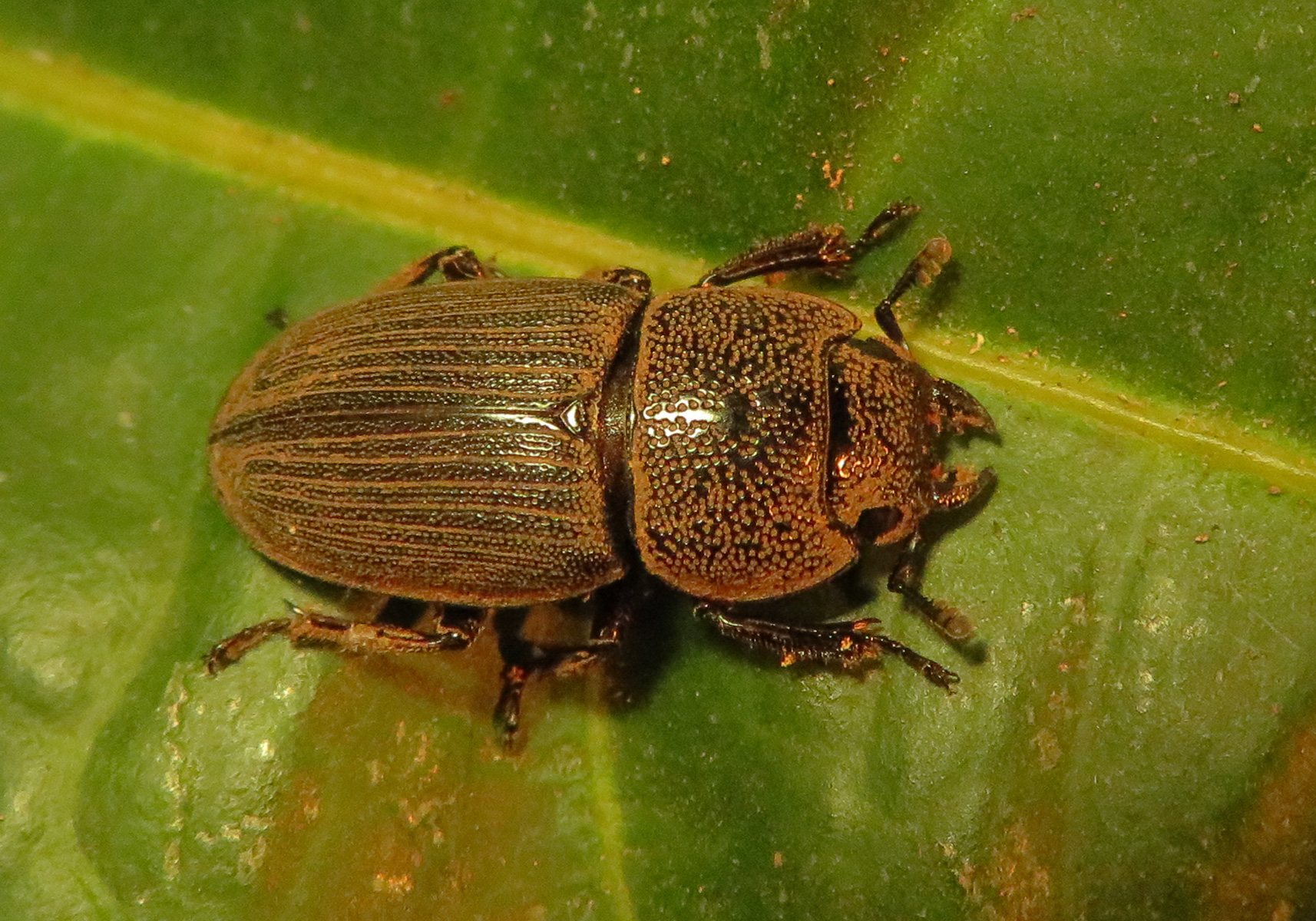
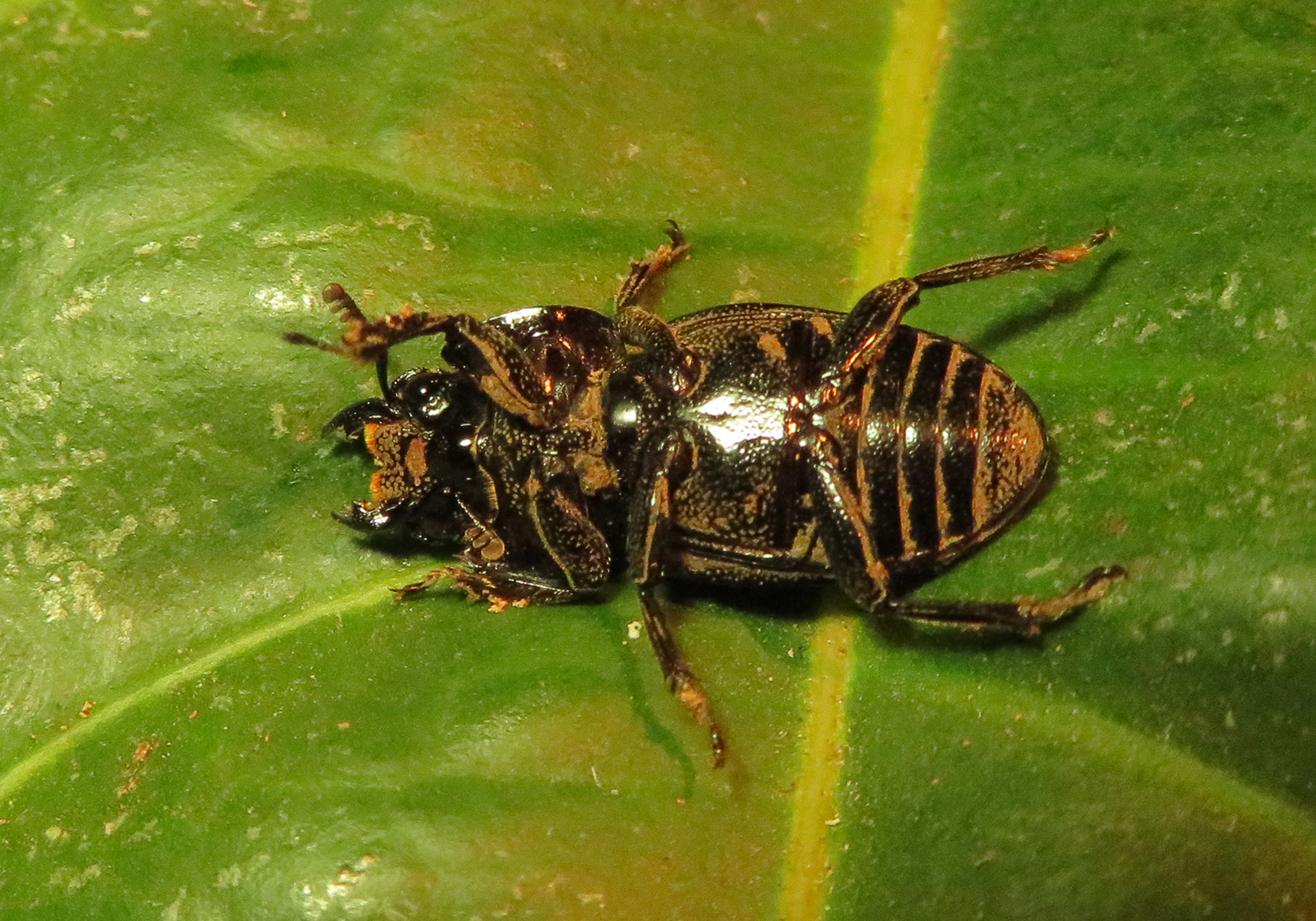
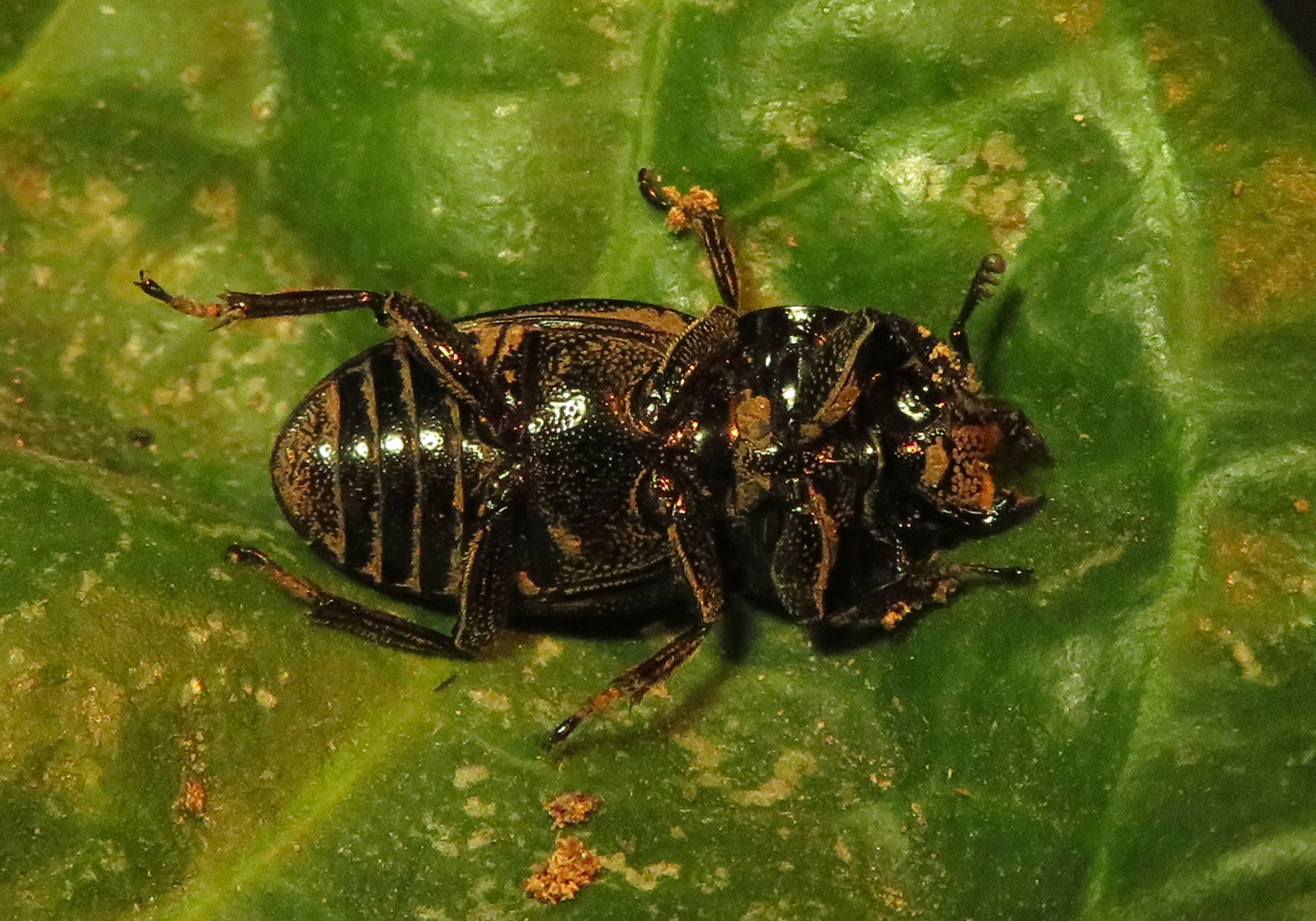
Aegini is a tribe within the subfamily Lucaninae of the family Lucanidae (Order Coleoptera). This tribe is primarily distributed in the Old World tropics, with a notable diversity in Southeast Asia, South Asia, and parts of East Asia. Members of Aegini are typically associated with forested habitats, particularly lowland and montane tropical forests rich in decaying wood.
Adult Aegini are generally medium to large stag beetles with robust, elongate bodies. Males often possess well-developed mandibles, which may be elongated and curved but are usually less exaggerated than those seen in some other lucanine tribes. These mandibles are used mainly in male-to-male competition rather than feeding. Coloration is commonly dark brown to black, sometimes with a matte or slightly glossy surface, giving them a sturdy and imposing appearance.
Larvae of Aegini are typical lucanid grubs, C-shaped and soft-bodied, developing within rotting logs, tree stumps, or decaying wood in forest environments. They feed on decomposed wood enriched by fungal activity and may require several years to reach maturity, making them highly dependent on stable forest ecosystems and the presence of deadwood.
The tribe Aegini includes notable genera such as Aegus, which contains some of the larger and more frequently encountered species of tropical stag beetles. Adults are often nocturnal and may be attracted to tree sap flows, fermenting fruits, or artificial lights at night.
Ecologically, Aegini plays an important role in forest nutrient cycling through their saproxylic larval stage, contributing to the breakdown of dead wood. Due to their reliance on mature forests, many species are sensitive to habitat loss and forest degradation. The tribe Aegini is of ecological and taxonomic interest as a characteristic component of tropical stag beetle diversity.