Bali Wildlife
Every Spices Matter


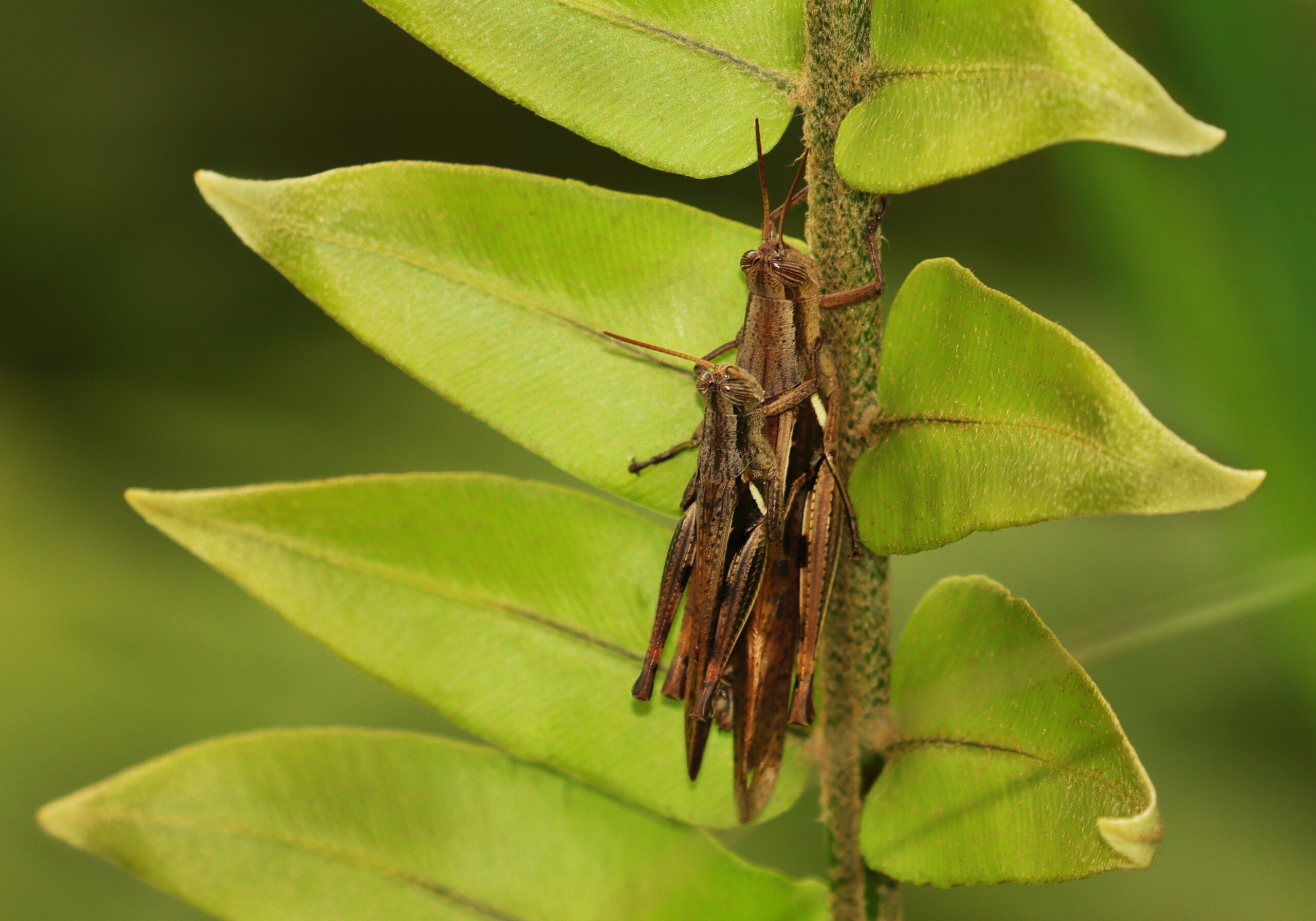
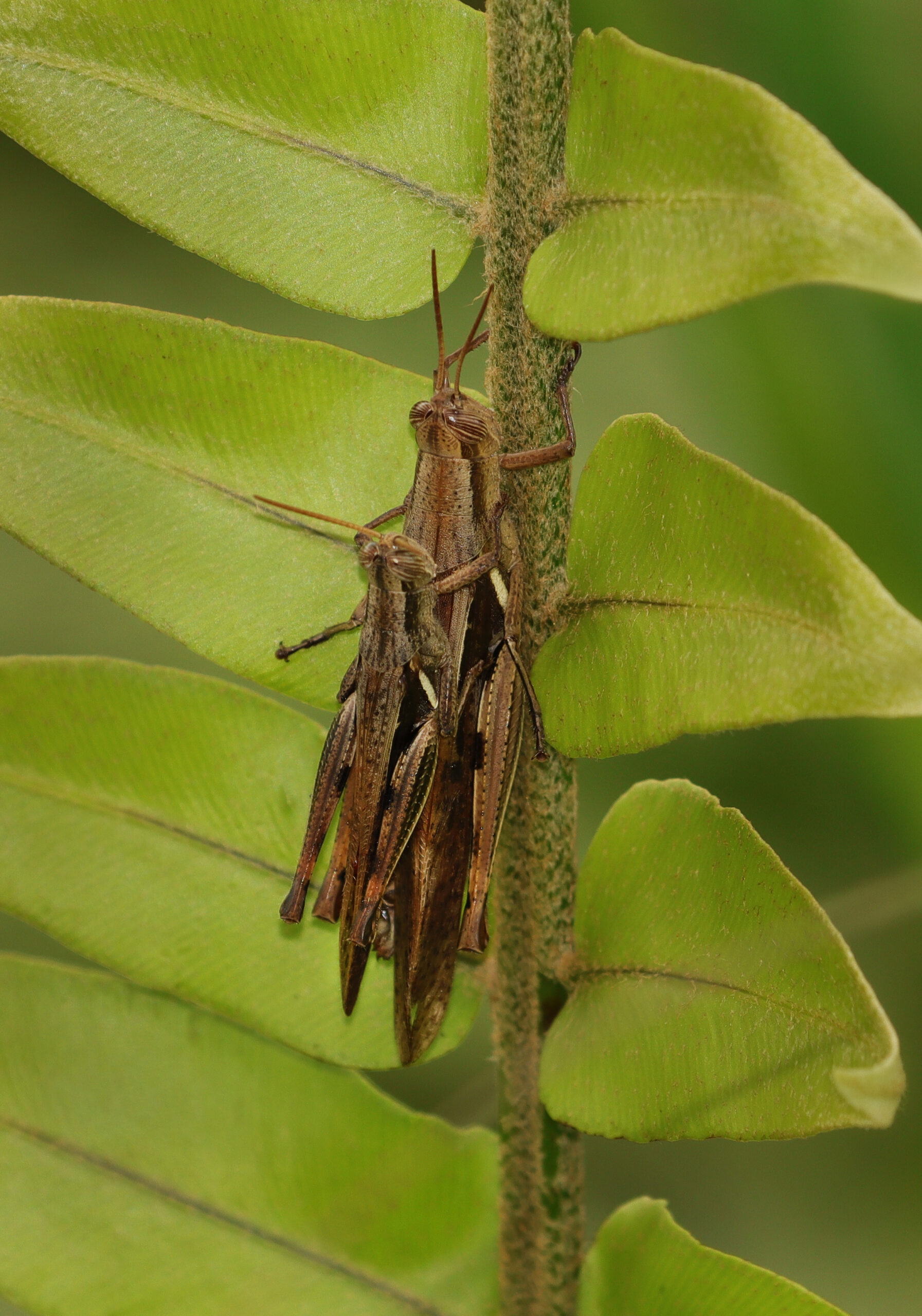
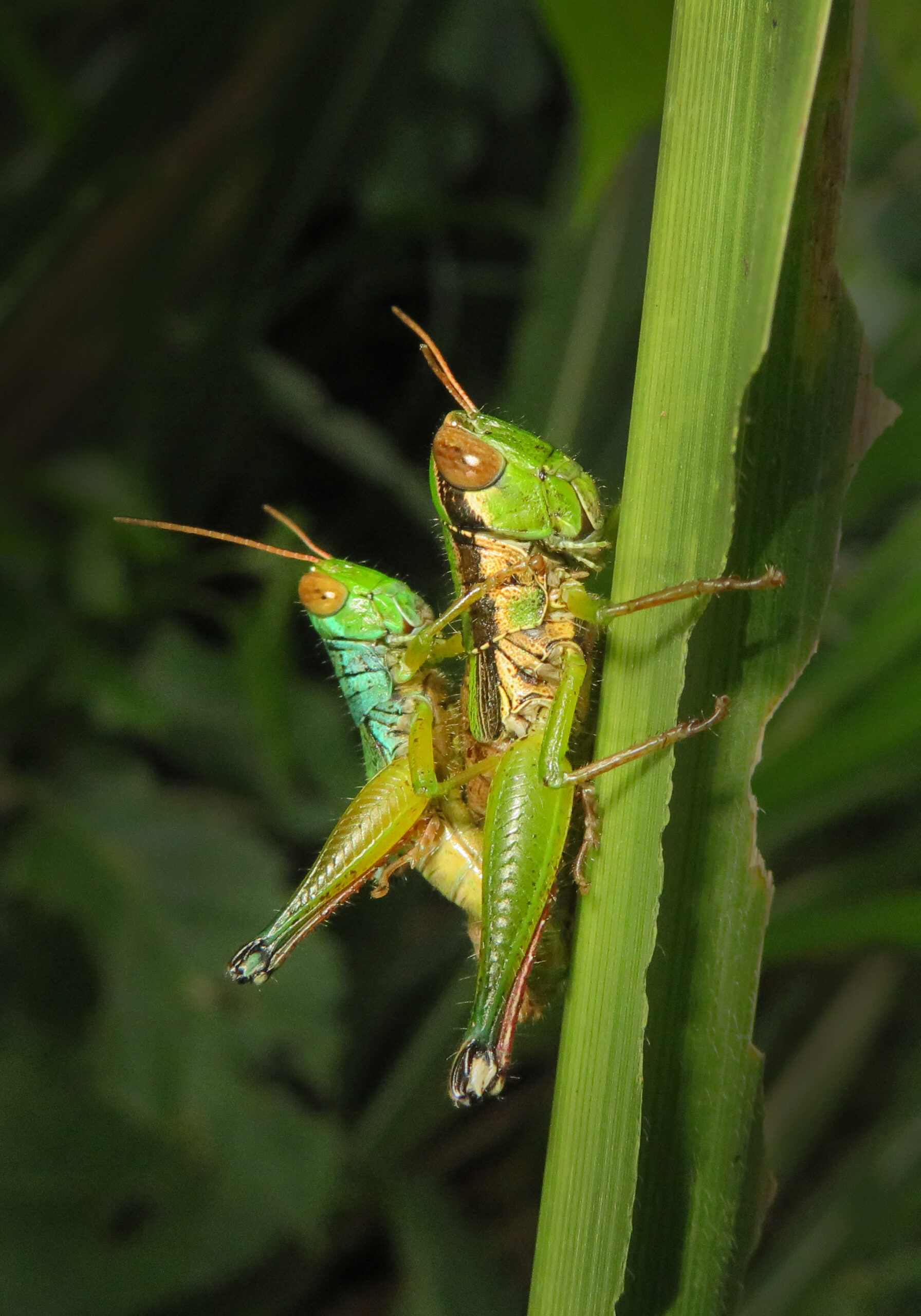
Acridoidea is the largest and most diverse superfamily within the infraorder Acrididea (Suborder Caelifera, Order Orthoptera), encompassing the true grasshoppers and locusts. The superfamily has a global distribution, occurring on all continents except Antarctica, and is especially abundant in open and semi-open habitats such as grasslands, savannas, deserts, steppes, agricultural fields, and alpine regions.
Members of Acridoidea are generally medium to large-sized insects with a robust body and powerful hind legs adapted for jumping. They are characterized by relatively short antennae, usually shorter than the head and pronotum combined, and well-developed compound eyes. The pronotum is saddle-shaped and may be smooth or keeled. Forewings (tegmina) are typically narrow and leathery, serving as protective covers, while the hind wings are broad, membranous, and often used for sustained flight.
Stridulation is common in Acridoidea and is typically produced by rubbing the hind femora against the forewings or abdomen. These sounds play an important role in communication, particularly during courtship and territorial interactions. Tympanal organs used for hearing are usually located on the sides of the first abdominal segment.
Acridoidea undergo hemimetabolous development. Females lay eggs in compact pods in the soil, often protected by a frothy secretion that hardens after deposition. Nymphs resemble adults but lack wings and mature reproductive organs, developing through a series of molts.
Ecologically, Acridoidea are primarily herbivorous, feeding mostly on grasses and other low-growing plants, though some species may feed on a wider range of vegetation. Several species, notably locusts, are capable of forming large migratory swarms that can cause extensive agricultural damage. At the same time, acridoid grasshoppers are essential components of terrestrial ecosystems, acting as major primary consumers and serving as prey for birds, reptiles, mammals, and invertebrate predators.