Bali Wildlife
Every Spices Matter


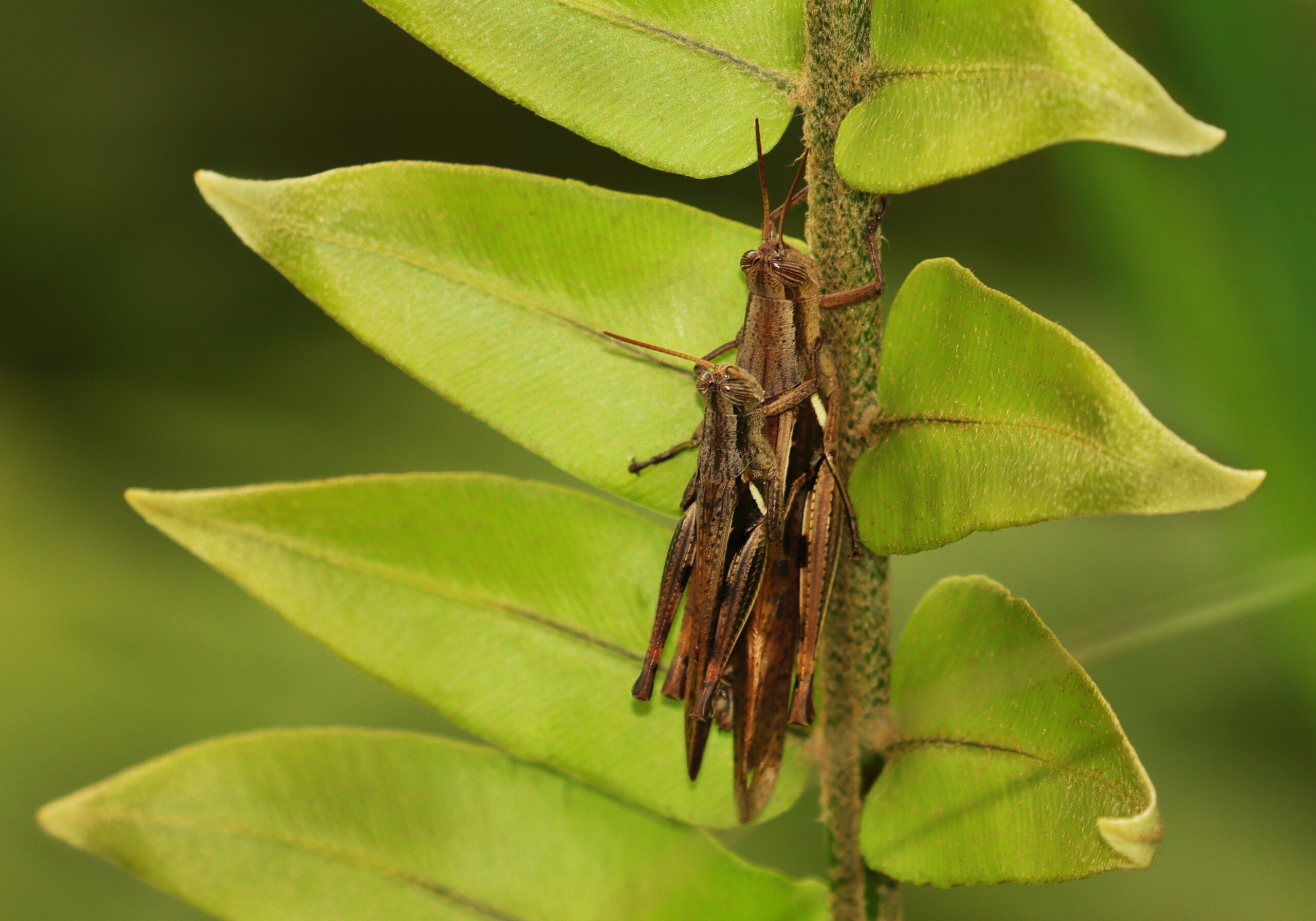
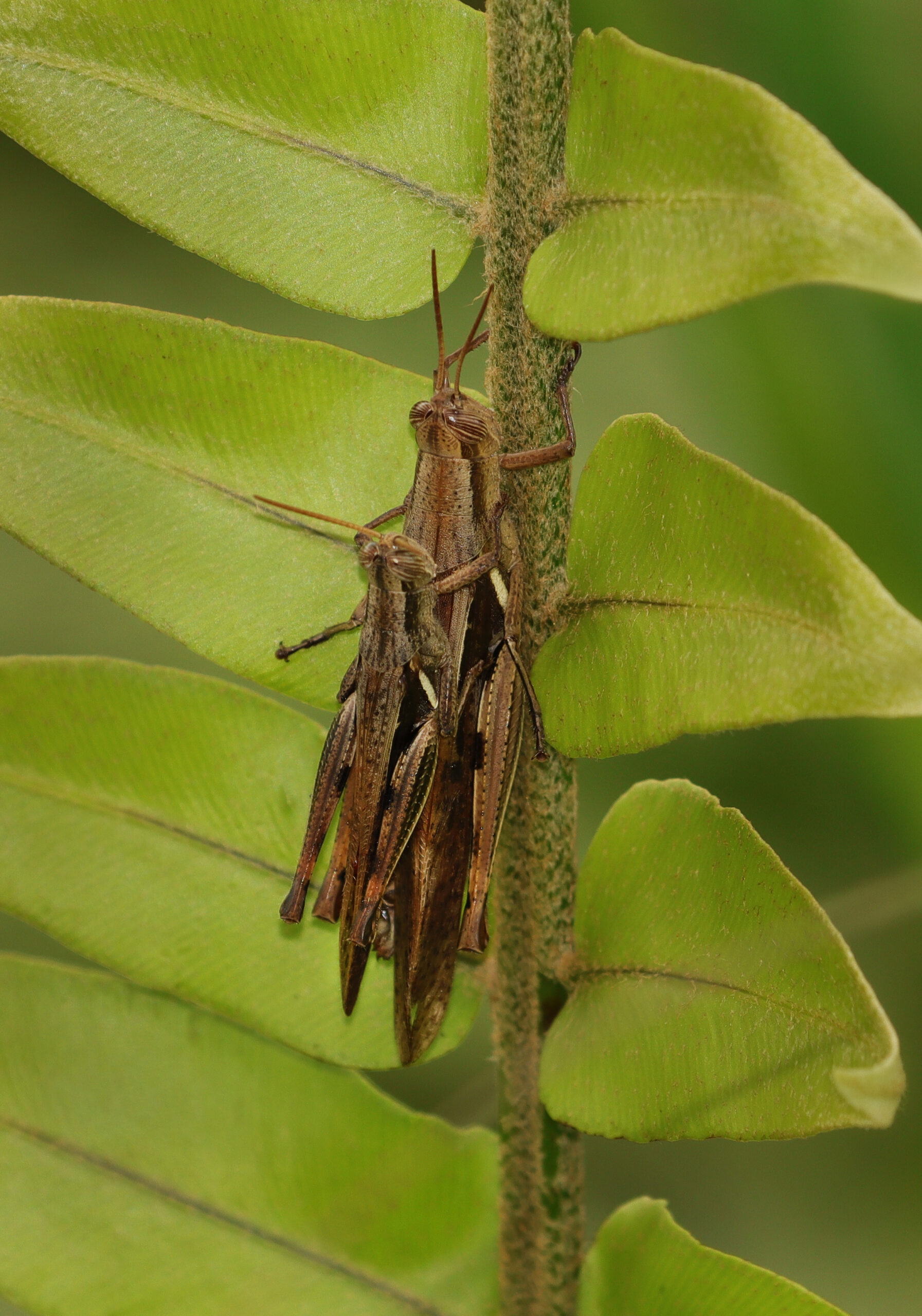
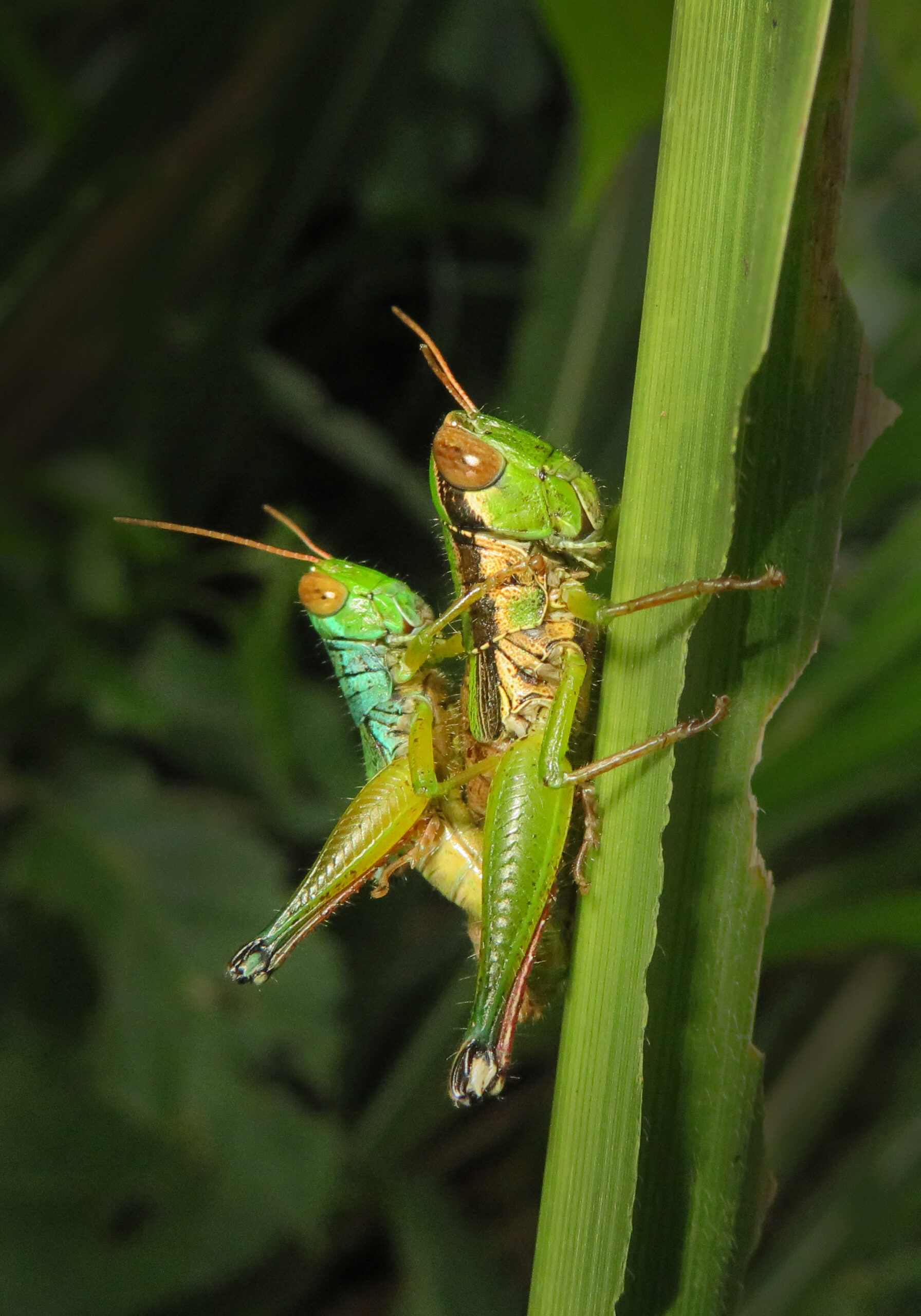
Acrididea is an infraorder within the suborder Caelifera (Order Orthoptera) that includes the true grasshoppers and locusts. This group is one of the most diverse and ecologically important lineages of Orthoptera, with a worldwide distribution across all continents except Antarctica. Members of Acrididea are especially abundant in open habitats such as grasslands, savannas, steppes, deserts, and agricultural landscapes.
Insects of the infraorder Acrididea are typically medium to large in size and have a robust body adapted for jumping and flight. They are characterized by relatively short, filiform antennae, strong and enlarged hind femora for powerful leaps, and well-developed compound eyes. The forewings (tegmina) are usually narrow and leathery, providing protection, while the hind wings are broad and membranous, enabling flight in many species.
Sound production is common in Acrididea and is usually achieved by stridulation, rubbing the hind legs against the forewings or abdomen. These sounds are primarily used in mate attraction and species recognition. Hearing organs (tympana) are typically located on the sides of the first abdominal segment.
Acrididea undergo hemimetabolous development. Eggs are laid in the soil in compact pods, often coated with a protective frothy secretion. Nymphs resemble adults in general form but lack wings and reproductive maturity, developing through several molts before reaching adulthood.
Ecologically, Acrididea are predominantly herbivorous, feeding mainly on grasses and other herbaceous plants. Some species, particularly locusts, exhibit phase polymorphism and can form massive migratory swarms that cause severe agricultural damage. Despite this, most species exist at low to moderate densities and play an important role in ecosystem functioning as primary consumers and as prey for a wide range of predators. The infraorder Acrididea represents a highly successful evolutionary radiation adapted to open and seasonally variable environments.