

Pelicans, Herons, Ibises, and Allies (Order Pelecaniformes)
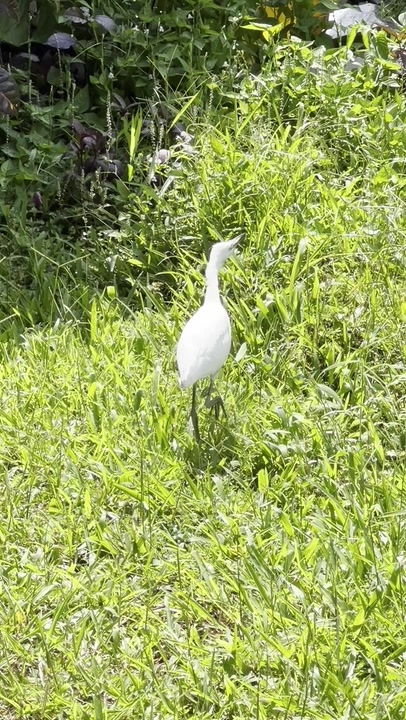

Pelecaniformes is an order of water-associated birds comprising pelicans, herons, egrets, ibises, spoonbills, and several related groups. Modern classifications place the order within the major avian clade Aequornithes, which contains many lineages of aquatic and semi-aquatic birds. Pelecaniformes occur on every continent except Antarctica and occupy an extraordinary variety of freshwater, marine, coastal, wetland, and terrestrial habitats.
Members of Pelecaniformes vary considerably in body size and morphology. Pelicans are among the largest flying waterbirds, with enormous bills and expandable throat pouches, while herons and egrets generally have long legs, elongated necks, and spear-like bills. Ibises possess long, slender, usually curved bills suited to probing soft substrates, whereas spoonbills have distinctive flattened bills with expanded, spoon-shaped tips. Despite these differences, many members share adaptations for exploiting aquatic or wetland food resources.
The order is particularly diverse in bill structure and feeding mechanisms. Pelicans use their extensible throat pouches to scoop fish and aquatic prey, while herons and egrets typically capture prey with rapid thrusts of their pointed bills. Ibises probe mud and shallow water for invertebrates, and spoonbills sweep their partially submerged bills from side to side to detect prey by touch. These specialized feeding strategies allow different pelecaniform lineages to occupy distinct ecological niches within wetlands and coastal ecosystems.
Many species have long legs and elongated toes, allowing them to wade through shallow water while keeping most of the body above the surface. Herons and egrets are especially adapted for this lifestyle and often hunt by standing motionless before striking rapidly at fish, amphibians, crustaceans, or other animals. Other members, particularly pelicans, are more strongly adapted to open water and swimming.
Pelecaniformes display a wide range of foraging behaviors. Some species hunt individually, while others form coordinated feeding groups. Pelicans may work cooperatively to concentrate fish before scooping them from the water. Herons frequently employ a patient sit-and-wait strategy, whereas ibises and spoonbills actively search through mud, shallow water, and vegetation. Many species are opportunistic and adjust their diet according to seasonal availability.
Their diets are correspondingly diverse and may include fish, amphibians, reptiles, aquatic and terrestrial invertebrates, crustaceans, small mammals, birds, eggs, and carrion. Large species can capture surprisingly substantial prey, while smaller species specialize in insects, worms, mollusks, and other small organisms. This dietary flexibility enables Pelecaniformes to exploit both natural wetlands and human-modified environments such as rice fields, reservoirs, fish ponds, canals, and urban waterways.
Most pelecaniforms are diurnal, although some species may forage during crepuscular or nocturnal periods. Many are highly mobile and undertake seasonal movements in response to water levels, food availability, breeding conditions, or climate. Their strong flight capabilities allow them to travel between wetlands and coastal habitats, while some species can disperse over very large geographic distances.
Breeding behavior is often strongly associated with colonial nesting. Pelicans, herons, egrets, ibises, and spoonbills may gather in large breeding colonies, sometimes containing several species. Nests are commonly constructed in trees, shrubs, reeds, cliffs, islands, or other elevated or protected locations. Both parents generally participate in incubation and care of the young. Chicks depend on adults for food and protection until they become capable of independent feeding and flight.
Pelecaniformes occupy an exceptionally broad range of habitats, including freshwater lakes, rivers, marshes, swamps, mangroves, estuaries, mudflats, coastal lagoons, beaches, islands, grasslands, and agricultural landscapes. Some species are strongly aquatic, whereas others may spend substantial time in terrestrial environments. This ecological breadth has contributed to the global distribution and diversity of the order.
Modern Pelecaniformes include several major families, notably Pelecanidae (pelicans), Ardeidae (herons and egrets), Threskiornithidae (ibises and spoonbills), and, depending on the classification, additional lineages that have historically been placed in or near the order. The boundaries and composition of Pelecaniformes have changed substantially as molecular phylogenetics has clarified relationships among waterbirds. Groups once traditionally classified together, such as frigatebirds, boobies, and cormorants, are now generally placed in the separate order Suliformes.
Ecologically, Pelecaniformes are important predators, scavengers, and consumers of aquatic and wetland organisms. They transfer nutrients between aquatic and terrestrial environments and can influence populations of fish, amphibians, crustaceans, insects, and other prey. Large breeding colonies can also transport substantial quantities of marine-derived nutrients onto islands and terrestrial nesting sites.
Because many species depend on wetlands, coastal zones, and productive aquatic habitats, Pelecaniformes can be strongly affected by wetland drainage, habitat conversion, pollution, overfishing, disturbance of breeding colonies, invasive species, and climate change. At the same time, several species have demonstrated considerable adaptability to human-modified landscapes. The order as a whole represents a highly successful radiation of birds whose diverse bill shapes, feeding techniques, locomotor adaptations, and habitat preferences have enabled them to exploit aquatic ecosystems across much of the planet.