

Sea Stars and Brittle Stars (Subphylum Asterozoa)
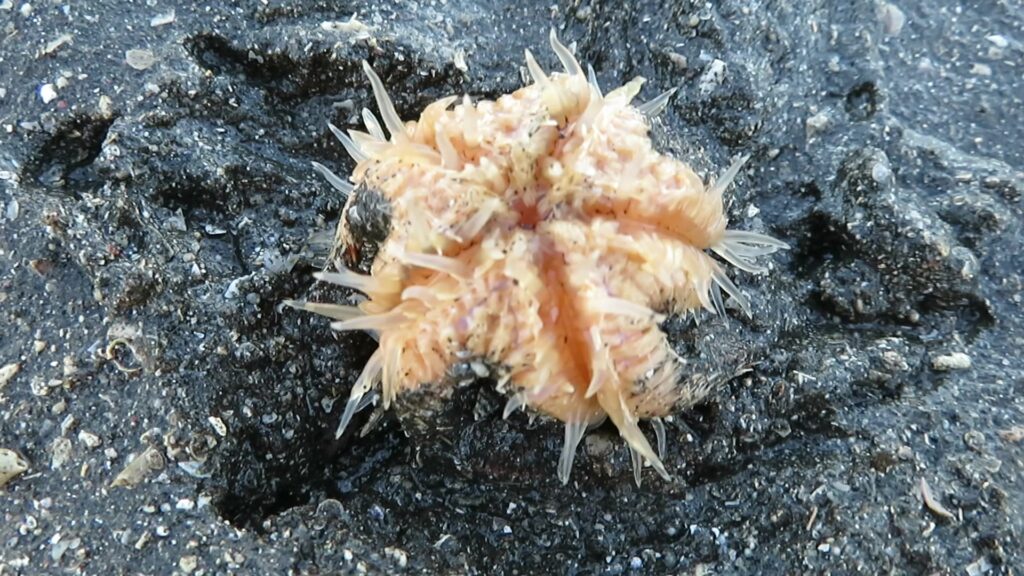
Subphylum Asterozoa is a major group of marine echinoderms belonging to the phylum Echinodermata. It includes two principal groups: sea stars (class Asteroidea) and brittle stars (class Ophiuroidea). Members of this subphylum are distributed throughout the world’s oceans, inhabiting diverse marine environments such as coral reefs, rocky shores, seagrass beds, sandy and muddy seabeds, and deep-sea habitats. They are characterized by a centrally positioned disc or body region with arms extending outward, although the number, length, and shape of these arms vary considerably between species. Their bodies possess an internal skeleton composed of calcium carbonate ossicles, which provides structural support and protection. Like other echinoderms, asterozoans have a water vascular system with tube feet that play important roles in locomotion, feeding, attachment, and environmental interaction. Most adult members exhibit five-part radial symmetry, although some species possess more numerous arms or modified body forms. Sea stars generally have broad arms that merge gradually with the central disc, while brittle stars possess a clearly defined central disc and slender, flexible arms used primarily for movement. Their feeding strategies are diverse, including predation, scavenging, suspension feeding, and consumption of organic material. Many sea stars are active predators of mollusks and other marine invertebrates, whereas brittle stars commonly feed on suspended particles, detritus, and small organisms. Reproduction is predominantly sexual, with many species releasing eggs and sperm into seawater for external fertilization, although brooding and asexual reproduction also occur in certain groups. Development commonly involves planktonic larvae that undergo metamorphosis before settling into benthic habitats. Asterozoans play important ecological roles in marine food webs by regulating prey populations, recycling organic matter, and contributing to benthic community dynamics. Some species are also capable of regenerating damaged or lost arms, providing an important adaptation for survival. However, populations may be affected by ocean warming, acidification, pollution, habitat degradation, and disease. Through their distinctive body structures, regenerative abilities, and diverse ecological functions, Asterozoa represents an important subphylum in the evolutionary diversity of marine echinoderms.