

Monitor Lizards (Genus Varanus)
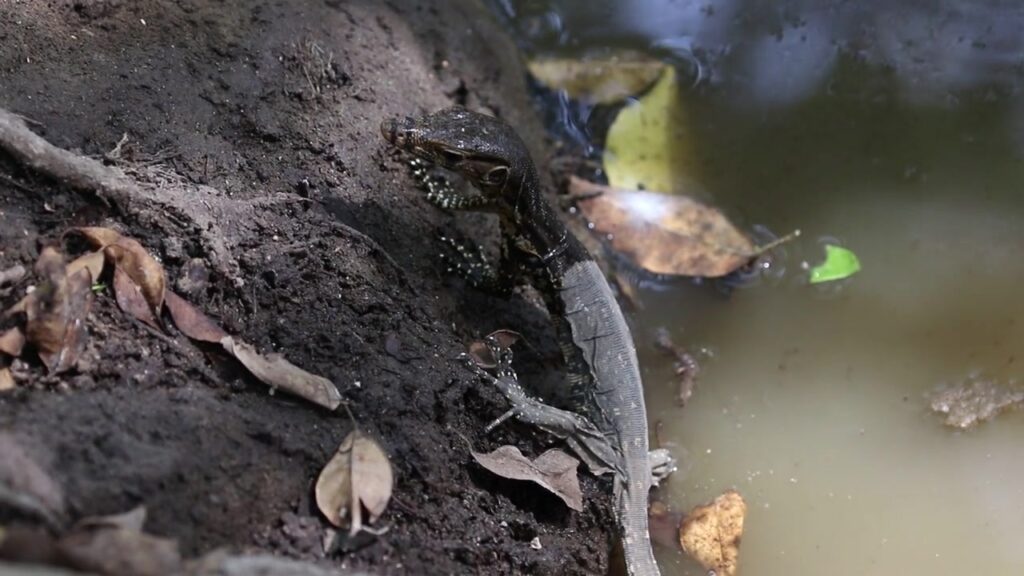
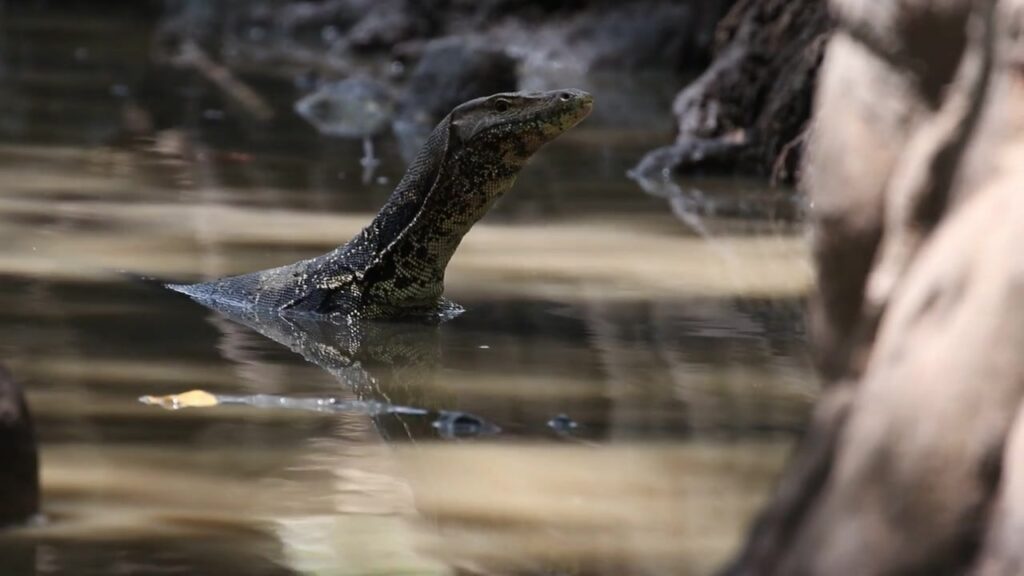
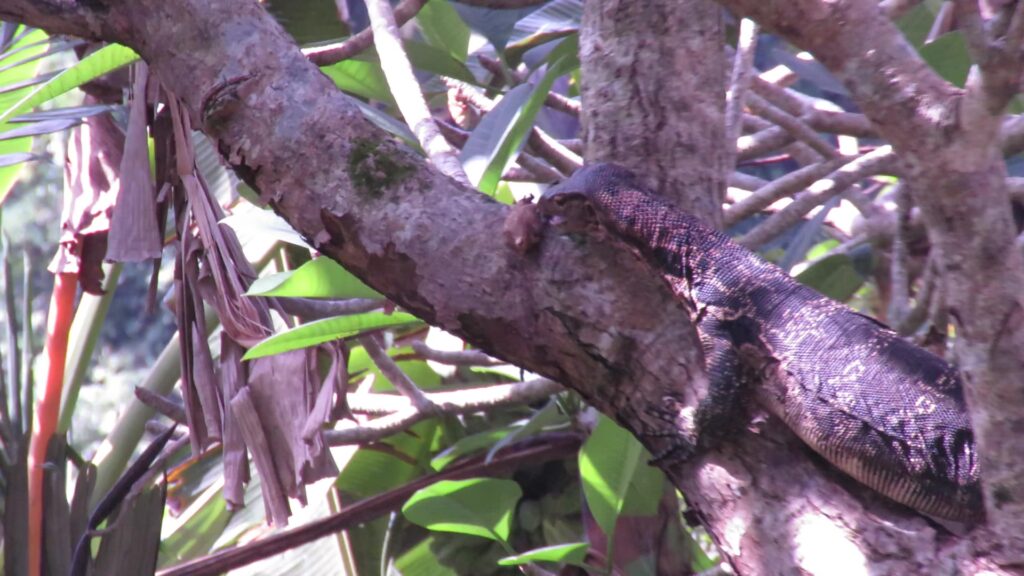
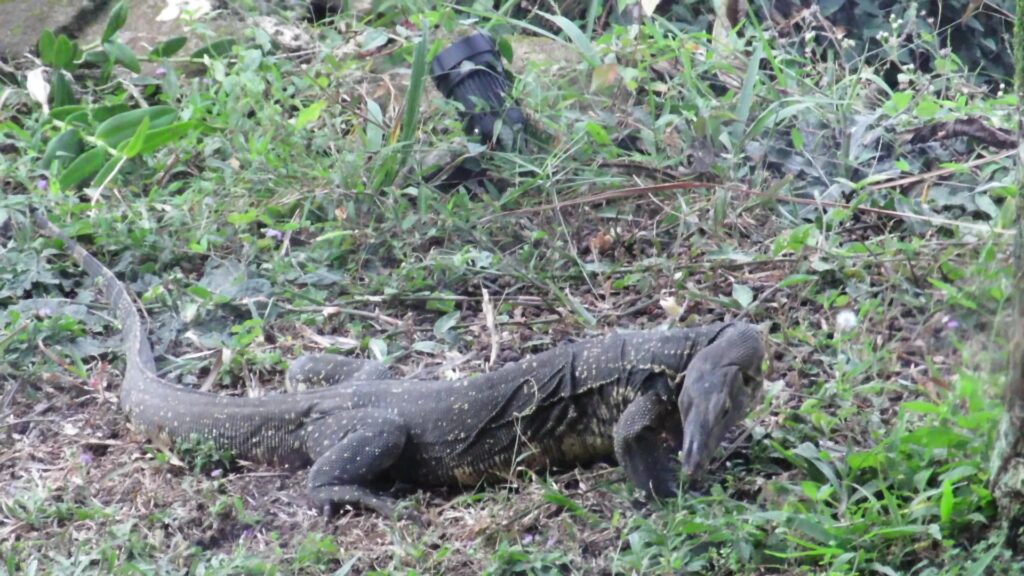
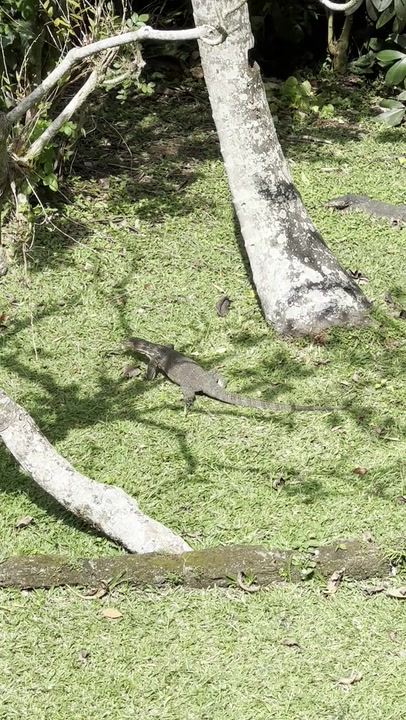
Varanus is the sole living genus of monitor lizards in the family Varanidae (Infraorder Anguimorpha, Order Squamata). It is one of the most diverse and ecologically important groups of predatory lizards, containing species commonly known as monitors or goannas. Members of the genus occur naturally across Africa, Asia, Australia, and the Indo-Pacific, inhabiting environments ranging from tropical rainforests and mangroves to savannas, deserts, wetlands, grasslands, and coastal islands.
Species of Varanus vary enormously in size and appearance. The genus includes relatively small monitors only a few tens of centimeters long as well as the Komodo dragon (Varanus komodoensis), which can reach more than 3 m in total length and represents the largest living lizard. Most species have an elongated body, well-developed muscular limbs, a long tapering tail, and a relatively narrow head. The tail is especially prominent and may function in balance, swimming, climbing, and defense.
The body is covered with small, granular scales, often accompanied by larger scales around the head, neck, and limbs. Coloration varies greatly according to habitat and species. Many monitors display spots, bands, reticulated patterns, or contrasting stripes, while desert species tend to have sandy or reddish coloration that blends with their surroundings. Several arboreal species are particularly striking, with combinations of green, yellow, blue, black, and brown that provide camouflage among leaves and branches.
A defining characteristic of Varanus is its highly developed sensory system. Monitor lizards possess a long, deeply forked tongue that repeatedly samples chemical particles from the environment. These particles are transferred to the vomeronasal organ, allowing the lizard to detect and follow chemical trails associated with prey, predators, and potential mates. Their well-developed eyes and acute sense of smell further enhance their ability to locate food and navigate complex habitats.
Varanus species are generally active, alert predators. Many are primarily terrestrial, while others are strongly aquatic or arboreal. Their powerful limbs and sharp claws allow them to run, climb, dig, and tear apart prey. Aquatic monitors are capable swimmers and may pursue fish and other aquatic organisms underwater. Arboreal monitors possess adaptations for climbing and can maneuver through branches and vegetation with considerable agility. Several species also excavate or occupy burrows that provide refuge from predators and environmental extremes.
Feeding behavior is highly diverse. Depending on species and body size, monitors consume insects, spiders, crustaceans, mollusks, fish, amphibians, reptiles, birds, eggs, and mammals. Large species can overpower substantial vertebrate prey, while smaller species often specialize on insects and other invertebrates. Many are opportunistic feeders and readily consume carrion when available. Their recurved teeth, muscular jaws, claws, and strong necks allow them to subdue and dismember prey efficiently.
Most Varanus are diurnal, with activity concentrated during daylight hours. Individuals may spend considerable periods basking to raise body temperature before becoming active. Foraging can involve extensive movement through a home range, with the animal continually sampling its surroundings with its tongue. Some species are highly territorial, and males may engage in physical contests involving posturing, chasing, biting, or wrestling. Chemical communication and visual displays are important components of social and reproductive behavior.
Reproduction is generally oviparous. Females deposit eggs in protected sites such as soil, leaf litter, burrows, tree hollows, or termite mounds. In several species, termite mounds provide favorable incubation conditions because of their relatively stable temperature and humidity. Clutch size varies considerably among species. Hatchlings emerge as miniature versions of adults and are generally independent from birth, relying on their own ability to find food and shelter.
The genus contains numerous ecological specialists. Water monitors, such as Varanus salvator, are closely associated with rivers, wetlands, mangroves, and coastal habitats. Tree monitors, including Varanus prasinus, are adapted to life in forest canopies. Desert monitors, such as the perentie (Varanus giganteus), inhabit arid Australian landscapes. Other species have adapted to open savannas, tropical forests, rocky environments, or isolated islands. This ecological diversity has allowed Varanus to occupy a remarkably broad range of ecological niches.
Notable members include the Komodo dragon (Varanus komodoensis), Asian water monitor (Varanus salvator), Nile monitor (Varanus niloticus), savanna monitor (Varanus exanthematicus), perentie (Varanus giganteus), and lace monitor (Varanus varius). The genus also includes numerous island and forest specialists, some of which have highly restricted distributions and distinctive evolutionary histories.
Ecologically, Varanus plays an important role as a group of medium- to large-sized predators and scavengers. By consuming invertebrates, reptiles, birds, mammals, carrion, and aquatic organisms, monitors influence prey populations and contribute to nutrient cycling. Their combination of intelligence, sensory specialization, mobility, and diverse feeding strategies makes Varanus one of the most successful radiations of predatory lizards. At the same time, habitat loss, hunting, persecution, road mortality, and wildlife trade threaten several species, particularly those with small or island-restricted ranges.