

Monitor Lizards (Family Varanidae)
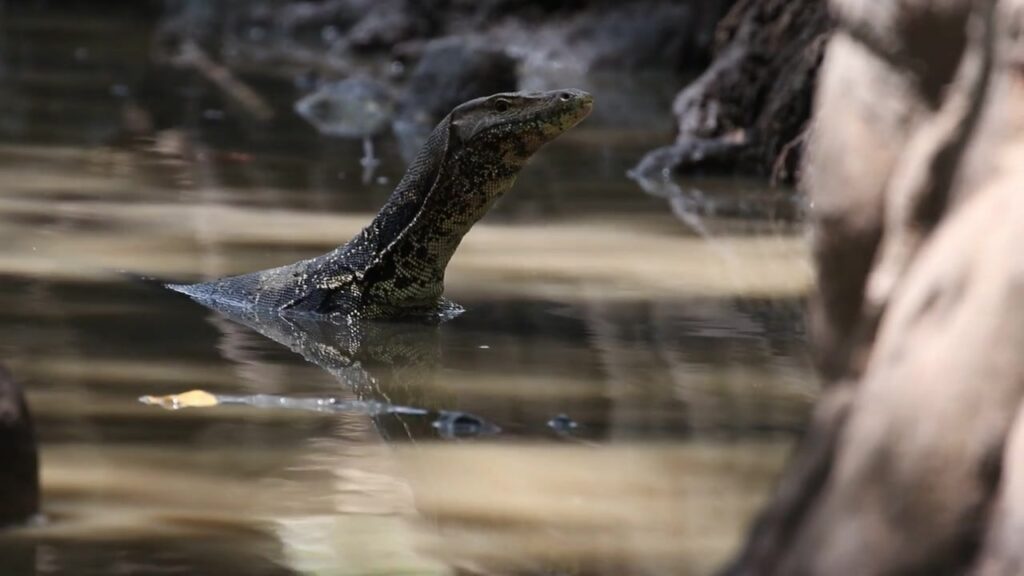
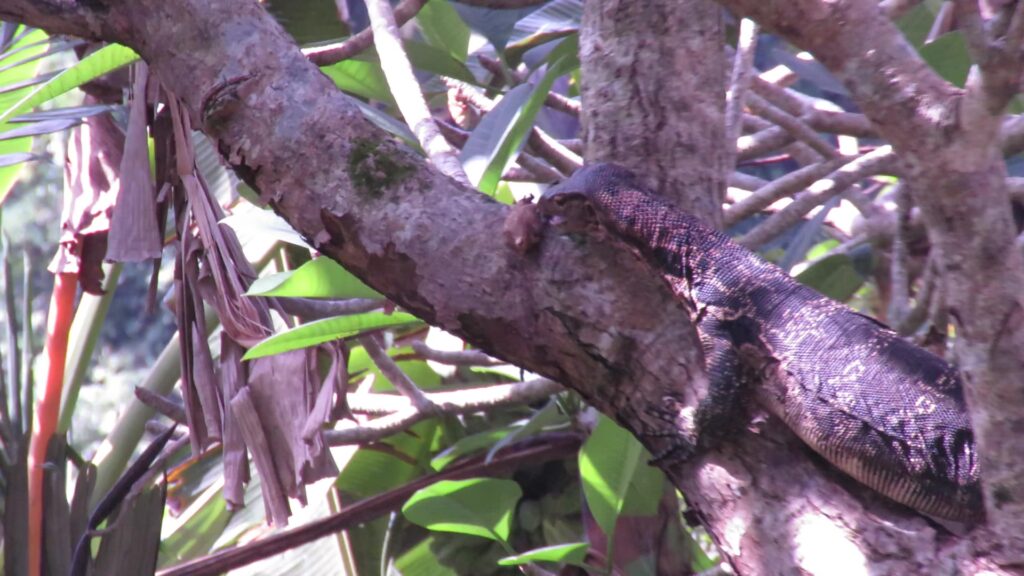
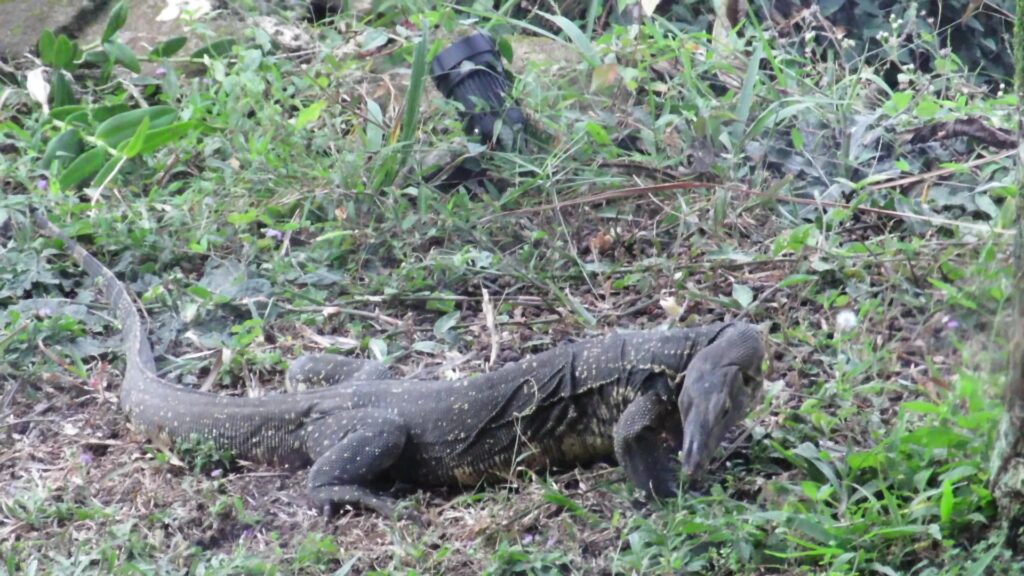
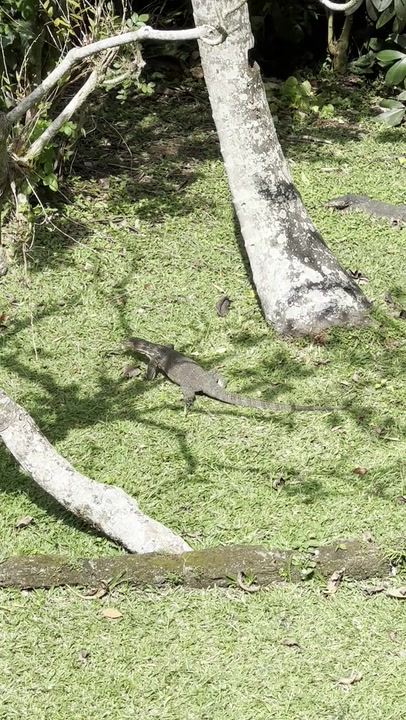
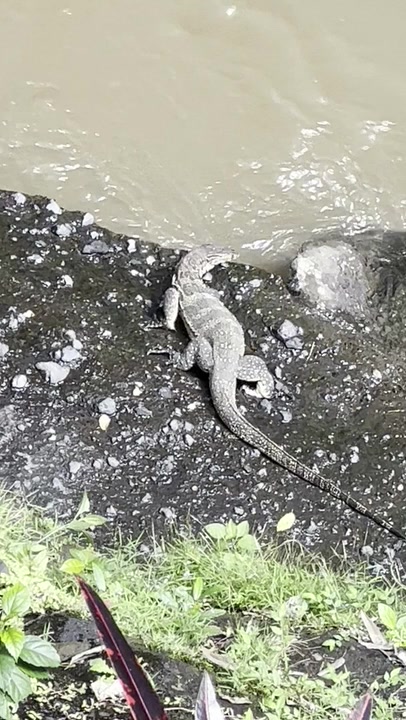
Varanidae is a family of large, active, and highly specialized predatory lizards in the infraorder Anguimorpha, commonly known as monitor lizards or goannas. The family is centered on the genus Varanus, with species distributed across Africa, Asia, Australia, and numerous islands of the Indo-Pacific. Varanids occupy an exceptional range of habitats, from tropical rainforests and mangroves to savannas, deserts, wetlands, and open woodland. They are among the most ecologically versatile lizards alive today.
Varanids are generally recognizable by their elongated bodies, long muscular tails, strong limbs, and relatively narrow heads. Their tails are particularly important for balance, propulsion, and defense, and in aquatic species they can function as powerful swimming organs. The feet bear strong claws adapted for climbing, digging, tearing food, or gripping substrates. Body size varies enormously, from relatively small monitor lizards to the Komodo dragon (Varanus komodoensis), which can exceed 3 m in total length and is the largest living lizard.
The skin is covered with small, often granular scales, and coloration varies according to habitat and species. Many monitors have intricate patterns of spots, bands, or reticulations that provide camouflage. Aquatic species may have dark bodies with pale markings, while desert forms are often sandy or reddish. Juveniles can be considerably more brightly patterned than adults, with vivid yellow, orange, or white markings that gradually become subdued as they mature.
One of the family’s most distinctive adaptations is its highly developed sensory and locomotor system. Monitor lizards possess long, deeply forked tongues that continually sample chemical information from their surroundings, transferring particles to the vomeronasal organ. Their excellent vision and keen sense of smell complement this chemical tracking ability. Many species are capable of sustained terrestrial movement, while others are proficient climbers or swimmers. Their flexible necks, muscular jaws, recurved teeth, and powerful claws make them formidable predators.
Varanids have broad and opportunistic diets. Depending on species and size, they may consume insects, spiders, crustaceans, mollusks, frogs, fish, birds, eggs, snakes, turtles, other lizards, and mammals. Larger species can kill substantial prey, while many monitors also readily consume carrion. Some species specialize strongly in particular resources, whereas others behave as generalist predators and scavengers. This dietary flexibility allows monitors to exploit seasonal and unpredictable food resources across diverse environments.
Most monitor lizards are diurnal, spending much of the day basking, traveling, searching for food, or defending territories. They often combine active searching with periods of observation and ambush. Aquatic species may forage in rivers and wetlands, whereas arboreal monitors can spend considerable time in trees. Desert species frequently use burrows or shelters to escape extreme heat. Their relatively high activity levels and advanced sensory abilities distinguish them from many more sedentary lizard groups.
Reproduction is generally oviparous, with females depositing clutches of eggs in protected locations. Nest sites can include soil, leaf litter, termite mounds, tree hollows, or other suitable cavities, depending on the species. Some monitors show remarkable nesting associations with termite mounds, which provide relatively stable temperature and humidity for developing eggs. Young hatchlings are usually independent and must immediately forage and avoid predators. Growth can be rapid in favorable conditions, although sexual maturity and longevity vary greatly among species.
The family includes a remarkable range of ecological specialists. Water monitors (Varanus salvator) and related species are strongly associated with rivers, wetlands, mangroves, and coastal environments. Tree monitors occupy forest canopies and have elongated bodies and tails suited to climbing. Desert monitors, including the perentie (Varanus giganteus), are adapted to hot and arid landscapes. At the extreme end of body size, the Komodo dragon occupies several Indonesian islands and functions as a dominant terrestrial predator and scavenger.
Varanidae has considerable ecological importance because its members occupy multiple levels of terrestrial and aquatic food webs. Smaller monitors help regulate populations of arthropods and small vertebrates, while larger species can influence populations of mammals, birds, reptiles, and other prey. Their scavenging behavior also contributes to the removal and recycling of animal remains. Because many species require extensive habitat and healthy prey communities, monitor lizards can also serve as useful indicators of ecosystem condition.
The family contains many species of conservation concern. Major threats include habitat destruction, hunting, persecution, road mortality, collection for the wildlife trade, and declines in prey populations. Island-restricted species can be particularly vulnerable because their geographic ranges are small and isolated. Nevertheless, protected areas, habitat management, regulation of trade, and targeted conservation programs have helped safeguard some populations. Varanidae remains one of the most evolutionarily and ecologically distinctive families of living lizards, representing a striking example of predatory specialization and adaptive radiation among squamate reptiles.