

Typical Herons and Egrets (Subfamily Ardeinae)

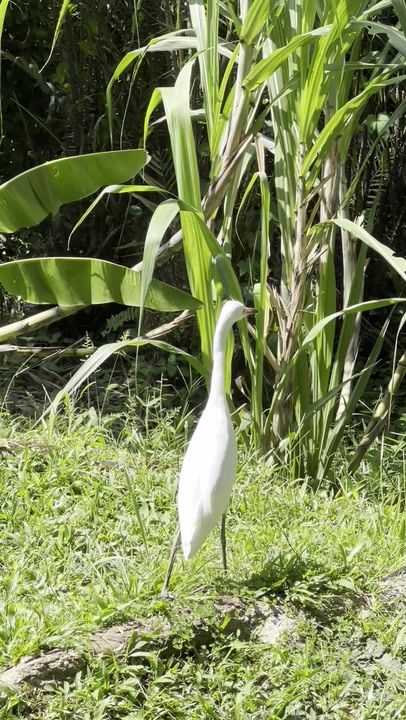
Ardeinae is a subfamily of long-legged wading birds within the family Ardeidae, order Pelecaniformes, comprising many of the typical herons and egrets. The group includes medium-sized to very large wading birds characterized by elongated legs, long necks, pointed bills, and specialized adaptations for hunting in shallow water. Ardeinae is distributed widely across the world’s wetlands, with species occurring in Africa, Eurasia, the Americas, Australia, and numerous tropical islands.
Members of Ardeinae generally have a slender to robust body, long legs, elongated neck, and straight, pointed bill. Their legs are adapted for wading through shallow water, allowing them to move across mudflats, marshes, lake margins, rivers, and flooded vegetation while keeping the body elevated above the water. The neck is highly flexible and can be folded into a characteristic S-shape before being rapidly extended during prey capture.
Body size varies considerably. Large herons such as species of Ardea can stand well over a meter tall, whereas smaller herons and egrets are considerably more compact. Plumage ranges from white, gray, blue-gray, brown, buff, and black, often with subtle combinations of contrasting colors. Several species develop elongated ornamental plumes on the head, neck, or back during the breeding season.
The bill is one of the most important feeding structures in Ardeinae. It is generally long, straight, and sharply pointed, functioning like a spear for capturing fish and other aquatic animals. Hunting often involves remaining motionless in shallow water and suddenly thrusting the head and neck forward. Some species instead walk slowly through wetlands, probing or visually searching the water and substrate for prey.
The diet is primarily carnivorous and highly varied. Fish, frogs, tadpoles, aquatic insects, crustaceans, mollusks, reptiles, small mammals, and occasionally birds and their eggs may be consumed. Smaller species frequently take large quantities of insects and other invertebrates, whereas large herons are capable of capturing substantial fish, snakes, rodents, and other vertebrate prey. This dietary flexibility allows Ardeinae to exploit a broad range of aquatic and terrestrial habitats.
Most ardeines are diurnal or crepuscular, although some species may continue feeding after sunset. Their large eyes provide good low-light sensitivity, while their relatively slow movements help them approach prey without creating substantial disturbance. Individuals may forage alone, but concentrations can occur where prey is particularly abundant.
Flight in Ardeinae is distinctive. During flight, the long neck is folded back against the body, while the long legs extend behind the tail. Wingbeats are generally slow and powerful, producing a characteristic silhouette that makes herons readily identifiable at a distance. Despite their seemingly deliberate flight style, many species are capable of traveling considerable distances between feeding and breeding areas.
Reproduction commonly takes place in colonial nesting sites, although solitary breeding also occurs. Nests are usually constructed from sticks, reeds, or other vegetation in trees, shrubs, reed beds, cliffs, or on islands. Courtship involves a combination of postures, bill movements, vocalizations, and displays of ornamental feathers. Both parents typically participate in incubation and feeding of the chicks.
Ardeinae species occupy diverse wetland habitats, including freshwater marshes, rivers, lakes, ponds, swamps, rice paddies, mangroves, estuaries, coastal lagoons, mudflats, and flooded forests. Some species are highly adaptable and regularly exploit reservoirs, canals, fish ponds, agricultural fields, and urban waterways. Others remain closely tied to particular wetland or forest environments.
Important genera traditionally associated with Ardeinae include Ardea, Egretta, Ardeola, and several related lineages, although the precise limits of the subfamily can vary among taxonomic classifications. Representative species include the Grey Heron (Ardea cinerea), Great Blue Heron (Ardea herodias), Great Egret (Ardea alba), Little Egret (Egretta garzetta), and Indian Pond Heron (Ardeola grayii).
Ecologically, Ardeinae represents an important group of wetland predators. Herons and egrets influence populations of fish, amphibians, insects, crustaceans, and other aquatic organisms, while their movements between wetlands and terrestrial habitats contribute to nutrient transfer. Their conspicuous presence around water bodies also makes them valuable indicators of changes in wetland productivity, prey availability, and habitat quality.
Although many species are widespread and adaptable, Ardeinae can be affected by wetland destruction, water pollution, alteration of natural water levels, disturbance at breeding colonies, and declines in aquatic prey. Protection of wetlands, nesting colonies, and feeding habitats is therefore important for maintaining populations. With their highly specialized wading anatomy, precision feeding behavior, and broad ecological diversity, Ardeinae represents one of the most recognizable and successful groups of aquatic and semi-aquatic birds.