

Pigeons and Doves (Family Columbidae)
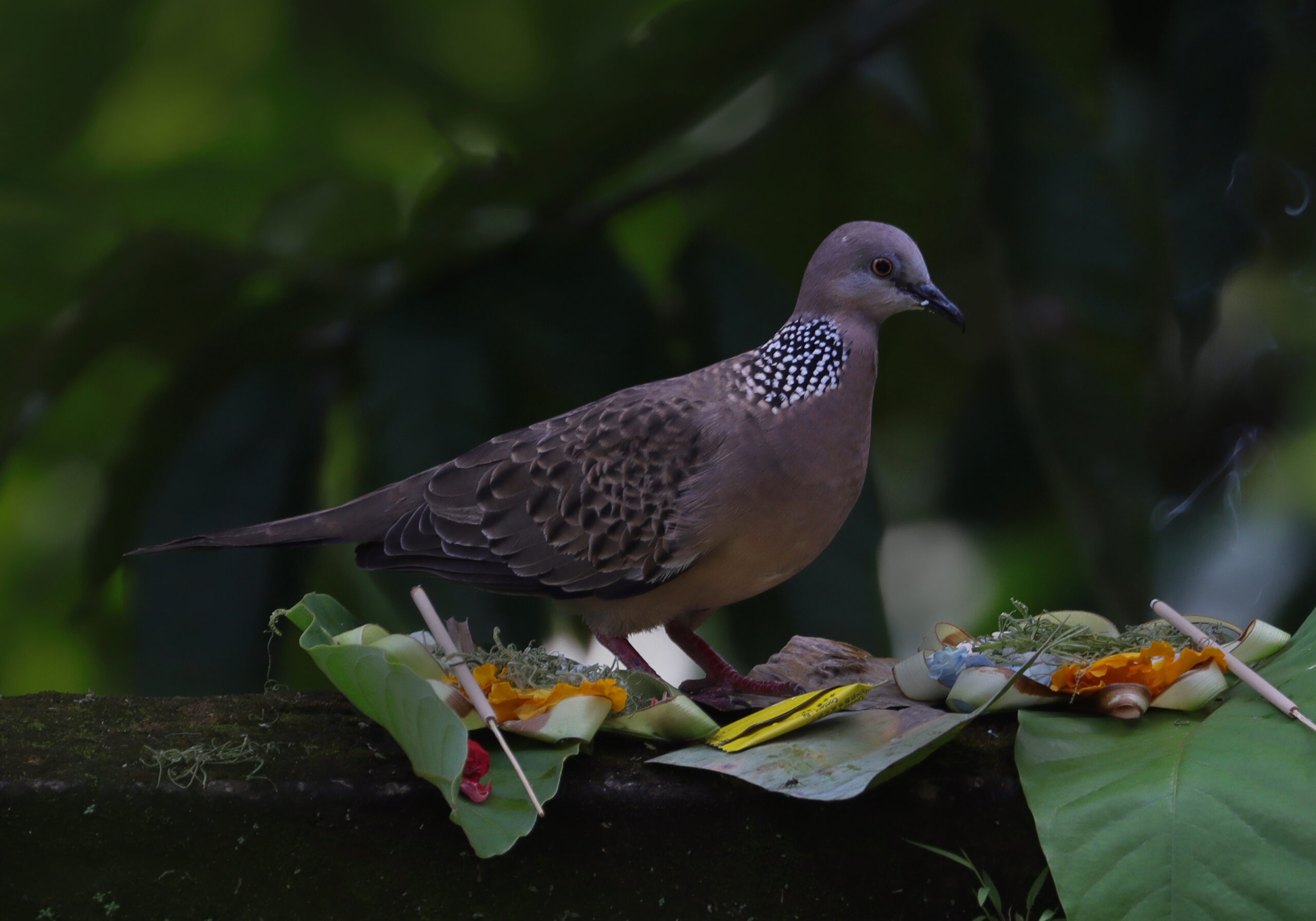
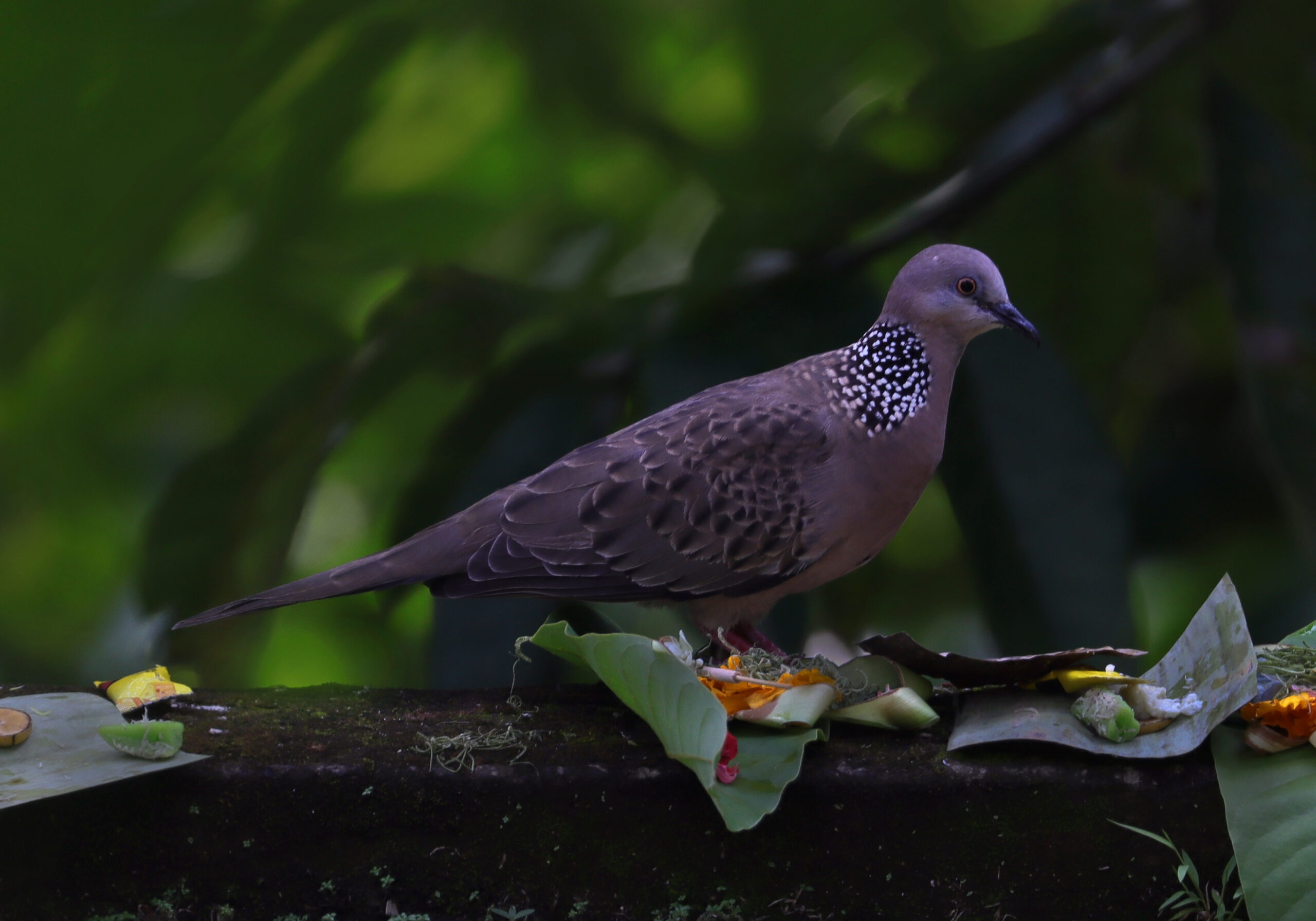
Columbidae is the only extant family within the order Columbiformes and includes the pigeons and doves. The family comprises more than 360 described species distributed across every continent except Antarctica, with the greatest diversity occurring in tropical and subtropical regions. Members occupy a wide range of habitats, including tropical rainforests, temperate forests, woodlands, grasslands, savannas, deserts, mangroves, wetlands, agricultural landscapes, parks, gardens, and urban environments.
Birds of the family Columbidae are generally small to large, measuring approximately 15–75 cm in length. They have a compact, streamlined body, a relatively small head, short neck, and strong, pointed wings that enable rapid, direct, and sustained flight. The bill is short and slender with a distinctive soft, fleshy cere at its base. Plumage varies greatly among species, ranging from subdued gray, brown, white, and black to brilliant metallic green, bronze, purple, blue, pink, and chestnut. Many tropical species display iridescent feathers on the neck, wings, or breast, while some island species possess ornamental crests or elongated tail feathers.
Most pigeons and doves are diurnal, spending the day foraging on the ground or among trees before returning to sheltered roosting sites. They are agile and powerful fliers capable of covering long distances between feeding and nesting areas. Communication includes a diverse range of soft coos, whistles, booming calls, and wing-clapping sounds, often accompanied by elaborate courtship displays such as bowing, tail fanning, neck inflation, and aerial flights.
Members of Columbidae are primarily granivorous and frugivorous, feeding on seeds, grains, fruits, berries, buds, flowers, and occasionally small invertebrates. Forest-dwelling fruit pigeons and imperial pigeons are especially important seed dispersers, swallowing fruits whole and later depositing viable seeds far from the parent plant. A distinctive characteristic of the family is the production of crop milk, a nutrient-rich secretion produced by both males and females to nourish newly hatched chicks during their early development.
The life cycle consists of egg, nestling, fledgling, juvenile, and adult stages. Most species build relatively simple nests of twigs, roots, or grasses on trees, shrubs, cliffs, or occasionally on the ground. Females usually lay one or two smooth white eggs, and both parents share incubation duties. After hatching, the chicks are initially fed crop milk before gradually receiving softened seeds and fruits. Young birds grow rapidly and typically fledge within two to four weeks, depending on the species.
The family includes numerous well-known genera, including Columba, Streptopelia, Spilopelia, Treron, Ptilinopus, Ducula, Chalcophaps, Geopelia, and Caloenas. Representative species include the Rock Pigeon (Columba livia), Spotted Dove (Spilopelia chinensis), Emerald Dove (Chalcophaps indica), Pink-necked Green Pigeon (Treron vernans), and the Nicobar Pigeon (Caloenas nicobarica).
Ecologically, Columbidae birds are essential components of terrestrial ecosystems. Seed-eating species influence plant population dynamics, while fruit-eating species play a vital role in forest regeneration through long-distance seed dispersal. They also form an important food source for raptors, snakes, mammals, and other predators. Because many species depend on intact forests and are sensitive to habitat loss, hunting, and invasive species, pigeons and doves are widely regarded as valuable indicators of ecosystem health, habitat quality, and biodiversity.