Bali Wildlife
Every Spices Matter


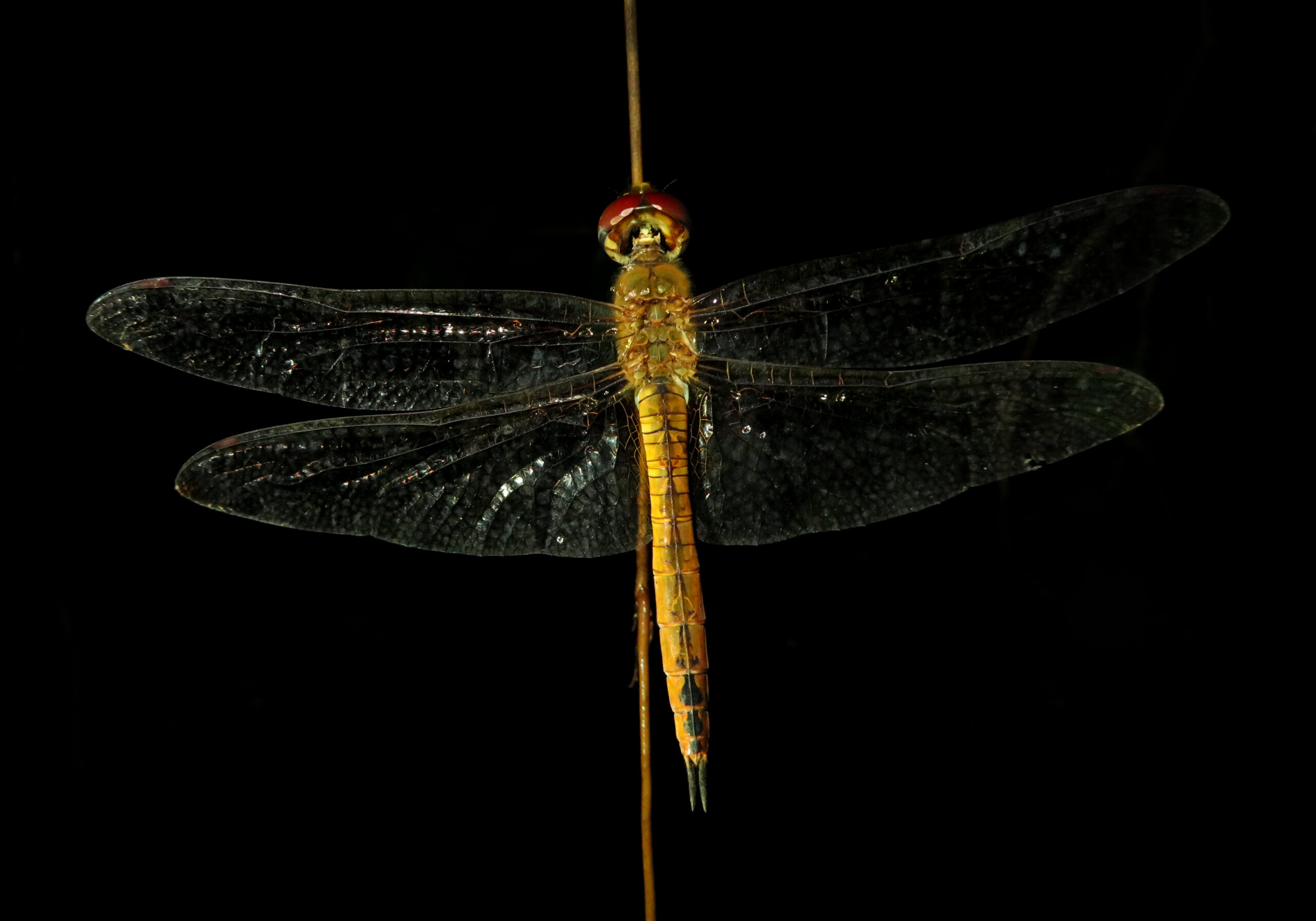
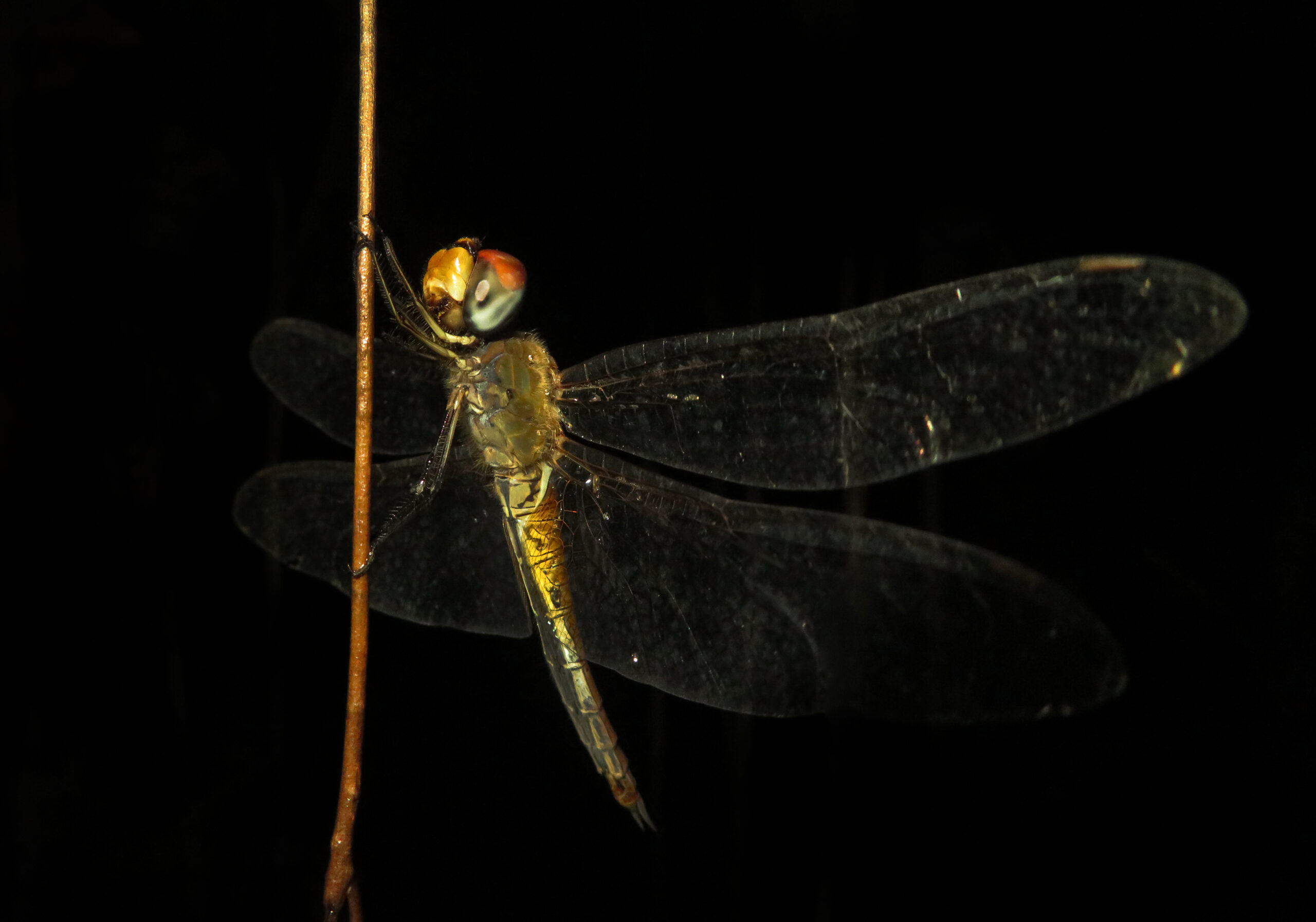
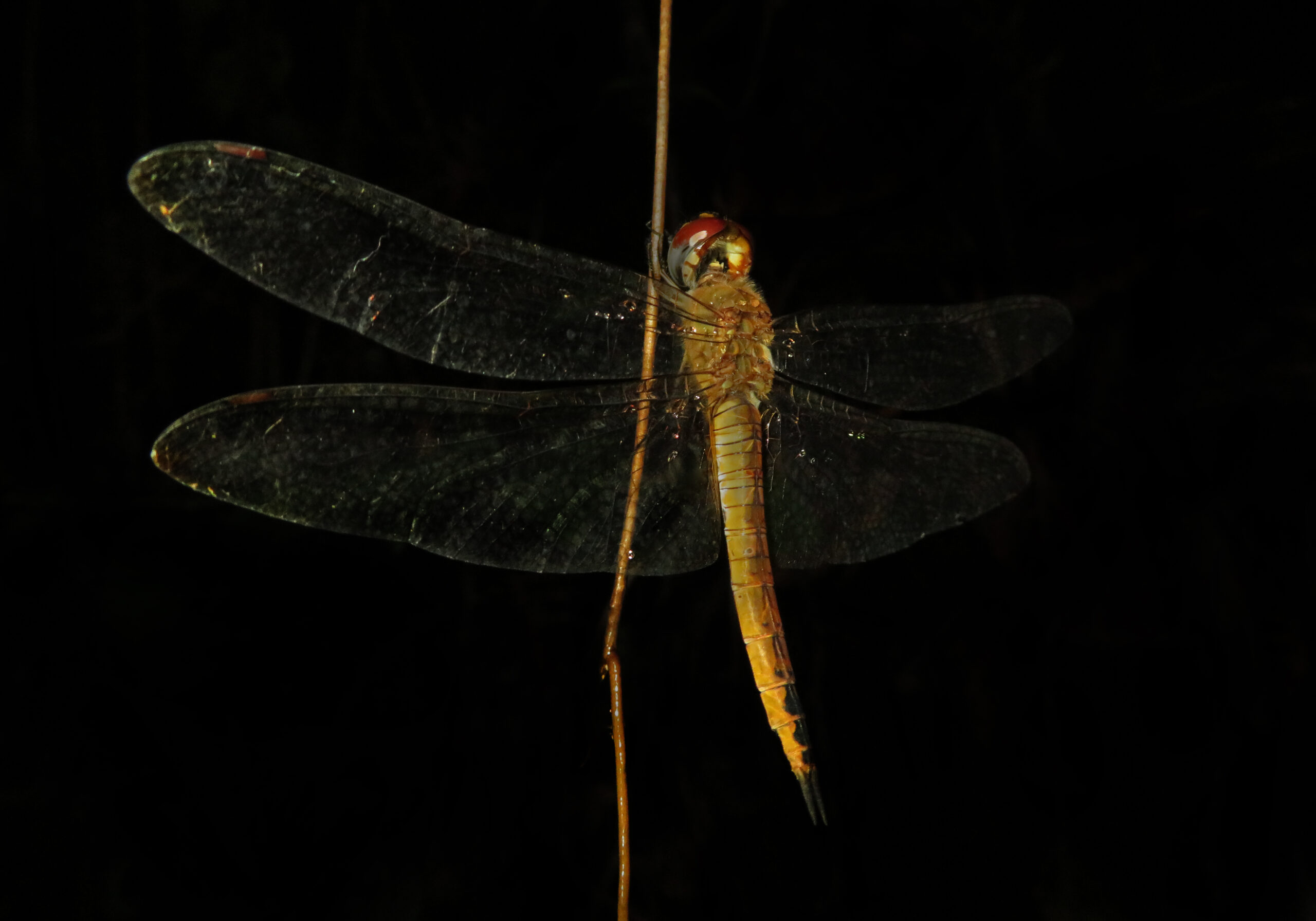
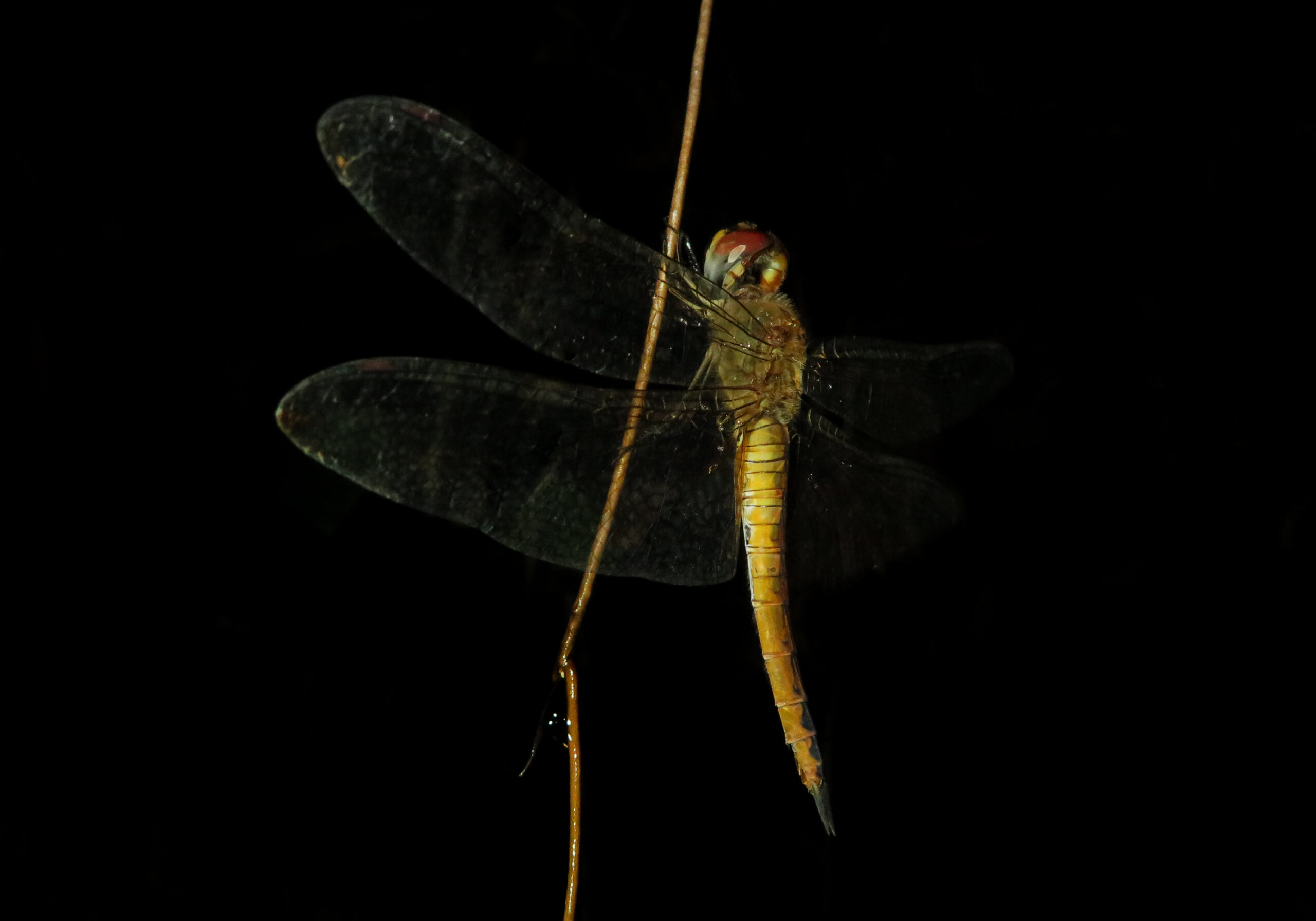
Anisoptera is a suborder of the order Odonata comprising the dragonflies. With more than 3,000 described species worldwide, dragonflies are distributed on every continent except Antarctica. They are closely associated with freshwater habitats such as rivers, streams, ponds, lakes, marshes, swamps, and wetlands, where their aquatic immature stages develop. Adults are commonly seen flying over open water, grasslands, forests, and agricultural landscapes.
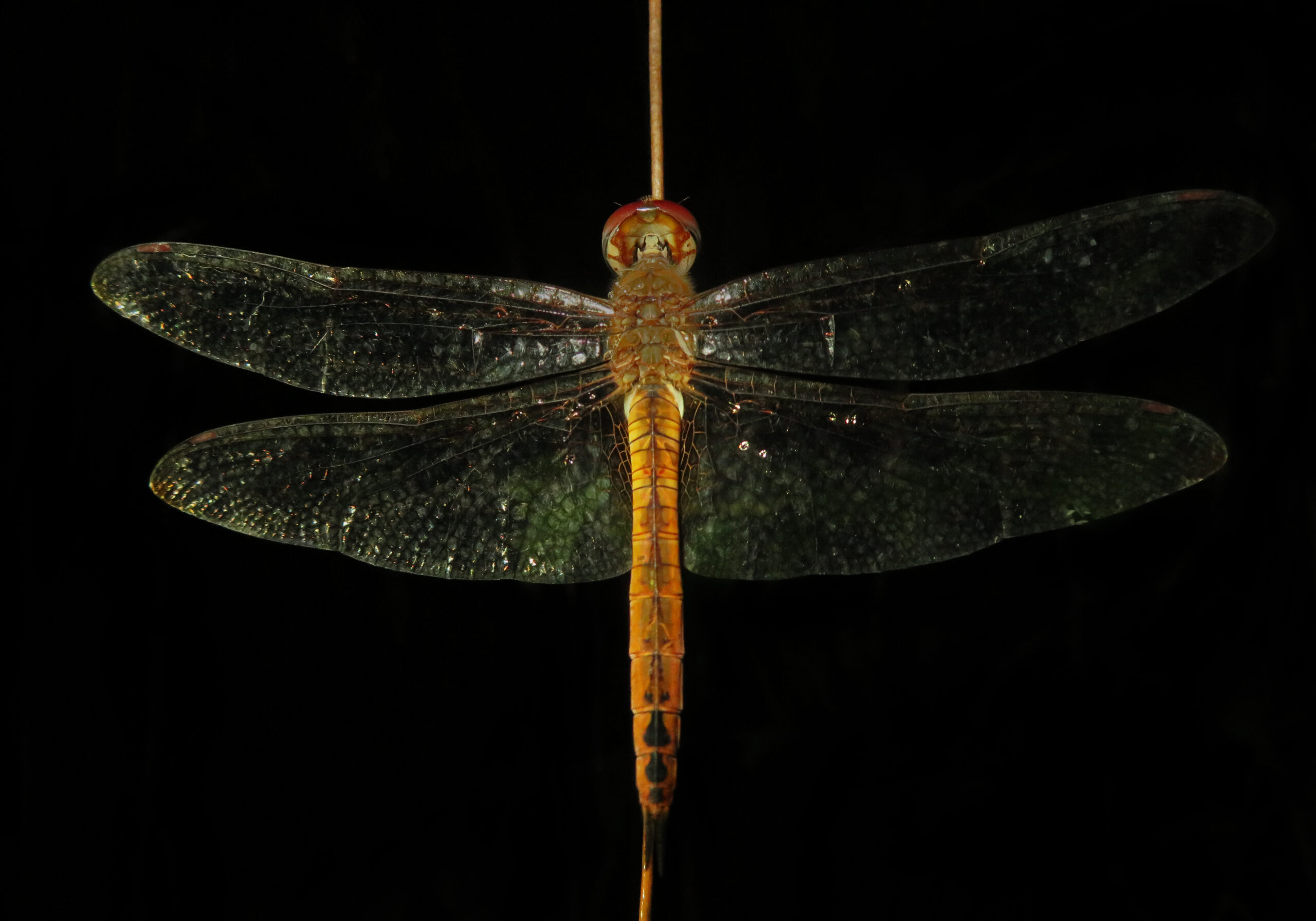
Dragonflies are medium to large insects distinguished by their elongated body, two pairs of strong membranous wings, large compound eyes, and short antennae. Unlike damselflies, dragonflies have broader hindwings than forewings, and when at rest they usually hold their wings horizontally or slightly downward. Their large compound eyes often meet or nearly meet on the top of the head, providing nearly 360-degree vision and exceptional ability to detect prey and avoid predators.
Adults are among the most skilled aerial predators in the insect world. Their powerful flight muscles enable rapid acceleration, hovering, gliding, and sudden changes in direction. They capture prey such as mosquitoes, flies, midges, butterflies, and other flying insects using their spiny legs, which form a basket-like structure during flight. Strong chewing mouthparts are then used to consume the captured prey.
The life cycle involves incomplete metamorphosis, consisting of egg, aquatic nymph (naiad), and adult stages. Females lay eggs in or near freshwater habitats, either directly into the water or inserted into aquatic vegetation. The aquatic nymphs are robust predators equipped with a unique extendable lower lip (labium) that rapidly projects to seize prey, including insect larvae, crustaceans, tadpoles, and small fish. Development may take several months to several years before the mature nymph emerges from the water and molts into the winged adult.
The suborder includes numerous families, such as Libellulidae (skimmer dragonflies), Aeshnidae (darners), Gomphidae (clubtails), Corduliidae (emerald dragonflies), and Macromiidae (cruisers), each exhibiting distinctive flight behavior, morphology, and ecological adaptations.
Ecologically, Anisoptera species are important predators in both aquatic and terrestrial ecosystems. Nymphs regulate populations of aquatic invertebrates and small vertebrates, while adults help control mosquitoes and other flying insects. Dragonflies also serve as prey for fish, amphibians, birds, reptiles, spiders, and mammals. Because they are highly sensitive to water quality and habitat disturbance, dragonflies are widely recognized as valuable indicators of freshwater ecosystem health and biodiversity.