Bali Wildlife
Every Spices Matter


Athyma is a genus of brush-footed butterflies within the tribe Limenitidini (Subfamily Limenitidinae, Family Nymphalidae, Superfamily Papilionoidea, Order Lepidoptera). The genus comprises more than 100 described species distributed throughout South Asia, Southeast Asia, East Asia, and parts of the Indo-Pacific region. Members are primarily associated with tropical and subtropical forests but also occur in secondary woodlands, forest edges, river valleys, plantations, parks, and gardens.
Butterflies of the genus Athyma are generally medium-sized and are recognized by their broad wings, streamlined body, and rapid, agile flight. Most species display a striking contrast of black or dark brown wings marked with bold white, cream, bluish, or pale yellow bands and spots. The arrangement of these markings varies among species and often serves as an important feature for identification. The underside is usually paler and may contain reddish, brown, or gray tones that provide camouflage when the butterfly rests with its wings closed.
Like other members of the family Nymphalidae, Athyma butterflies possess reduced, brush-like forelegs and appear to walk using only four functional legs. Adults are active during the day and frequently bask in sunlit forest clearings or along shaded pathways. They feed on flower nectar, tree sap, fermenting fruits, and mineral-rich moisture from damp soil, with males commonly engaging in mud-puddling to obtain essential salts and nutrients.
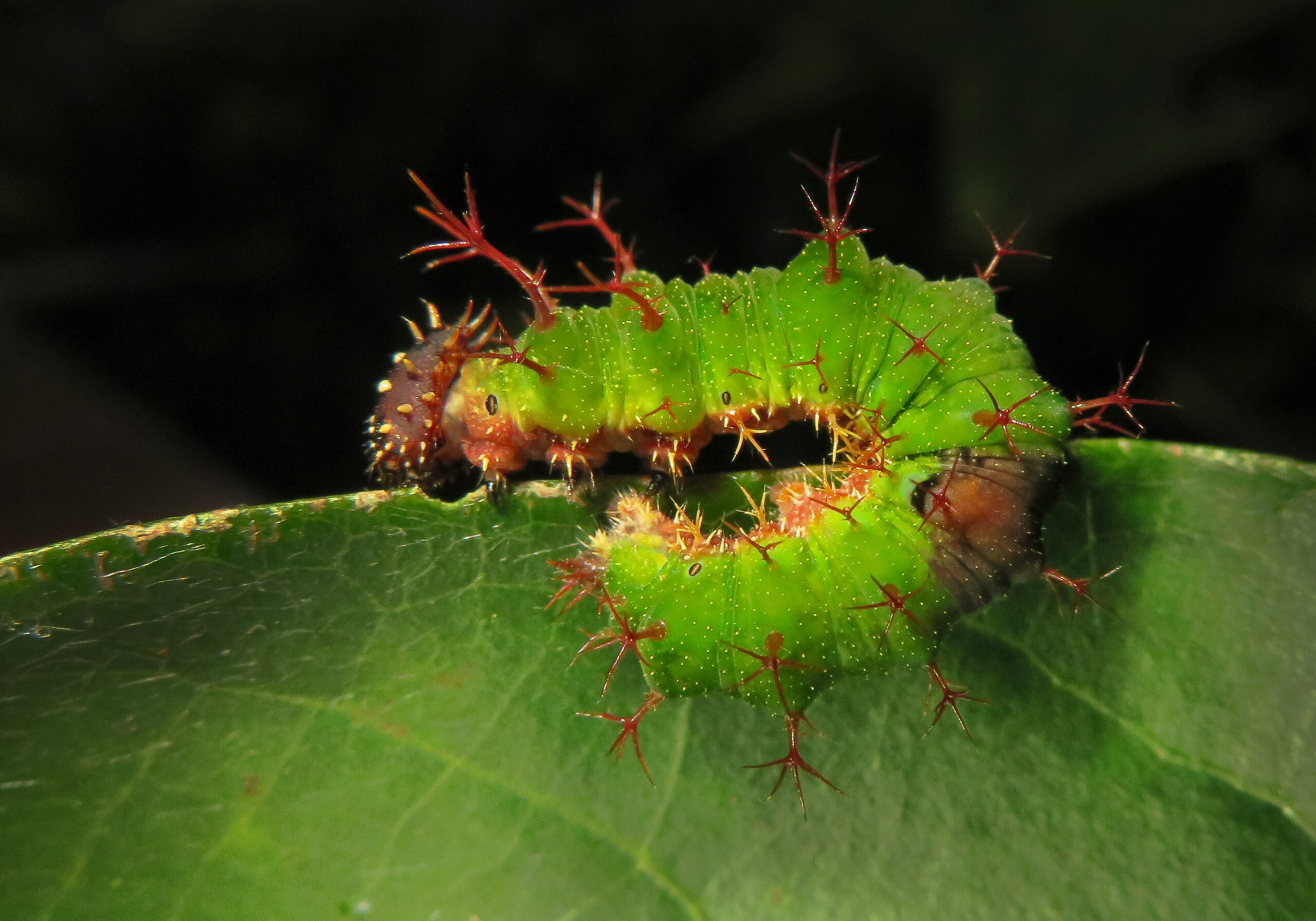
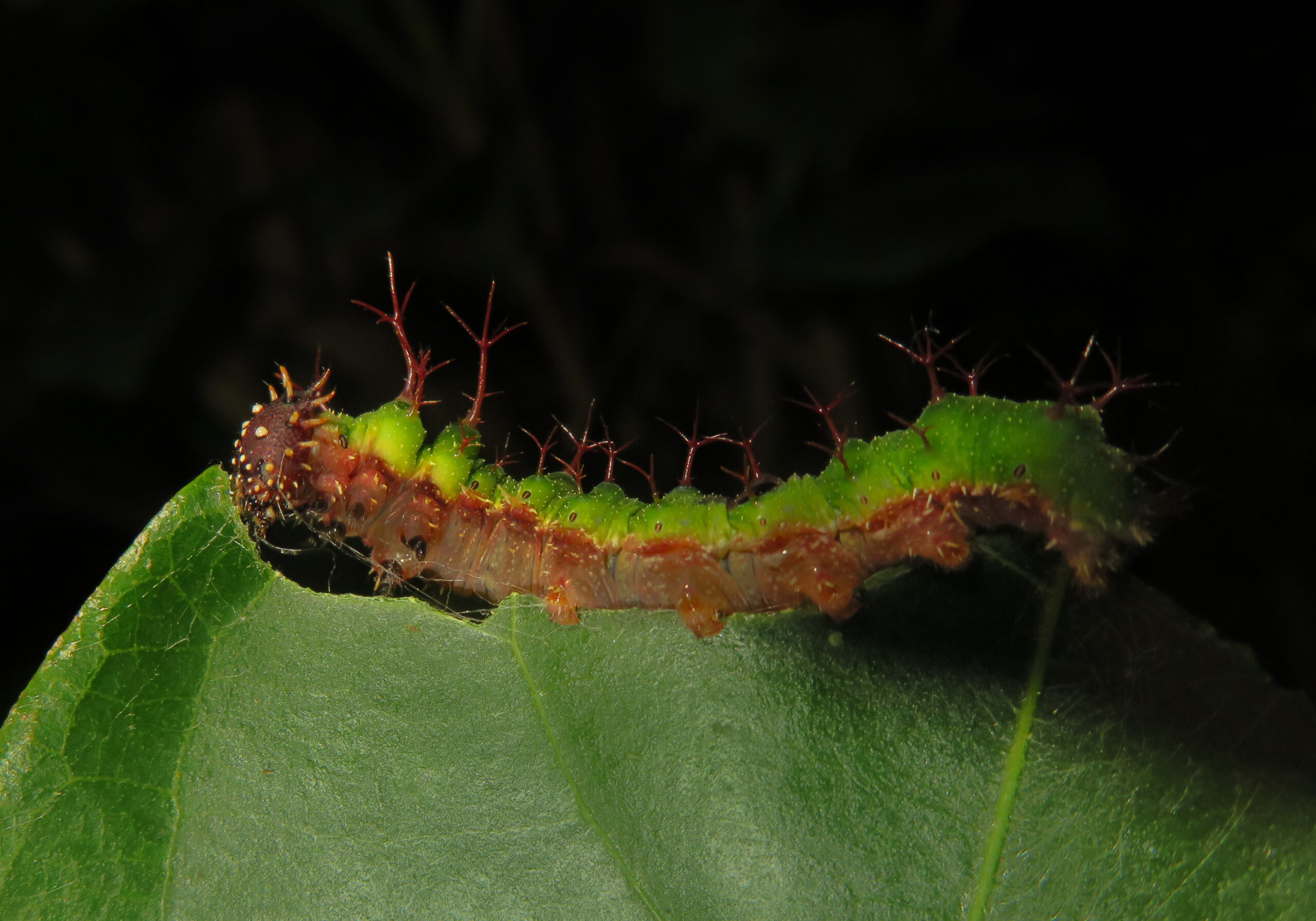
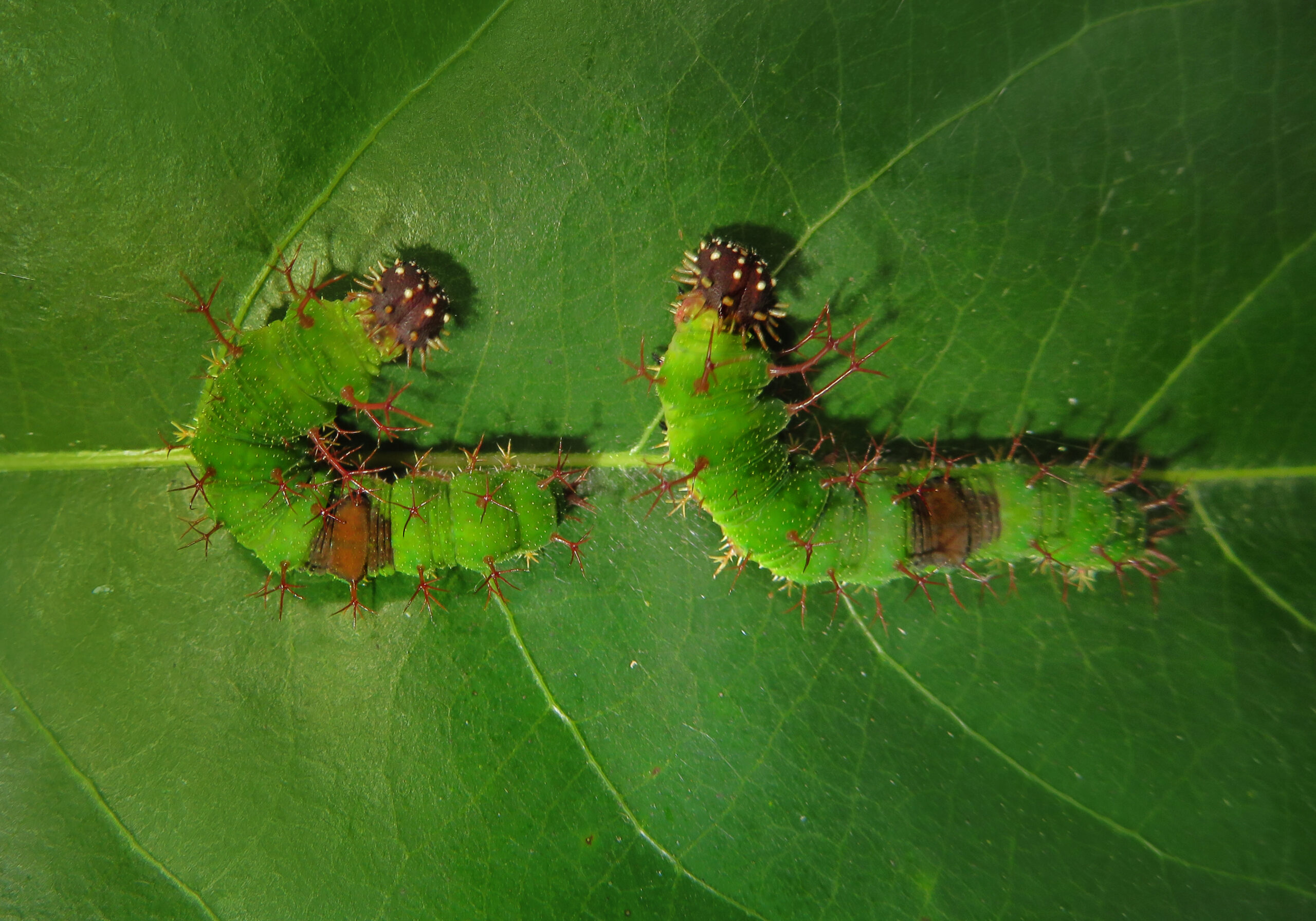
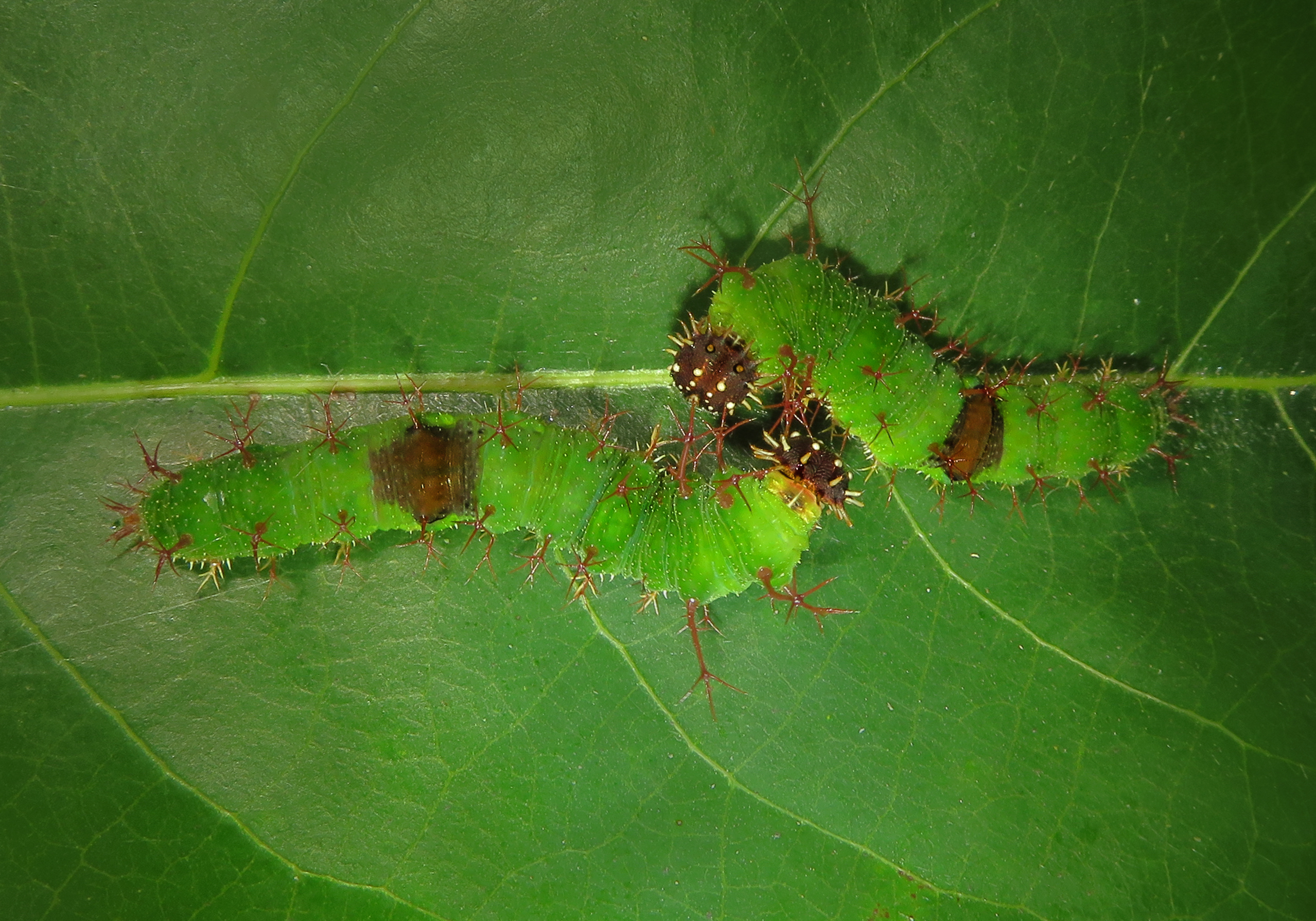
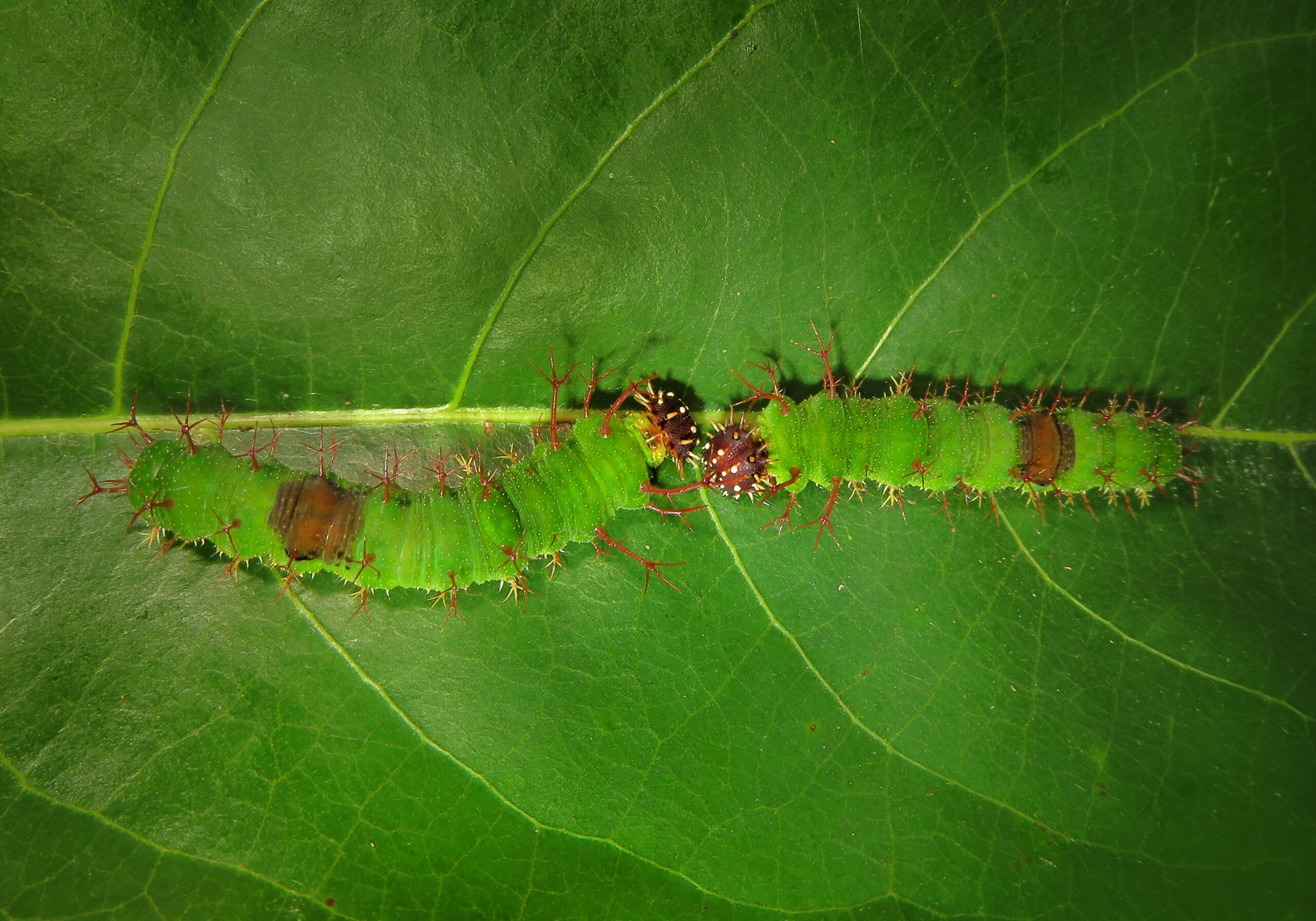
The life cycle follows complete metamorphosis, consisting of egg, larva (caterpillar), pupa (chrysalis), and adult stages. Females lay eggs singly on the leaves of host plants. Caterpillars are typically green or brown with branched spines or fleshy projections that provide camouflage among foliage. They feed mainly on plants in the families Fabaceae, Rubiaceae, Acanthaceae, and several other flowering plant families, depending on the species. Pupation occurs on leaves or stems, where the chrysalis hangs suspended from a silken pad.
The genus includes many well-known species, such as Athyma perius (Common Sergeant), Athyma selenophora (Staff Sergeant), Athyma ranga (Blackvein Sergeant), and Athyma nefte, each exhibiting distinctive wing patterns and habitat preferences.
Ecologically, Athyma butterflies are important pollinators of flowering plants and contribute to forest pollination networks. Their caterpillars play a role in regulating host plant growth through herbivory, while both larvae and adults provide food for birds, reptiles, spiders, predatory insects, and parasitoids. Their close association with healthy forest habitats makes them valuable indicators of ecosystem integrity and biodiversity.