

Angle Moths and Allies (Tribe Macariini)
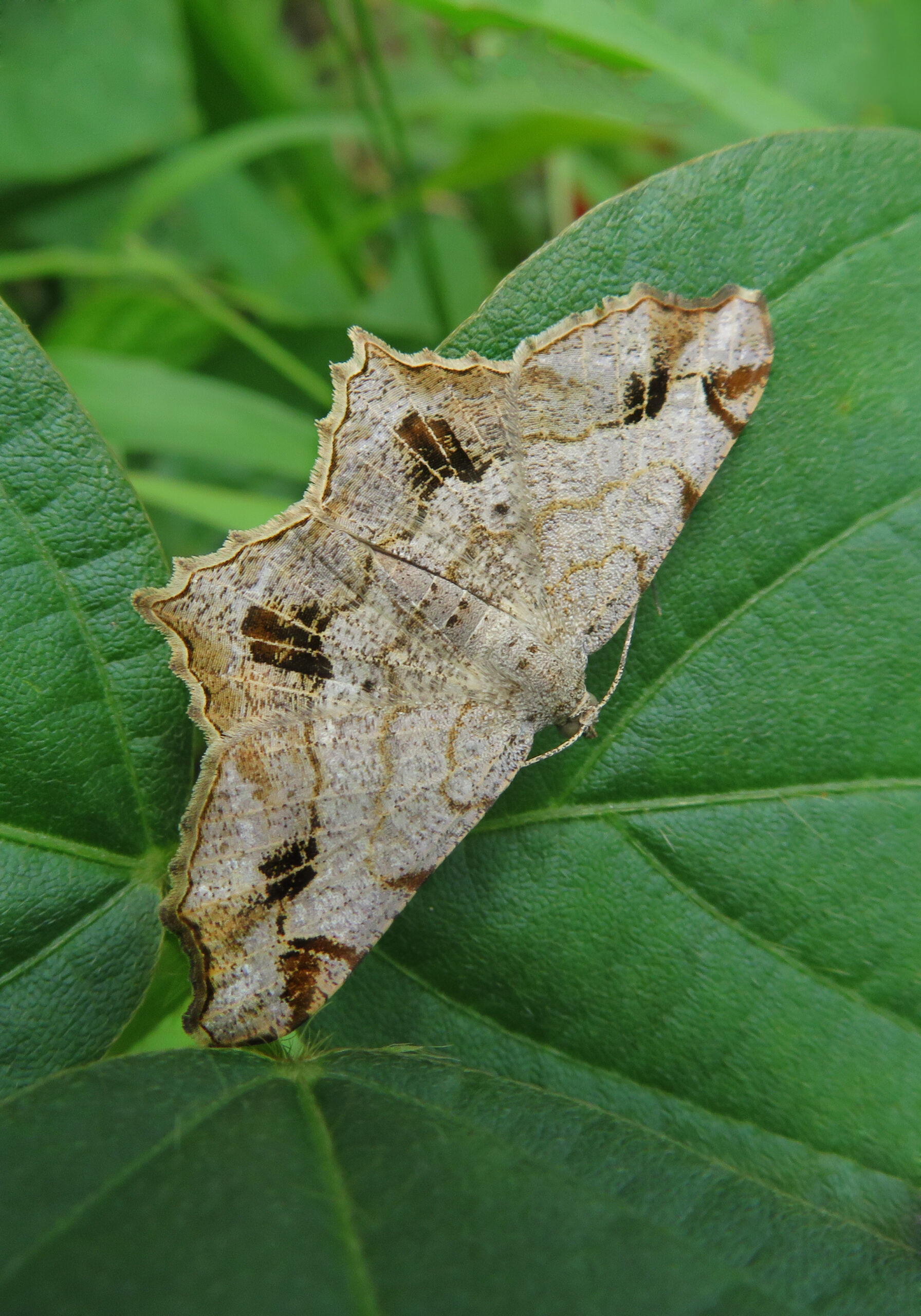
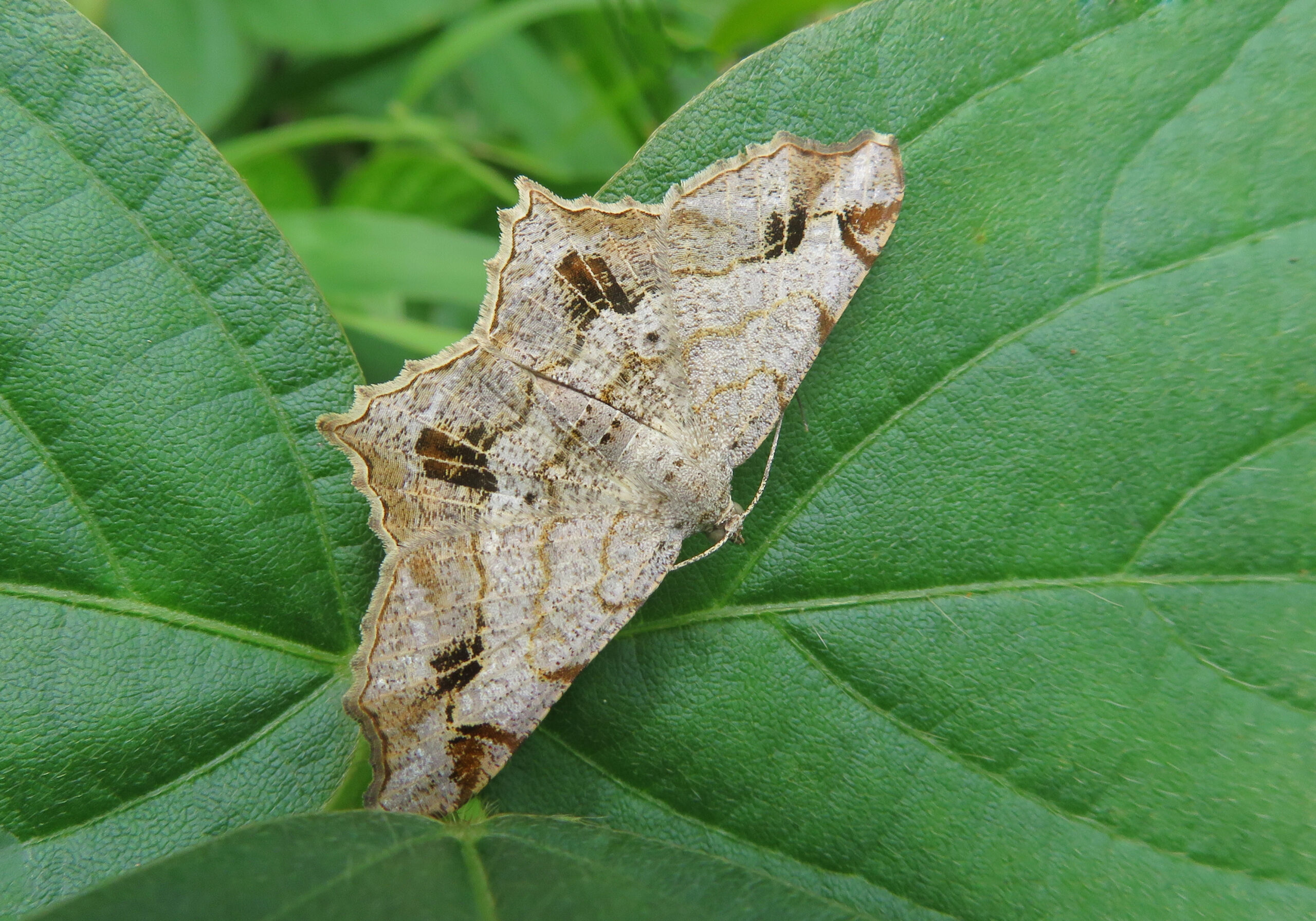
Macariini is a tribe of geometer moths within the subfamily Ennominae (Family Geometridae, Superfamily Geometroidea, Order Lepidoptera). The tribe comprises numerous genera and hundreds of described species distributed worldwide, with the greatest diversity in tropical and subtropical regions. Members inhabit tropical rainforests, temperate forests, shrublands, grasslands, woodland edges, agricultural landscapes, orchards, parks, and gardens, where suitable larval host plants are abundant.
Moths of the tribe Macariini are generally small to medium-sized and possess the slender body and broad wings characteristic of geometer moths. Their wings are usually held flat when at rest and often display finely patterned bands, zigzag lines, speckles, or patches that resemble bark, lichens, dried leaves, or stones. Coloration commonly includes shades of brown, gray, cream, white, yellow, and reddish-brown, providing excellent camouflage against natural substrates.
Adults are predominantly nocturnal and are frequently attracted to artificial lights. Most species possess a well-developed coiled proboscis and feed on nectar, tree sap, fermenting fruits, or other sugary liquids, although some adults feed only sparingly during their relatively short lifespan.
The life cycle involves complete metamorphosis, consisting of egg, larva (caterpillar), pupa, and adult stages. Caterpillars are typical inchworms or loopers, moving with a characteristic looping gait because the middle abdominal prolegs are reduced or absent. Many larvae closely resemble twigs or stems and remain rigid when disturbed, providing effective camouflage from predators. They feed on a wide range of trees, shrubs, and herbaceous plants, including members of the families Fabaceae, Rosaceae, Fagaceae, Salicaceae, and other flowering plants, depending on the species. Pupation usually occurs within the soil, leaf litter, or a loose silken cocoon among vegetation.
The tribe includes several well-known genera, such as Macaria, Chiasmia, Semiothisa, Isturgia, and Tephrina. Some species are widespread in forests and agricultural habitats, while a few are recognized as defoliators of economically important trees and crops.
Ecologically, Macariini moths play important roles as herbivores during the larval stage and as occasional pollinators while feeding on nectar as adults. Their caterpillars contribute to plant–herbivore interactions and serve as a valuable food source for birds, bats, reptiles, amphibians, spiders, predatory insects, and parasitoids. Their sensitivity to habitat quality, vegetation composition, and environmental change makes them useful indicators of forest health, ecosystem integrity, and biodiversity.