

Genus Chiasmia
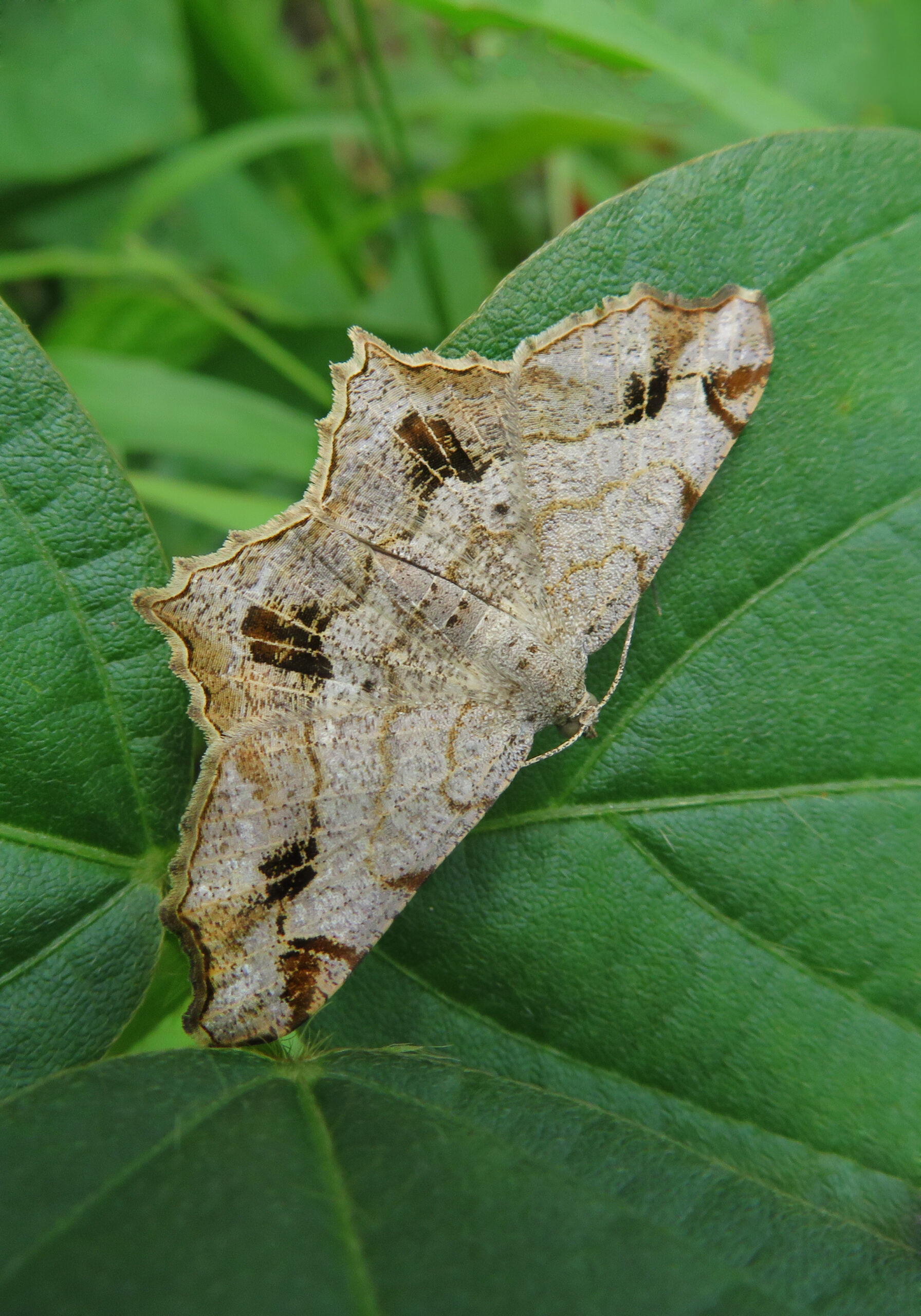
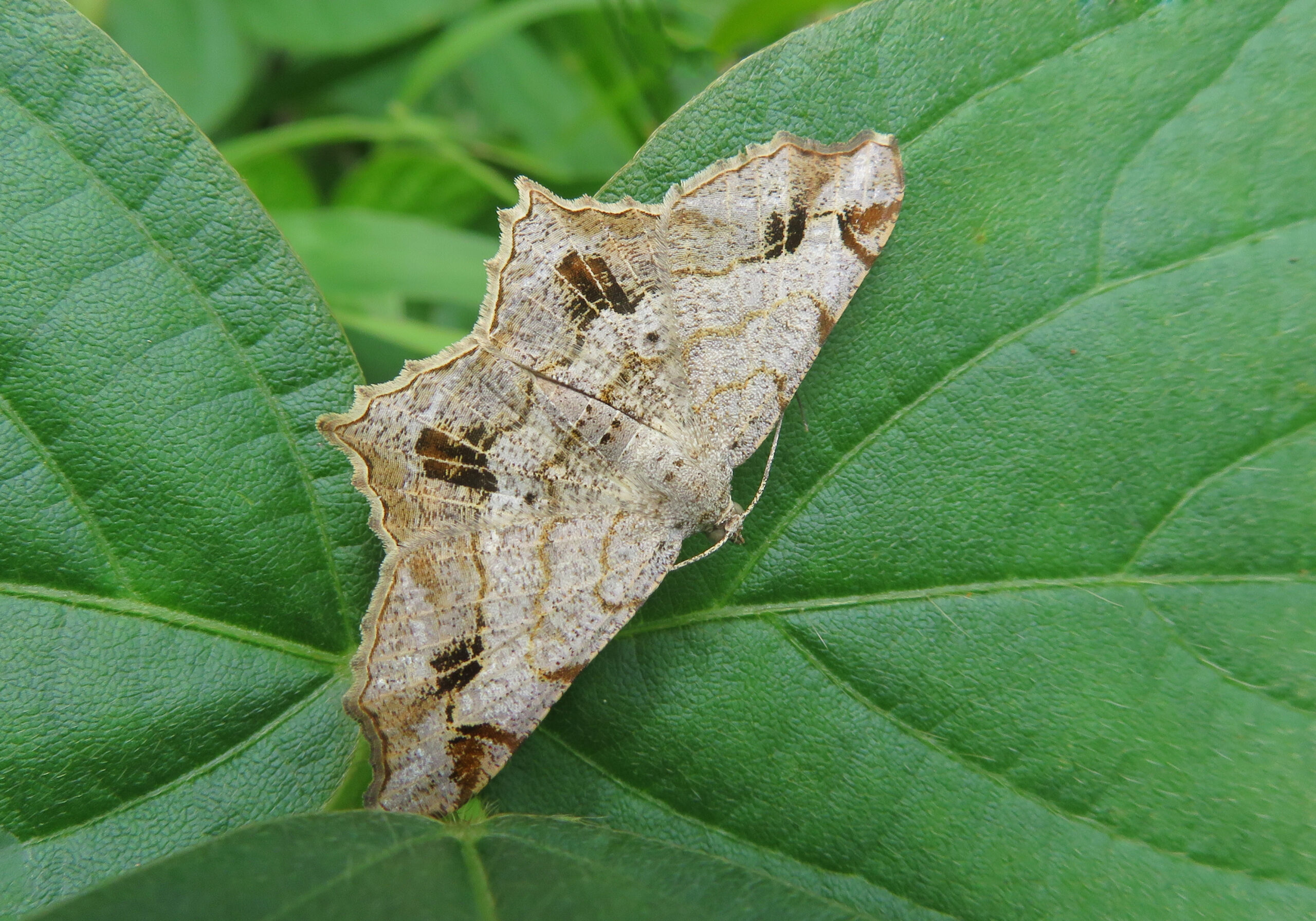
Chiasmia is a genus of geometer moths within the tribe Macariini (Subfamily Ennominae, Family Geometridae, Superfamily Geometroidea, Order Lepidoptera). The genus comprises more than 200 described species distributed throughout Africa, Europe, Asia, Australia, and parts of the Indo-Pacific, with the greatest diversity occurring in tropical and subtropical regions. Members inhabit tropical rainforests, deciduous forests, woodland edges, savannas, shrublands, grasslands, agricultural fields, plantations, parks, and gardens.
Moths of the genus Chiasmia are generally small to medium-sized and possess the slender body and broad wings characteristic of geometer moths. When at rest, the wings are typically held flat, exposing intricate patterns that provide excellent camouflage. Wing coloration commonly includes shades of brown, gray, cream, yellow, or reddish-brown, marked with wavy transverse lines, zigzags, bands, or small dark spots. These markings closely resemble bark, dried leaves, or lichens, helping the moths remain concealed during daylight hours.
Adults are primarily nocturnal and are frequently attracted to artificial lights. Most species possess a well-developed coiled proboscis and feed on nectar, tree sap, fermenting fruits, or other sugar-rich liquids. During the day they usually rest motionless on tree trunks, branches, rocks, or foliage, relying on their cryptic coloration to avoid detection by predators.
The life cycle involves complete metamorphosis, consisting of egg, larva (caterpillar), pupa, and adult stages. Caterpillars are typical inchworms or loopers, moving with a distinctive looping gait because the middle abdominal prolegs are reduced. Many larvae resemble slender twigs and adopt a rigid posture when disturbed, making them difficult for predators to detect. They feed mainly on the leaves of trees and shrubs, particularly members of the family Fabaceae, although host plant preferences vary among species. Pupation generally occurs within leaf litter, soil, or a loose silken cocoon attached to vegetation.
The genus includes numerous widespread species, several of which are common in forested and agricultural habitats. While most species are harmless components of natural ecosystems, a few may occasionally become minor defoliators of cultivated legumes and ornamental plants.
Ecologically, Chiasmia moths contribute to terrestrial ecosystems as herbivores during the larval stage and as occasional pollinators while feeding on nectar as adults. Their caterpillars provide an important food source for birds, reptiles, spiders, predatory insects, and parasitoid wasps, while adults are preyed upon by bats and other nocturnal predators. Their close association with native vegetation and sensitivity to environmental change make Chiasmia species useful indicators of habitat quality, forest health, and biodiversity.