

Subfamily Ennominae
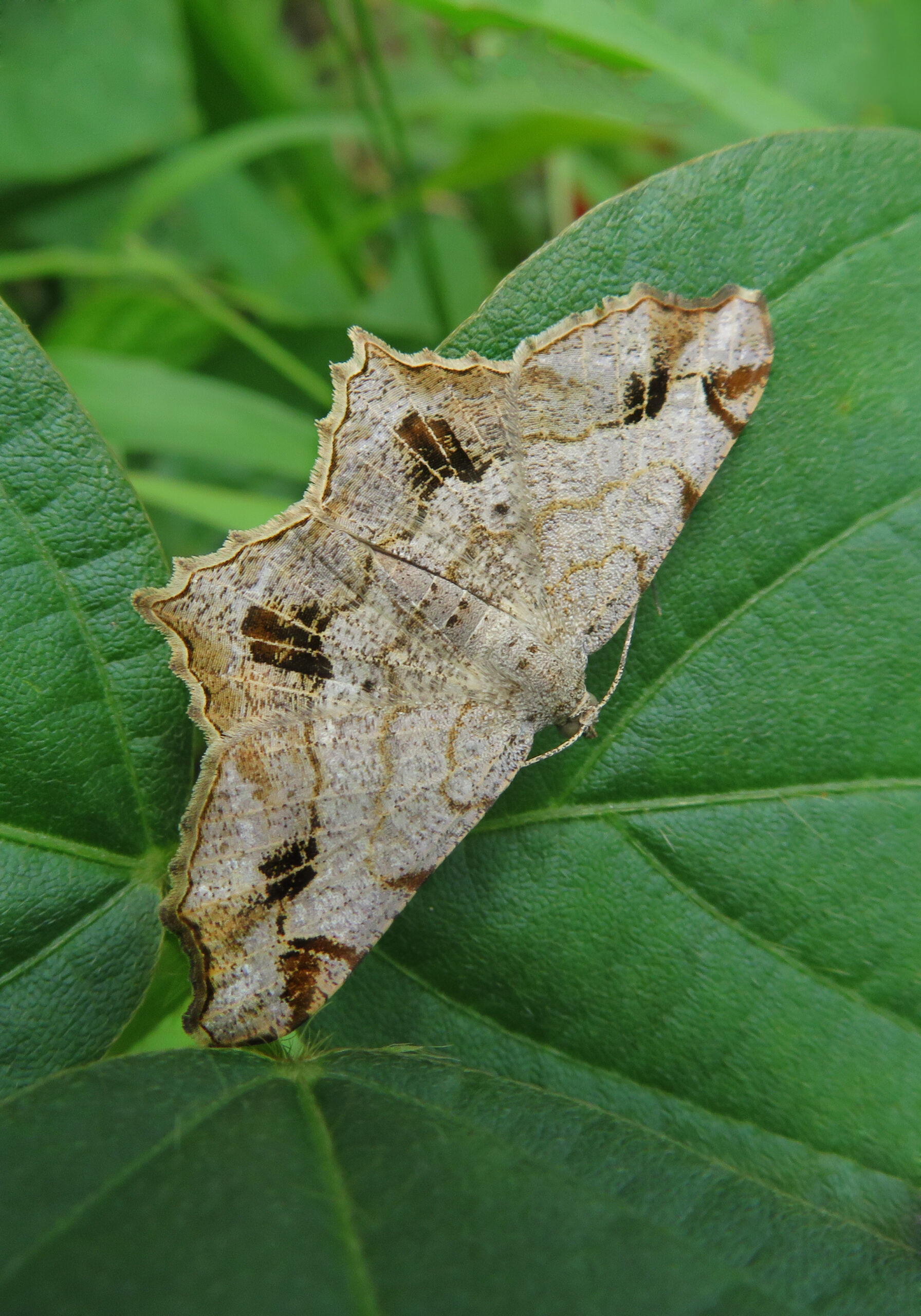
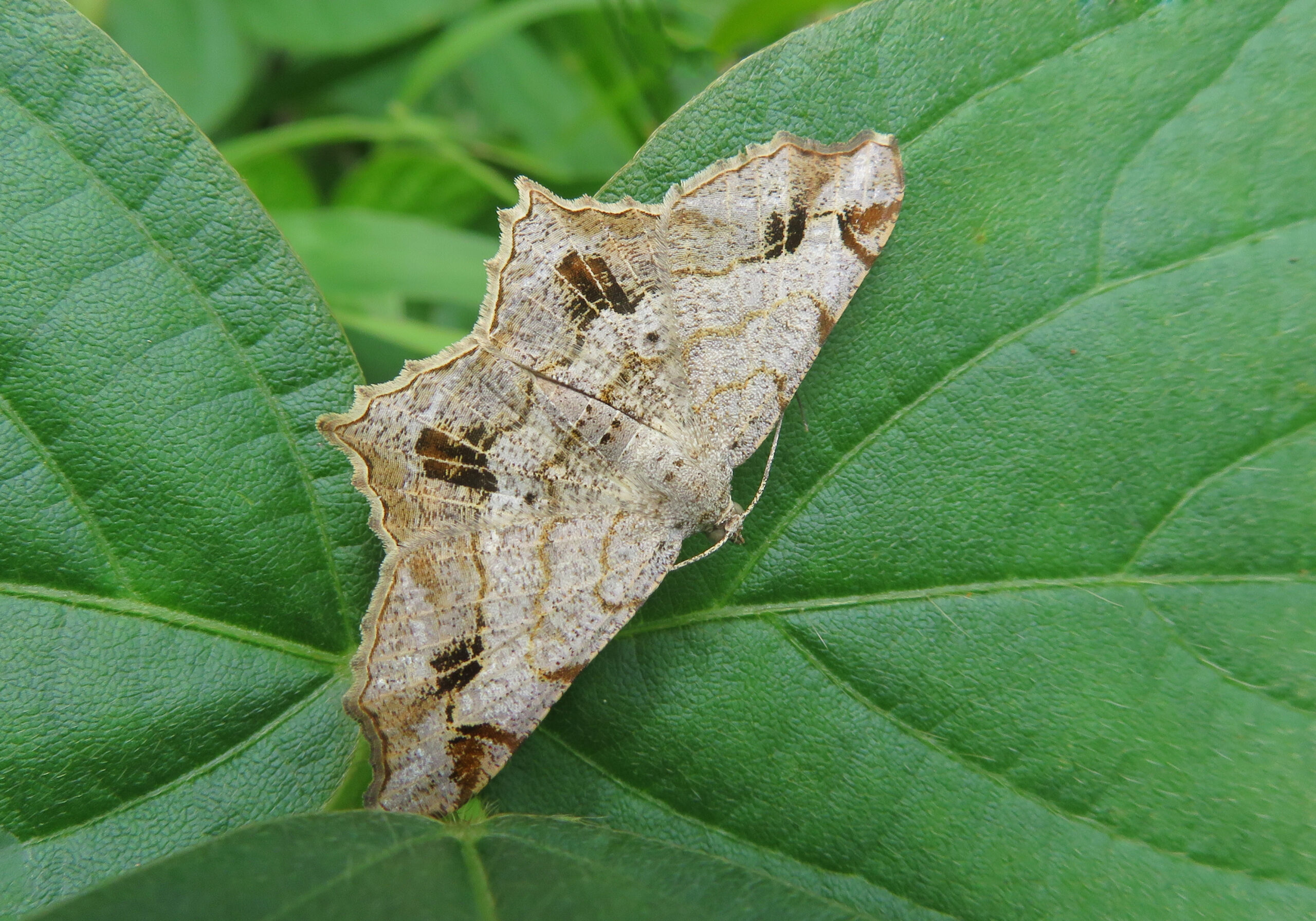
Ennominae is the largest and most diverse subfamily of geometer moths within the family Geometridae (Superfamily Geometroidea, Order Lepidoptera). It comprises more than 10,000 described species, accounting for nearly half of all geometer moth diversity. Members are distributed worldwide, with the greatest species richness occurring in tropical and subtropical forests. They inhabit tropical rainforests, temperate woodlands, shrublands, grasslands, wetlands, agricultural landscapes, parks, and gardens.
Moths of the subfamily Ennominae are generally small to medium-sized, although some tropical species are relatively large. Adults possess slender bodies and broad wings that are typically held flat when resting. Wing shape is highly variable, with many species exhibiting scalloped margins, elongated hindwings, or subtle tail-like extensions. Their coloration ranges from brown, gray, white, cream, and olive to yellow, orange, or reddish tones. Intricate bands, wavy lines, speckles, and bark-like or lichen-like patterns provide excellent camouflage against tree trunks, branches, rocks, and leaf litter.
Adults are predominantly nocturnal and are frequently attracted to artificial lights. Most species possess a well-developed coiled proboscis and feed on nectar, tree sap, fermenting fruits, or other sugary fluids, although some adults feed little or not at all during their relatively short lifespan.
The life cycle involves complete metamorphosis, consisting of egg, larva (caterpillar), pupa, and adult stages. The caterpillars are typical inchworms or loopers, moving in a distinctive looping manner because the middle abdominal prolegs are reduced or absent. Many larvae are extraordinary twig mimics, remaining rigid when disturbed and blending seamlessly with surrounding vegetation. They feed on a wide variety of trees, shrubs, vines, and herbaceous plants, with many species showing preferences for particular host plant families. Pupation usually occurs within the soil, leaf litter, or a loose silken cocoon attached to vegetation.
The subfamily includes numerous well-known genera such as Biston, Abraxas, Hypomecis, Ectropis, Ourapteryx, Cleora, Ascotis, and Peribatodes. Some members, including the Peppered Moth (Biston betularia), have become classic examples in evolutionary biology because of their role in demonstrating natural selection through industrial melanism.
Ecologically, Ennominae moths are important herbivores during the larval stage and contribute to pollination as nectar-feeding adults. Their caterpillars influence plant growth and provide an abundant food source for birds, bats, reptiles, amphibians, spiders, predatory insects, and parasitoid wasps and flies. Owing to their sensitivity to habitat disturbance, vegetation structure, and environmental change, ennomine moths are widely regarded as valuable indicators of forest health, ecosystem integrity, and biodiversity.