

Subtribe Acherontiina
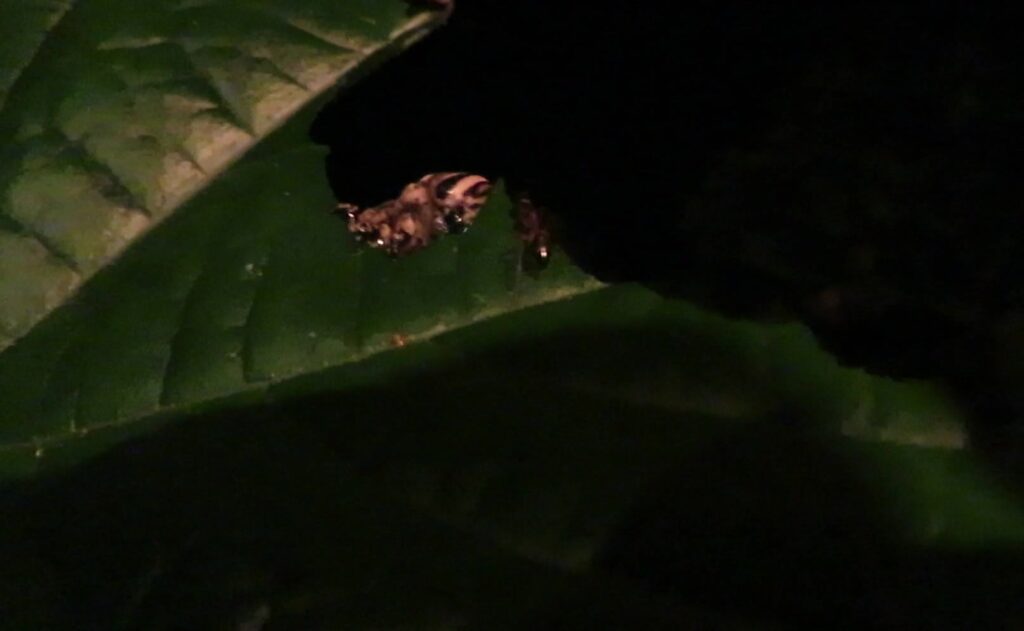
Acherontiina is a taxonomic subtribal name associated with the classification of moths in the family Erebidae, a large and diverse family within the insect order Lepidoptera. The exact placement and accepted status of this subtribe should be verified against the taxonomic system being followed, as classifications within Erebidae have undergone considerable revision. Taxonomic ranks such as tribes and subtribes help organize related moths according to their evolutionary relationships and shared morphological characteristics.
Moths in the broader groups associated with this classification exhibit considerable diversity in body size, wing shape, coloration, and pattern. Their wings may display shades of brown, gray, black, cream, or contrasting markings that provide camouflage against tree bark, dry leaves, and other surfaces. Some species have patterns that help them remain concealed during the day, while others possess more conspicuous markings that may play a role in defense or communication.
Like many moths, members of related erebid groups have bodies covered with scales and two pairs of wings. Their antennae are important sensory structures used to detect environmental cues, including chemical signals. The form of the antennae, wing venation, body structure, and other anatomical features can help specialists distinguish closely related taxa. However, specific diagnostic features should be attributed to Acherontiina only after confirming which genera and species are included in the subtribe.
Moths within Erebidae occupy a wide variety of habitats, including tropical forests, subtropical woodland, grasslands, agricultural areas, and gardens. Their distribution and habitat preferences depend on the species, local climate, and availability of suitable food plants or other resources. Some are associated with forest vegetation, while others are adapted to open or disturbed environments.
The life cycle follows the typical pattern of moths, consisting of egg, larva, pupa, and adult stages. Females lay eggs on or near suitable host plants, and the caterpillars feed and grow through several molts. Depending on the species, larvae may consume leaves or other plant materials. Once fully developed, a caterpillar pupates, often within a cocoon, leaf litter, soil, or another sheltered location, before emerging as an adult moth.
Adult moths may feed on nectar, sap, fermenting fruit, or other available resources, although feeding habits differ substantially among species. Some adults have reduced mouthparts and feed little or not at all. Caterpillars and adult moths can serve as food for birds, bats, reptiles, spiders, and predatory insects, making moths important components of terrestrial food webs.
Accurate information about the defining characteristics, genera, distribution, and ecological traits of Acherontiina depends on confirming its current taxonomic usage. Because subtribal classifications can differ between sources, a reliable account should be based on a specialist catalogue or recent taxonomic revision rather than assuming that all general characteristics of Erebidae apply specifically to this group.
Overall, Acherontiina is a taxonomic name whose precise position and composition require verification within the classification of moths. Understanding the group involves examining its accepted placement, diagnostic morphology, constituent taxa, and evolutionary relationships. Such taxonomic work helps clarify the diversity of moths and their roles in terrestrial ecosystems.