

Genus Elibia
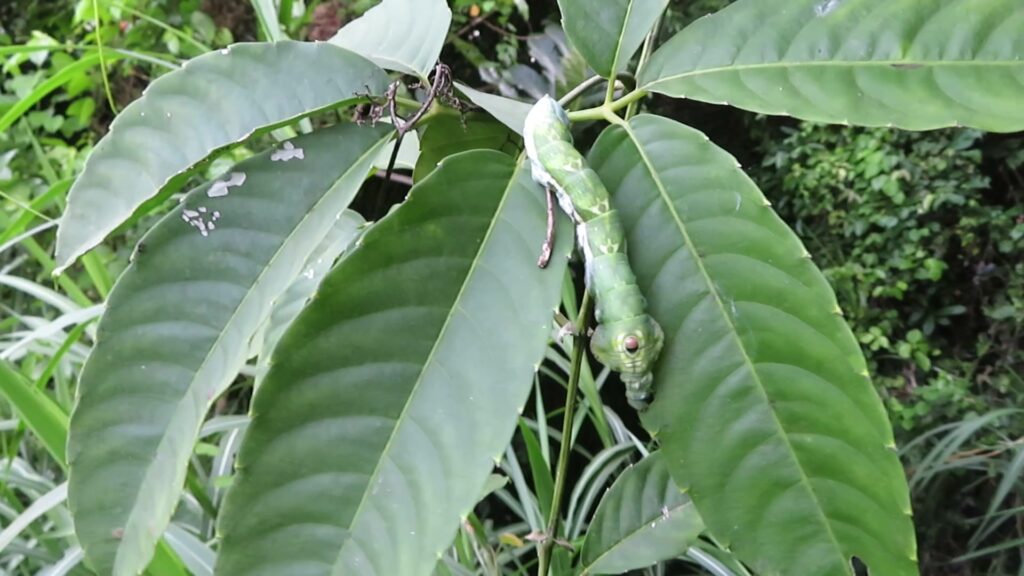
Genus Elibia is a genus of moths belonging to the family Sphingidae, subfamily Macroglossinae, and tribe Macroglossini. These moths are part of the diverse group commonly known as hawk moths or sphinx moths, which are recognized for their streamlined bodies, elongated wings, and powerful flight capabilities. Species of Elibia occur primarily in tropical and subtropical regions of Asia, where they inhabit forests, woodland margins, and other environments supporting suitable larval host plants. Adults generally possess muted shades of brown, gray, or other earthy colors, often accompanied by distinctive wing markings that help distinguish them from related sphingid moths. Like other hawk moths, members of this genus undergo complete metamorphosis, progressing through egg, caterpillar, pupa, and adult stages. The larvae feed on the foliage of suitable host plants, while adults may visit flowers to obtain nectar using their elongated proboscis. Their flight abilities enable them to move efficiently through vegetated habitats in search of food and potential mates. As herbivorous larvae and nectar-feeding adults, Elibia moths participate in plant–insect interactions and form part of terrestrial food webs, serving as prey for birds, bats, parasitoids, and other predators. The distribution, appearance, and host-plant associations vary among species, and detailed biological information remains limited for some members of the genus. Their populations may be affected by habitat loss, vegetation changes, pesticide exposure, and other environmental pressures. Through their life cycles and ecological interactions, Elibia represents a specialized genus of hawk moths contributing to the biodiversity of Asian terrestrial ecosystems.