

Thread-waisted Wasps (Family Sphecidae)
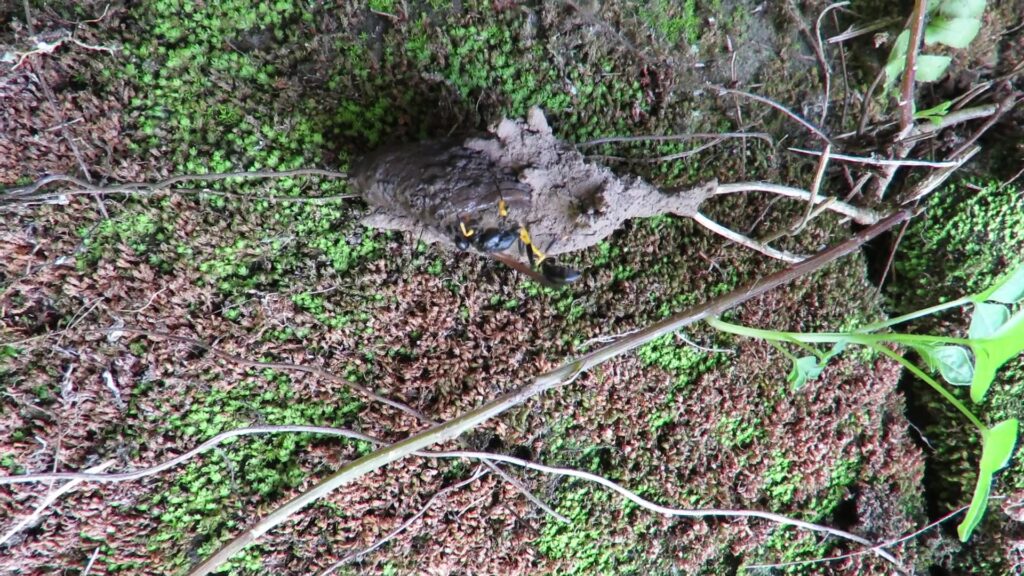
Family Sphecidae is a family of solitary wasps belonging to the superfamily Apoidea within the order Hymenoptera. Commonly known as thread-waisted wasps, members of this family are widely distributed throughout tropical, subtropical, and temperate regions of the world. They inhabit diverse environments, including forests, grasslands, deserts, agricultural areas, gardens, and open sandy habitats. Sphecid wasps are characterized by their elongated bodies, narrow waists, well-developed wings, and strong mandibles. Their coloration varies among species, ranging from black and brown to metallic blue, green, and combinations of red or yellow markings. One of their most distinctive anatomical features is the slender connection between the thorax and abdomen, known as the petiole, which gives many species their characteristic thread-like appearance. Most members of Sphecidae are solitary predators that construct nests in soil, sand, hollow stems, plant cavities, or other sheltered locations. Females typically capture and paralyze prey, including caterpillars, grasshoppers, crickets, spiders, and other arthropods, which are stored inside nest chambers as food for developing larvae. Eggs are deposited alongside the provisioned prey, allowing the emerging larvae to feed on the stored food before pupating. Adult wasps generally consume nectar and other sugary plant resources, making some species occasional pollinators. Unlike social wasps, most sphecids do not establish large colonies or maintain complex social hierarchies, with females independently constructing and provisioning their nests. Their hunting activities contribute to the natural regulation of insect and spider populations, while their nesting behavior supports interactions with soil and plant-based habitats. Members of Sphecidae undergo complete metamorphosis, progressing through egg, larval, pupal, and adult stages. Although generally beneficial components of terrestrial ecosystems, their populations may be influenced by habitat destruction, pesticide exposure, and the loss of suitable nesting and feeding sites. Through their specialized hunting strategies, distinctive body structures, and solitary nesting behavior, Sphecidae represents an ecologically important family of predatory wasps.