Bali Wildlife
Every Spices Matter


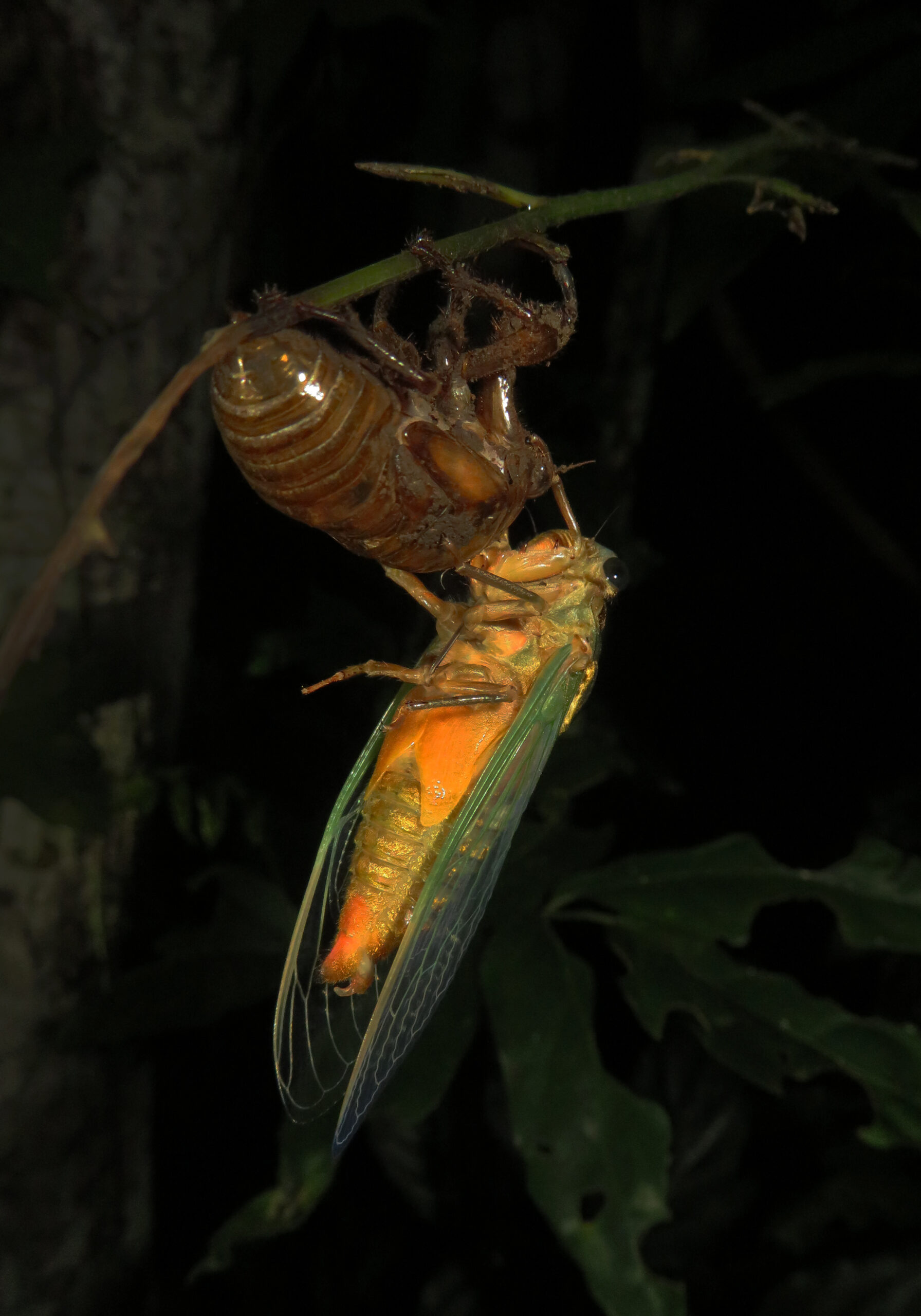
Cicadomorpha is a major infraorder of true bugs within the suborder Auchenorrhyncha (Order Hemiptera). It comprises more than 45,000 described species, including cicadas, leafhoppers, treehoppers, froghoppers (spittlebugs), and related groups. Members are distributed worldwide, occurring on every continent except Antarctica, and inhabit a wide variety of terrestrial ecosystems, including tropical rainforests, temperate forests, grasslands, wetlands, deserts, agricultural fields, orchards, gardens, and urban landscapes.
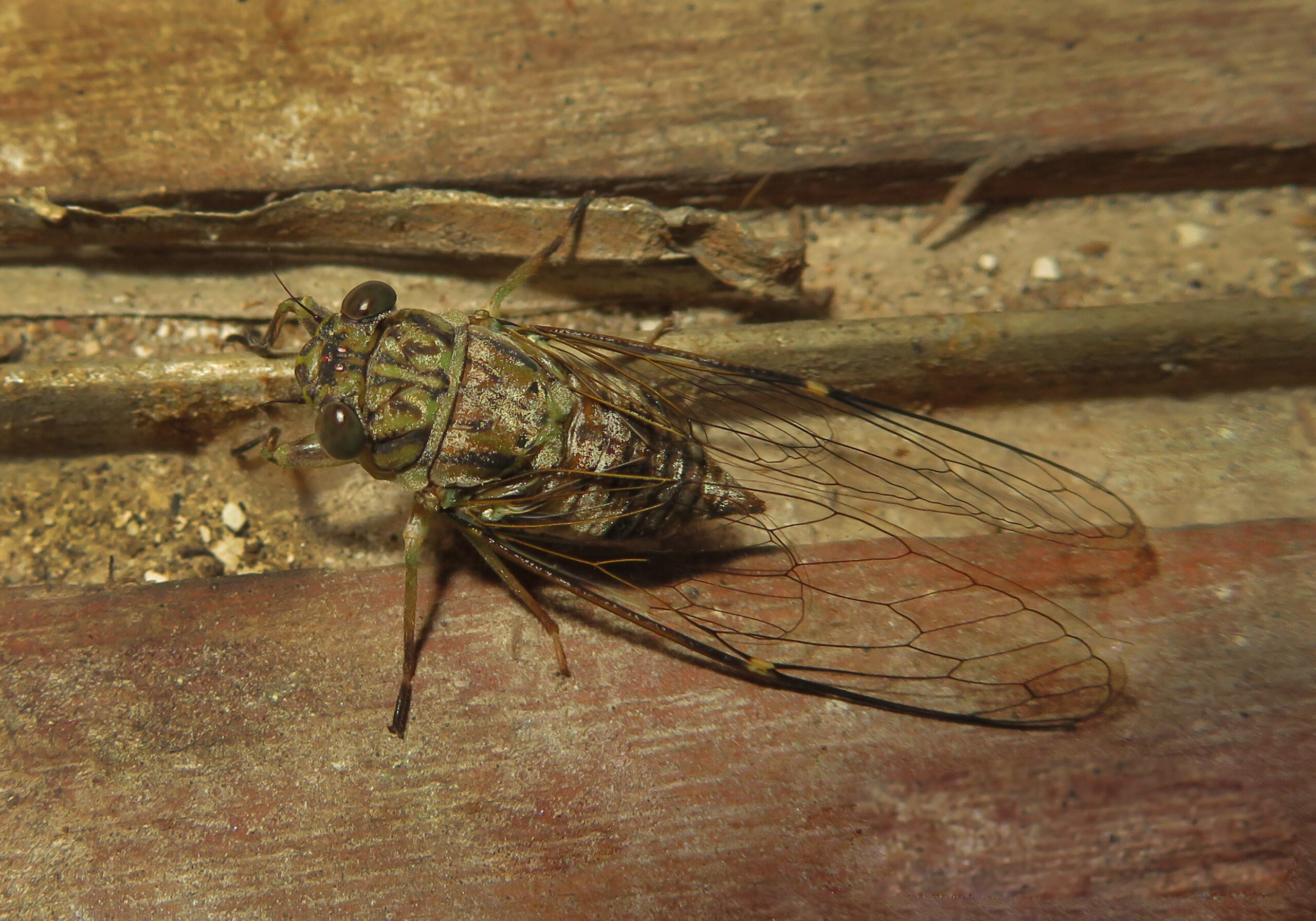
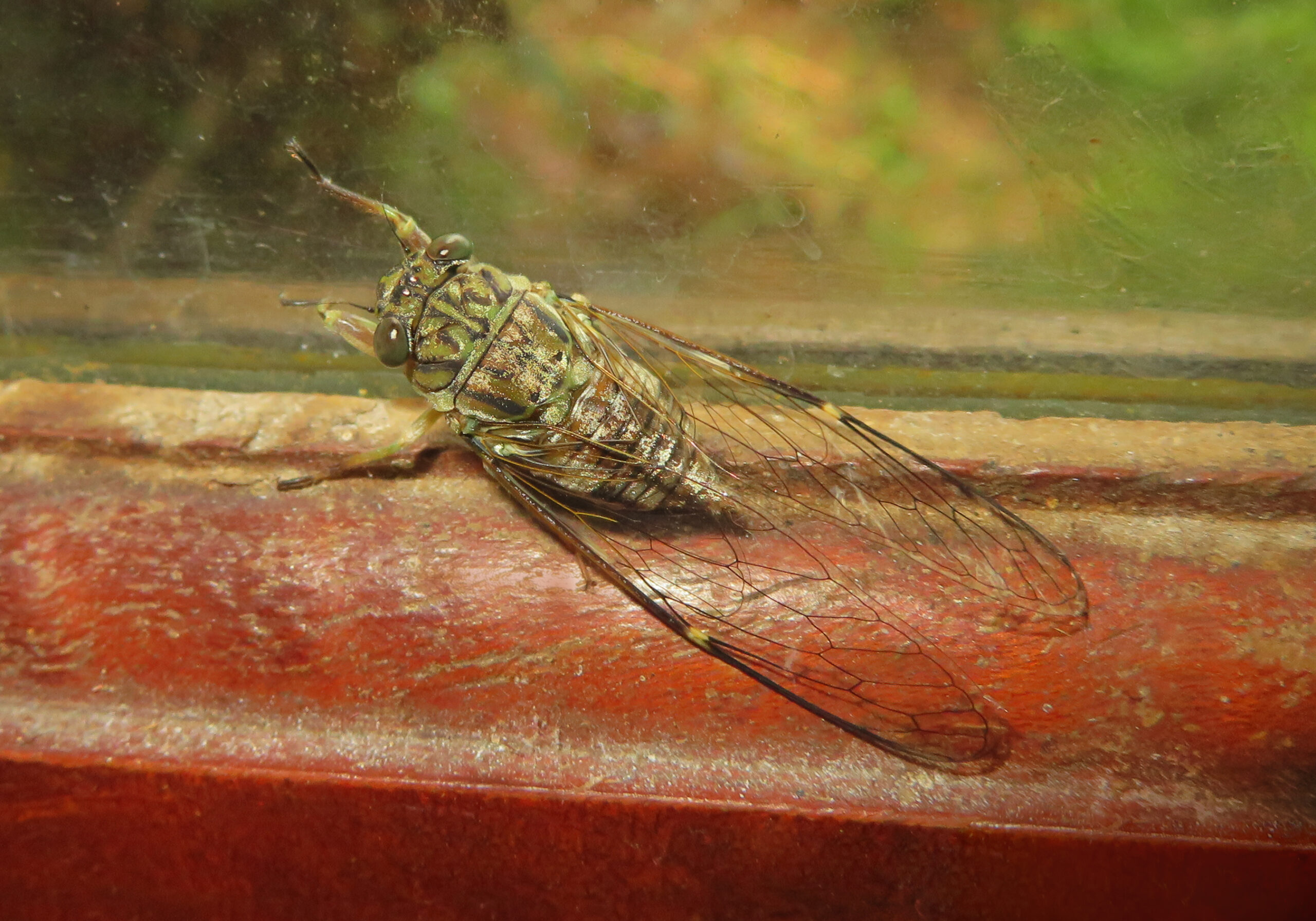
Members of Cicadomorpha are generally small to large insects characterized by a wedge-shaped or robust body, well-developed compound eyes, short antennae ending in a bristle-like segment, and piercing-sucking mouthparts adapted for feeding on plant sap. Their body shape and coloration vary greatly among groups, ranging from the large, broad-bodied cicadas to the slender leafhoppers and the highly ornamented treehoppers. Many species exhibit cryptic green or brown coloration, while others display striking patterns of yellow, red, blue, or metallic hues.
Adults are predominantly diurnal, although some cicadas are most active during dawn or dusk. Most species are excellent jumpers owing to their enlarged hind legs, and many are also capable of rapid flight. Male cicadas are especially renowned for producing loud mating calls using specialized sound-producing organs called tymbals, making them among the loudest insects in the world.
Like all hemipterans, Cicadomorpha species feed by inserting their stylets into plant tissues to extract sap. Depending on the group, they feed on xylem or phloem sap from trees, shrubs, grasses, herbs, and crops. While many species have narrow host preferences, others feed on a broad range of plants. Some leafhoppers and froghoppers are important agricultural pests because they damage crops directly and transmit plant pathogens such as viruses, phytoplasmas, and bacteria.
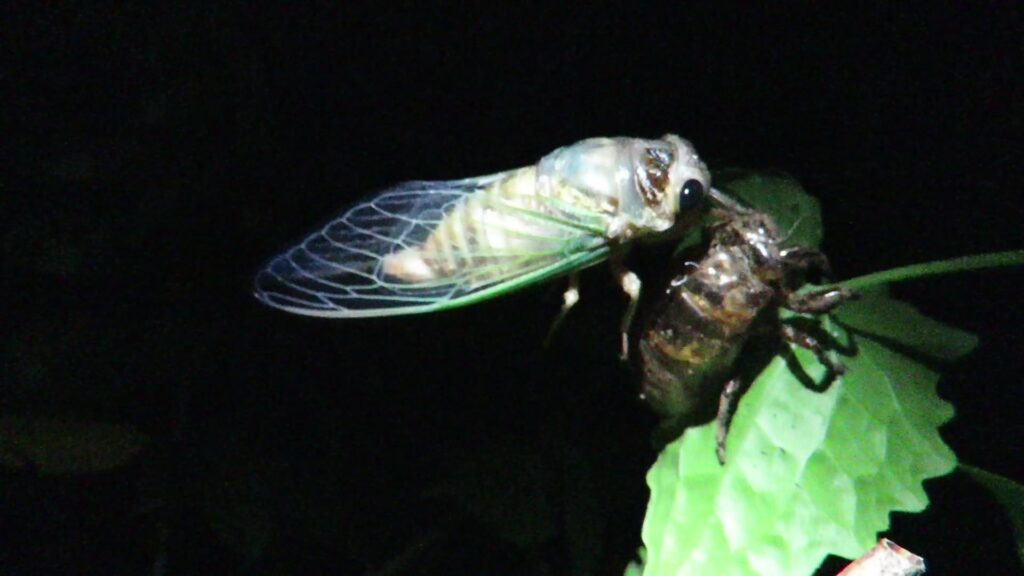
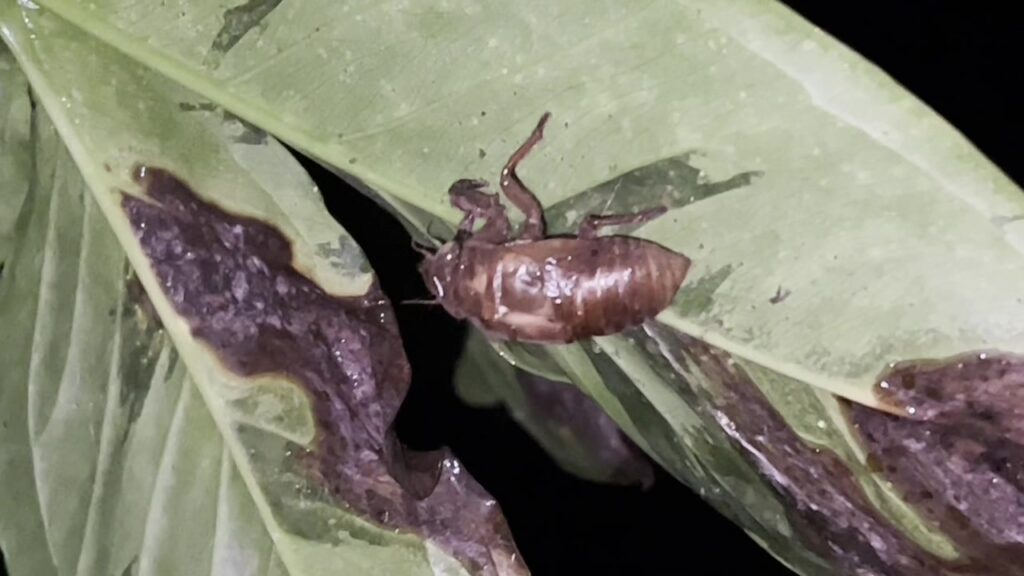
The life cycle involves incomplete metamorphosis, consisting of egg, nymph, and adult stages. Females insert eggs into plant tissues using a well-developed ovipositor. Nymphs resemble wingless adults and undergo several molts before reaching maturity. Cicada nymphs are unique in spending several years underground, feeding on root sap before emerging to molt into adults. In contrast, leafhopper, treehopper, and froghopper nymphs typically develop on vegetation, with froghopper nymphs producing characteristic protective masses of frothy “spittle.”
The infraorder includes several prominent superfamilies, such as Cicadoidea (cicadas), Membracoidea (leafhoppers and treehoppers), and Cercopoidea (froghoppers or spittlebugs), representing a remarkable diversity of forms, behaviors, and ecological adaptations.
Ecologically, Cicadomorpha insects are important herbivores that influence plant physiology and nutrient cycling through sap feeding. They also serve as essential prey for birds, reptiles, amphibians, spiders, predatory insects, and mammals. Their interactions with host plants, predators, and pathogens make them key components of terrestrial food webs, while many species are valuable indicators of habitat quality and ecosystem health.