Bali Wildlife
Every Spices Matter


Epidermaptera is an infraorder within the suborder Neodermaptera (Order Dermaptera), comprising the majority of living earwig species. Members of this group are distributed worldwide and occupy a wide variety of habitats, including forests, grasslands, agricultural fields, gardens, wetlands, and urban environments. They are most commonly found in moist, sheltered locations such as leaf litter, beneath bark, under stones, and within soil crevices.
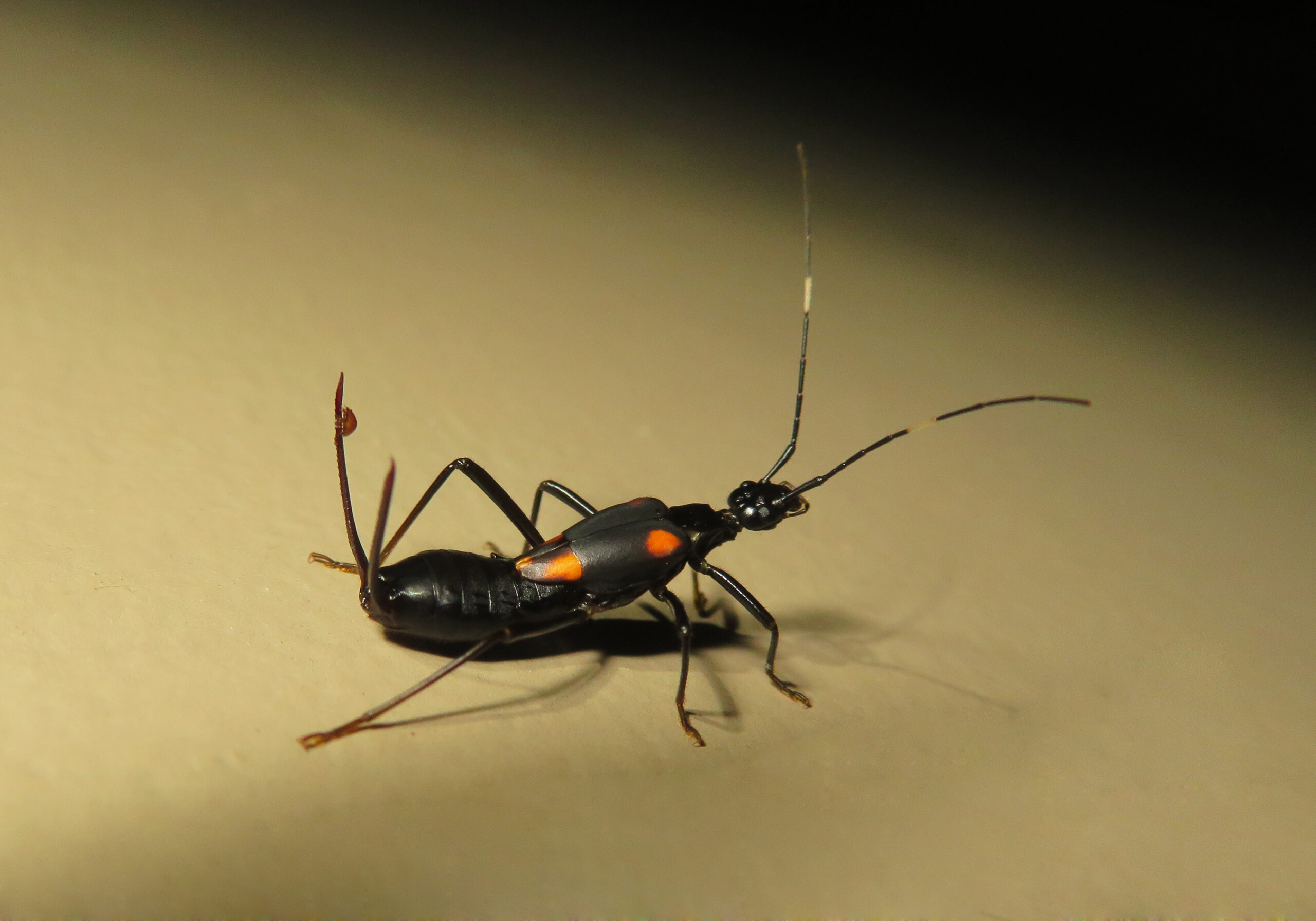
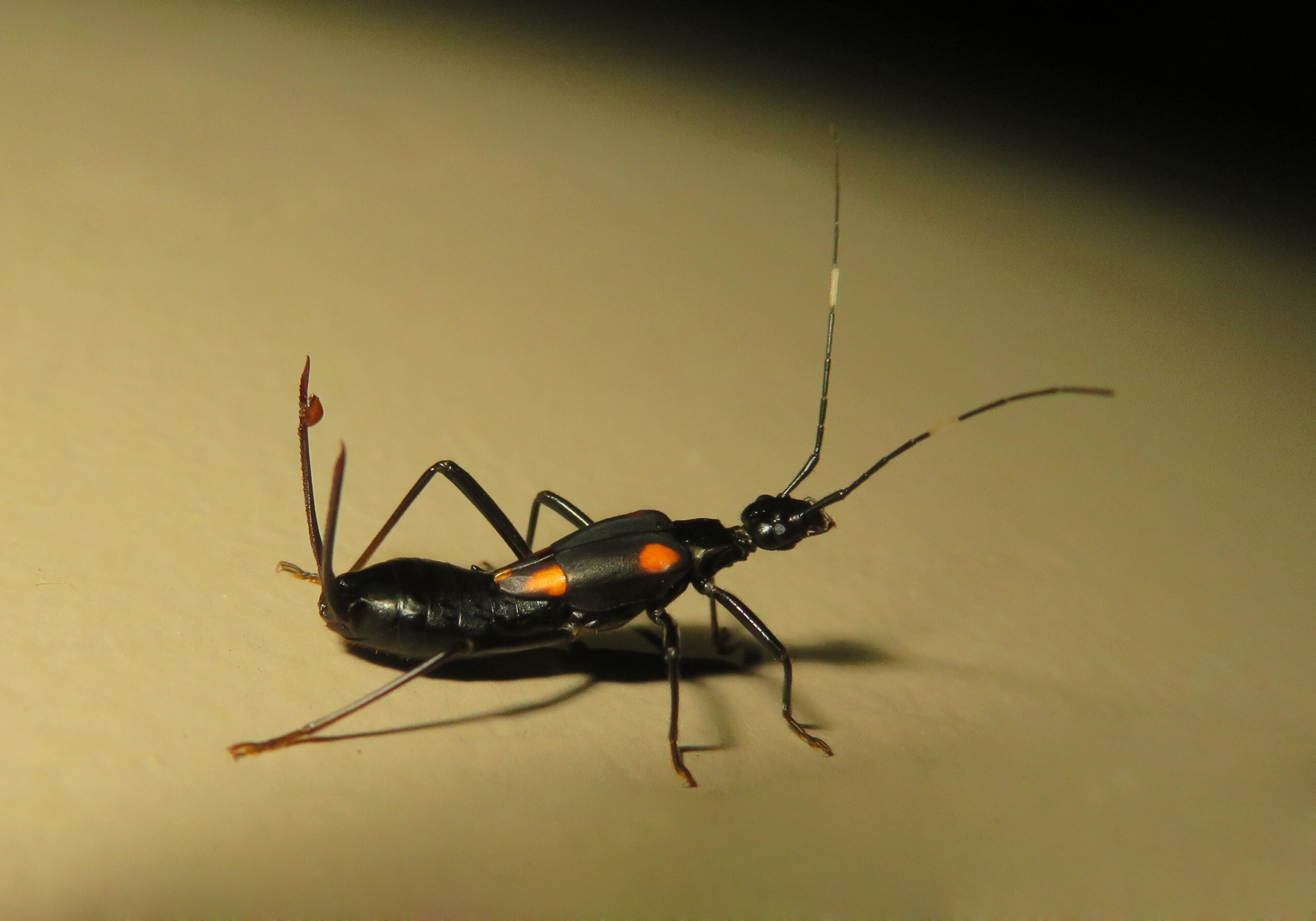
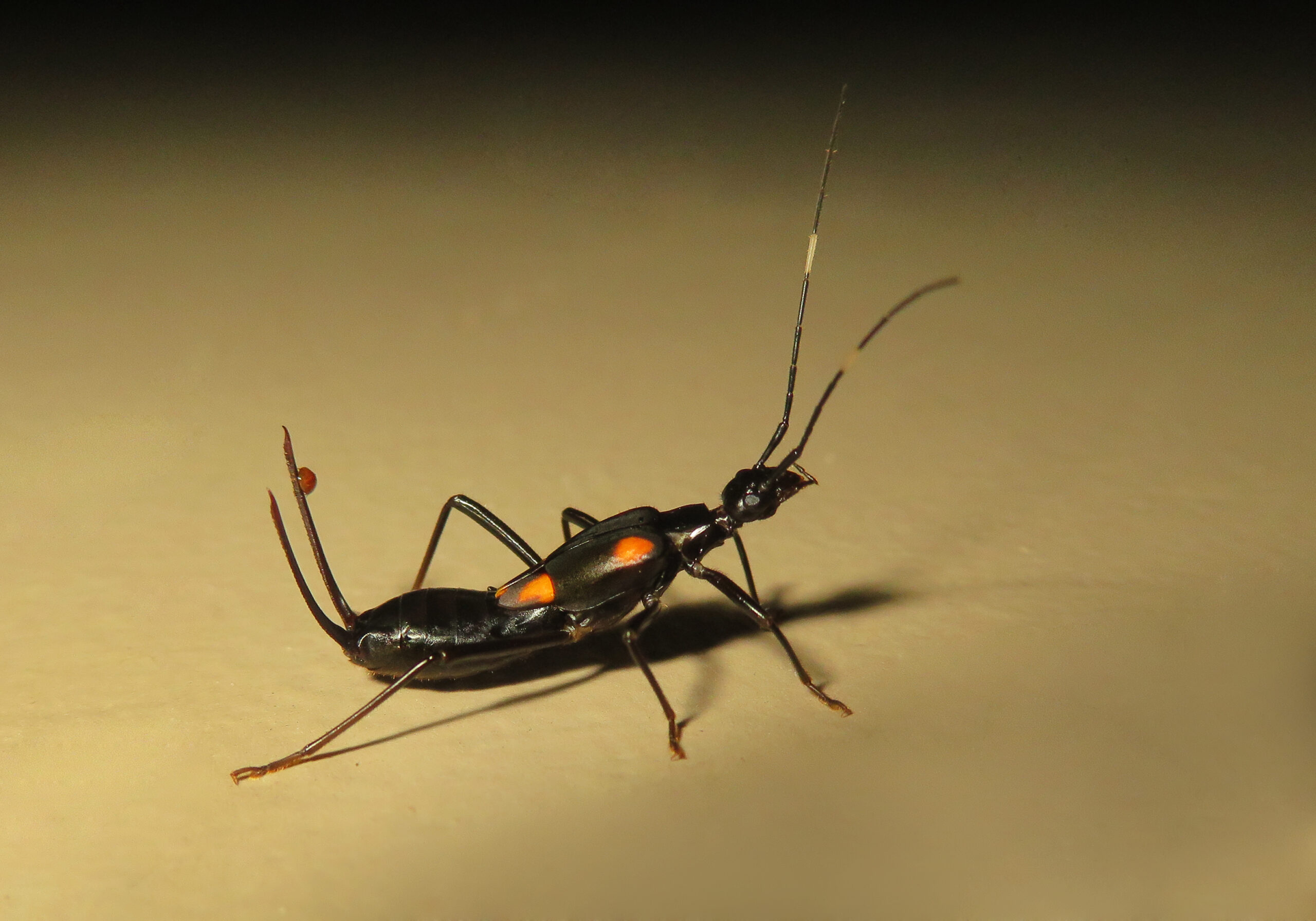
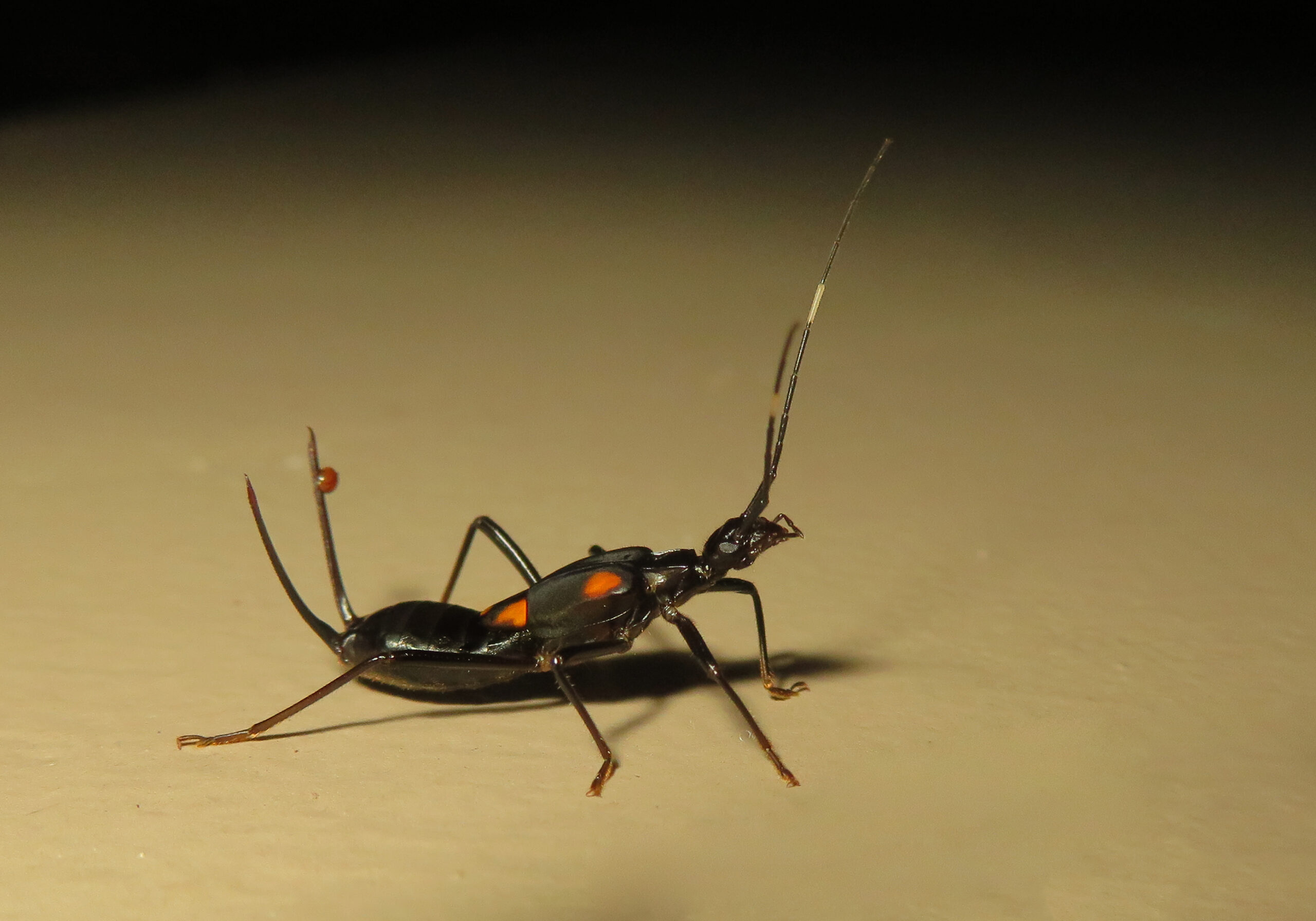
Earwigs of the infraorder Epidermaptera are generally small to medium-sized insects with an elongated, flattened body and a characteristic pair of forceps-like cerci at the end of the abdomen. These cerci vary in shape and size among species and are used for defense, prey handling, mating interactions, and territorial behavior.
The head bears chewing mouthparts and long, segmented antennae. Many species have short leathery forewings and folded membranous hind wings, although wing reduction or complete wing loss is common in several lineages. Their body coloration is usually brown, reddish-brown, or black, providing camouflage in their natural habitats.
Development occurs through incomplete metamorphosis, consisting of egg, nymph, and adult stages. Females of many species exhibit maternal care, guarding eggs and young nymphs, cleaning the eggs to reduce fungal infection, and protecting offspring from predators.
Feeding habits are diverse. Most Epidermaptera are omnivorous, feeding on decaying plant matter, fungi, algae, fruits, seeds, and small invertebrates. Some species are important predators of aphids, mites, and other soft-bodied insects, while others function primarily as scavengers.
The infraorder includes numerous modern earwig families, such as Forficulidae, Chelisochidae, Spongiphoridae, and related groups, representing much of the diversity within Dermaptera.
Ecologically, Epidermaptera plays an important role in decomposition, nutrient cycling, and the regulation of small arthropod populations. They contribute to ecosystem balance both as predators and detritivores and form part of the diet of many birds, reptiles, amphibians, and mammals. Although occasionally considered minor pests, most species are beneficial and contribute positively to environmental health.