

Rhinoceros Beetles (Subfamily Dynastinae)
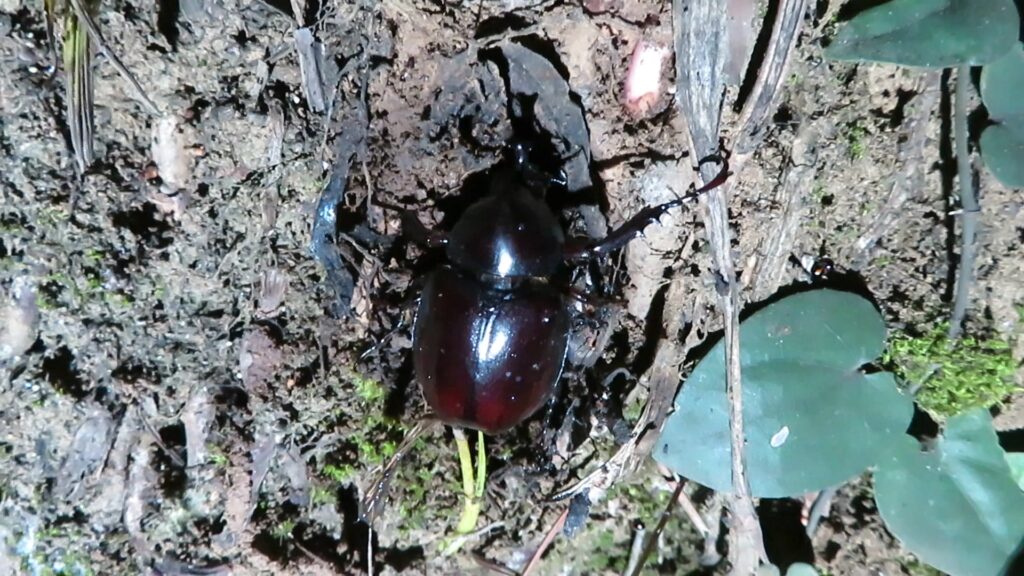
Dynastinae is a subfamily of beetles belonging to the family Scarabaeidae within the order Coleoptera. Its members are commonly known as rhinoceros beetles because many species possess prominent horns on the head or thorax. The subfamily includes some of the largest and most impressive beetles in the world, with species distributed across tropical and subtropical regions as well as temperate areas. Rhinoceros beetles are particularly diverse in forests, plantations, grasslands, and other habitats where decaying organic matter and suitable host plants are available.
Members of Dynastinae vary greatly in size, shape, and coloration. Many species have robust, oval-shaped bodies covered by a hard exoskeleton, with colors ranging from black and dark brown to reddish brown, chestnut, and metallic green. Their most distinctive feature is the presence of horns in many males, which may project from the head, thorax, or both. These structures vary considerably among species and can be used in competition for mates and access to feeding or breeding sites. Females often have smaller horns or lack them entirely, although the degree of sexual dimorphism differs across the subfamily.
Rhinoceros beetles are found on every continent except Antarctica, with especially high diversity in tropical regions of the Americas, Africa, Asia, and the Pacific. Many species inhabit tropical rainforests, secondary forests, agricultural landscapes, and plantations. Some are closely associated with palm trees and other large plants, while others depend on decaying logs, compost, leaf litter, or nutrient-rich soil. Their distribution reflects the availability of suitable food resources and places for larval development.
The diet of Dynastinae varies according to the species and its life stage. Many larvae feed on decomposing wood, rotting leaves, compost, and other organic material in the soil, where they help break down dead plant matter and recycle nutrients. Other species develop in association with particular plants, including palms, and may feed on living plant tissues. Adults may consume fruit, sap, nectar, or plant material, while some species feed little or not at all during adulthood. These varied feeding habits allow different rhinoceros beetles to occupy distinct ecological roles.
The life cycle of rhinoceros beetles includes four stages: egg, larva, pupa, and adult. Females typically lay their eggs in soil, compost, decaying wood, or other suitable substrates. The larvae, often called white grubs, have soft, curved bodies, a pale coloration, and a brown head capsule. They may remain in the larval stage for months or even years, depending on the species and environmental conditions. Once fully developed, a larva forms a pupal chamber, where it undergoes metamorphosis before emerging as an adult beetle.
Male rhinoceros beetles are well known for their impressive strength relative to their body size. In many horned species, males use their horns to lift, push, or dislodge rivals during competition over females or feeding sites. These contests can involve elaborate postures and attempts to gain leverage beneath an opponent. Horn size and shape often differ between species and may also vary among males of the same species according to body size and developmental conditions.
Important genera within Dynastinae include Dynastes, Oryctes, Xylotrupes, Megasoma, Strategus, and Chalcosoma. The Hercules beetles of the genus Dynastes are famous for their long horns and large body size, while Megasoma includes some of the heaviest beetles in the world. Species of Oryctes include economically significant pests of palms, and Chalcosoma contains large Asian rhinoceros beetles with prominent horns. These examples illustrate the remarkable diversity of form, behavior, and ecology within the subfamily.
Dynastinae plays an important role in ecosystem functioning. Larvae that consume decaying organic matter contribute to decomposition, soil formation, and nutrient cycling. Adult beetles may serve as prey for birds, mammals, reptiles, and other predators. However, certain species can cause agricultural damage when their larvae or adults feed on living plant tissues, particularly in palm plantations. Their ecological impact therefore varies considerably depending on the species and habitat.
Although many rhinoceros beetles remain widespread, some populations face pressure from deforestation, habitat degradation, pesticide use, and collection for the insect trade. Species that depend on particular host plants or specialized forest habitats may be especially vulnerable to environmental change. Protecting natural forests, retaining decaying wood where appropriate, and using sustainable pest-management practices can help conserve beneficial species while limiting damage from agricultural pests.
Overall, Dynastinae is a diverse and ecologically significant subfamily of scarab beetles distinguished by its robust body form, powerful legs, and, in many species, spectacular horns. Its members occupy a wide range of habitats and display varied feeding strategies, developmental patterns, and reproductive behaviors. From forest-dwelling decomposers to palm-associated pests, rhinoceros beetles demonstrate the diversity and ecological importance of beetles within terrestrial ecosystems.