

Subfamily Polycestinae
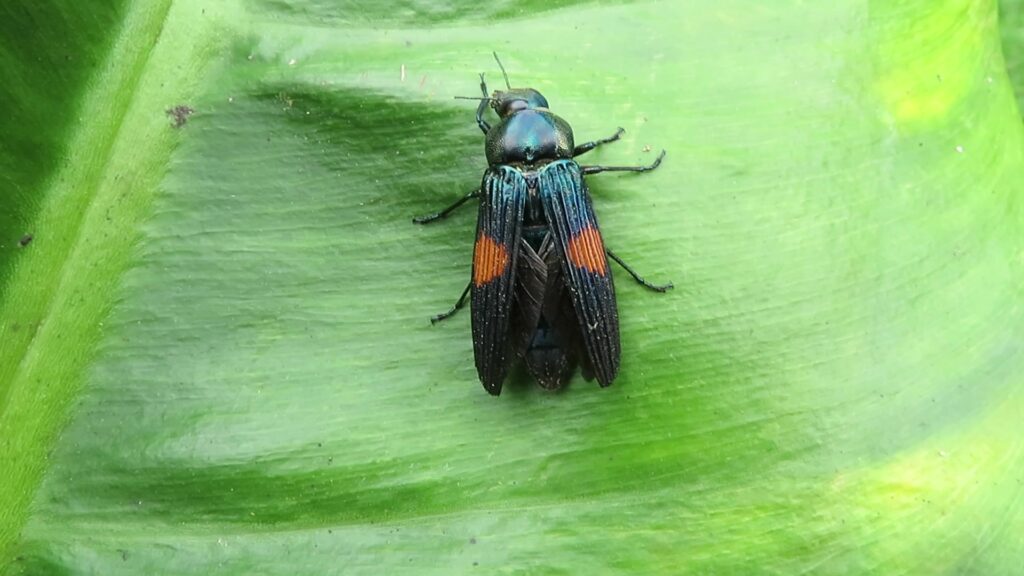
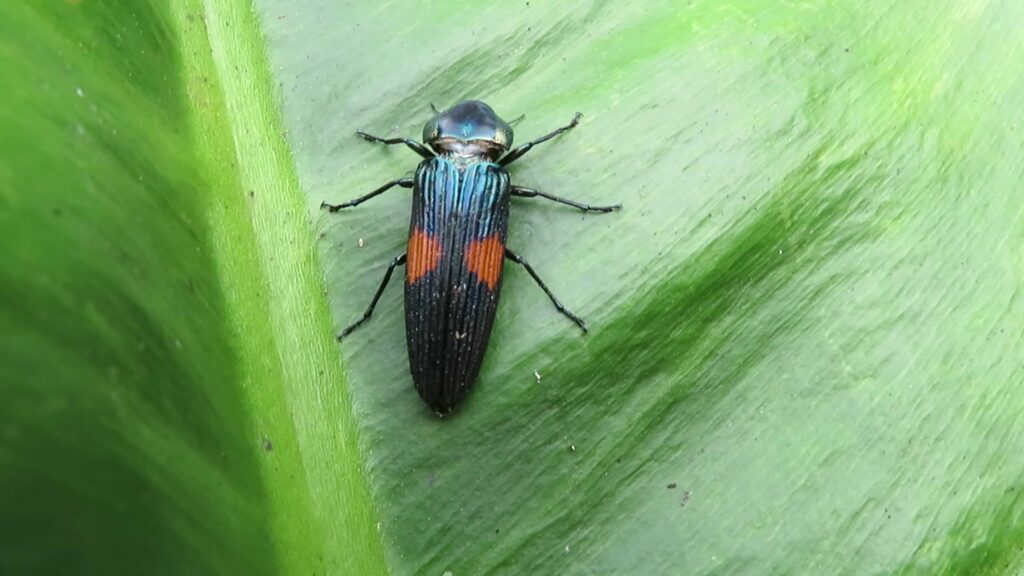
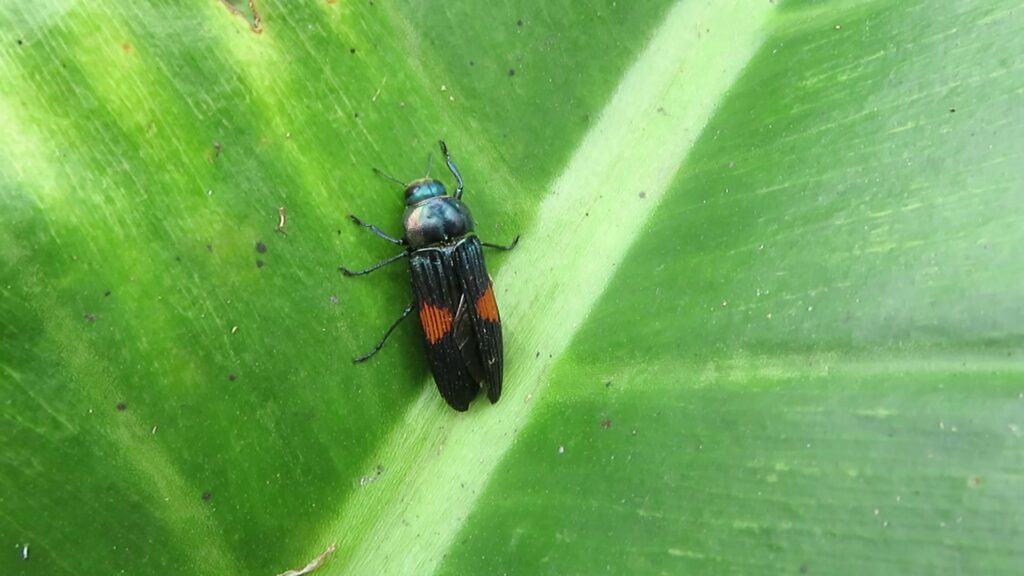
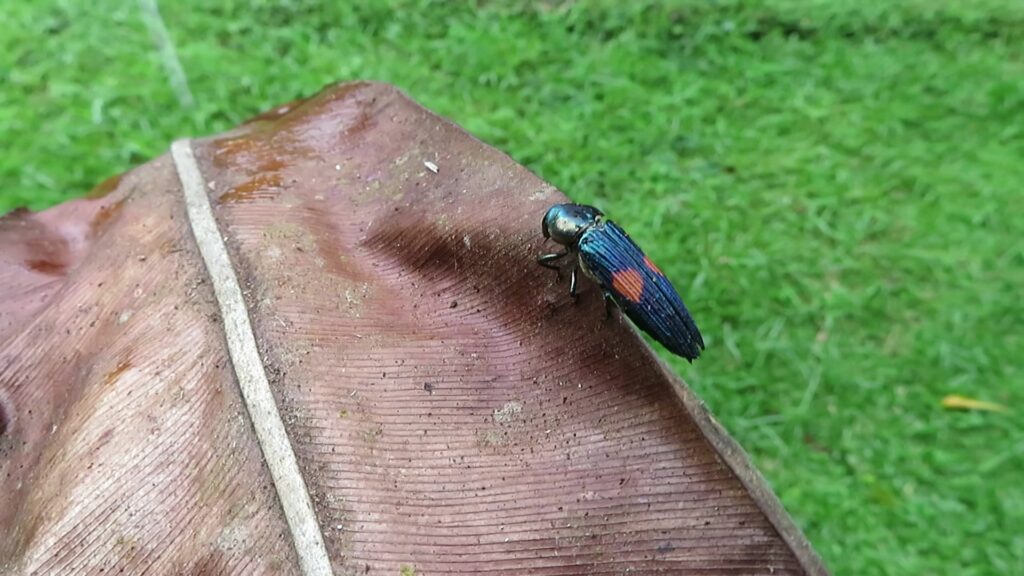
The subfamily Polycestinae is a group of beetles within the family Buprestidae, commonly known as jewel beetles or metallic wood-boring beetles. Like other members of Buprestidae, polycestines are characterized by hardened bodies, specialized plant-feeding larvae, and a close association with woody or herbaceous host plants. The subfamily includes a diverse collection of beetles whose species occur in several regions of the world, particularly in warm and dry environments. Depending on the genus, they may inhabit forests, scrublands, grasslands, deserts, and other landscapes where suitable host plants are available.
Polycestines generally have compact, strongly hardened bodies typical of jewel beetles, although their shape varies considerably among genera. Some species are elongated and relatively narrow, while others are broad, oval, and strongly convex. Their coloration ranges from dull brown and black to bronze, green, blue, or other metallic shades. Many possess sculptured elytra with ridges, punctures, grooves, or irregular surface textures. These features contribute to their identification and may help them blend into bark, dry vegetation, or sunlit plant surfaces. As in other buprestids, structural coloration can produce a metallic appearance through the reflection of light from microscopic surface structures.
The head is generally partly concealed beneath the pronotum, and the antennae are relatively short compared with those of many other beetle groups. The legs are adapted for gripping vegetation and moving over bark, stems, leaves, and soil surfaces. Adults are often difficult to distinguish from related jewel beetles without examining detailed anatomical characteristics, including the form of the pronotum, elytral sculpture, and structures of the legs and underside. Consequently, reliable identification commonly requires specialist taxonomic knowledge rather than coloration alone. The limits and internal classification of Polycestinae may also differ among taxonomic authorities as relationships within Buprestidae continue to be investigated.
The geographical distribution of Polycestinae is broad but uneven, with many species associated with tropical, subtropical, and arid regions. Members of the subfamily occur in parts of Africa, Asia, Europe, and other regions, although distribution varies among its constituent lineages. Some species are adapted to dry environments where host plants experience seasonal drought, while others inhabit more densely vegetated landscapes. Their occurrence is strongly influenced by the distribution of suitable host plants, local temperature and moisture conditions, and the availability of appropriate sites for larval development.
Polycestine beetles are closely associated with plants throughout their life cycle. Adult feeding habits differ among species and may include consumption of leaves, shoots, flowers, or other plant tissues. Many species are found resting on their host plants or moving across stems and foliage during warm periods. Their hardened exoskeleton provides physical protection, while their often subdued coloration can make them inconspicuous against bark or dry vegetation. Some species are more active in direct sunlight, whereas others may remain concealed during the hottest parts of the day. Their behavior and activity patterns reflect adaptations to the climates and vegetation types in which they live.
The larvae of Polycestinae, like those of other buprestid beetles, develop in plant tissues, although the precise feeding sites vary among genera and species. Depending on the lineage, larvae may feed in woody stems, roots, branches, or other portions of their host plants. Buprestid larvae typically have elongated, pale bodies with an enlarged, flattened region behind the head, an adaptation associated with their concealed feeding lifestyle. They use their strong mouthparts to consume plant tissue and create galleries within the host. Larval development may extend over a substantial period, particularly when the food source is woody and relatively difficult to digest.
Reproduction follows the general pattern of beetles. After mating, females deposit eggs on or near suitable host plants, often selecting sites that provide access to appropriate tissues for the developing larvae. Following hatching, the larvae enter the plant and feed while passing through successive growth stages. Mature larvae eventually pupate in a protected location within or near the host tissue, and adults emerge when environmental conditions permit. The timing and duration of development vary with species, host quality, temperature, and moisture. Some species may be closely synchronized with seasonal growth or dormancy in their host plants.
Polycestinae contributes to plant-based food webs and the ecological processes associated with insect herbivory and plant tissue decomposition. Larvae feeding within stems, roots, or woody material can influence plant growth and, in some cases, contribute to the breakdown of damaged or declining tissues. Adults and larvae also provide food for birds, reptiles, spiders, predatory insects, and parasitoids. These natural enemies can affect beetle survival and help regulate local populations. The ecological significance of individual species depends on their host preferences, abundance, and the habitats in which they occur.
Some polycestine species may affect cultivated plants, forestry resources, or ornamental vegetation, particularly where larvae develop in economically valuable host plants. However, the degree of agricultural or forestry importance differs among species, and it would be inaccurate to regard the entire subfamily as a group of pests. Many species are simply components of natural ecosystems, where their populations remain limited by host availability and natural enemies. Effective management of any species that causes damage requires accurate identification and knowledge of its life cycle and host relationships.
Habitat loss and environmental change can affect polycestine diversity, particularly among species that depend on specialized host plants or restricted habitats. Land conversion, removal of native vegetation, and intensive land management may reduce suitable sites for feeding and reproduction. Conversely, the movement of infested plant material can potentially introduce wood-boring beetles into new areas. Maintaining diverse native vegetation, preserving natural habitats, and monitoring unusual beetle occurrences can support biodiversity and help identify species that may require conservation attention or pest management.
Overall, Polycestinae represents an important component of the diversity of jewel beetles within Buprestidae. Its members display varied body forms, plant associations, and developmental strategies, reflecting the evolutionary specialization of beetles that rely on plant tissues for food and reproduction. Although some species may influence cultivated vegetation, the subfamily as a whole contributes to the complexity of terrestrial ecosystems through its interactions with plants, predators, and parasitoids. Further taxonomic and ecological research continues to improve understanding of its diversity, evolutionary relationships, and role in natural and managed environments.