

Crabs, Lobsters, Shrimps, and Allies (Suborder Pleocyemata)
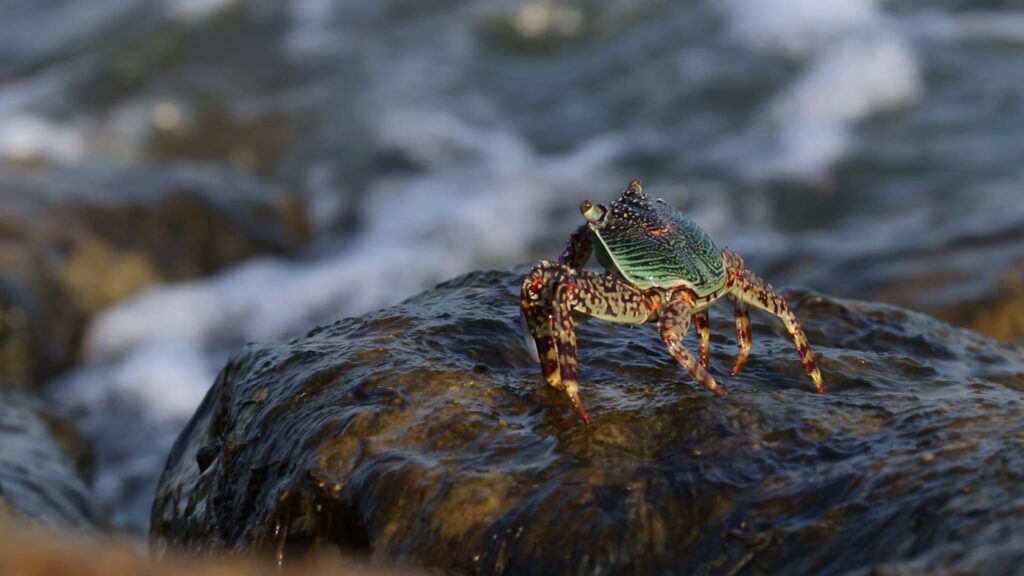
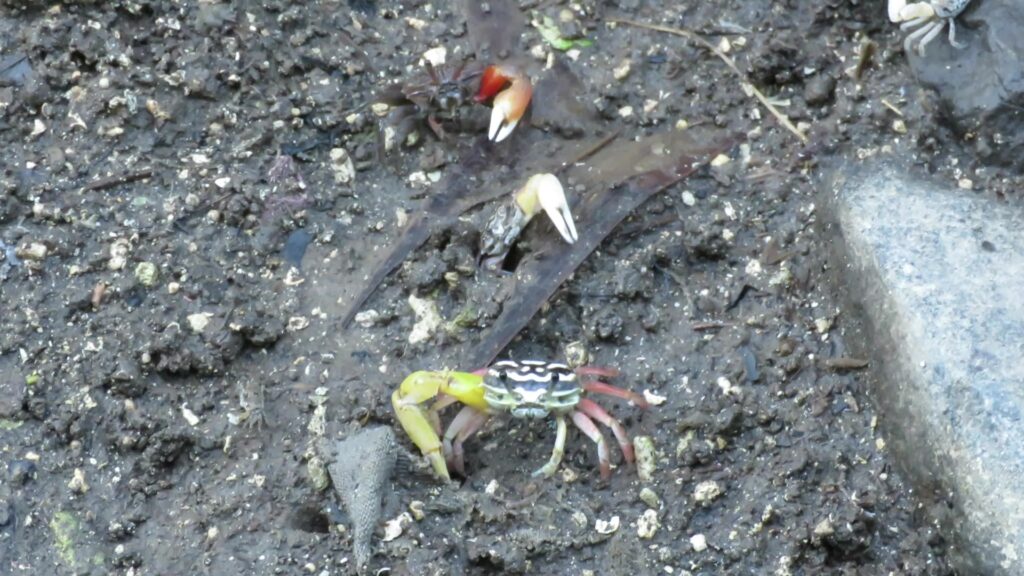
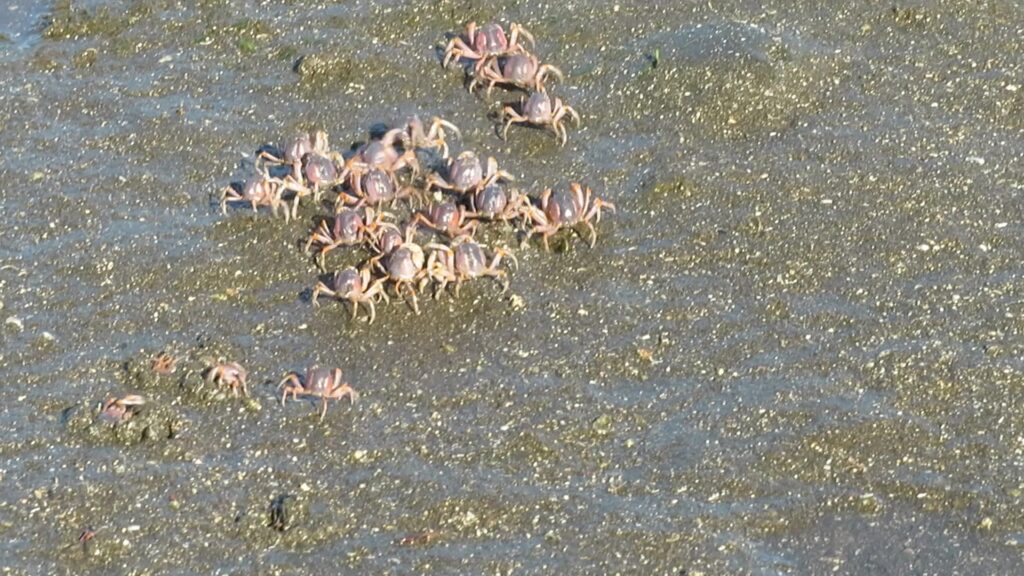
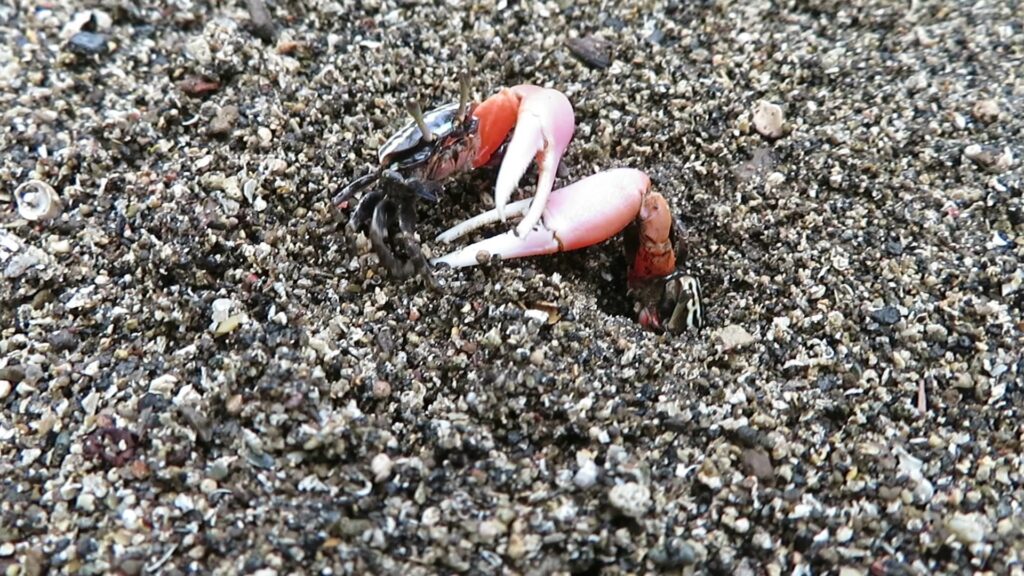
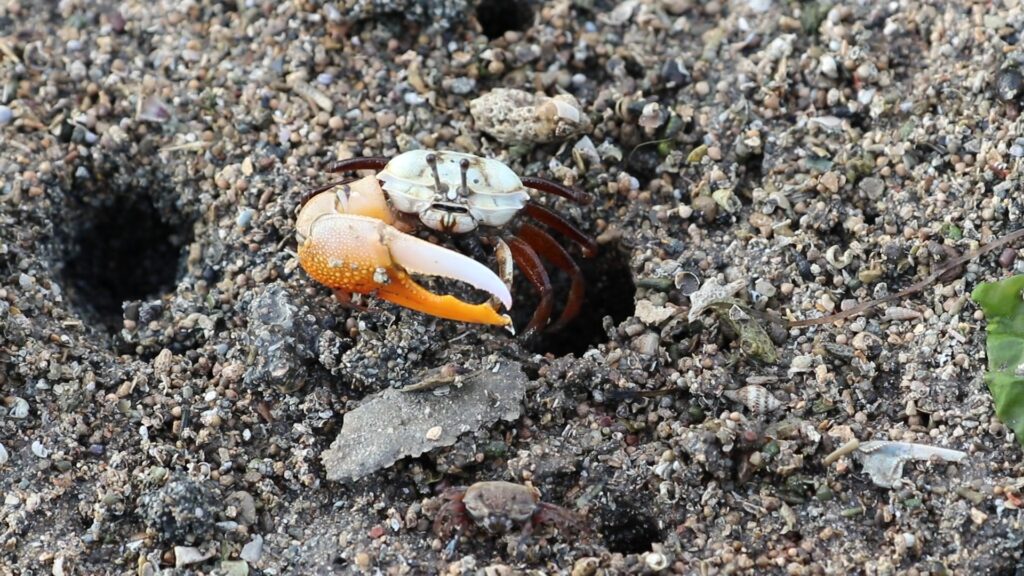
The suborder Pleocyemata is a major group of crustaceans within the order Decapoda, class Malacostraca, and subphylum Crustacea. It includes many familiar decapods, such as crabs, lobsters, crayfish, hermit crabs, squat lobsters, and numerous shrimp-like species. Pleocyematans occur in marine, freshwater, and some terrestrial habitats, where they occupy diverse ecological roles as predators, scavengers, herbivores, and omnivores. The group is especially notable for its reproductive biology, as females generally carry their eggs attached to specialized abdominal appendages until the eggs hatch.
One of the principal characteristics of Pleocyemata is the way eggs are retained and protected during development. Rather than releasing fertilized eggs freely into the water, females typically attach them to the pleopods, or swimmerets, beneath the abdomen. The eggs are carried until hatching, and the female may periodically move her abdominal appendages to improve water circulation and oxygen supply around them. This behavior provides protection and helps maintain suitable conditions for embryonic development. The name Pleocyemata reflects this distinctive reproductive characteristic.
Pleocyematans generally possess a segmented body divided into a cephalothorax and an abdomen. The head and thorax are fused and covered by a carapace, which protects internal organs and encloses the gill chambers. The abdomen varies considerably in size and shape among the different groups. In shrimp, crayfish, and lobsters, it is usually well developed and muscular, helping with swimming and rapid escape movements. In true crabs, the abdomen is reduced and folded beneath the cephalothorax, giving the body its characteristic broad, compact appearance.
Like other decapods, pleocyematans typically possess five pairs of thoracic appendages associated with locomotion. The first three pairs are generally modified as maxillipeds that assist in feeding, while the remaining five pairs are walking legs, or pereopods. The first pair often bears claws called chelae, although claw size and function vary among groups. These structures may be used to capture prey, crush hard food, manipulate objects, defend against predators, or compete with other individuals. Their antennae, compound eyes, and specialized mouthparts help them sense their surroundings and process food.
Pleocyemata includes several diverse infraorders, notably Astacidea, Achelata, Anomura, Brachyura, Caridea, and Stenopodidea, along with other lineages recognized in modern classifications. Astacideans include clawed lobsters and crayfish; achelatans include spiny and slipper lobsters; anomurans include hermit crabs and squat lobsters; brachyurans comprise true crabs; and carideans include many familiar shrimp. These groups differ in body structure, habitat, behavior, and evolutionary history, demonstrating the extensive diversification that has occurred within the suborder.
Pleocyematans inhabit an exceptionally broad range of environments. Marine species occur in coral reefs, rocky shores, estuaries, sandy and muddy seabeds, and deep ocean habitats. Freshwater representatives, including crayfish and some shrimp, live in rivers, lakes, streams, and wetlands. Some crabs and hermit crabs have adapted to terrestrial environments, especially coastal forests, mangroves, and humid tropical habitats. Even among species occupying similar environments, differences in burrowing, climbing, swimming, and sheltering behavior allow them to exploit distinct ecological niches.
Feeding habits within Pleocyemata are highly varied. Many species are omnivores that consume algae, plant material, detritus, small invertebrates, and carrion. Others are specialized predators that feed on mollusks, worms, fish, or other crustaceans. Crabs and lobsters often use their claws to grasp or crush prey, while shrimp may collect small food particles from sediments or filter material from the water. Hermit crabs frequently scavenge and consume a variety of organic matter. Through these feeding activities, pleocyematans influence prey populations and contribute to the recycling of nutrients in aquatic ecosystems.
Respiration generally occurs through gills located beneath the carapace. Water circulates through the branchial chambers, enabling oxygen uptake and carbon dioxide removal. Most pleocyematans possess an open circulatory system, with a heart pumping hemolymph through body spaces. Their nervous systems coordinate movement and sensory responses, while their compound eyes and antennae help detect predators, food, mates, and environmental changes. Terrestrial species possess adaptations that help them exchange gases in air, although many remain dependent on humid conditions to prevent dehydration.
Reproduction and development vary among the different lineages. After mating and fertilization, females usually carry their eggs on the pleopods beneath the abdomen. The eggs remain attached during embryonic development and are generally released as larvae or hatchlings when development is complete. Many marine species produce planktonic larvae that pass through several stages before settling into suitable habitats. In contrast, some freshwater and terrestrial species have abbreviated larval development, with young emerging in a more advanced form. These differences reflect adaptations to local environments and the availability of aquatic nursery habitats.
Pleocyematans are ecologically important as predators, prey, scavengers, and consumers of organic material. They help regulate populations of mollusks and other invertebrates, process dead organisms, and transfer energy through food webs. Burrowing species can influence sediment structure and nutrient exchange, while reef-dwelling species contribute to the complexity of coral reef communities. Many are also prey for fish, birds, marine mammals, reptiles, and other predators.
The suborder has considerable economic importance because it includes many commercially valuable crustaceans. Shrimp, prawns, crabs, lobsters, and crayfish support fisheries and aquaculture industries worldwide. However, some species face threats from overfishing, habitat loss, pollution, destructive fishing practices, invasive species, and climate change. The degradation of mangroves, estuaries, wetlands, and coral reefs can reduce breeding sites and nursery habitats. Sustainable fisheries management and habitat protection are therefore essential for conserving pleocyematan diversity.
In summary, Pleocyemata is a diverse suborder of decapod crustaceans distinguished especially by the retention of eggs on the female’s abdominal appendages during development. Its members display a wide range of body forms, feeding strategies, reproductive patterns, and habitat adaptations. From shrimp and crayfish to lobsters and true crabs, pleocyematans play important roles in aquatic ecosystems and human food systems, making them a significant group in crustacean biology and conservation.