

Decapods (Order Decapoda)
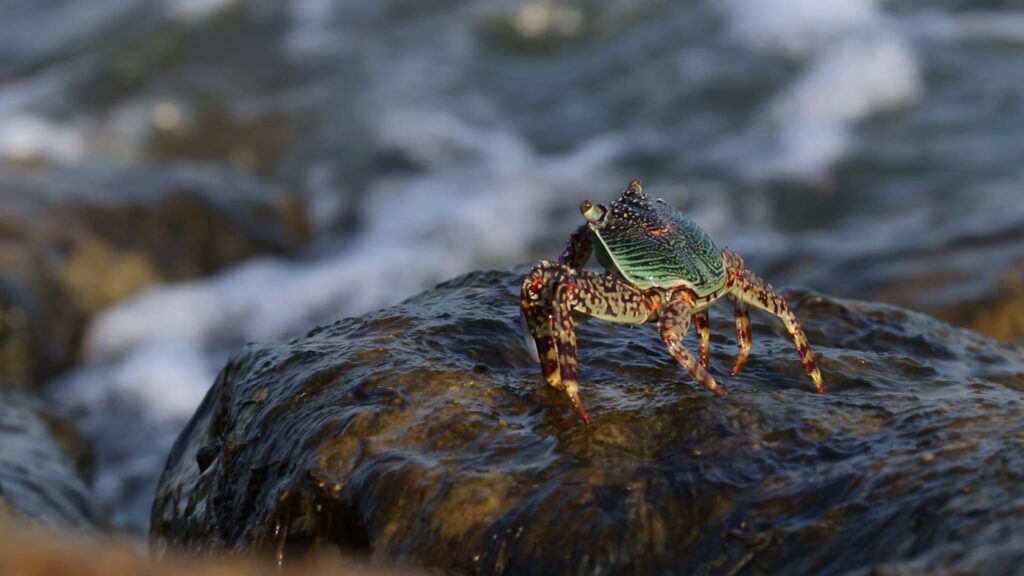
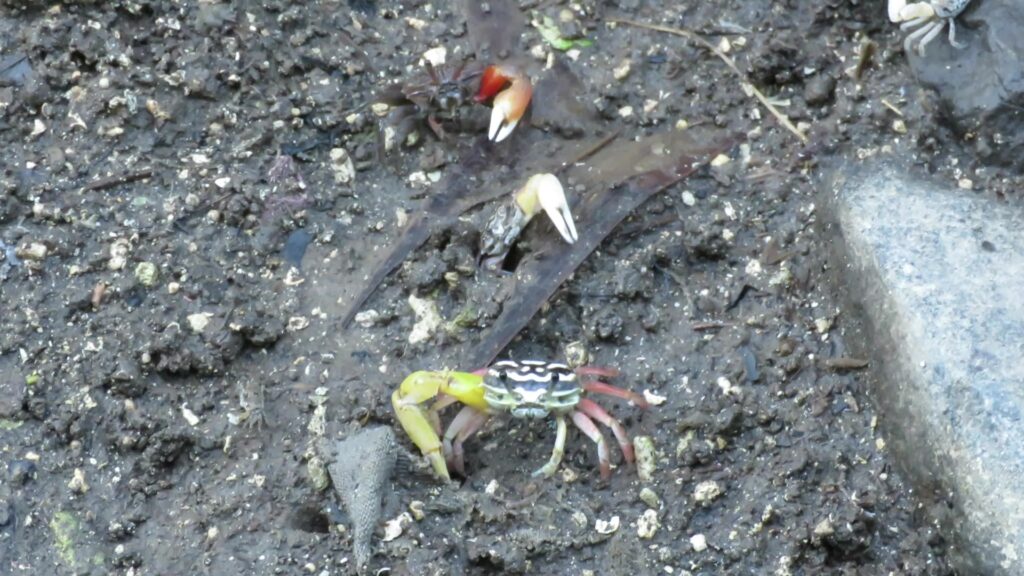
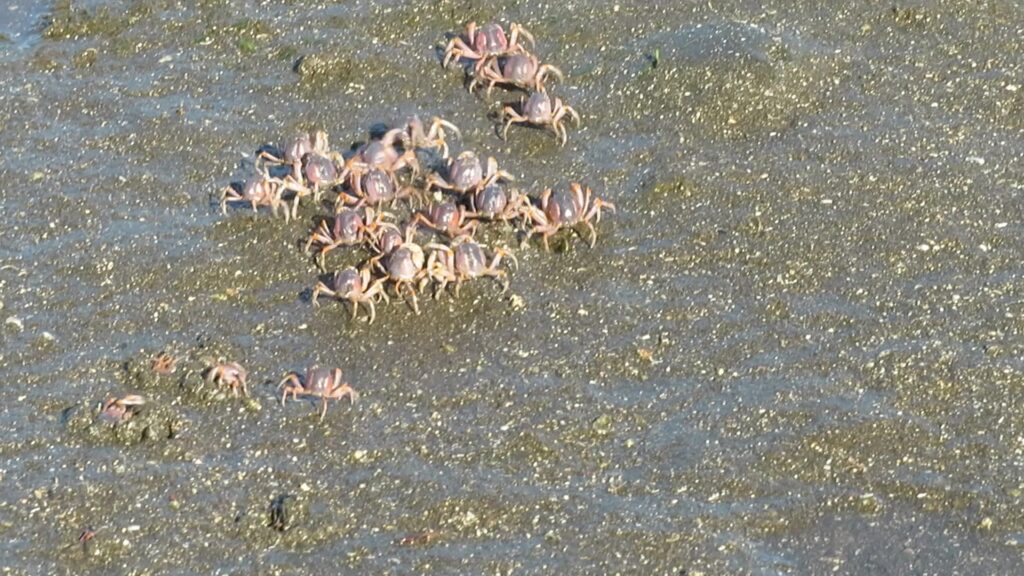
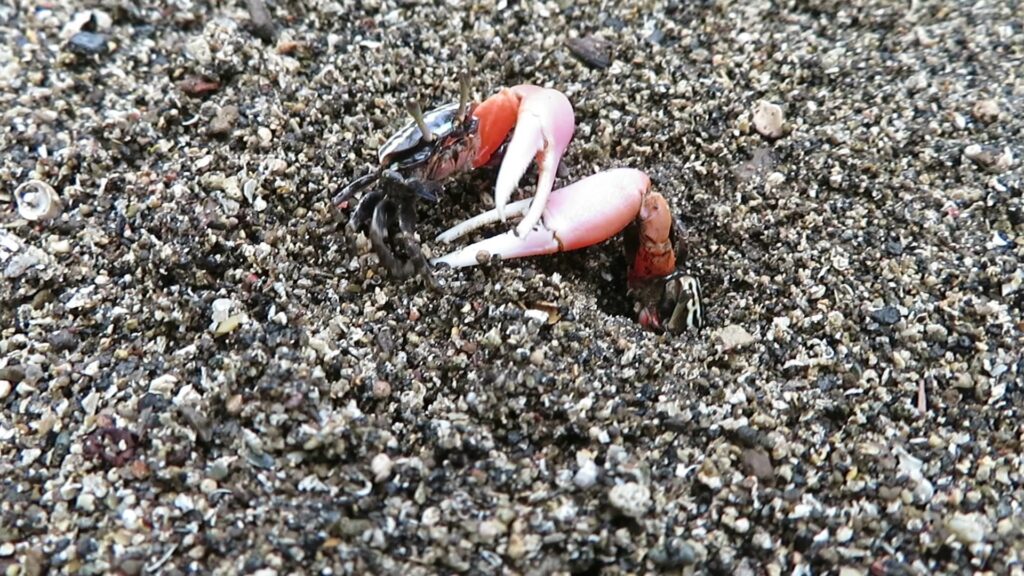
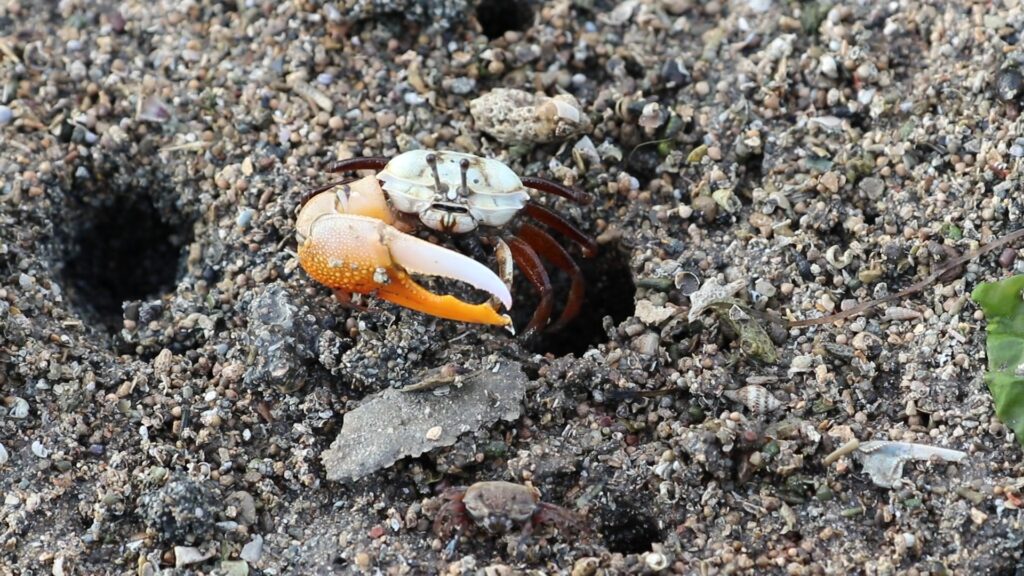
The order Decapoda is a large and diverse group of crustaceans within the class Malacostraca and superorder Eucarida. Its members include crabs, lobsters, crayfish, shrimp, and prawns, making it one of the most familiar and economically important groups of aquatic invertebrates. Decapods inhabit marine, freshwater, and, in some lineages, terrestrial environments. They display a remarkable variety of body forms, behaviors, and ecological adaptations, ranging from tiny shrimp living among coral reefs to large lobsters inhabiting deep ocean waters.
The name Decapoda comes from Greek roots meaning “ten feet,” referring to the five pairs of thoracic appendages typically used for walking or related functions. The first three pairs are usually modified as maxillipeds, which assist in handling food, while the remaining five pairs are the principal walking legs, or pereopods. In many species, the first pair of walking legs bears enlarged claws called chelae, used for capturing prey, defense, feeding, and competition. This characteristic arrangement distinguishes decapods from many other crustaceans, although the appendages vary considerably across the order.
The body of a typical decapod is divided into a cephalothorax and an abdomen. The head and thorax are fused and covered by a protective carapace, beneath which the gills are generally located. The abdomen is well developed in shrimp, prawns, and lobsters, where it assists with swimming and rapid escape movements. In true crabs, the abdomen is shorter and folded beneath the cephalothorax, producing a compact body shape. The exoskeleton consists mainly of chitin and proteins and is often strengthened with calcium carbonate, providing structural support and protection.
Decapods possess two pairs of antennae, compound eyes, and specialized mouthparts that help them sense their surroundings and process food. Many species have stalked eyes that can move independently, allowing them to monitor nearby activity. Their antennae detect chemical cues, touch, and water movement, helping them find food, identify mates, and avoid predators. Some species rely heavily on vision, while others use chemical sensing and touch to navigate murky water, burrows, or nocturnal habitats.
The order occupies an extensive range of habitats. Marine decapods are found in coral reefs, rocky shores, estuaries, sandy seabeds, mangrove forests, and the deep sea. Freshwater species, including many crayfish and river prawns, inhabit streams, lakes, rivers, and wetlands. Some crabs have adapted to life on land but generally remain dependent on moist environments or access to water for respiration and reproduction. Hermit crabs commonly occupy empty gastropod shells for protection, while burrowing species construct shelters in sand or mud to escape predators and environmental extremes.
Feeding habits among decapods are highly varied. Many are omnivores that consume algae, plants, detritus, small invertebrates, and carrion. Others are active predators that capture mollusks, worms, fish, and other crustaceans. Filter-feeding species use specialized appendages to collect suspended particles, while some shrimp and prawns graze on microorganisms and organic debris. Their claws and mouthparts are often adapted to particular diets: powerful claws can crush hard-shelled prey, while more delicate appendages manipulate small food particles. These feeding strategies allow decapods to occupy important positions in aquatic food webs.
Respiration typically occurs through gills located within branchial chambers beneath the carapace. Water passes over the gills, allowing oxygen to enter the circulatory system and carbon dioxide to leave. Most decapods have an open circulatory system, in which a heart pumps hemolymph through body spaces. Their nervous system includes a brain and a ventral nerve cord, while sensory organs coordinate movement and responses to environmental stimuli. Species living outside water have additional adaptations that help maintain gas exchange and reduce water loss, although terrestrial forms differ in their dependence on moisture.
Reproduction in Decapoda usually involves separate male and female individuals, with mating behavior varying widely among species. Courtship may involve chemical signals, visual displays, territorial behavior, or physical contact. In many species, females carry fertilized eggs attached to their abdominal appendages until hatching. Development often includes several larval stages, commonly including a zoea stage and, in many groups, a megalopa stage before the juvenile form is reached. Some freshwater and terrestrial species have abbreviated development, with young emerging in a more advanced condition. Larval dispersal through water currents helps many marine decapods spread between habitats.
Decapods play major ecological roles as predators, prey, scavengers, grazers, and consumers of organic matter. Crabs can influence the abundance of mollusks and other benthic organisms, while shrimp and prawns help transfer energy through aquatic food webs. Burrowing species alter sediment structure and can increase the movement of oxygen and nutrients within seabeds. Scavenging decapods also help remove dead animals and recycle nutrients. At the same time, they provide food for fish, seabirds, marine mammals, reptiles, and humans.
Economically, Decapoda is one of the most important groups of crustaceans. Shrimp, prawns, crabs, lobsters, and crayfish support major fisheries and aquaculture industries worldwide. These animals provide protein and income for coastal and inland communities, and they are widely traded as seafood. However, many species face threats from overfishing, habitat destruction, pollution, invasive species, and climate change. Bottom-trawling can damage seafloor habitats, while the loss of mangroves, wetlands, and coral reefs can reduce nursery and feeding areas. Sustainable harvesting and habitat conservation are essential for maintaining healthy populations.
In summary, Decapoda is a highly diverse order of crustaceans characterized by five pairs of thoracic walking legs, a protective carapace, and specialized appendages suited to many different lifestyles. Its members inhabit marine, freshwater, and some terrestrial environments, where they contribute to food webs, nutrient cycling, and ecosystem structure. Their ecological importance and value to fisheries and aquaculture make decapods a major focus of biological research, conservation, and sustainable resource management.