

Decapods and Krill (Superorder Eucarida)
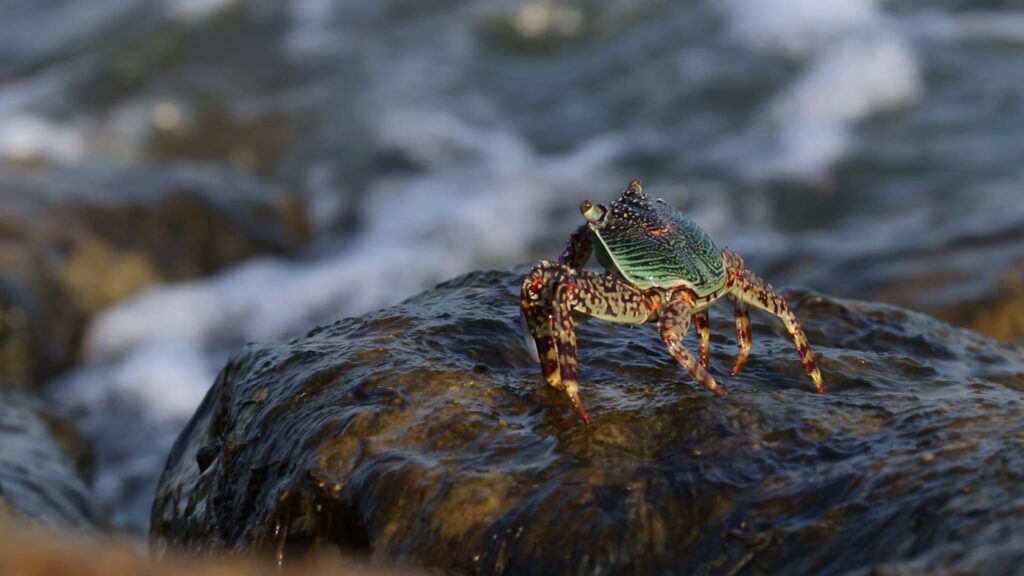
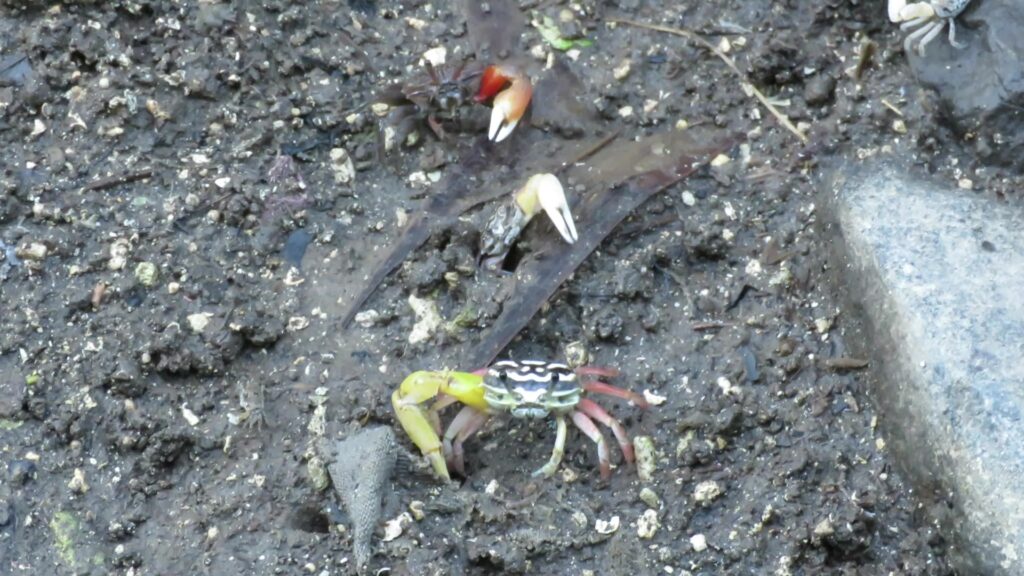
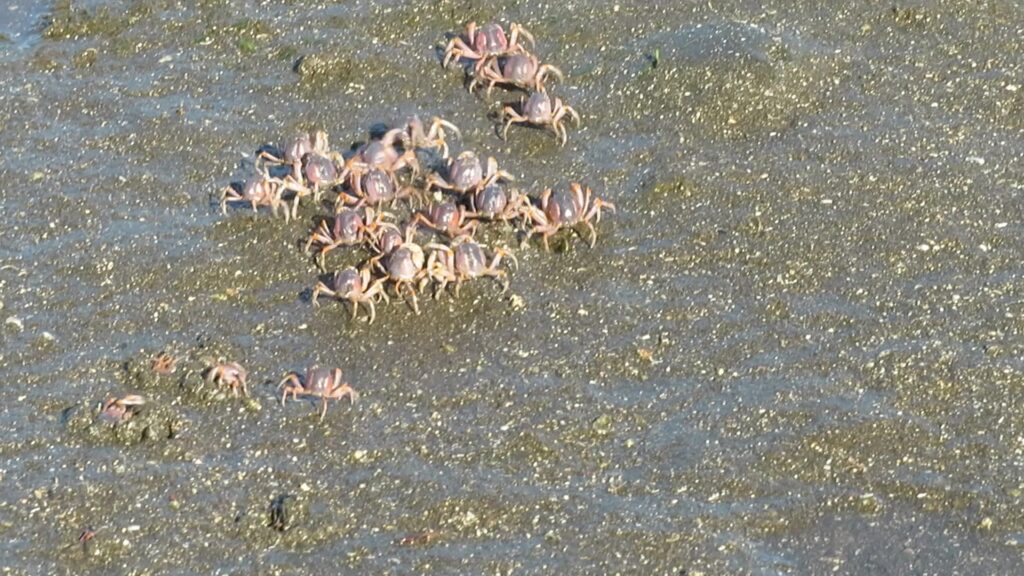
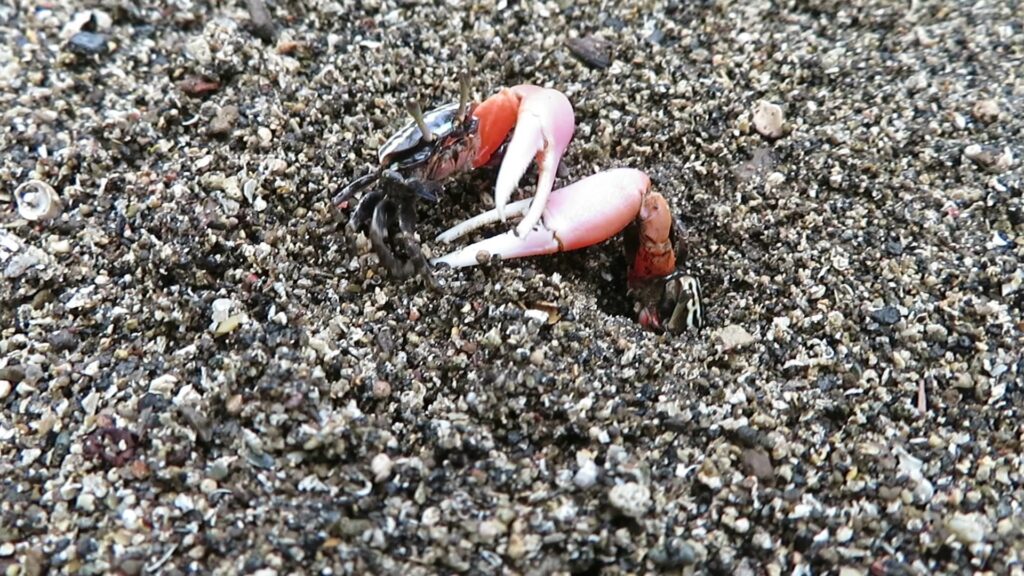
The superorder Eucarida is a major taxonomic group of crustaceans within the subclass Eumalacostraca, class Malacostraca, and subphylum Crustacea. It includes some of the most familiar and ecologically significant marine crustaceans, particularly shrimp, prawns, crabs, lobsters, and krill. Eucaridans are found primarily in marine environments, although some species inhabit freshwater systems or tolerate a wide range of salinities. They exhibit considerable diversity in body size, morphology, feeding behavior, and habitat use, making them important components of aquatic ecosystems worldwide.
One of the principal anatomical characteristics of eucaridans is the fusion of the head and thorax into a cephalothorax, which is generally covered by a well-developed carapace. This protective structure shields the gills and many internal organs while providing attachment surfaces for muscles. The carapace is commonly hardened with calcium carbonate and may vary in shape, thickness, and surface ornamentation among different groups. In crabs, the carapace is often broad and flattened, whereas in shrimp and lobsters it is typically more elongated.
The body is segmented and generally divided into a cephalothorax and an abdomen. The abdomen is especially prominent in shrimp, prawns, and lobsters, where it contributes substantially to swimming and rapid escape movements. In most crabs, the abdomen is reduced and folded beneath the cephalothorax. The terminal abdominal region, together with the telson, may form a tail fan that enables rapid backward propulsion in many shrimp-like species. This structural diversity reflects adaptations to different locomotor strategies and ecological niches.
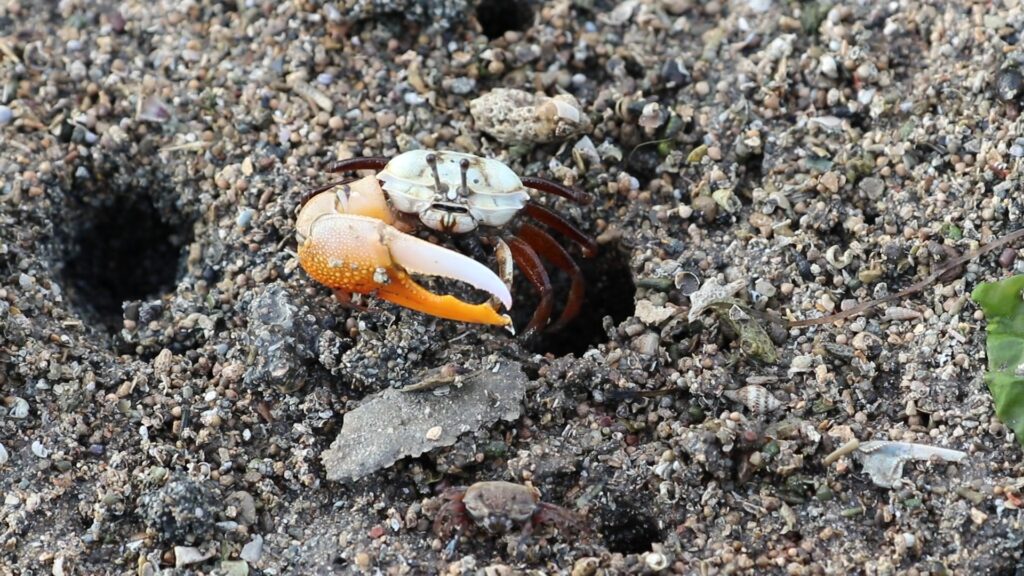
Eucaridans possess paired, jointed appendages that perform specialized functions in movement, feeding, sensing, defense, and reproduction. The head bears two pairs of antennae, mandibles, and maxillae, which are involved in sensory perception and food processing. Thoracic appendages may be modified into walking legs, claws, or feeding structures, while abdominal appendages often assist with swimming and reproduction. In decapods, the first pair of walking legs frequently bears claws called chelae, which may be used to capture prey, manipulate food, defend territories, or compete for mates.
The superorder Eucarida traditionally comprises three principal orders: Decapoda, Euphausiacea, and Amphionidacea. Decapoda includes crabs, lobsters, crayfish, shrimp, and prawns. Euphausiacea comprises krill, small swimming crustaceans that are particularly important in marine food webs. Amphionidacea is a much smaller and unusual group traditionally represented by the pelagic species Amphionides reynaudii. The precise higher-level classification and placement of some crustacean groups may vary among taxonomic authorities as molecular studies refine evolutionary relationships.
Eucaridans occupy a wide variety of habitats, from shallow coastal waters and estuaries to coral reefs, continental shelves, and the deep sea. Many decapods live on or near the seafloor, where they hide in crevices, burrow in sediment, or move across rocky and sandy substrates. Other species swim actively in the water column. Krill are primarily marine and often occur in large aggregations, particularly in productive ocean regions. Some eucaridans inhabit freshwater rivers, lakes, and streams, demonstrating that the group is not restricted entirely to the sea.
Feeding habits are diverse and include predation, scavenging, herbivory, detritivory, and filter feeding. Crabs and lobsters may prey on mollusks, worms, other crustaceans, and small fish, while also consuming carrion and plant material. Shrimp and prawns feed on a range of organic matter, including algae, microorganisms, detritus, and small invertebrates. Krill commonly consume phytoplankton and other planktonic organisms, transferring energy from microscopic producers to larger marine animals. These varied diets allow eucaridans to occupy several trophic levels within aquatic ecosystems.
Respiration typically occurs through gills located within or beneath the carapace. Water movement across the gills enables the exchange of oxygen and carbon dioxide. Many eucaridans have well-developed compound eyes, which may be stalked and capable of detecting movement, changes in light, and visual signals. Their antennae and other sensory structures also detect chemical cues, touch, and water movement. Together, these systems help them locate food, avoid predators, recognize potential mates, and navigate complex habitats.
Reproduction in Eucarida generally involves separate male and female individuals. Mating behavior varies among species and may include courtship displays, chemical signaling, competition, and physical interactions. Many female decapods carry fertilized eggs attached to their abdominal appendages until the eggs hatch. Development often includes free-swimming larval stages, such as the zoea and, in many decapods, megalopa stages. Krill also pass through several larval stages before reaching adulthood. Larval development allows many species to disperse through ocean currents and colonize new habitats.
Eucaridans are essential to the functioning of aquatic food webs. Krill are major prey for whales, seals, penguins, seabirds, and fish, particularly in polar and subpolar marine ecosystems. Shrimp, crabs, and lobsters serve as both predators and prey, helping regulate populations of other invertebrates and transferring energy to larger animals. Many species also consume dead organisms and organic debris, contributing to decomposition and nutrient cycling. Changes in eucaridan populations can therefore have substantial effects on the wider ecosystem.
The superorder is also economically important because many decapods are harvested commercially or cultivated in aquaculture. Shrimp, prawns, crabs, and lobsters are valuable seafood products that support global markets and coastal livelihoods. However, some populations face threats from overfishing, habitat degradation, pollution, bycatch, and climate change. Ocean warming and changes in water chemistry can affect growth, reproduction, habitat suitability, and food availability. Sustainable fisheries management and the protection of important habitats are crucial for maintaining their populations.
In summary, Eucarida is a diverse superorder of crustaceans distinguished by a fused cephalothorax, a protective carapace, and highly specialized jointed appendages. Its principal groups include decapods, krill, and the unusual amphionidaceans. Through their varied feeding strategies, ecological relationships, and importance to fisheries, eucaridans play a major role in aquatic biodiversity, ecosystem stability, and human food systems.