

Decapods, Isopods, and Allies (Subclass Eumalacostraca)
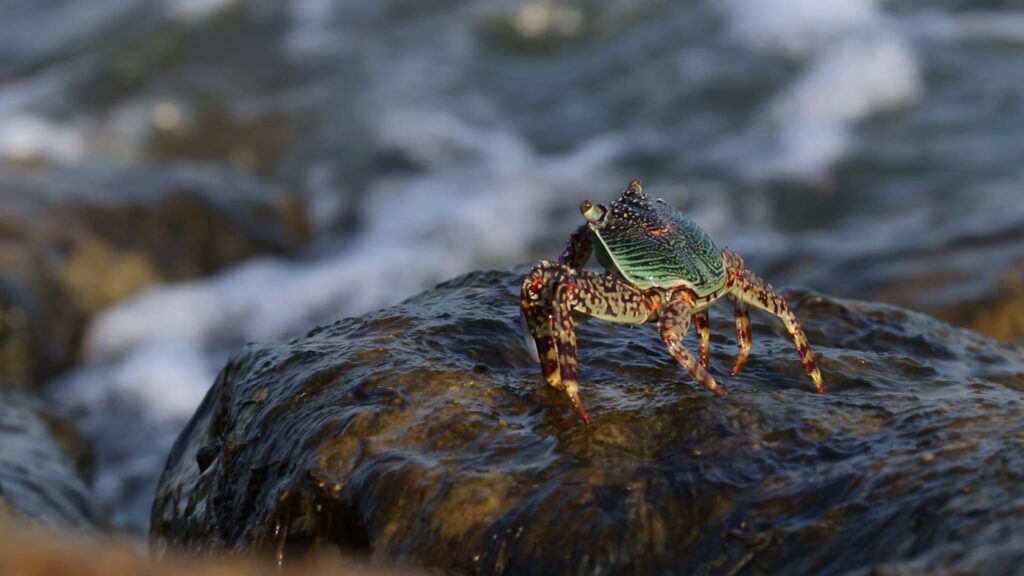
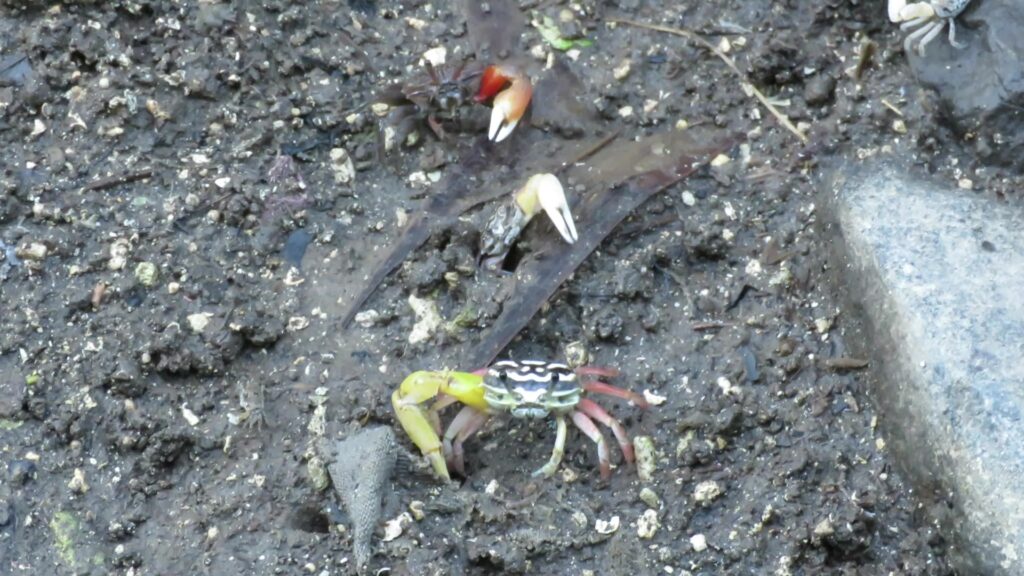
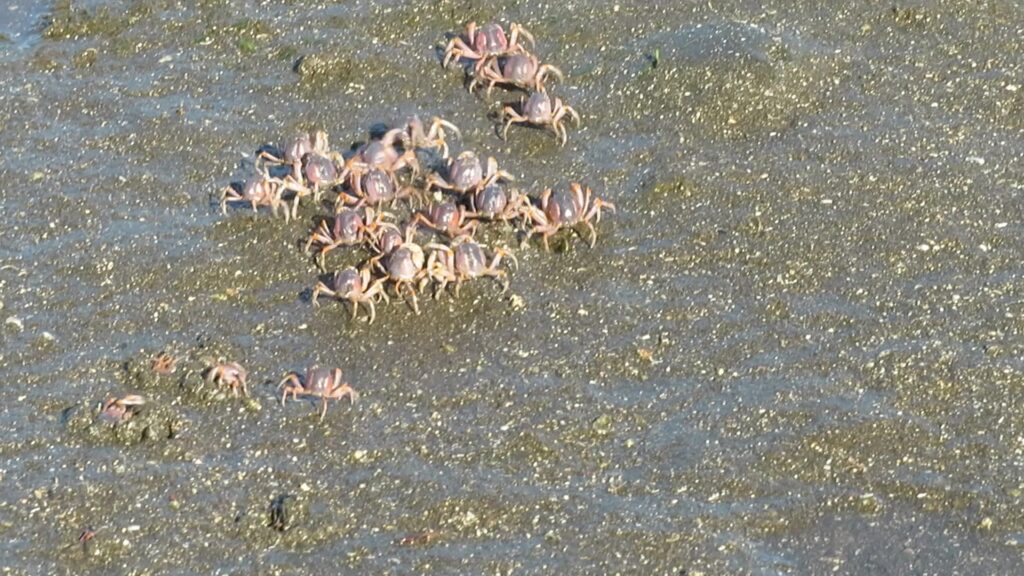
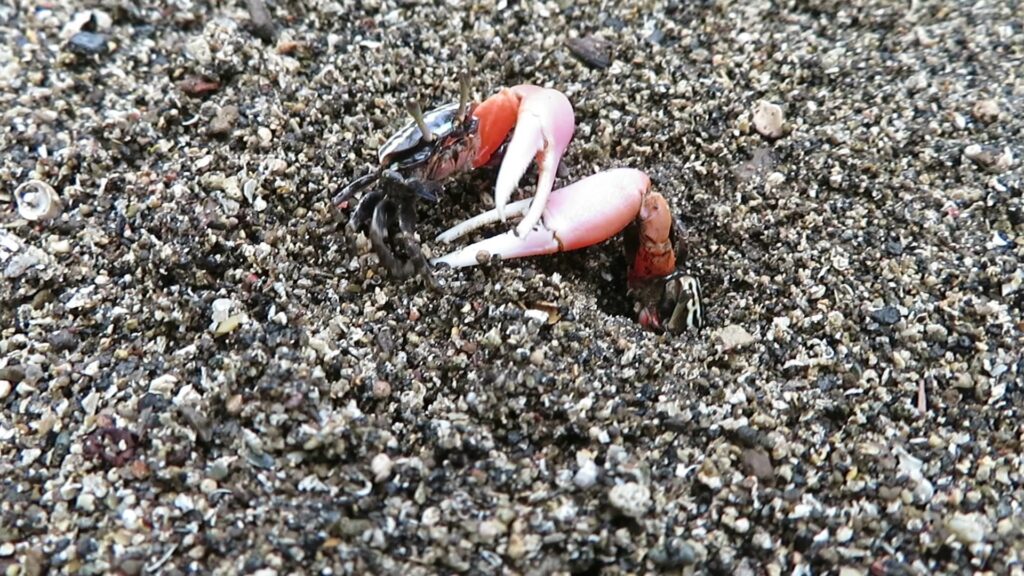
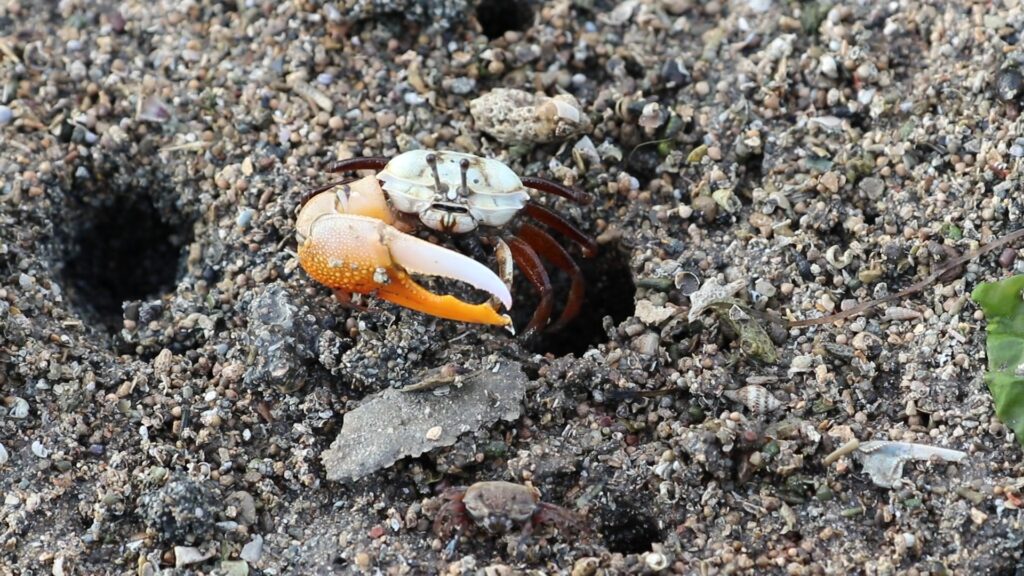
Subclass Eumalacostraca is the largest and most diverse subclass within the class Malacostraca, a major group of crustaceans in the subphylum Crustacea. Its members include crabs, lobsters, shrimp, prawns, crayfish, krill, mantis shrimp, hermit crabs, and numerous amphipods and isopods. Eumalacostracans occur in marine, freshwater, and terrestrial environments and exhibit a remarkable range of body shapes, sizes, feeding strategies, and behaviors. Their evolutionary success is reflected in their abundance and ecological importance across aquatic and some land-based ecosystems.
Eumalacostracans generally possess a segmented body divided into a head, thorax, and abdomen. In many groups, the head and thorax are fused to form a cephalothorax, which may be covered by a protective carapace. A typical body plan contains 19 body segments, including five head segments, eight thoracic segments, and six abdominal segments, followed by a terminal telson. The arrangement and visibility of these segments vary among groups, particularly in animals such as crabs, whose abdominal region is reduced and folded beneath the body. This segmented organization provides a structural basis for the development of specialized appendages.
The body is protected by an exoskeleton composed mainly of chitin and proteins, often reinforced with calcium carbonate. This outer covering provides support, protects internal organs, and serves as an attachment surface for muscles. In heavily armored species, such as lobsters and crabs, the exoskeleton can be particularly rigid, whereas many small or soft-bodied forms have thinner coverings. Growth occurs through molting, during which the animal sheds its old exoskeleton and expands before the new covering hardens. This process leaves the animal temporarily vulnerable to predators and physical injury.
A defining feature of eumalacostracans is their diverse collection of paired, jointed appendages. The head typically bears two pairs of antennae, mandibles, and two pairs of maxillae that assist with sensing and feeding. Thoracic appendages may function as walking legs, claws, feeding structures, or swimming limbs. Abdominal appendages, commonly called pleopods, can aid swimming, reproduction, and egg carrying. In many decapods, the terminal abdominal segments and telson form a tail fan that helps the animal propel itself rapidly backward. These appendages are modified in different lineages to suit particular lifestyles.
Eumalacostracans inhabit a wide variety of environments. Marine species are found in coastal waters, coral reefs, estuaries, open oceans, and deep-sea habitats. Freshwater representatives occur in rivers, lakes, streams, and wetlands, while some amphipods and isopods inhabit moist terrestrial environments. Certain species live in caves, burrow in sediment, or occupy close associations with other animals. Their ability to exploit different ecological niches has contributed to the extensive diversification of the subclass.
Most aquatic eumalacostracans breathe through gills, although their location and structure vary. Terrestrial isopods possess modified respiratory organs that allow gas exchange in air, but many still require humid conditions to prevent dehydration. Like other crustaceans, they generally have an open circulatory system in which hemolymph circulates through body spaces. Their nervous system includes a brain and a ventral nerve cord, while their sensory organs detect light, chemical signals, touch, vibrations, and water movement. These sensory capabilities support feeding, navigation, predator avoidance, and social interactions.
Feeding habits within Eumalacostraca are highly varied. Many species are omnivorous, consuming algae, plants, detritus, small animals, and carrion. Others are specialized predators, filter feeders, or parasites. Crabs and lobsters often use their claws and mouthparts to capture prey or process food, while krill and many shrimp-like species consume plankton and suspended organic particles. Mantis shrimp are notable predators that use highly specialized appendages to strike or grasp prey. These differences in feeding behavior allow eumalacostracans to occupy many positions within aquatic food webs.
Reproduction is generally sexual, with separate sexes in most species. Mating behavior varies from courtship displays and chemical signaling to competition between individuals. In many decapods, females carry eggs attached to their abdominal appendages until hatching. Development may include several larval stages, such as zoea and megalopa in many decapods, or other larval forms depending on the group. Krill and some other eumalacostracans have distinct larval stages, while certain isopods and amphipods undergo more direct development, with young resembling smaller versions of adults.
Eumalacostracans are ecologically important as predators, prey, scavengers, grazers, and consumers of organic matter. Krill and other small crustaceans form a crucial link between plankton and larger marine animals, including fish, seabirds, and whales. Decapods can regulate populations of mollusks and other invertebrates, while scavenging and detritus-feeding species help recycle nutrients. Burrowing species may also affect sediment structure and the exchange of nutrients between the seabed and surrounding water.
The subclass has considerable economic importance because it includes many of the world’s most valuable seafood animals. Shrimp, prawns, crabs, lobsters, and crayfish support fisheries and aquaculture industries worldwide. At the same time, many species face pressures from overharvesting, habitat destruction, pollution, invasive species, and climate change. Ocean warming and acidification may alter habitat suitability, food availability, and the formation of calcium-rich exoskeletons in some species. Sustainable fisheries management and the protection of aquatic habitats are therefore important for maintaining healthy populations.
In summary, Eumalacostraca represents a major radiation of crustaceans distinguished by a characteristic segmented body plan, specialized jointed appendages, and extensive ecological diversity. Its members range from tiny planktonic organisms to large benthic predators and terrestrial species. Their roles in nutrient cycling, food webs, fisheries, and aquaculture make this subclass an important component of global biodiversity and a significant subject of evolutionary and ecological research.